Top videos
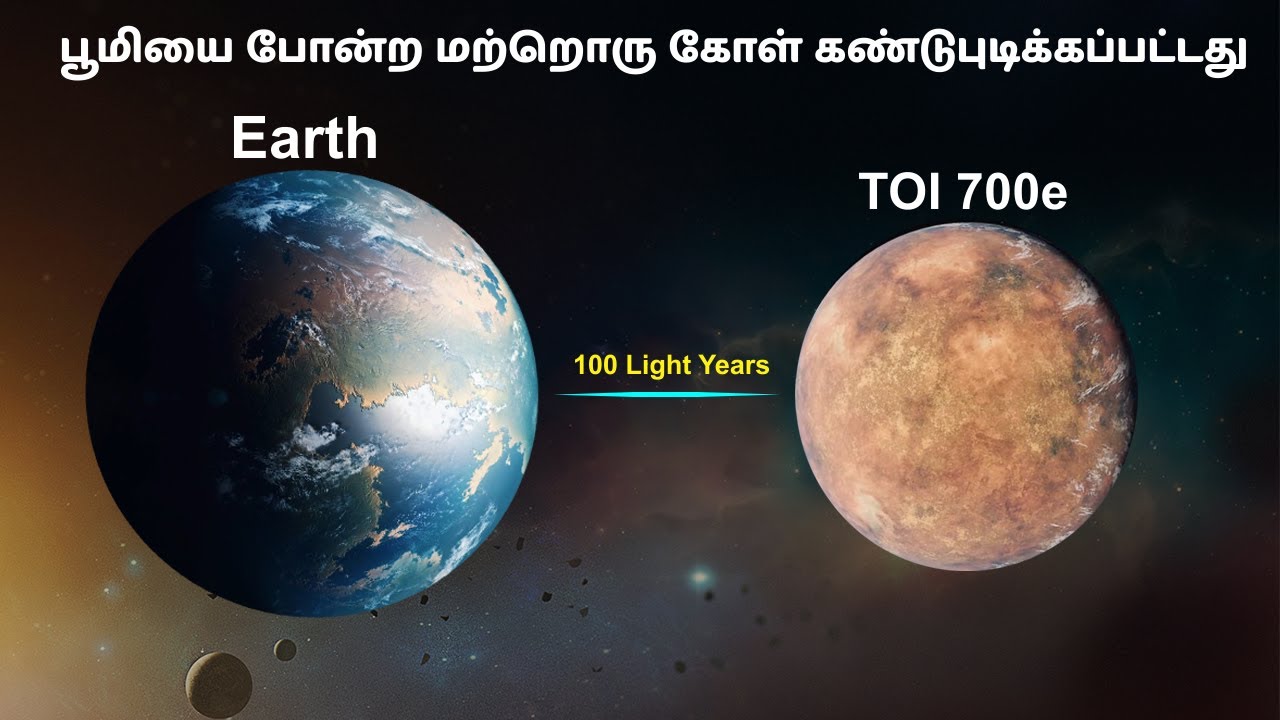
TOI 700 e is the latest planetary discovery in this solar system. In 2020, three other planets were also found orbiting the star TOI 700. Named TOI 700 b, TOI 700 c and TOI 700 d, they too are believed to orbit within the so-called optimistic habitable zone.
TOI 700 is a red dwarf 101.4 light-years away from Earth located in the Dorado constellation that hosts TOI 700 d, the first Earth-sized exoplanet in the habitable zone discovered by the Transiting Exoplanet Survey Satellite.
TOI-700 d is a super Earth exoplanet that orbits an M-type star. Its mass is 1.25 Earths, it takes 37.4 days to complete one orbit of its star, and is 0.1633 AU from its star. Its discovery was announced in 2020.
Regards,
Vaan Veli
#nasa #earth #superearths #space #whatif #science #planets #planets #universe #exoplanets #habitableplanets #earthlikeplanets #superearth2.0 #superearthtamil #superearthplanettamil #exoplanettamil #howmanyexoplanetsarethere #habitablezone #tamil #vaanveli #gk #earth2.0 #betterthanearth #earthtamil #newearth #earth2 #intamil #toi700e #toi-700e #toi700 #toi700esuperearth #toi700eplanet #toi700star #toi700eintamil #toi700esize #toi #vaanveli

In this video, we're going to reveal some unbelievable secrets about Pluto. From its size to its atmosphere, we're going to go over everything you need to know about this fascinating planet!
Don't believe the myths about Pluto, learn the truth about this unusual planet in this amazing video! From its size to its atmosphere, we're going to reveal all of the unbelievable secrets about Pluto! Thanks for watching!
Regards,
VaanVeli
Santhosh
#pluto #solarsystem #nasa #plutoplanet #nasapluto #facts #space #science #universe #planet #galaxy #planets #orbit #dwarfplanet #pluto'sheart #plutoice #moonpluto #plutodwarfplanet #plutoplanetintamil #whatif #vaanveli #plutotamil #planetsintamil #solarsystemplanetsintamil #vaanveli #tamil #isplutoaplanet #photoofpluto2022 #latestphotosofpluto #plutoisaplanet #nasarevealspluto #amazingfactsaboutpluto #plutofacts #plutofactsintamil

What if the moon disappeared? Would we know what was going on in the world? In this video, we'll explore this question and more.
We'll look at the history of the moon, how it's related to our planet, and how it might be disappearing. We'll also share some theories on what might happen if the moon disappeared. Finally, we'll ask the question: If the moon disappeared, what would happen to our planet? Go ahead and check out the video to find out!
Regards,
Vaan Veli
நிலவு இல்லாத பூமி என்ன ஆகும் தெரியுமா ?
#whatifmoondisappeared #whatif #earth #moon #whatifthemoondisappeared #whatifmoondisappears #earthandmoon #moonfacts #moonfactsintamil #whatifmoondisappearintamil #moontamil #nilavu #moonhistory #historyofthemoon #moonage #moonbrightness #moondistancefromearth #earthvsmoon #space #science #solarsystem #mars #darksideofthemoon #themoon #theuniverse #earthandmoon #whatiftherewasnomoon #moondisappeared #vaanveli #vaanveli #tamil #nila

Hi Everyone,
Top 10 Nuclear Bomb Comparison
All nuclear blast refers to the explosive release of energy caused by a nuclear weapon, commonly known as a nuclear bomb. It occurs when the nucleus of an atom, typically uranium or plutonium, is split through a process called nuclear fission. This splitting releases an enormous amount of energy in the form of an explosion.
In a nuclear blast, the energy is released rapidly, resulting in a powerful shockwave, intense heat, and a highly destructive blast radius. The explosion produces a brilliant flash of light, a mushroom-shaped cloud, and emits various forms of radiation, including thermal radiation, blast radiation, and ionizing radiation.
The destructive power of a nuclear blast depends on several factors, such as the size and type of the weapon, the altitude of the detonation, and the surrounding environment. The effects of a nuclear blast can include widespread devastation, immediate casualties from the blast, heat, and radiation, as well as long-term effects from radioactive fallout. It's important to note that the use of nuclear weapons is highly regulated and subject to international treaties and agreements due to their catastrophic potential.
Top 10 Nuke :
1. MK-14nuclearbomb
2. MK-16nuclearbomb
3. B53nuclear
4. Mk-36nuclearbomb
5. ivymikenuclearbomb
6. Mk-24bomb
7. Mk-17nuclearbomb
8. castlebravonuclear
9. B41nuclearbomb
10. RDS-220
Regards,
Vaan Veli
#nuclearbomb #nuclear #nuclearweapons #atomicbomb #top10nucelarbombintamil #worldlargestnuclerbomb #tzarbomba #nuclearbombaintamil #nuclearbombcomparison #nuclearcomparison #nuclearbombfactsintamil #அணுகுண்டு #largestnuclearbombintheworld #vaanveli #tamil #gk #top10 #whatif #mk-14nuclearbomb #mk-16nuclearbomb #b53nuclear #mk-36nuclearbomb #ivymikenuclearbomb #mk-24bomb #mk-17nuclearbomb #castlebravonuclear #b41nuclearbomb #rds-220 #nucleartamil #earth #tzarbomba #tzar #zarbomba #nuke

Hi,
Chandrayaan-3 is the third lunar exploration mission by the Indian Space Research Organisation (ISRO). It is a follow-up mission to Chandrayaan-2, which was launched in July 2019. The main objective of Chandrayaan-3 is to further explore the Moon's surface and conduct scientific experiments.
Chandrayaan-3 was originally planned to be a lander-rover mission, similar to Chandrayaan-2, but with improvements based on the lessons learned from the previous mission. However, due to the technical challenges faced during the Chandrayaan-2 mission, ISRO decided to focus on a simpler and more cost-effective mission for Chandrayaan-3.
The mission is expected to include an orbiter, a lander, and a rover. The orbiter will revolve around the Moon and provide communication support between the lander-rover and Earth. The lander will attempt a soft landing on the lunar surface, and the rover will be deployed to carry out scientific experiments and collect data.
Regards,
Vaan Veli

Hi,
If Jupiter becoming a star would have far-reaching consequences for our solar system and the Earth. The parameters required for Jupiter to become a star, however, are not viable given its current mass and composition.
Jupiter is a gas giant planet made primarily of hydrogen and helium, similar to a small star, but it lacks the mass required to begin nuclear fusion, the process that drives stars. Massive clouds of gas and dust become stars when they collapse under their own gravity and reach a crucial temperature and pressure, allowing nuclear fusion to occur in their centres.
To undergo nuclear fusion and become a star, Jupiter would need to be substantially more massive, roughly 80 times its current mass. Several consequences would result if this occurred:
Additional light and heat: If Jupiter were to become a star, it would emit light and heat in the same way that stars do. However, in comparison to our Sun, it would be faint and considerably cooler.
Changes in the solar system: The arrival of a new star in our solar system would alter its dynamics substantially. The gravitational forces between Jupiter, now a star, and the other planets, including Earth, would create orbital perturbations, potentially leading to orbital alterations and even collisions amongst celestial bodies.
Climate change: The enhanced energy output of a new star in the solar system would have an impact on Earth's climate. However, because Jupiter would still be a minor star, its impact on Earth's temperature would be minimal in comparison to the Sun.
Potential for life: The addition of another star to the solar system may offer additional energy to outer moons such as Europa and Ganymede, increasing the possibilities of life maintaining in those circumstances.
கூடுதல் ஒளி மற்றும் வெப்பம்: வியாழன் ஒரு நட்சத்திரமாக மாறினால், அது ஒரு நட்சத்திரத்தைப் போல ஒளியையும் வெப்பத்தையும் வெளியிடும். இருப்பினும், நமது சூரியனுடன் ஒப்பிடும்போது, அது ஒப்பீட்டளவில் மங்கலாகவும் மிகவும் குளிராகவும் இருக்கும்.
சூரிய குடும்பத்தில் ஏற்படும் மாற்றங்கள்: நமது சூரிய குடும்பத்தில் ஒரு புதிய நட்சத்திரம் இருப்பது அதன் இயக்கவியலை வியத்தகு முறையில் மாற்றிவிடும். வியாழன்-இப்போது-நட்சத்திரம் மற்றும் பூமி உட்பட மற்ற கிரகங்களுக்கு இடையே உள்ள ஈர்ப்பு விசைகள் சுற்றுப்பாதையில் குழப்பங்களை ஏற்படுத்தும், இது சுற்றுப்பாதையில் சாத்தியமான மாற்றங்களுக்கு வழிவகுக்கும் மற்றும் வான உடல்களுக்கு இடையே மோதல்கள் கூட சாத்தியமாகும்.
மாற்றப்பட்ட காலநிலை: சூரிய குடும்பத்தில் ஒரு புதிய நட்சத்திரத்திலிருந்து அதிகரித்த ஆற்றல் வெளியீடு பூமியின் காலநிலையை பாதிக்கும். இருப்பினும், வியாழன் இன்னும் ஒரு நட்சத்திரமாக ஒப்பீட்டளவில் சிறியதாக இருக்கும் என்பதால், சூரியனுடன் ஒப்பிடும்போது பூமியின் காலநிலையில் அதன் தாக்கம் குறைவாக இருக்கும்.
வாழ்க்கைக்கான சாத்தியம்: சூரிய குடும்பத்தில் மற்றொரு நட்சத்திரத்தைச் சேர்ப்பது, யூரோபா மற்றும் கேனிமீட் போன்ற வெளிப்புற நிலவுகளுக்கு அதிக ஆற்றலை வழங்கக்கூடும், இது அந்தச் சூழலில் உயிர்வாழ்வதற்கான வாய்ப்புகளை அதிகரிக்கும்.
Regards,
Vaan Veli
#whatif #jupiter #jupiterstar #jupiterbecameastar #whatifjupiterbecomeastar #jupiterintamil #jupiterplanet #planets #solarsystem #earth #sun #vaanveli #tamil #canjupiterbecomeastar #isjupiterafailedstar #planetjupiter #whatifjupiterbecameastar #jupiterbecomesastar #universe #jupitercouldbeasun #jupiterafailedstar #jupiterasstar #reddwarf #jupiterfacts #space #gravity #வியாழன் #viyaalan #shorts #science #solarsystemfacts #planets #jupitersize
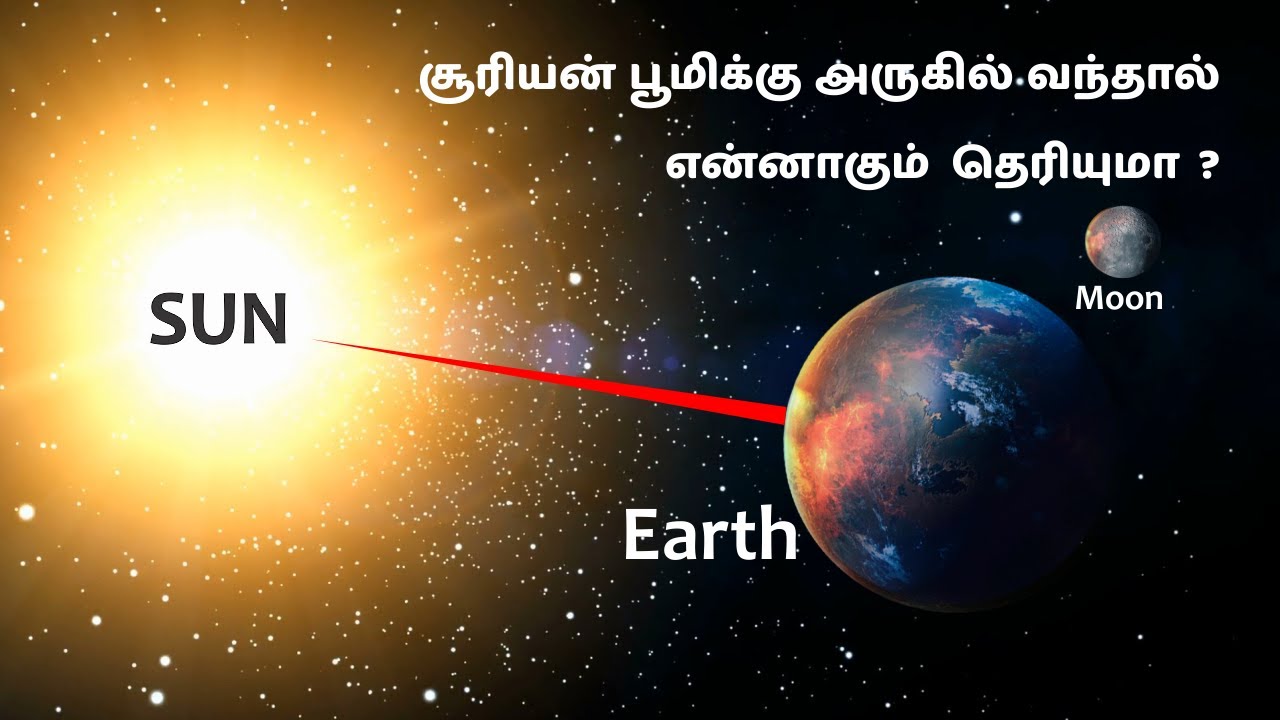
There would be enormous and maybe disastrous effects on our planet and all life on it if the Sun were to move closer to us. However, it is important to make clear that the Sun's distance from Earth is largely steady because of the balance of gravitational forces between the Sun and the planets, including Earth, before we consider the hypothetical scenario. There is almost no likelihood that such an event will occur.
Having said that, let's look at some possible effects of a closer Sun:
Temperature increases: As the Sun approaches Earth, more solar radiation will enter our globe, raising temperatures. This would cause temperatures to significantly rise, resulting in intense heat waves and a surge in the frequency of illnesses and fatalities brought on by the heat. Oceans and the surface of the Earth would warm, affecting habitats and ecosystems.
Rising Sea Levels and Melting Ice Caps: The warmer temperatures would hasten the melting of polar glaciers and ice caps, which would raise the sea level. Flooding would be a possibility in low-lying islands and coastal areas, displacing millions of people and resulting in significant ecological changes.
Global weather patterns would probably shift as a result of a closer Sun since it would probably change atmospheric circulation patterns. While some areas might experience more severe storms, others would endure protracted droughts that have an impact on agriculture and water supplies.
Many plant and animal species have evolved to survive in particular temperature ranges, which has a significant impact on biodiversity. Rapid and large temperature rises have the potential to cause widespread habitat loss and catastrophic extinctions, which would destabilise ecosystems and decrease biodiversity.
Impact on Human civilisation: A closer Sun's effects would be very detrimental to human civilisation. Food shortages, water scarcities, and energy crises would result from the climate and environmental changes, which would also pose a threat to agriculture, water resources, and energy production. To adapt to such extreme changes, significant adaptation efforts would be necessary.
Possible Orbital Changes: The Sun and Earth's gravitational fields are delicately balanced, preserving the planet's stable orbit. A large shift in this equilibrium might potentially modify Earth's orbit, creating new problems and having long-term effects on the climate and habitability of our planet.
Regards,
Vaan Veli
#solarsystem #whatif #sun #solarsystemintamil #whatifsunwasclosertoearth #whatifthesungetsclosertotheearth? #sunfacts #sunfactsintamil #whatifsunenlarge #whatifsunexpand #whatisthesunage #vaanveli #tamil #top10 #science #suntoearthdistance #sundestroyearth #thesun #space #universe #planets #astronomy #spaceexploration #whatifsuncomesclosertoearth #sunfact #thesolarsystem #sunhistory #sunvideo #earthgoingtoend #earthhistory

HI,
Composition: The Sun is primarily composed of hydrogen (about 74%) and helium (about 24%), with trace amounts of other elements.
Size: The Sun is an average-sized star, about 1.4 million kilometers (870,000 miles) in diameter. It's so large that about 1.3 million Earths could fit inside it.
Energy Source: The Sun generates energy through a process called nuclear fusion, where hydrogen atoms fuse to form helium. This process releases a tremendous amount of energy in the form of light and heat.
Temperature: The core of the Sun is incredibly hot, with temperatures reaching around 15 million degrees Celsius (27 million degrees Fahrenheit). The surface temperature, known as the photosphere, is cooler at about 5,500 degrees Celsius (9,932 degrees Fahrenheit).
Energy Output: The Sun emits an estimated 3.8 x 10^26 watts of energy, which is equivalent to the energy produced by about 100 billion nuclear bombs exploding every second.
Light Speed: It takes about 8 minutes and 20 seconds for sunlight to travel from the Sun's surface to Earth.
Life Cycle: The Sun is currently in the middle of its main sequence phase, where it has been shining for about 4.6 billion years. It's expected to continue this phase for another 5 billion years or so.
Solar Flares: The Sun occasionally experiences solar flares, which are intense bursts of radiation and energy. These flares can cause disruptions to communication systems and power grids on Earth.
Sunspots: Sunspots are cooler, darker areas on the Sun's surface caused by magnetic activity. They often occur in cycles, with the number of sunspots waxing and waning over an 11-year period.
Solar Wind: The Sun emits a stream of charged particles called solar wind, which constantly flows outward in all directions. This solar wind interacts with Earth's magnetosphere and can create phenomena like the auroras (northern and southern lights).
Gravity: The Sun's enormous mass creates a strong gravitational pull that keeps all the planets in our solar system, including Earth, in orbit around it.
Eclipses: Solar eclipses occur when the Moon passes between the Earth and the Sun, blocking out some or all of the Sun's light. Total solar eclipses, where the Sun is completely obscured, are rare and awe-inspiring events.
Regards,
VaanVeli
#sun #sunfacts #facts #sunfact #sunfactstamil #sunfactsintamil #solarsystem #solarsystemplanets #solarsystemintamil #sooriyan #sooriyaninunmaigal #vaanveli #vaan_veli #thesun #tamil #gk #whatif #top10factsaboutthesun #10sunfacts #factsaboutthesun #spacefacts #factsaboutsun #sunfactsandhistory #whatisthesun #amazingfacts #howhotisthesun #shorts #interestingfacts #thesunfacts #suninformationintamil #oursun #science #allaboutthesun #சூரியன் #சூரியனின்உண்மைகள் #சூரியகுடும்பம்

சந்திரயான் 3 ஐ முந்தும் ரஷ்யா விண்கலம் | ரஷ்யா விண்கலம் பற்றிய சில அறிய தகவல்கள்
Chandrayaan 3 vs Luna 25 சந்திரயான் 3 மீது ரஷ்யா விண்கலம் லூனா 25 மோதுமா ?
The Indian Space Research Organisation (ISRO)'s Chandrayaan-3 is the organization's third lunar exploration project. It is a successor to Chandrayaan-2, which featured a lander (Vikram), orbiter, and rover (Pragyan). The Vikram lander, however, was unable to land softly on the Moon's surface. By concentrating just on the lander and rover components of Chandrayaan-3, it is hoped to address this issue and attempt a successful landing.
Luna 25: The Russian Luna-Glob programme, which aspires to investigate the Moon, includes Luna 25. Luna 25, also referred to as the Luna-25 Lander, is the program's initial mission. It is intended to be a robotic lander that will examine the area around the Moon's south pole, paying particular attention to the areas that are always in shadow and may contain water ice. The mission of the spacecraft is to examine the lunar surface, determine the make-up of the regolith (surface material), and carry out numerous scientific investigations.
Regards,
VaanVeli
#chandrayaan3 #chandrayaan3mission #chandrayaan3tamil #chandrayaan3 #chandrayaanlive #chandrayaanupdate #chandrayaantodaylive #chandrayaan3updates #chandrayaan3latestnews #missionmoonisro #chandrayaan3moonmission #chandrayaan3mission #russiavinakalam #luna25 #russialune25 #luna25vschandrayaan3 #chandrayaan3vsluna25tamil #chandrayaan3vsluna25 #chandrayaan3vsrussia #indiavsrussia #chandrayaan3status #vaanveli #vaanveli #luna25tamil
#luna #luna24 #chandrayaan #chandrayaan_3 #chandrayaanmission #chandrayaan3vsluna25 #luna25live #luna25mission #luna25vschandrayaan3 #luna25mission #luna25vschandrayaan3 #luna25livefootage #luna25livevideo

உலகின் சக்திவாய்ந்த இந்திய ஏவுகணை | The most powerful indian missile brahmos
The BrahMos missile is indeed one of the most powerful and advanced supersonic cruise missiles developed jointly by India and Russia. It's named after two rivers: the Brahmaputra in India and the Moskva in Russia. Here are some key details about the BrahMos missile:
Speed and Range: The BrahMos missile is known for its exceptional speed, traveling at a supersonic speed of Mach 2.8 to 3.0 (around 2,200 to 2,300 mph or 3,600 to 3,700 km/h). It has a range of approximately 290 km (180 miles).
Variants: The missile comes in different variants designed for various platforms, including ground-launched, ship-launched, submarine-launched, and air-launched versions. This versatility allows it to be used across different military scenarios.
Multirole Capabilities: The BrahMos missile is designed to be effective against a wide range of targets, including ships, ground targets, and fortified structures. Its precision and high speed make it difficult for enemy defenses to intercept.
Guidance System: The missile employs advanced guidance systems, including inertial navigation systems, along with mid-course updates and homing technology for terminal guidance. This ensures high accuracy in hitting its target.
Stealth Features: The missile has been developed with stealth technology, reducing its radar cross-section and making it harder for enemy radar systems to detect and track.
Joint Development: The missile is a result of collaboration between the Indian Defense Research and Development Organization (DRDO) and Russia's NPO Mashinostroyeniya. The collaboration has allowed both countries to pool their expertise in missile technology.
Upgrades: Over the years, the BrahMos missile has undergone upgrades to enhance its capabilities, including increased range and improved guidance systems.
Strategic Importance: The BrahMos missile is considered a strategic asset for India due to its potential to deter adversaries and maintain a credible defense capability.
Regards,
VaanVeli
#missilelaunch #hypersonicmissile #cruisemissiles #supersonicmissile #brahmosmissile #brahmos2 #brahmossupersonicmissile #missile #indiabrahmosmissile #brahmostest #indianbrahmosmissile #brahmosindia #brahmosrussia #brahmosmissile2021 #indianmissile #vaanveli #aug15 #august15 #independenceday #independenceday2023 #brahmosspeed #brahmosspeedpersecond #independencedaystatus #independencedaywhatsappstatus #republicday #brahmosintamil #brahmostamil #nuclear #gk
இந்திய முத்திரையை பாதிக்கப்போகும் சந்திரயான் 3
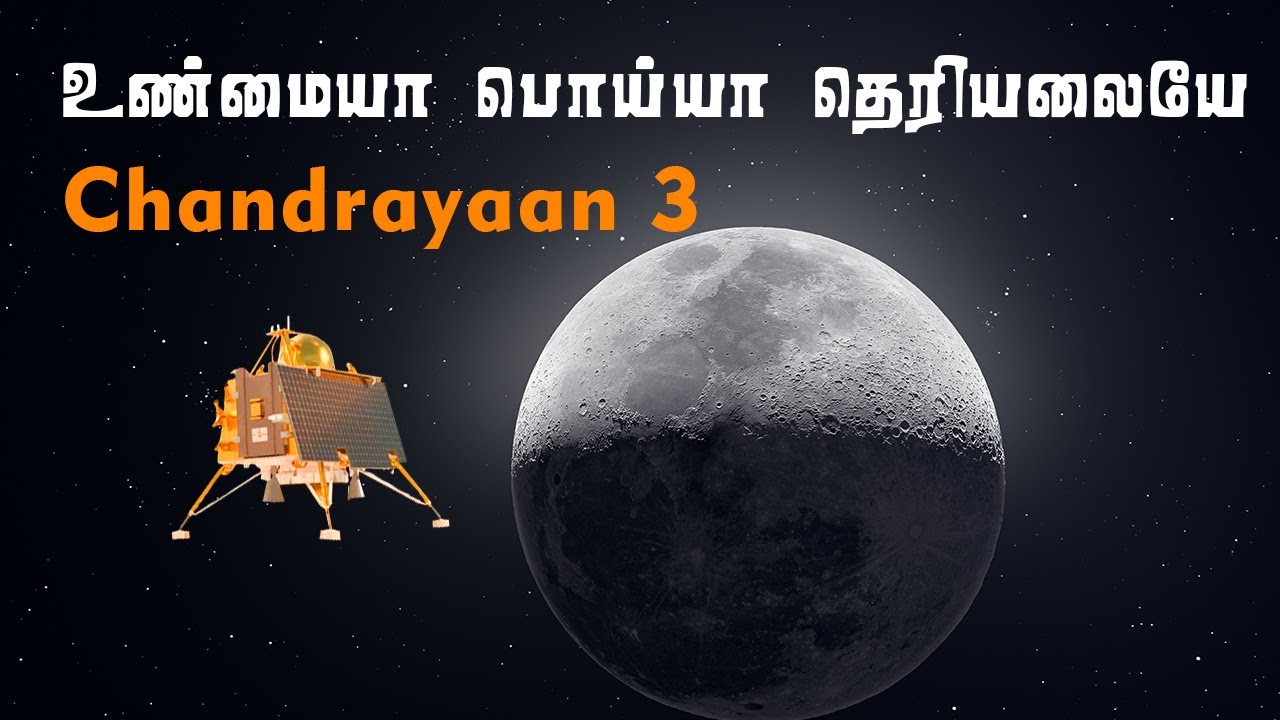
The Vikram lander module of Chandrayaan-3 successfully conducted a deboosting manoeuvre on Friday in the critical Moon mission, which launched from Earth on July 14 and is now preparing for its much-anticipated soft landing attempt, tentatively slated for August 23.
After a 40-day trip, Chandrayaan-3 is slated to touchdown on the lunar surface around August 23. (AP)
After a 40-day trip, Chandrayaan-3 is slated to touchdown on the lunar surface around August 23. (AP)
The second deboosting operation will take place on August 20, gradually lowering the module up to 100 kilometres in lunar orbit, from which a soft landing will be attempted. This operation, if successful, will open the way for the Vikram Lander and Pragyan rover to begin their mission, which is planned to last one lunar day (14 Earth days). During this time, they will be gathering various scientific data.
Meanwhile, the propulsion module that carried both the lander and the rover will remain in orbit around the Moon, serving as a communication relay.
Chandrayaan-3 is India's attempt at a soft landing on the lunar surface, nearly four years after the Chandrayaan-2 mission encountered difficulties and fell short of its intended goal in September 2019.
#isrochandrayaan3mission #chandrayaan3news #chandrayaan3launch #chandrayaan3 #chandrayaan3update #chandrayaan3mission #isrochandrayaan3 #chandrayaan3latestnews #chandrayaan3moonmission #isromoonmissionchandrayaan3 #chandrayaan3isro #chandrayaan3live #chandrayaan3launchdate #chandrayaan3vsluna25 #isro #chandrayaan3intamil #luna25 #chandrayaan3livetracking #chandrayaan #chandrayaan3animation #chandrayaan3status #vaanveli #tamil

Join in our Whatsapp Channel : https://whatsapp.com/channel/0....029VaAmc3xJ3jv0kNNrc
The Drake Equation: The Drake Equation is a probabilistic formula that estimates the number of technologically advanced civilizations in our galaxy. While it is highly theoretical, it demonstrates that the existence of extraterrestrial life is a possibility.
Fermi Paradox: The Fermi Paradox raises the question of why, given the vast number of potentially habitable planets in the universe, we have not yet observed any signs of extraterrestrial civilizations. There are many proposed solutions to this paradox.
Ongoing Scientific Research: Scientists are actively searching for signs of alien life through projects like the Search for Extraterrestrial Intelligence (SETI), the study of extremophiles on Earth, and missions to explore other planets and moons in our solar system, such as Mars and Europa.
UFO Sightings: Unidentified Flying Object (UFO) sightings are often cited as evidence of potential alien encounters. However, the existence of UFOs does not necessarily confirm the existence of extraterrestrial life, as these sightings could have various explanations.
Vast Universe: The universe is incredibly vast, with billions of galaxies, each containing billions of stars and potentially even more planets. The sheer number of planets makes it statistically likely that some may support life.
Goldilocks Zone: Many scientists search for planets within the "Goldilocks zone" or the habitable zone around a star, where conditions might be right for liquid water to exist—a crucial ingredient for life as we know it.
Exoplanets: Astronomers have discovered thousands of exoplanets (planets outside our solar system). Some of these are in the habitable zone and are considered prime candidates in the search for extraterrestrial life.
Fermi Paradox: The Fermi Paradox raises the question of why we haven't yet observed evidence of extraterrestrial civilizations, given the vast number of potentially habitable planets. Many solutions to this paradox have been proposed, including the possibility that advanced civilizations are rare, they self-destruct, or they are simply too far away.
Drake Equation: The Drake Equation is a formula that estimates the number of technologically advanced civilizations in our galaxy. It combines factors like the rate of star formation, the fraction of stars with planets, and the fraction of those planets that could support life.
SETI: The Search for Extraterrestrial Intelligence (SETI) is an ongoing scientific effort to detect signals or signs of intelligent life beyond Earth. This involves listening for radio signals or other technosignatures.
Extremophiles: Some extremophiles, microorganisms on Earth, thrive in extreme conditions like extreme heat, cold, pressure, and radiation. These organisms have expanded our understanding of where life could potentially exist, including on other planets or moons.
Roswell Incident: The Roswell UFO incident in 1947 is one of the most famous alleged UFO sightings. The U.S. military initially stated that they had recovered a "flying disc," but later explained it as a weather balloon.
Crop Circles: Some crop circles are believed to be mysterious geometric patterns created in fields, and some have been associated with UFOs. However, many crop circles are the result of human art and hoaxes.
Extraterrestrial Life in Pop Culture: The concept of aliens and UFOs has had a significant influence on popular culture, with numerous books, movies, and television shows exploring the idea of alien life and UFO encounters.
aliens are real or not ?, aliens in tamil, alien in tamil, ufo in tamil, alien movie,
alien movie footages, Alien Sightings, Alien Encounters, Alien Documentary, Alien Abduction, Alien Movies, UFO and Aliens, Real Aliens, Alien Invasion, Alien Conspiracy Theories, Alien vs Predator, Area 51 Alien, Alien Evidence, Alien Disclosure, Ancient Aliens, Alien Interview,
Regards,
Vaan Veli
Santhosh
Follows on Facebook : https://www.facebook.com/vaanveli1
Follows on Instagram : https://www.instagram.com/vaan_veli
#alien #aliensarereal #whoisalien #whatarealien #ufo #whatisufo #wherearethealienscomesfrom #aliensexplained #alientamil #alienstamil #aliensexplainedintamil #alienrealfootage #uforealfootage #realalien #alienrecentupdate #alienfootages #alienlivevideo #planets #exoplanets #whatisalien #alienvshuman #alientrailerintamil #alienswar #alienvshumanwar #aliens #extraterrestrial #alienencounter #alieninvasion #space #scifi #AlienLife
#area51 #alienconspiracy #ufosighting #alienabduction #ScienceFiction
#ancientaliens #paranormal #alienmovies #alientheories #alienmythology#alienattac k #alienbody #alienfound #aliendetails #aliensize #vaanveli #earth #science #alienfacts

Hi, பூமியில் நீர் எப்படி உருவானது தெரியுமா ?
Saltwater: Approximately 97.5% of the world's water is in the form of saltwater, found in oceans and seas.
Freshwater: The remaining 2.5% of the world's water is freshwater, which is found in various forms, including:
a. Surface Water: This includes water in lakes, rivers, and other surface water bodies. These sources make up only a small fraction of the total freshwater on Earth.
b. Groundwater: Most of the world's freshwater is stored underground in aquifers. Groundwater is a crucial source of drinking water and is also used for irrigation and industrial purposes.
c. Ice: A significant portion of freshwater is stored in the form of ice in glaciers and polar ice caps.
d. Atmosphere: Water vapor in the atmosphere is also considered part of the Earth's freshwater resources, although it is relatively small in comparison to other forms.
Regards,
Vaan Veli
Santhosh
Follows on Facebook : https://www.facebook.com/vaanveli1
Follows on Instagram : https://www.instagram.com/vaan_veli
#vaanveli #vaan_veli #universe #solarsystem #earth #tamil #water #wateronearth #wateronearthintamil #howmuchwaterinourearth #freshwater #saltwater #howmuchsaltwaterinourearth #howwaterarecreated #howwatercameonearth #howwatercametoearth #waterintamil #71%ofwater #howmanypercentageofwaterintheearth #howmanyprecentageoflandinourearth #landvswatercomparison #earthhistory #waterhistory #starborn #howplanetsareformed #intamil

Hi,
1000 வருடங்கள் கழித்து நம் பூமி எப்படி இருக்கும் ?
Technological Advancements: The pace of technological progress is likely to continue, with advancements in fields such as artificial intelligence, biotechnology, space exploration, and renewable energy. This could lead to significant improvements in various aspects of human life, including healthcare, communication, and energy production.
Climate Change and Environmental Impact: Addressing climate change will likely be a major challenge. Efforts to transition to renewable energy sources, sustainable practices, and increased conservation may be crucial to mitigate the effects of climate change. The state of the environment will depend heavily on global cooperation and the success of these efforts.
Population and Demographics: The global population is expected to continue growing, but at a slower rate. Demographic shifts, such as aging populations in many developed countries, may have profound social and economic implications.
Space Exploration: Human exploration of space may become more advanced, with potential colonies on the Moon or Mars. Advancements in propulsion systems and space technologies could enable more ambitious missions to explore other planets and celestial bodies.
Biotechnology and Medicine: Advances in biotechnology could lead to breakthroughs in medical treatments, disease prevention, and possibly even increased human longevity. The ethical implications of these technologies would need careful consideration.
Cultural and Societal Changes: Cultural shifts are challenging to predict, but factors such as globalization, increased connectivity, and changes in political and economic systems could influence societies around the world. The role of technology in shaping culture and communication will likely continue to evolve.
Political Landscape: The geopolitical landscape is highly uncertain. The balance of power among nations may shift, and new political structures or alliances could emerge. International cooperation on global issues will be crucial for addressing challenges such as climate change and resource management.
Energy Sources: There may be a continued shift toward renewable energy sources, such as solar, wind, and nuclear power. Advances in energy storage technology could play a critical role in making renewable energy more practical and widespread.
Regards,
Vaan Veli
Santhosh
Follows on Facebook : https://www.facebook.com/vaanveli1
Follows on Instagram : https://www.instagram.com/vaan_veli
#vaanveli #vaan_veli #universe #solarsystem #earth #tamil #1000yearslaterourearth #theearthin1000years #theworldin1000yearsfromnow #earthevolution #earthpollution #waterpollution #airpollution #deforestation #tree #trees #savetrees #plant #oxygen #treesintamil #moon #mars #moonhome #marshome #space #alien #treeplantation #treesforhome #whattreeplanttohome #saveanimals #1000yearslater #earthfootages #gk

In this video, we'll be discussing all the important Io Moon facts! From its name to its characteristics, this video is packed with information about the Io Moon.
If you're curious about the Io Moon, or want to know more about it, then this video is for you! We'll discuss everything you need to know about this fascinating moon, from its name to its characteristics. Be sure to watch until the end to learn about the amazing things that happen during the Io Moon!
IO Moon of Jupiter, IO Moon in tamil, IO Moon volcano eruption, IO Moon Surface, what is io mooon, IO moon temprature
Discovery: Io was discovered by Galileo Galilei on January 8, 1610, along with three other large moons of Jupiter.
Size: It is the fourth-largest moon of Jupiter and has a diameter of about 3,643 kilometers (2,263 miles).
Composition: Io is primarily composed of silicate rock and iron, similar to the terrestrial planets Mercury, Venus, Earth, and Mars.
Surface: Io has a diverse and geologically active surface, featuring numerous volcanic calderas, mountains, and plains.
Volcanic Activity: Io is the most volcanically active body in the solar system, with hundreds of active volcanoes spewing sulfur and other materials.
Lava Lakes: Some of Io's volcanic eruptions result in lava lakes, large molten pools of lava on its surface.
Ionian Name: Io is named after a priestess of Hera in Greek mythology who became one of Zeus's mortal lovers.
Orbit: Io orbits Jupiter at an average distance of about 422,000 kilometers (262,000 miles).
Orbital Period: It takes approximately 1.77 Earth days for Io to complete one orbit around Jupiter.
Tidal Heating: Io experiences intense tidal heating due to its elliptical orbit, caused by gravitational interactions with Jupiter and the other Galilean moons.
Surface Temperature: Io's surface temperatures can vary widely, with some regions reaching up to 1,600 degrees Celsius (2,900 degrees Fahrenheit).
Atmosphere: Io has a thin atmosphere composed mainly of sulfur dioxide, which freezes onto its surface when the moon is in shadow.
Surface Coloration: The surface of Io displays a variety of colors, including red, orange, yellow, and white, due to different types of materials and their oxidation states.
High Radiation Levels: Io is exposed to high levels of radiation from Jupiter's powerful magnetosphere, making it a challenging environment for spacecraft exploration.
Surface Changes: Observations over time have revealed significant changes in Io's surface features, indicating ongoing geological activity.
Peaks: Some of Io's mountains reach impressive heights, with several exceeding 10 kilometers (6 miles) in height.
Loki Patera: Loki Patera is a massive volcanic depression on Io, possibly a large lava lake or a complex system of interconnected lava lakes.
Surt Volcano: Surt is one of Io's prominent volcanoes, named after a fire giant in Norse mythology.
Prometheus: Prometheus is a large, elongated volcanic feature on Io with a distinctive shape, likely caused by repeated volcanic eruptions.
Voyager Missions: Io was first studied up close by NASA's Voyager 1 and Voyager 2 spacecraft in 1979.
Galileo Orbiter: The Galileo spacecraft, which orbited Jupiter from 1995 to
Regards,
Vaan Veli
Santhosh
Follows on Facebook : https://www.facebook.com/vaanveli1
Follows on Instagram : https://www.instagram.com/vaan_veli
Disclaimer:
This channel does not offer financial advice. All information on this channel is offered solely for educational and informational reasons. This channel does not guarantee that you will be able to generate money online using the method presented in the video. Your level of success in achieving the outcomes indicated in the video will involve hard work, aptitude, learning and experience. Before investing or joining any such site, this channel strongly suggested you to conduct thorough investigation.
#iomoonofjupiter #iomoonintamil #iomoonvolcanoeruption #iomoonsurface #whatisiomooon #iomoontemprature #iomoon #vaanveli #solarsystemmoons #solarsystem
Hi,
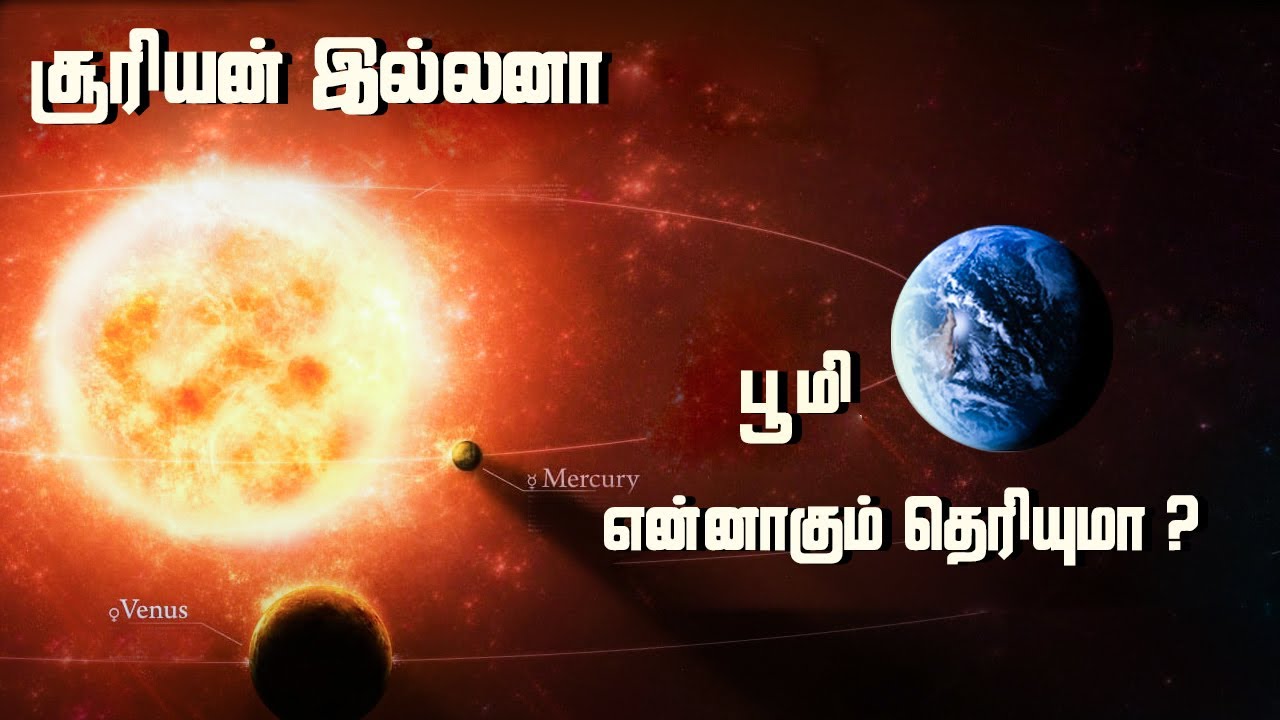
What if sun disappear suddenly ... what if sun disappears, what happens if sun disappears in tamil
Regards,
Vaan Veli
Santhosh
Follows on Facebook : https://www.facebook.com/vaanveli1
Follows on Instagram : https://www.instagram.com/vaan_veli
Disclaimer:
This channel does not offer financial advice. All information on this channel is offered solely for educational and informational reasons. This channel does not guarantee that you will be able to generate money online using the method presented in the video. Your level of success in achieving the outcomes indicated in the video will involve hard work, aptitude, learning and experience. Before investing or joining any such site, this channel strongly suggested you to conduct thorough investigation.
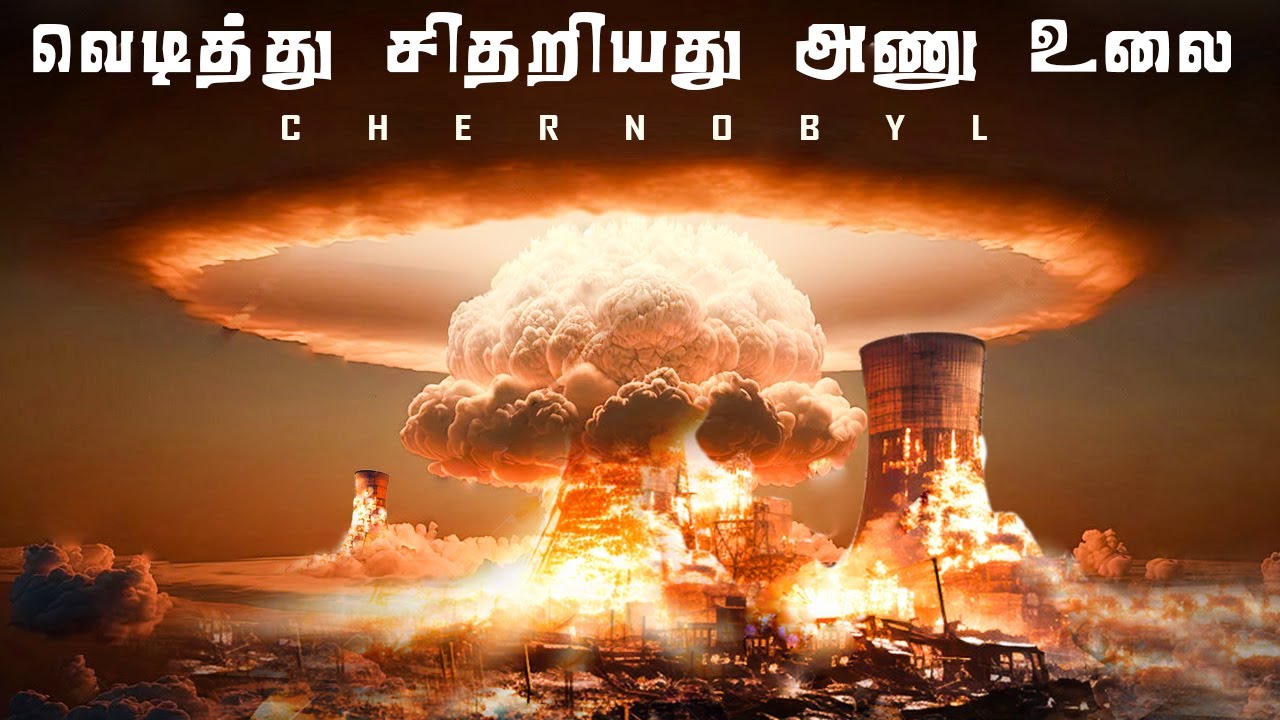
The Chernobyl disaster happened on April 26 1986, at the Chernobyl Nuclear Power Plant in Pripyat, Ukrainian SSR, which was part of the Soviet Union at the time. It is often regarded as the worst nuclear disaster in history.
The incident occurred during a late-night safety test in Chernobyl's fourth reactor. A sudden power surge caused a large explosion and the discharge of a significant amount of radioactive elements into the atmosphere due to a combination of design defects and operator errors. Large amounts of radioactive particles, including iodine-131, cesium-137, and strontium-90, were discharged as a result of the explosion and ensuing fires.
The direct impact of the explosion killed two plant workers, and 29 more perished in the days that followed from acute radiation illness. The long-term effects of the Chernobyl tragedy were severe, with an increase in malignancies, particularly thyroid cancer, among people exposed to the radiation. To minimize future exposure, the affected area was evacuated and a huge exclusion zone was constructed.
Chernobyl had far-reaching consequences for nuclear energy policies, safety standards, and public opinion of nuclear power. It also contributed to the eventual breakup of the Soviet Union by highlighting the government's secrecy and reluctance to divulge information about the catastrophe. Significant changes resulted from the accident.
Regards,
Vaan Veli
Santhosh
Follows on Facebook : https://www.facebook.com/vaanveli1
Follows on Instagram : https://www.instagram.com/vaan_veli
Disclaimer:
This channel does not offer financial advice. All information on this channel is offered solely for educational and informational reasons. This channel does not guarantee that you will be able to generate money online using the method presented in the video. Your level of success in achieving the outcomes indicated in the video will involve hard work, aptitude, learning and experience. Before investing or joining any such site, this channel strongly suggested you to conduct thorough investigation.
#chernobyl
#chernobyldisaster
#chernobylexclusionzone
#nuclear #nucleardisaster
#chernobylintamil
#usa3mileistand
#chernobylnuclearplant

Hi,
What is universe ? பிரபஞ்சத்தில் என்னதான் இருக்கு ?
The universe is a vast span of space that contains all matter, energy, galaxies, stars, planets, and other celestial entities. It encompasses everything that exists, from the smallest subatomic particles to the most massive galaxies. The cosmos is constantly expanding and governed by fundamental physical laws and principles such as gravity, electromagnetic, and strong and weak nuclear forces. Observations performed with telescopes, experiments in physics laboratories, and mathematical theories such as relativity and quantum mechanics have all influenced our understanding of the cosmos.
Universe
Space
universe facts
universe in tamil
Regards,
Vaan Veli
Santhosh
Follows on Facebook : https://www.facebook.com/vaanveli1
Follows on Instagram : https://www.instagram.com/vaan_veli
Disclaimer:
This channel does not offer financial advice. All information on this channel is offered solely for educational and informational reasons. This channel does not guarantee that you will be able to generate money online using the method presented in the video. Your level of success in achieving the outcomes indicated in the video will involve hard work, aptitude, learning and experience. Before investing or joining any such site, this channel strongly suggested you to conduct thorough investigation.

https://youtu.be/nXqQKbVb9ck?si=k02e1B73VPSdpXXj
semmenarai video
நீலகிரி மலைத்தொடரில் பலரும் அறியாத ஒரு சொர்க்கம்
ooty to hireseegai kinnakorai bus travel 6am 11 15am 1 15pm
#hiddengems #travel #tamilnadu #tourist #tnstc #vlog #tourism #ooty #kinnakorai #hireseegai #coimbatore #hidden #restrictedarea #restricted #youtube #animals

#jfwbinge #pepsiuma #pearlemaany #laila #jfwachieversawards2026
the one and only Pepsi Uma is back! ❤️
One of Tamil television's most loved anchors, Pepsi Uma, receives the Excellence in Television Entertainment Award from actress Laila in the JFW Achievers award 2026.
Laila shares her happiness while presenting the award, making it a truly memorable moment. After receiving the honor, Pepsi Uma opens up about her journey, talks about how much she misses television, and answers our questions with honesty, warmth, and her signature charm.
Don't miss this heartwarming and exclusive interview with the iconic Pepsi Uma!
#pepsiuma #laila #jfw #tamiltv #tamilentertainment #television #excellenceaward #tamilanchor #interview #tamilcinema #awards #entertainment
Title Sponsor VBJ Since 1900
Powered by
Cals Believe In Better
Mrithu Towels From Ramraj Super Soft & Super Absorbent
Udhaiyam Refined Sunflower Oil
Co Presented by Twin Birds Wear It, Feel It, Love It
JFW Binge is the #1 destination for top-quality content revolving around Tamil Cinema. Tune in for non-stop entertainment and fun with your favorite Tamil actors and Tamil actresses! Stay updated on the latest Kollywood buzz with our exclusive shows and events, including in-depth celebrity interviews and engaging Tamil movie reviews. Get the inside scoop on your favorite stars and the hottest trends in the Tamil film industry, only on JFW Binge
