#solarsystemfacts
![Solar System in 3D [Facts About Solar System Planets]](https://i.ytimg.com/vi/0QJj4U5PIiU/maxresdefault.jpg)
The Solar System in 3D Visualization: The Solar System is the gravitationally bound system of the Sun and the objects that orbit it. It formed 4.6 billion years ago from the gravitational collapse of a giant interstellar molecular cloud. please check our video and give us your valuable feedback to improve the quality thanks.
Regards,
Vaan veli
#solarsystem #the8planetsinoursolarsystemfacts #neptuneorbit #planetx #moon #sunset #neptune #earth2 #pluto #mercury #saturn #blackhole #mars #milkywaygalaxy #sizecomparison #solarsystemfacts #solarsystemdocumentary #planetsizecomparison #factsaboutspaceandtheuniverse #planetsizescomparisonvideo #solarsystem3d #venus #jupiter #planets #uranus #solar #3dsolarsystem #earthsize #earthtilt #solarplanettilt #saturnrings #planetsin3d #vaanveli #universe #starwars #gk
#vaanveli #adityal1 #sunfacts
Sun Facts 1:
https://youtu.be/ok3U2N1gclU?si=UWtwxEmqlaPY-PeV
Sun Facts 2:
https://youtu.be/YTZ712B7C2g?si=I1_IL8igigv8_IRz
நட்சத்திரத்தின் அணுக்கரு இணைவு :
https://youtu.be/zEztpqIV9bk?si=XWtQzMZuUFQM_SLq
சூரியன் பூமிக்கு அருகில் வந்தால் என்ன ஆகும் ?
https://youtu.be/dvALnR3n3Dc?si=G7_Z9V8vJftxBmo-
அழிவின் விளிம்பில் அடுத்த தலைமுறை :
https://youtu.be/NCWBWYoxzkw?si=pFlUHZQp-dpVWIuG
Follows on Facebook : https://www.facebook.com/vaanveli1
Follows on Instagram : https://www.instagram.com/vaan_veli
Hi,
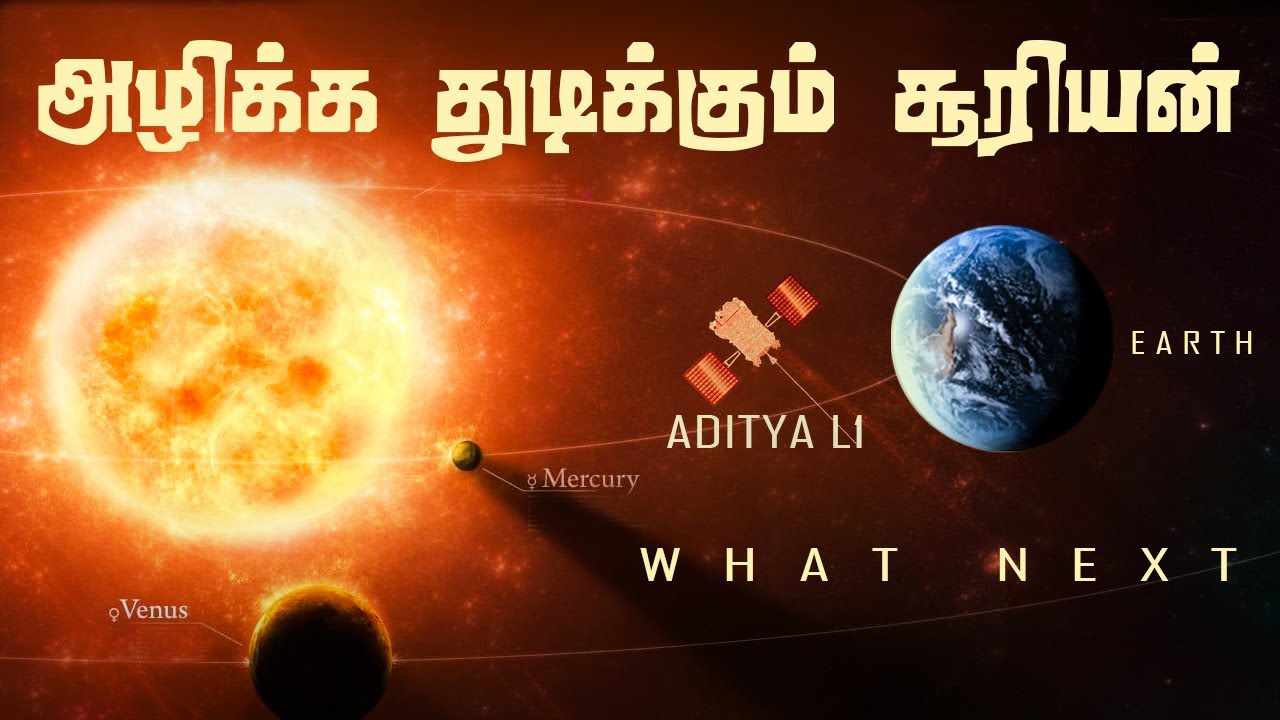
Aditya L1 will be India's first space-based mission to study the Sun. The spacecraft will be positioned in a halo orbit around the Sun-Earth system's Lagrange point 1 (L1), which is approximately 1.5 million kilometres away from Earth. A satellite in halo orbit around the L1 point has the significant benefit of continuously viewing the Sun with no occultation/eclipses. This will give us a better chance of seeing solar activity and its impact on space weather in real time. The spacecraft includes seven payloads that will use electromagnetic, particle, and magnetic field detectors to study the photosphere, chromosphere, and the Sun's outermost layers (the corona). Four payloads directly see the Sun from the exceptional vantage point L1, while the remaining three payloads conduct in-situ particle and field studies at the Lagrange point L1, offering essential scientific studies of the propagatory influence of solar dynamics in the interplanetary medium.
The Aditya L1 payload suites are intended to offer critical information for understanding the problem of coronal heating, coronal mass ejection, pre-flare and flare activities and their characteristics, dynamics of space weather, particle and field propagation, and so on.
Objectives of Science:
The Aditya-L1 mission's primary scientific goals are as follows:
Dynamics of the solar upper atmosphere (chromosphere and corona).
The investigation of chromospheric and coronal heating, the physics of partly ionised plasma, the start of coronal mass ejections, and flares.
Observe the in-situ particle and plasma environment for data on particle dynamics from the Sun.
The solar corona's physics and heating mechanism.
Coronal and coronal loops plasma diagnostics: Temperature, velocity, and density are all variables.
CME evolution, dynamics, and genesis.
Determine the sequence of processes that occur at many levels (chromosphere, base, and extended corona) and lead to solar eruptive events.
Topology of magnetic fields and magnetic field measurements in the solar corona.
Space weather drivers (the genesis, composition, and behaviour of solar wind.
Aditya-L1's instruments are designed to observe the solar atmosphere, specifically the chromosphere and corona. At L1, in-situ instruments will observe the local environment. There are seven payloads on board, four of which perform distant sensing of the Sun and three of which perform in-situ observation.
Regards,
Vaan Veli
Santhosh
#vaan_veli #universe #solarsystem #earth #tamil #adityal1launch #isro #chandrayaan3 #isrolive #isroofficial #adityal1mission #sun #isroadityal1mission #adityal1missionlive #aditya #adityal1 #adityal1isro #isrosunmission #ஆதித்யாL1 #sunfacts #sunmission #adithyal1 #adityal1vssun #sunvsadityal1 #sunflare #sunstorm #sooriyapuyal #volcanoinsun #solarstormintamil #solarvolcanointamil #solar #solarcycloneintamil #adityal1intamil #storm #gk #science #sciencetamil #stormtamil #solarsystemfacts

Jupiter is the most largest planet in our solarsystem, Jupiter facts,
with a diameter of about 139,820 kilometers (86,881 miles).
It has a mass that is approximately 318 times that of Earth, making it more massive than all the other planets in the solar system combined.
Jupiter is primarily composed of hydrogen and helium, similar to the composition of the sun.
It doesn't have a solid surface; instead, its atmosphere gradually transitions into its dense, gaseous interior.
Jupiter has a thick atmosphere with bands of clouds and high winds.
Prominent features in its atmosphere include the Great Red Spot, a giant storm that has been raging for at least 350 years.
Jupiter has a very strong magnetic field, much stronger than Earth's.
Its magnetic field is responsible for intense radiation belts around the planet.
Jupiter has a large number of moons, with over 80 known as of my last update in January 2022.
The four largest moons, known as the Galilean moons, are Io, Europa, Ganymede, and Callisto.
Jupiter is the fifth planet from the Sun and has an average orbital distance of about 484 million miles (778 million kilometers).
It takes approximately 11.86 Earth years to complete one orbit around the Sun.
Jupiter's rotation is very fast; it completes one rotation on its axis in just under 10 hours.
Jupiter has a faint ring system composed of small, dark particles.
Its ring system is much less prominent than Saturn's.
Several spacecraft have visited Jupiter, including Pioneer 10, Pioneer 11, Voyager 1, Voyager 2, Galileo, and Juno.
Jupiter is often referred to as the "king" of the planets and plays a crucial role in the dynamics of the solar system.
Its immense gravity has helped shape the orbits of other planets and objects in the solar system.
Regards,
Vaan Veli
Santhosh
Follows on Facebook : https://www.facebook.com/vaanveli1
Follows on Instagram : https://www.instagram.com/vaan_veli
Disclaimer:
This channel does not offer financial advice. All information on this channel is offered solely for educational and informational reasons. This channel does not guarantee that you will be able to generate money online using the method presented in the video. Your level of success in achieving the outcomes indicated in the video will involve hard work, aptitude, learning and experience. Before investing or joining any such site, this channel strongly suggested you to conduct thorough investigation.
#jupiter
#jupiterfacts
#jupitermoon
#solarsystem
#solarsystemfacts
#solarsystemformation
#largestplanetinoursolarsystem

Hi,
If Jupiter becoming a star would have far-reaching consequences for our solar system and the Earth. The parameters required for Jupiter to become a star, however, are not viable given its current mass and composition.
Jupiter is a gas giant planet made primarily of hydrogen and helium, similar to a small star, but it lacks the mass required to begin nuclear fusion, the process that drives stars. Massive clouds of gas and dust become stars when they collapse under their own gravity and reach a crucial temperature and pressure, allowing nuclear fusion to occur in their centres.
To undergo nuclear fusion and become a star, Jupiter would need to be substantially more massive, roughly 80 times its current mass. Several consequences would result if this occurred:
Additional light and heat: If Jupiter were to become a star, it would emit light and heat in the same way that stars do. However, in comparison to our Sun, it would be faint and considerably cooler.
Changes in the solar system: The arrival of a new star in our solar system would alter its dynamics substantially. The gravitational forces between Jupiter, now a star, and the other planets, including Earth, would create orbital perturbations, potentially leading to orbital alterations and even collisions amongst celestial bodies.
Climate change: The enhanced energy output of a new star in the solar system would have an impact on Earth's climate. However, because Jupiter would still be a minor star, its impact on Earth's temperature would be minimal in comparison to the Sun.
Potential for life: The addition of another star to the solar system may offer additional energy to outer moons such as Europa and Ganymede, increasing the possibilities of life maintaining in those circumstances.
கூடுதல் ஒளி மற்றும் வெப்பம்: வியாழன் ஒரு நட்சத்திரமாக மாறினால், அது ஒரு நட்சத்திரத்தைப் போல ஒளியையும் வெப்பத்தையும் வெளியிடும். இருப்பினும், நமது சூரியனுடன் ஒப்பிடும்போது, அது ஒப்பீட்டளவில் மங்கலாகவும் மிகவும் குளிராகவும் இருக்கும்.
சூரிய குடும்பத்தில் ஏற்படும் மாற்றங்கள்: நமது சூரிய குடும்பத்தில் ஒரு புதிய நட்சத்திரம் இருப்பது அதன் இயக்கவியலை வியத்தகு முறையில் மாற்றிவிடும். வியாழன்-இப்போது-நட்சத்திரம் மற்றும் பூமி உட்பட மற்ற கிரகங்களுக்கு இடையே உள்ள ஈர்ப்பு விசைகள் சுற்றுப்பாதையில் குழப்பங்களை ஏற்படுத்தும், இது சுற்றுப்பாதையில் சாத்தியமான மாற்றங்களுக்கு வழிவகுக்கும் மற்றும் வான உடல்களுக்கு இடையே மோதல்கள் கூட சாத்தியமாகும்.
மாற்றப்பட்ட காலநிலை: சூரிய குடும்பத்தில் ஒரு புதிய நட்சத்திரத்திலிருந்து அதிகரித்த ஆற்றல் வெளியீடு பூமியின் காலநிலையை பாதிக்கும். இருப்பினும், வியாழன் இன்னும் ஒரு நட்சத்திரமாக ஒப்பீட்டளவில் சிறியதாக இருக்கும் என்பதால், சூரியனுடன் ஒப்பிடும்போது பூமியின் காலநிலையில் அதன் தாக்கம் குறைவாக இருக்கும்.
வாழ்க்கைக்கான சாத்தியம்: சூரிய குடும்பத்தில் மற்றொரு நட்சத்திரத்தைச் சேர்ப்பது, யூரோபா மற்றும் கேனிமீட் போன்ற வெளிப்புற நிலவுகளுக்கு அதிக ஆற்றலை வழங்கக்கூடும், இது அந்தச் சூழலில் உயிர்வாழ்வதற்கான வாய்ப்புகளை அதிகரிக்கும்.
Regards,
Vaan Veli
#whatif #jupiter #jupiterstar #jupiterbecameastar #whatifjupiterbecomeastar #jupiterintamil #jupiterplanet #planets #solarsystem #earth #sun #vaanveli #tamil #canjupiterbecomeastar #isjupiterafailedstar #planetjupiter #whatifjupiterbecameastar #jupiterbecomesastar #universe #jupitercouldbeasun #jupiterafailedstar #jupiterasstar #reddwarf #jupiterfacts #space #gravity #வியாழன் #viyaalan #shorts #science #solarsystemfacts #planets #jupitersize
