Dernières vidéos

Chandrayaan 3 vs Luna 25 , சந்திரயான் 3 மீது ரஷ்யா விண்கலம் லூனா 25 மோதுமா ?
Chandrayaan-3:
Chandrayaan-3 is the third lunar exploration mission by the Indian Space Research Organisation (ISRO). It is a follow-up to Chandrayaan-2, which consisted of an orbiter, lander (Vikram), and rover (Pragyan). However, the Vikram lander failed to make a soft landing on the Moon's surface. Chandrayaan-3 is intended to rectify this by focusing solely on the lander and rover components, aiming to achieve a successful landing.
Luna 25:
Luna 25 is part of Russia's Luna-Glob program, which aims to explore the Moon. Luna 25, also known as the Luna-25 lander, is the first mission of this program. It is designed to be a robotic lander that will study the Moon's south pole region, particularly focusing on the permanently shadowed areas where water ice could potentially exist. The spacecraft is intended to study the lunar surface, analyze the composition of the regolith (surface material), and conduct various scientific experiments.
Regards,
VaanVeli
#chandrayaan3 #chandrayaan3mission #chandrayaan3tamil #chandrayaan3 #chandrayaanlive #chandrayaanupdate #chandrayaantodaylive #chandrayaan3updates #chandrayaan3latestnews #missionmoonisro #chandrayaan3moonmission #chandrayaan3mission #russiavinakalam #luna25 #russialune25 #luna25vschandrayaan3 #chandrayaan3vsluna25tamil #chandrayaan3vsluna25 #chandrayaan3vsrussia #indiavsrussia #chandrayaan3status #vaanveli #vaanveli #luna25tamil
#luna #luna24 #chandrayaan #chandrayaan_3 #chandrayaanmission # chandrayaan3vsluna 25

HI,
Composition: The Sun is primarily composed of hydrogen (about 74%) and helium (about 24%), with trace amounts of other elements.
Size: The Sun is an average-sized star, about 1.4 million kilometers (870,000 miles) in diameter. It's so large that about 1.3 million Earths could fit inside it.
Energy Source: The Sun generates energy through a process called nuclear fusion, where hydrogen atoms fuse to form helium. This process releases a tremendous amount of energy in the form of light and heat.
Temperature: The core of the Sun is incredibly hot, with temperatures reaching around 15 million degrees Celsius (27 million degrees Fahrenheit). The surface temperature, known as the photosphere, is cooler at about 5,500 degrees Celsius (9,932 degrees Fahrenheit).
Energy Output: The Sun emits an estimated 3.8 x 10^26 watts of energy, which is equivalent to the energy produced by about 100 billion nuclear bombs exploding every second.
Light Speed: It takes about 8 minutes and 20 seconds for sunlight to travel from the Sun's surface to Earth.
Life Cycle: The Sun is currently in the middle of its main sequence phase, where it has been shining for about 4.6 billion years. It's expected to continue this phase for another 5 billion years or so.
Solar Flares: The Sun occasionally experiences solar flares, which are intense bursts of radiation and energy. These flares can cause disruptions to communication systems and power grids on Earth.
Sunspots: Sunspots are cooler, darker areas on the Sun's surface caused by magnetic activity. They often occur in cycles, with the number of sunspots waxing and waning over an 11-year period.
Solar Wind: The Sun emits a stream of charged particles called solar wind, which constantly flows outward in all directions. This solar wind interacts with Earth's magnetosphere and can create phenomena like the auroras (northern and southern lights).
Gravity: The Sun's enormous mass creates a strong gravitational pull that keeps all the planets in our solar system, including Earth, in orbit around it.
Eclipses: Solar eclipses occur when the Moon passes between the Earth and the Sun, blocking out some or all of the Sun's light. Total solar eclipses, where the Sun is completely obscured, are rare and awe-inspiring events.
Regards,
VaanVeli
#sun #sunfacts #facts #sunfact #sunfactstamil #sunfactsintamil #solarsystem #solarsystemplanets #solarsystemintamil #sooriyan #sooriyaninunmaigal #vaanveli #vaan_veli #thesun #tamil #gk #whatif #top10factsaboutthesun #10sunfacts #factsaboutthesun #spacefacts #factsaboutsun #sunfactsandhistory #whatisthesun #amazingfacts #howhotisthesun #shorts #interestingfacts #thesunfacts #suninformationintamil #oursun #science #allaboutthesun #சூரியன் #சூரியனின்உண்மைகள் #சூரியகுடும்பம்
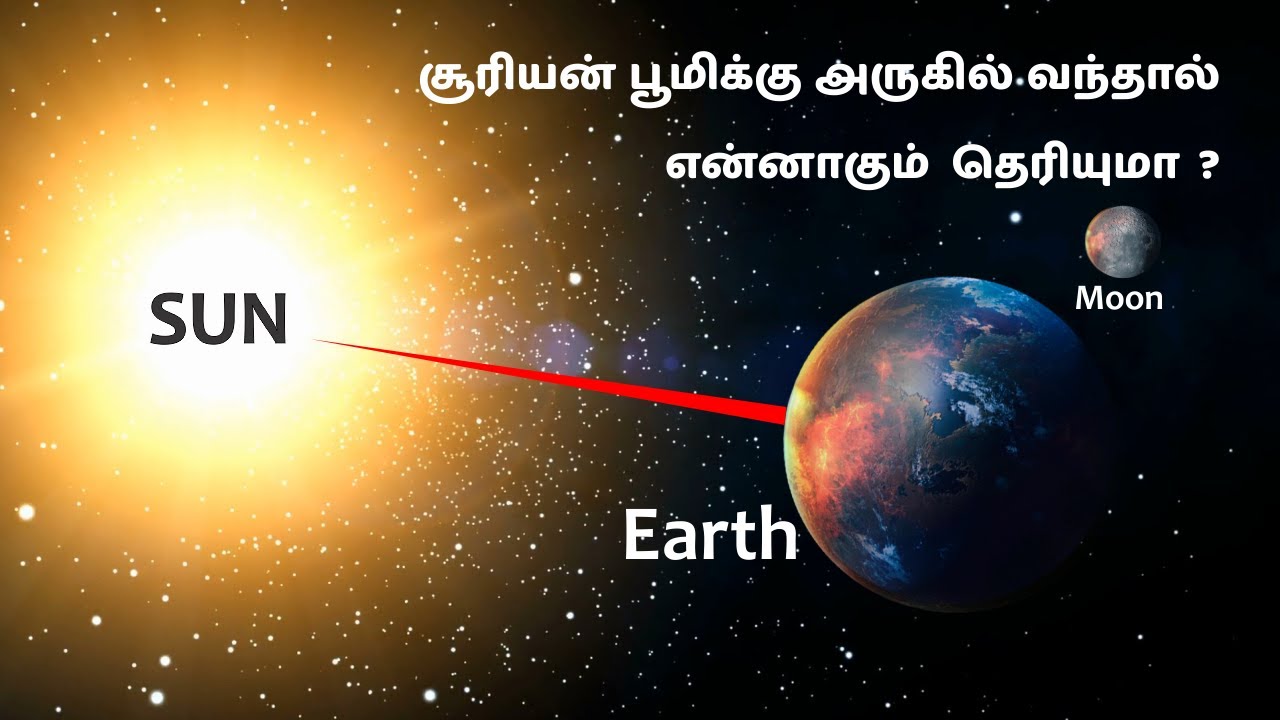
There would be enormous and maybe disastrous effects on our planet and all life on it if the Sun were to move closer to us. However, it is important to make clear that the Sun's distance from Earth is largely steady because of the balance of gravitational forces between the Sun and the planets, including Earth, before we consider the hypothetical scenario. There is almost no likelihood that such an event will occur.
Having said that, let's look at some possible effects of a closer Sun:
Temperature increases: As the Sun approaches Earth, more solar radiation will enter our globe, raising temperatures. This would cause temperatures to significantly rise, resulting in intense heat waves and a surge in the frequency of illnesses and fatalities brought on by the heat. Oceans and the surface of the Earth would warm, affecting habitats and ecosystems.
Rising Sea Levels and Melting Ice Caps: The warmer temperatures would hasten the melting of polar glaciers and ice caps, which would raise the sea level. Flooding would be a possibility in low-lying islands and coastal areas, displacing millions of people and resulting in significant ecological changes.
Global weather patterns would probably shift as a result of a closer Sun since it would probably change atmospheric circulation patterns. While some areas might experience more severe storms, others would endure protracted droughts that have an impact on agriculture and water supplies.
Many plant and animal species have evolved to survive in particular temperature ranges, which has a significant impact on biodiversity. Rapid and large temperature rises have the potential to cause widespread habitat loss and catastrophic extinctions, which would destabilise ecosystems and decrease biodiversity.
Impact on Human civilisation: A closer Sun's effects would be very detrimental to human civilisation. Food shortages, water scarcities, and energy crises would result from the climate and environmental changes, which would also pose a threat to agriculture, water resources, and energy production. To adapt to such extreme changes, significant adaptation efforts would be necessary.
Possible Orbital Changes: The Sun and Earth's gravitational fields are delicately balanced, preserving the planet's stable orbit. A large shift in this equilibrium might potentially modify Earth's orbit, creating new problems and having long-term effects on the climate and habitability of our planet.
Regards,
Vaan Veli
#solarsystem #whatif #sun #solarsystemintamil #whatifsunwasclosertoearth #whatifthesungetsclosertotheearth? #sunfacts #sunfactsintamil #whatifsunenlarge #whatifsunexpand #whatisthesunage #vaanveli #tamil #top10 #science #suntoearthdistance #sundestroyearth #thesun #space #universe #planets #astronomy #spaceexploration #whatifsuncomesclosertoearth #sunfact #thesolarsystem #sunhistory #sunvideo #earthgoingtoend #earthhistory

Hi,
If Jupiter becoming a star would have far-reaching consequences for our solar system and the Earth. The parameters required for Jupiter to become a star, however, are not viable given its current mass and composition.
Jupiter is a gas giant planet made primarily of hydrogen and helium, similar to a small star, but it lacks the mass required to begin nuclear fusion, the process that drives stars. Massive clouds of gas and dust become stars when they collapse under their own gravity and reach a crucial temperature and pressure, allowing nuclear fusion to occur in their centres.
To undergo nuclear fusion and become a star, Jupiter would need to be substantially more massive, roughly 80 times its current mass. Several consequences would result if this occurred:
Additional light and heat: If Jupiter were to become a star, it would emit light and heat in the same way that stars do. However, in comparison to our Sun, it would be faint and considerably cooler.
Changes in the solar system: The arrival of a new star in our solar system would alter its dynamics substantially. The gravitational forces between Jupiter, now a star, and the other planets, including Earth, would create orbital perturbations, potentially leading to orbital alterations and even collisions amongst celestial bodies.
Climate change: The enhanced energy output of a new star in the solar system would have an impact on Earth's climate. However, because Jupiter would still be a minor star, its impact on Earth's temperature would be minimal in comparison to the Sun.
Potential for life: The addition of another star to the solar system may offer additional energy to outer moons such as Europa and Ganymede, increasing the possibilities of life maintaining in those circumstances.
கூடுதல் ஒளி மற்றும் வெப்பம்: வியாழன் ஒரு நட்சத்திரமாக மாறினால், அது ஒரு நட்சத்திரத்தைப் போல ஒளியையும் வெப்பத்தையும் வெளியிடும். இருப்பினும், நமது சூரியனுடன் ஒப்பிடும்போது, அது ஒப்பீட்டளவில் மங்கலாகவும் மிகவும் குளிராகவும் இருக்கும்.
சூரிய குடும்பத்தில் ஏற்படும் மாற்றங்கள்: நமது சூரிய குடும்பத்தில் ஒரு புதிய நட்சத்திரம் இருப்பது அதன் இயக்கவியலை வியத்தகு முறையில் மாற்றிவிடும். வியாழன்-இப்போது-நட்சத்திரம் மற்றும் பூமி உட்பட மற்ற கிரகங்களுக்கு இடையே உள்ள ஈர்ப்பு விசைகள் சுற்றுப்பாதையில் குழப்பங்களை ஏற்படுத்தும், இது சுற்றுப்பாதையில் சாத்தியமான மாற்றங்களுக்கு வழிவகுக்கும் மற்றும் வான உடல்களுக்கு இடையே மோதல்கள் கூட சாத்தியமாகும்.
மாற்றப்பட்ட காலநிலை: சூரிய குடும்பத்தில் ஒரு புதிய நட்சத்திரத்திலிருந்து அதிகரித்த ஆற்றல் வெளியீடு பூமியின் காலநிலையை பாதிக்கும். இருப்பினும், வியாழன் இன்னும் ஒரு நட்சத்திரமாக ஒப்பீட்டளவில் சிறியதாக இருக்கும் என்பதால், சூரியனுடன் ஒப்பிடும்போது பூமியின் காலநிலையில் அதன் தாக்கம் குறைவாக இருக்கும்.
வாழ்க்கைக்கான சாத்தியம்: சூரிய குடும்பத்தில் மற்றொரு நட்சத்திரத்தைச் சேர்ப்பது, யூரோபா மற்றும் கேனிமீட் போன்ற வெளிப்புற நிலவுகளுக்கு அதிக ஆற்றலை வழங்கக்கூடும், இது அந்தச் சூழலில் உயிர்வாழ்வதற்கான வாய்ப்புகளை அதிகரிக்கும்.
Regards,
Vaan Veli
#whatif #jupiter #jupiterstar #jupiterbecameastar #whatifjupiterbecomeastar #jupiterintamil #jupiterplanet #planets #solarsystem #earth #sun #vaanveli #tamil #canjupiterbecomeastar #isjupiterafailedstar #planetjupiter #whatifjupiterbecameastar #jupiterbecomesastar #universe #jupitercouldbeasun #jupiterafailedstar #jupiterasstar #reddwarf #jupiterfacts #space #gravity #வியாழன் #viyaalan #shorts #science #solarsystemfacts #planets #jupitersize

Hi,
Chandrayaan-3 is the third lunar exploration mission by the Indian Space Research Organisation (ISRO). It is a follow-up mission to Chandrayaan-2, which was launched in July 2019. The main objective of Chandrayaan-3 is to further explore the Moon's surface and conduct scientific experiments.
Chandrayaan-3 was originally planned to be a lander-rover mission, similar to Chandrayaan-2, but with improvements based on the lessons learned from the previous mission. However, due to the technical challenges faced during the Chandrayaan-2 mission, ISRO decided to focus on a simpler and more cost-effective mission for Chandrayaan-3.
The mission is expected to include an orbiter, a lander, and a rover. The orbiter will revolve around the Moon and provide communication support between the lander-rover and Earth. The lander will attempt a soft landing on the lunar surface, and the rover will be deployed to carry out scientific experiments and collect data.
Regards,
Vaan Veli

Hi All,
The Chicxulub asteroid is a term commonly used to refer to the massive asteroid or comet impact that occurred approximately 66 million years ago. This impact is believed to be the primary cause of the Cretaceous-Paleogene (K-Pg) extinction event, which resulted in the extinction of about 75% of plant and animal species on Earth, including the dinosaurs.
The impact site is located near the town of Chicxulub in Mexico's Yucatan Peninsula. The asteroid or comet that struck Earth was estimated to be about 6 miles (10 kilometers) in diameter. The impact released an enormous amount of energy, equivalent to billions of atomic bombs, causing widespread devastation.
The impact triggered a chain of catastrophic events, including massive earthquakes, tsunamis, and wildfires. It also released an enormous amount of dust, soot, and vaporized rock into the atmosphere, blocking sunlight and causing a global cooling effect. The reduced sunlight led to a significant decrease in photosynthesis, disrupting the food chain and causing the extinction of many plant and animal species.
The Chicxulub impact left a distinct crater, which was discovered in the early 1990s through geological surveys and subsequent drilling. The crater measures approximately 93 miles (150 kilometers) in diameter and is buried beneath layers of sediment.
The study of the Chicxulub impact has provided valuable insights into the dynamics of large asteroid or comet impacts and their potential effects on Earth's ecosystems. It has also contributed to our understanding of the history of life on Earth and the mechanisms of mass extinctions.
The Chicxulub impactor, also known as the Chicxulub asteroid or the K-Pg asteroid, refers to a massive asteroid or comet that is believed to have struck the Earth approximately 66 million years ago. The impact of this asteroid is considered to be a significant event in Earth's history as it is widely associated with the mass extinction event that led to the demise of the dinosaurs and many other species.
Here are some key details about the Chicxulub impactor:
Size and Impact: The Chicxulub impactor is estimated to have been about 6 to 9 miles (10 to 15 kilometers) in diameter. When it struck the Earth, it unleashed an immense amount of energy, equivalent to billions of nuclear bombs.
Location: The impact site is located near the town of Chicxulub in the Yucatan Peninsula of modern-day Mexico. The region is known for a prominent crater, known as the Chicxulub crater, which was discovered in the early 1990s.
Extinction Event: The impact of the Chicxulub asteroid is widely believed to have caused or significantly contributed to the Cretaceous-Paleogene (K-Pg) mass extinction event. This event led to the extinction of approximately 75% of all species on Earth, including non-avian dinosaurs.
Environmental Effects: The impact generated a massive amount of heat, causing widespread wildfires and releasing enormous quantities of dust, ash, and gases into the atmosphere. This resulted in a global climate change event, with a significant drop in temperature and a reduction in sunlight reaching the Earth's surface. These changes severely disrupted ecosystems and led to the extinction of many plant and animal species.
Crater Formation: The impact created a crater that is approximately 93 miles (150 kilometers) in diameter and 12 miles (20 kilometers) in depth. Over time, geological processes and erosion have modified the original structure, but the remnants of the crater are still visible.
Discovery and Confirmation: The presence of a large impact crater in the Yucatan Peninsula was first proposed in the late 1970s. In the early 1990s, scientific drilling in the region provided evidence supporting the hypothesis that the Chicxulub impactor was responsible for the K-Pg mass extinction event.
Regards,
VaanVeli
#asteroid #chicxulubcrater #earth #chicxulub #chicxulubasteroid #chicxulubintamil #chicxulubasteroidintamil #vaanveli #tamil #whatif #asteroidcomparison #asteroidsize #asteroidintamil #craterintamil #dinosaur #dinosaurs #shorts #dinosaurus #dinosaurvideos #dinosaurvideojurassic #dinosaurextinction #chicxulubimpact #impact #thechicxulubimpactor #science #extinction #asteroidimpact #dinosaursintamil #chicxulubimpactsimulation #asteroidhitearth #solarsystem #asteroidbelt #gk #animals #dino

Hi,
Apophis is an asteroid that gained attention due to initial calculations that suggested a small possibility of it colliding with Earth in the future. Let me provide you with some information about Apophis:
Discovery: Apophis, also known as 99942 Apophis, was discovered on June 19, 2004, by astronomers Roy A. Tucker, David J. Tholen, and Fabrizio Bernardi at the Kitt Peak National Observatory in Arizona, United States.
Size and Composition: Apophis is a near-Earth asteroid with a diameter of approximately 370 meters (1,210 feet). It is classified as a potentially hazardous asteroid (PHA) due to its proximity to Earth and its size.
Close Approach in 2029: The most significant event associated with Apophis is its close approach to Earth on April 13, 2029. At its closest point, Apophis will pass within about 31,000 kilometers (19,000 miles) of Earth's surface, which is closer than the orbit of some satellites. This will be the closest approach of an asteroid of this size on record.
Impact Risk: Initial observations and calculations led to some concern about a potential impact by Apophis in 2029 or subsequent flybys. However, further refined observations and analysis have ruled out any possibility of an impact in 2029. The chances of Apophis colliding with Earth in subsequent close approaches through the year 2100 have been estimated to be extremely low (less than 1 in 100,000).
Scientific Interest: Apophis remains of great scientific interest due to its close approach and potential for studying near-Earth asteroids. Scientists can use radar and other instruments to gather valuable data about its composition, structure, and orbit during the close encounter in 2029.
Mitigation Efforts: Although the risk of impact is extremely low, studying Apophis has led to increased efforts in developing asteroid detection and mitigation techniques. Organizations like NASA and other international space agencies actively monitor and study near-Earth asteroids to refine our understanding of their trajectories and potential risks.
Regards,
Vaan Veli
#asteroid #asteroidhittingearth #nasa #asteroidimpact #asteroidcollision #apophis #apophisasteroid #asteroidapophis2029 #asteroidapophis #apophis2029 #apophisegyptiangod #whatifapophishitsus #willapophishitus #willasteroidapophishitearthin2029 #whatwouldhappenifasteroidapophishitearth #howbigisasteroidapophis #99942apophis #whatifasteroidhitearth #earth #2029 #universe #vaanveli #tamil #whatif #apophisasteroidintamil #apophistamil #gk
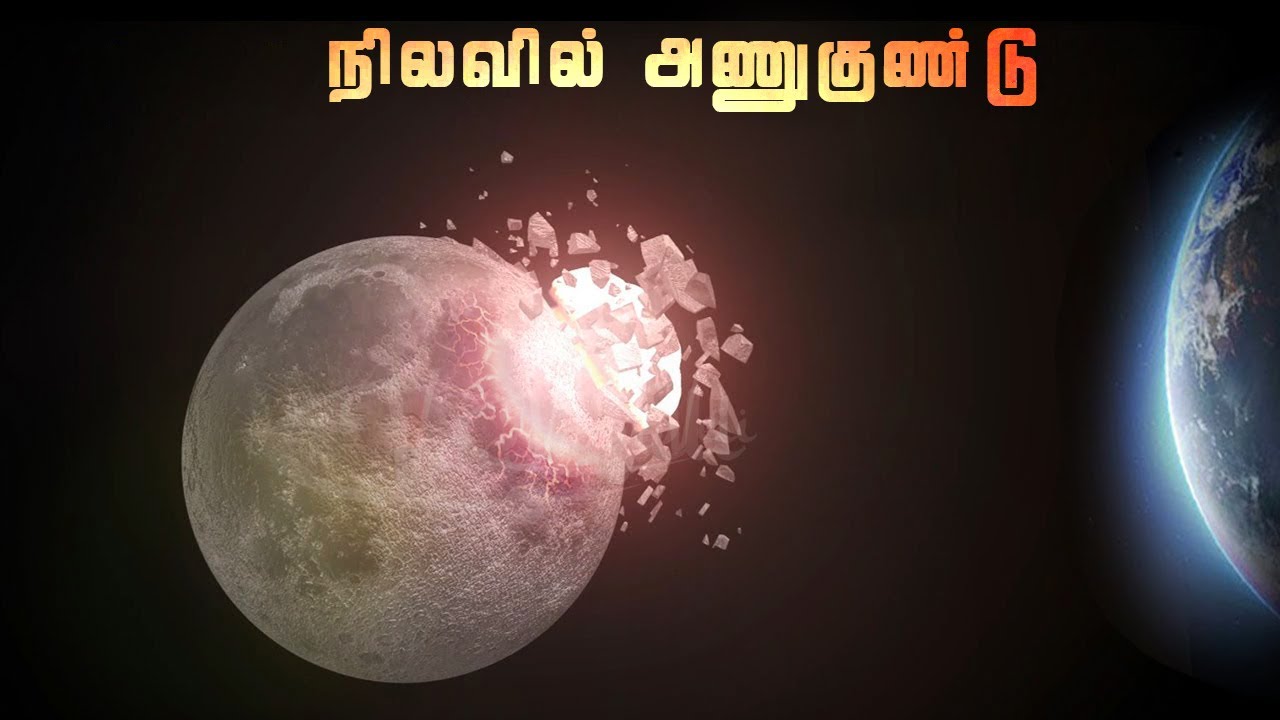
What if we nuke the moon ?
Nuking the moon would have significant and far-reaching consequences, both for the moon itself and for Earth. However, it's important to note that such an action would be highly unethical, potentially illegal, and would likely face strong international condemnation. Nonetheless, let's explore the hypothetical scenario and its potential implications.
Moon's Surface: Detonating a nuclear bomb on the moon would create an enormous explosion and release a tremendous amount of energy. The immediate impact would be the vaporization and destruction of a large portion of the moon's surface, leading to a crater and potentially ejecting debris into space.
Lunar Environment: The moon has no atmosphere to disperse or dampen the effects of the explosion. As a result, the shockwave and radiation from the nuclear blast would propagate freely across the lunar surface. This could significantly alter the moon's geology, cause seismic activity, and potentially destabilize its structure.
Earth's View: If a nuclear explosion occurred on the moon, it would likely be visible from Earth. The brightness and size of the explosion would depend on the magnitude of the bomb used, but it could potentially be seen with the naked eye. This event would be a spectacle, but also a cause for concern and potential panic among people on Earth.
Debris and Impact: The explosion would create a cloud of debris consisting of moon rock, dust, and radioactive particles. Some of this debris could potentially be ejected towards Earth, posing a risk to satellites, space missions, and even to the planet's atmosphere if a significant amount were to re-enter.
Scientific and Astronomical Impacts: The moon is a valuable object of scientific study and exploration. Destroying or significantly altering it would hinder our ability to gather knowledge about its geological history, impact cratering, and lunar evolution. Additionally, the moon's gravitational influence on Earth helps stabilize our planet's rotation and tides. Altering its mass and structure could have unpredictable effects on Earth's stability.
International and Legal Consequences: The Outer Space Treaty, ratified by many nations, prohibits the placement of nuclear weapons or any other weapons of mass destruction in space. Detonating a nuclear bomb on the moon would likely violate this treaty, resulting in severe diplomatic repercussions and potential legal action against the responsible party.
It's crucial to emphasize that these potential consequences are speculative since no one has ever attempted such an action. However, the overall implications would likely be significant, negative, and extend far beyond the immediate effects on the moon.
Regards,
VaanVeli.
Santhosh
Follows on Facebook : https://www.facebook.com/vaanveli1
Follows on Instagram : https://www.instagram.com/vaan_veli
#nuke #whatif #nuclearbomb #moon #nukemoon #whatifnukethemoon #whathappensifwenukethemoon #couldnukingthemoonbetheendofus #thedarksideofnukingthemoon #nukingthemoon #tzarbomba #zarbomba #worldslargestnuclearbomb #nuclearattack #nuclearvideo #moonvideo #moonvsnuclear #nuclearmoon #moonfall #moonblast #mooncollision #blast #earth #vaanveli #vaanveli #shorts #whatifwenukethemoonintamil #tamil #nucleartamil #moontamil #gk #chandrayaan3

Hi Everyone,
Top 10 Nuclear Bomb Comparison
All nuclear blast refers to the explosive release of energy caused by a nuclear weapon, commonly known as a nuclear bomb. It occurs when the nucleus of an atom, typically uranium or plutonium, is split through a process called nuclear fission. This splitting releases an enormous amount of energy in the form of an explosion.
In a nuclear blast, the energy is released rapidly, resulting in a powerful shockwave, intense heat, and a highly destructive blast radius. The explosion produces a brilliant flash of light, a mushroom-shaped cloud, and emits various forms of radiation, including thermal radiation, blast radiation, and ionizing radiation.
The destructive power of a nuclear blast depends on several factors, such as the size and type of the weapon, the altitude of the detonation, and the surrounding environment. The effects of a nuclear blast can include widespread devastation, immediate casualties from the blast, heat, and radiation, as well as long-term effects from radioactive fallout. It's important to note that the use of nuclear weapons is highly regulated and subject to international treaties and agreements due to their catastrophic potential.
Top 10 Nuke :
1. MK-14nuclearbomb
2. MK-16nuclearbomb
3. B53nuclear
4. Mk-36nuclearbomb
5. ivymikenuclearbomb
6. Mk-24bomb
7. Mk-17nuclearbomb
8. castlebravonuclear
9. B41nuclearbomb
10. RDS-220
Regards,
Vaan Veli
#nuclearbomb #nuclear #nuclearweapons #atomicbomb #top10nucelarbombintamil #worldlargestnuclerbomb #tzarbomba #nuclearbombaintamil #nuclearbombcomparison #nuclearcomparison #nuclearbombfactsintamil #அணுகுண்டு #largestnuclearbombintheworld #vaanveli #tamil #gk #top10 #whatif #mk-14nuclearbomb #mk-16nuclearbomb #b53nuclear #mk-36nuclearbomb #ivymikenuclearbomb #mk-24bomb #mk-17nuclearbomb #castlebravonuclear #b41nuclearbomb #rds-220 #nucleartamil #earth #tzarbomba #tzar #zarbomba #nuke
Hi,
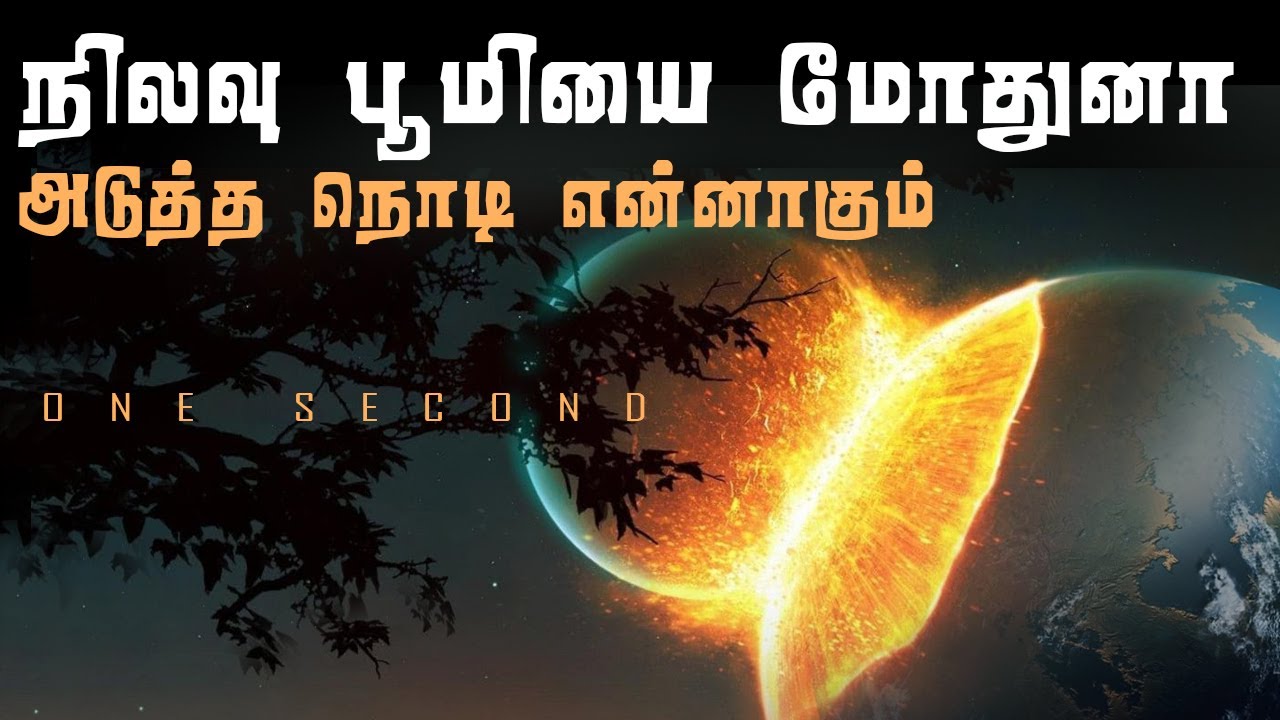
நிலவு பூமியை தாக்கினால் என்னாகும் ? What if Moon Hit us, Moon collide with the Earth
If the Moon were to collide with the Earth, it would have catastrophic consequences for both celestial bodies and life as we know it. Here's an overview of what could happen:
Massive Impact: The collision between the Moon and Earth would release an enormous amount of energy, equivalent to billions of atomic bombs. The impact would vaporize the Moon and cause widespread destruction on Earth.
Global Firestorms: The energy released from the impact would generate intense heat, triggering global firestorms. The Earth's surface would be engulfed in flames, leading to widespread wildfires that could consume entire continents.
Atmospheric Disruption: The impact would also result in a massive release of dust, debris, and molten rock into the atmosphere. This would block sunlight and cause a significant reduction in global temperatures, leading to a phenomenon similar to a nuclear winter.
Tsunamis: The collision would generate colossal tsunamis that would sweep across the oceans, reaching coastal areas and causing devastation. Entire coastal cities would be wiped out, and inland regions might also experience flooding due to the displacement of water.
Extinction-Level Event: The combined effects of the impact, firestorms, atmospheric disruption, and tsunamis would likely result in a global extinction event. The catastrophic changes to the environment would make it extremely difficult for most life forms to survive.
Regards,
VaanVeli
Santhosh
#moon #nasa #moonimpact #mooncollidewithearth #mooncollision #moonhit #moonhitus #moonhitearth #moondestroyed #moondestroyearth #whatif #whatifmoonhitus #whatifmoondestroyed #moongravity #earth #universe #earthcollision #earthandmoon #spacevideo #collisionearth #collisionmoon #tamil #mooncollisionintamil #moontamil #moonhitusintamil #tsunami #earthquake #whatwillhappenifmoonhitus #nilavu #moonfacts #moonfactsintamil #gk #lunar #vaanveli #whatifmoonhitus #nilavu #nilavuboomiyaithaakinal

Are you curious about the hottest planet than a star? Then this video is for you!
Kelt 9b is a hot planet that is much hotter than our own planet Earth. In this video, we'll explore this fascinating planet and its extreme heat. This video is a great way to learn more about the universe and the extremes that exist beyond our own planet!
What Planet is Hotter than a Star?
Regards,
VaanVeli
#kelt9bnasa #kelt9bplanet #kelt9btemperature #kelt9b #kelt9b #hottestplanet #exoplanetas #kelt-9b #kelt9bsize #planetkelt9b #kelt-9 #kelt9 #whatisthehottestplanet #hottestexoplanet #hotjupiter #hottestplanetintheuniverse #exoplanets #planethotterthanstar #kelt #hotjupiterplanet #hottestplanets #kelt9star #planets #exoplanetsounds #exoplanethotterthanastar #vaanveli #tamil #kelt9btamil #whatif #kelt9bintamil #kelt9b #kelt9 #star #youtube

What if the moon disappeared? Would we know what was going on in the world? In this video, we'll explore this question and more.
We'll look at the history of the moon, how it's related to our planet, and how it might be disappearing. We'll also share some theories on what might happen if the moon disappeared. Finally, we'll ask the question: If the moon disappeared, what would happen to our planet? Go ahead and check out the video to find out!
Regards,
Vaan Veli
நிலவு இல்லாத பூமி என்ன ஆகும் தெரியுமா ?
#whatifmoondisappeared #whatif #earth #moon #whatifthemoondisappeared #whatifmoondisappears #earthandmoon #moonfacts #moonfactsintamil #whatifmoondisappearintamil #moontamil #nilavu #moonhistory #historyofthemoon #moonage #moonbrightness #moondistancefromearth #earthvsmoon #space #science #solarsystem #mars #darksideofthemoon #themoon #theuniverse #earthandmoon #whatiftherewasnomoon #moondisappeared #vaanveli #vaanveli #tamil #nila
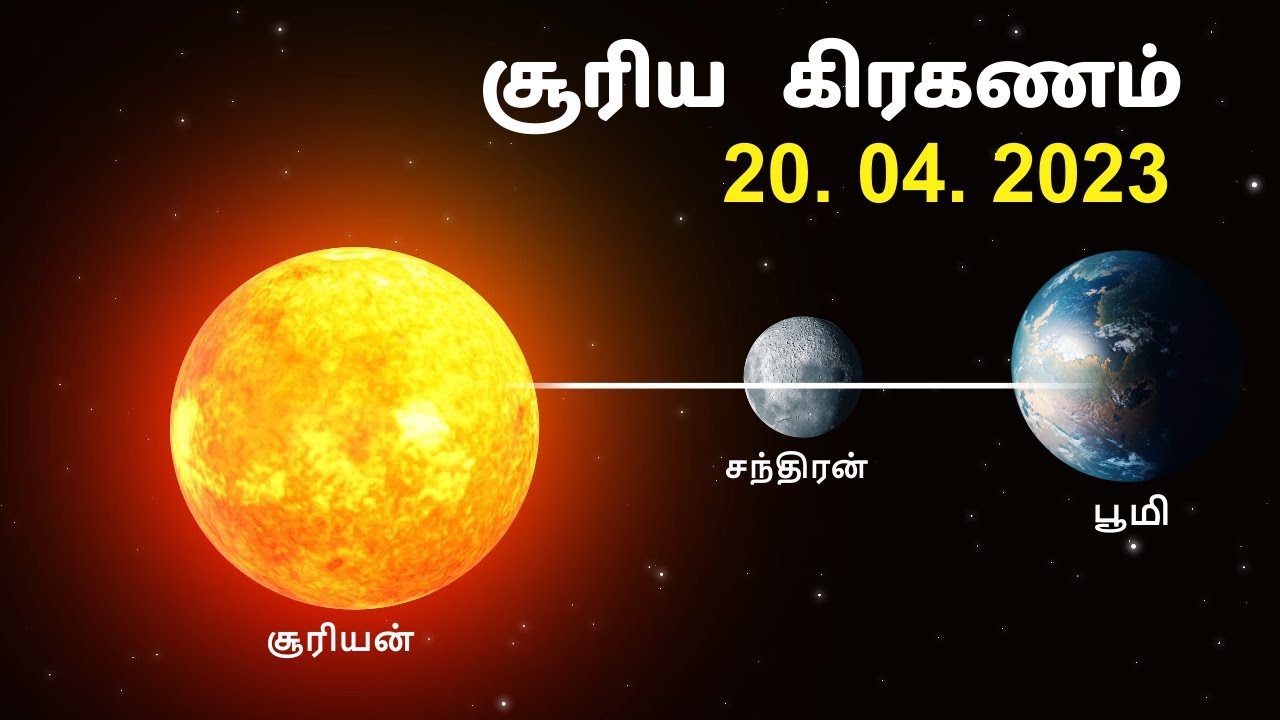
What is Solar Eclipse ?
In this video, we will answer what is Solar Eclipse in 2023. We will describe its path across the Earth, and explain why it is so important.
In this video, we'll explain what a Solar Eclipse is in 2023. We will describe its journey across the globe and explain why it is so significant.
If you're wondering what the Solar Eclipse will look like in the United States this year, watch this video! We'll explain the different stages of the Solar Eclipse and provide you advice on how to observe it safely! After seeing this film, you'll be ready to witness one of nature's most stunning phenomena!
If you're curious what Solar Eclipse then this video is for you! We'll explain what the different stages of the Solar Eclipse will look like, and give you tips on how to watch it safely! After watching this video, you'll be ready to experience one of the most amazing things nature has to offer!
Regards,
Vaan Veli
வாழ்க தமிழ்
#eclipse #grahan #chandragrahan #lunareclipse #fullmoon #moon #vaanveli #tamil #whatif #gk #suryagrahan20april2023intamil #suryagrahan2023intamilnadu #suryagrahan2023intamil #suryagrahan2023inindiadateandtimeintamil #solareclipse2023intamil #solareclipse2023intamilnadu #solareclipseapril2023intamil #april202023solareclipsetamil #20april2023suryagrahantamil #suriyakiraganamtamil2023 #suriyakiraganam2023dateandtimeintamil #suriyakiraganam2023intamil #சூரியகிரகணம்2023சூரியகிரகணம்2023எப்போது #சூரியகிரகணம் #suryagrahan20april2023intamil #suryagrahan2023inindiasolareclipse2023tamil #aprilsuryagrahantime #suryagrahan20april2023 #suryagrahan2023 #suriyakiraganam2023 #suriyakiraganamapril2023intamil #suryakiraganamintamil #suryagrahan2023datesandtimeinindiaintamil #solareclipse2023intamil #solareclipseapril2023 #சூரியகிரஹணம்2023 #சூரியகிரகணம்2023எப்போது #சூரியகிரகணம்2023நேரம் #solareclipse #solareclipse2023 #solareclipselive #solareclips

In this video, I'm going to show you the size and impact information about Asteroids in 3D that have fallen on our planet earth. I'll show you how to compare the size of different asteroids and how deadly they can be when they fall to Earth. This information can help you understanding the potential damage an asteroid could cause if it were to hit Earth.
This video is a great tool for learning about the dangers of asteroid collisions, and helping you to understand the impact that they can have on our planet. I'll also share with you some useful information about how to keep yourself and your family safe from potentially deadly asteroid falls!
நம் பூமியில் விழுந்த விண் கர்களின் அளவும் அதன் தாக்கம் பற்றிய தகவல்களை உங்களுக்கு 3D இல் காட்டியுளேன், வீடியோ பார்த்து மகிழுங்கள். உங்களின் ஆதரவுக்கு மிக்க நன்றி.
Regards,
Vaan Veli
#asteroid #meteor #sizecomparison #comparison #asteroidcomparison #asteroidsizecomparison #asteroidssizecomparison #size #sizecomparisonofasteroids #asteroidsize #cratersizecomparison #meteorsizecomparison #largestasteroidcomparison #3dcomparison #3dsizecomparison #comparisonvideo #chelyabinskmeteor #tunguska #bennu #ryugu #shoemaker #encke #popigaicrater #chicxulub #halleyscomet #1036ganymed #comethalebopp #vaanveli #gk #tamil #cretaceous #earthextinction #top10 #vaanveli #vaan_veli #science #bennuasteroid #asteroidbennu #asteroidsample #bennuasteroidsample #asteroidsamplebennu #nasaasteroidproject
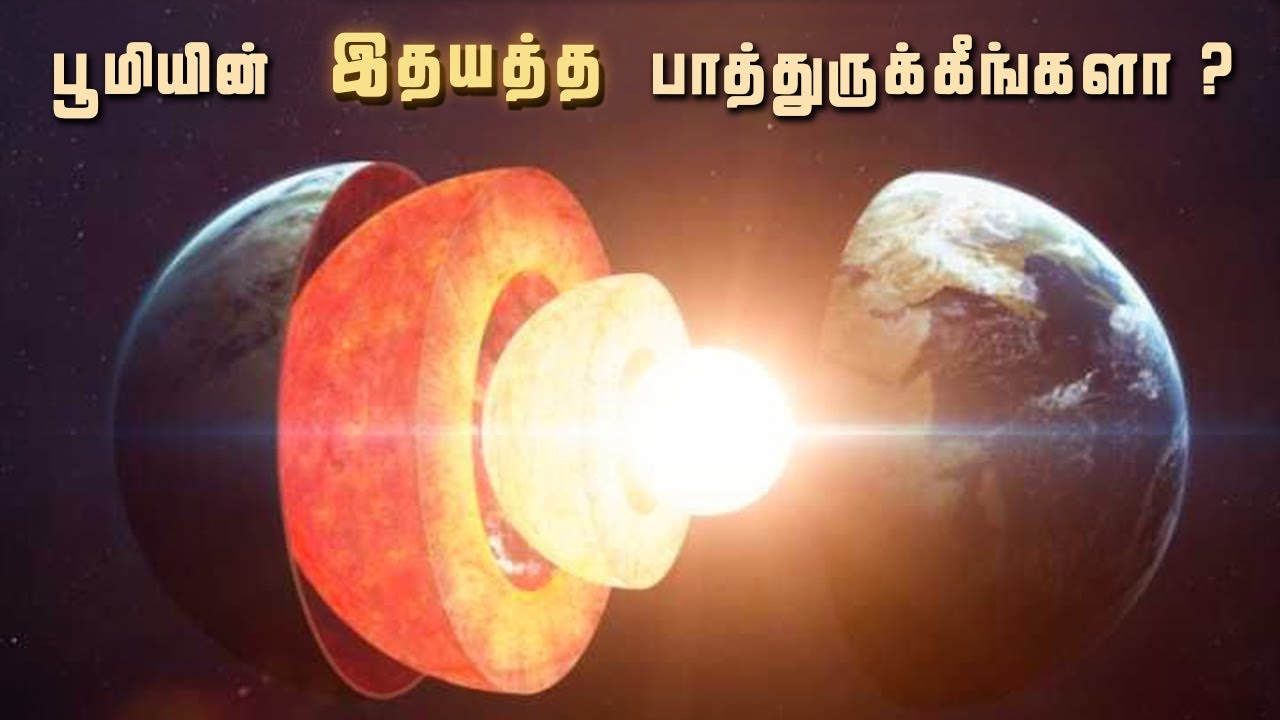
Hi,
In this video, we'll be revealing some shocking facts about the Earth's core! From the mantle, to the crust, to the inner and outer cores, we'll be exploring all the fascinating details about this fascinating part of our planet.
If you're curious about the Earth's core, then this video is for you! We'll be revealing all the fascinating details about this fascinating part of our planet, from the mantle to the crust to the inner and outer cores. So be sure to watch and learn all about the Earth's core!
Regards,
VaanVeli
#magma #crustle #mantle #core #earthcore #vaanveli #earthcrust #earthnews #earthfacts #earthcorerotationnews #corestopspinning #earthinnercore #earthrotationandrevolution #theearthcore #innercore #corespinning #earthcorereversing #corestopspin #earthsinnercore #earthmantle #earthcorerotation #earthscorespinninginreversedirection #earthcorespinning #earthcoreintamil #earthfactsintamil #tamil #outercore #crusttamil #mantletamil #gk

In this video, we're going to reveal some unbelievable secrets about Pluto. From its size to its atmosphere, we're going to go over everything you need to know about this fascinating planet!
Don't believe the myths about Pluto, learn the truth about this unusual planet in this amazing video! From its size to its atmosphere, we're going to reveal all of the unbelievable secrets about Pluto! Thanks for watching!
Regards,
VaanVeli
Santhosh
#pluto #solarsystem #nasa #plutoplanet #nasapluto #facts #space #science #universe #planet #galaxy #planets #orbit #dwarfplanet #pluto'sheart #plutoice #moonpluto #plutodwarfplanet #plutoplanetintamil #whatif #vaanveli #plutotamil #planetsintamil #solarsystemplanetsintamil #vaanveli #tamil #isplutoaplanet #photoofpluto2022 #latestphotosofpluto #plutoisaplanet #nasarevealspluto #amazingfactsaboutpluto #plutofacts #plutofactsintamil

Hi Everyone,
In this video, we'll explore what happens in just one second in the universe. From the big bang to the death of a star, we'll explore everything that happens in just one second!
Did you know that in just one second, the Earth orbits around the sun, the stars shine, and everything inside and outside of our planet is constantly moving? In this video, we'll take a look at some of the most important things that happen in just one second, and explore how they shapes our world today and into the future.
If you're curious about how the universe works, then this video is for you. We'll take a look at all the important moments in the history of the universe, and find out what happened in just one second!
Regards,
Vaan Veli

In this video, we'll be making the Dwarf Planet Makemake! If you're interested in science, space exploration, or just want to learn something new, then make sure to watch!
This dwarf planet is a member of a group of objects that orbit of Neptune called the Kuiper Belt. If you're interested in science, space exploration, or just want to learn something new, then make sure to watch this video! In addition to learning about Dwarf Planet Makemake, This distant realm is populated with thousands of miniature icy worlds, which formed early in the history of our solar system about 4.5 billion years ago. you'll also get to see how to make a simple telescope out of a piece of paper and some acetate.
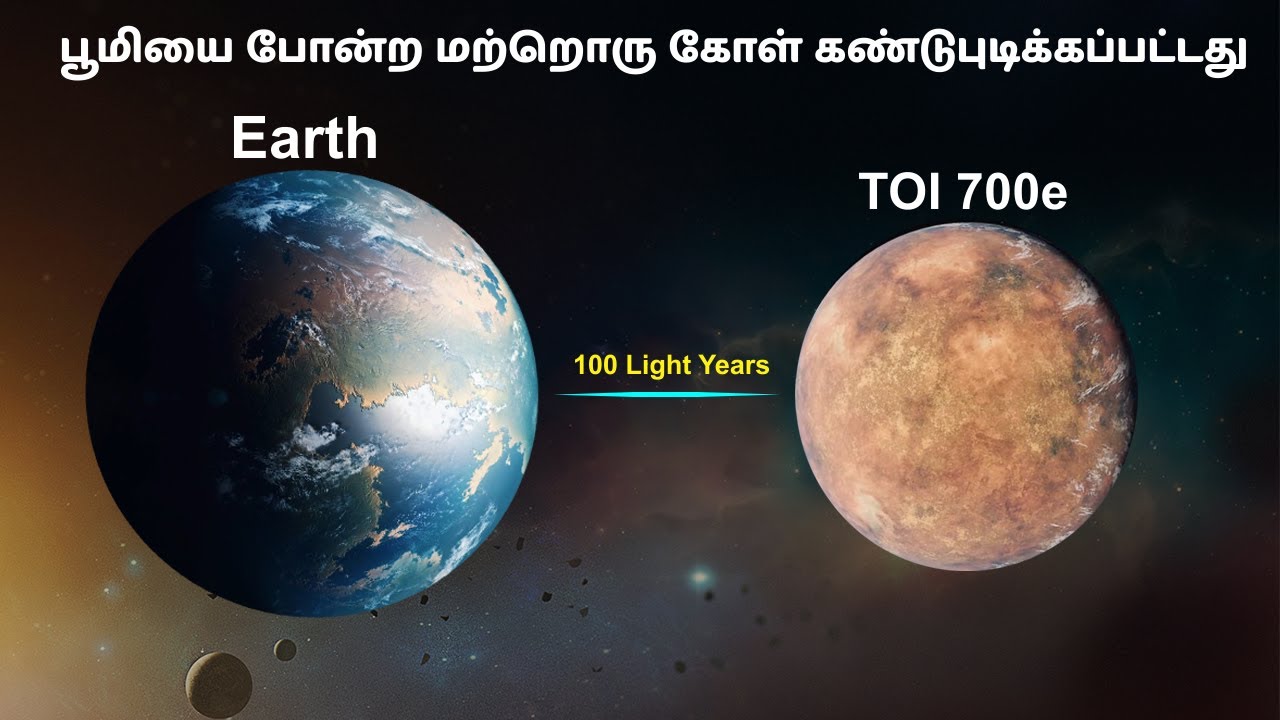
TOI 700 e is the latest planetary discovery in this solar system. In 2020, three other planets were also found orbiting the star TOI 700. Named TOI 700 b, TOI 700 c and TOI 700 d, they too are believed to orbit within the so-called optimistic habitable zone.
TOI 700 is a red dwarf 101.4 light-years away from Earth located in the Dorado constellation that hosts TOI 700 d, the first Earth-sized exoplanet in the habitable zone discovered by the Transiting Exoplanet Survey Satellite.
TOI-700 d is a super Earth exoplanet that orbits an M-type star. Its mass is 1.25 Earths, it takes 37.4 days to complete one orbit of its star, and is 0.1633 AU from its star. Its discovery was announced in 2020.
Regards,
Vaan Veli
#nasa #earth #superearths #space #whatif #science #planets #planets #universe #exoplanets #habitableplanets #earthlikeplanets #superearth2.0 #superearthtamil #superearthplanettamil #exoplanettamil #howmanyexoplanetsarethere #habitablezone #tamil #vaanveli #gk #earth2.0 #betterthanearth #earthtamil #newearth #earth2 #intamil #toi700e #toi-700e #toi700 #toi700esuperearth #toi700eplanet #toi700star #toi700eintamil #toi700esize #toi #vaanveli

Hi Everyone,
What If We Nuke a Volcano ? எரிமலைக்குள் NUCLEAR BOMB வீசினால் என்ன நடக்கும் ?
Are you curious to see what would happen if we nuked a volcano? In this video, we'll see the effects of a hypothetical nuke detonation on a volcano.
This video is a educational tool to help you understand the dangerous consequences of nuking a volcano. By watching, you'll learn about the science behind volcanoes, and the risks associated with detonating a nuclear bomb near one.
Watch this video and find out! This is a fascinating look at the effects of nuking a volcano, and it's definitely worth watching if you're curious about the consequences of human activity on the environment.
it's important to study it to understand how volcanoes work.
don't miss out – watch the video now!
Regards,
Vaan Veli
#whatif #volcano #whathappensif #whatifwenukeavolcano #nukeavolcano #nuclear #nuclearbomb #nuclearbombvideo #volcanoblast #volcanoexplosion #largestvolcano #activevolcano #nukevsvolcano #nuclearbombvsvolcano #volcanovsnuclearcomparison #canwenukeavolcano #whatwillhappenifwenukeavolcano #volcanovsnucleartamil #nucleartamil #volcanotamil #whatifwenukeavolcanointamil #vaanveli #gk #tamil #science #nasa #எரிமலைக்குள்அணுகுண்டுவீசினால்
