最新の動画

ஆண்களை உணவுக்காகவும் பெண்களை இனப்பெருக்கத்துக்காகவும் வைத்திருந்த Neanderthal இனம் பற்றி தெரிந்துகொள்ளுங்கள், நம் முன்னோர்கள் சுமார் 800000 வருடங்கள் இவர்களிடம் இருந்து போராடி இயற்கையின் உதவியாலும் தங்கள் அதிர்ஷ்டத்தினாலும் இவர்களை வென்று வாழ்ந்தார்கள், இவர்கள் இல்லையென்றால் நாம் இன்று இல்லை என்பதை உணரவேண்டும் ...
1. Physical Characteristics:
Robust Build: Neanderthals had a stocky, muscular build, which helped them survive in cold climates.
Large Brow Ridges: Their skulls were characterized by a large brow ridge and a receding forehead.
Broad Nose: Their noses were larger and broader, which may have helped warm and humidify cold air.
Brain Size: Neanderthals had a brain size comparable to or even slightly larger than modern humans.
2. Tools and Technology:
Neanderthals were skilled toolmakers, using a technology known as Mousterian tools. These tools were more advanced than those of earlier hominids, and they included stone flakes and hand axes.
Evidence shows that they used fire, made clothing from animal hides, and may have constructed simple shelters.
3. Culture and Behavior:
Burial Practices: Neanderthals likely practiced some form of burial, suggesting they had a concept of death and possibly spiritual beliefs.
Art and Symbolism: Evidence of symbolic behavior, such as the use of ochre and possible jewelry, has been found in Neanderthal sites.
Diet: Their diet was diverse, including large herbivores, plants, and possibly seafood in coastal areas.
4. Interactions with Modern Humans:
Neanderthals coexisted with Homo sapiens (modern humans) for thousands of years and interbred with them. About 1-4% of the DNA of people outside of Africa today is of Neanderthal origin.
The exact reasons for their extinction are still debated, with theories including competition with modern humans, climate change, or disease.
5. Evolutionary Significance:
Neanderthals are a critical part of the human evolutionary story, providing insights into how different human species adapted to various environments and challenges.
Their existence challenges the once-popular idea that modern humans are the sole "intelligent" human species.
#neanderthals
#prehistorichumans
#evolution
#archaichumans
#humanancestors
#paleolithic
#ancienthistory
#stoneagetools
#hominids
#neanderthalculture
#humanorigins
#evolutionarybiology
#neanderthalextinction
#prehistoriclife
#neanderthalmonsters
neanderthals in tamil
Who were the Neanderthals
Neanderthals vs humans in tamil
Neanderthal extinction in tamil
Neanderthal DNA in tamil
Neanderthal facts in tamil
Neanderthal vs Homo sapiens in tamil
Neanderthal evolution in tamil
Neanderthal tools in tamil
Neanderthal life in tamil
Neanderthal history in tamil
Neanderthal behavior in tamil
Neanderthals and humans mating in tamil
Neanderthal culture in tamil
Neanderthal adaptation in tamil
மனிதர்களை கதறவிட்ட Neanderthal Monsters
Regards,
Vaan Veli
Santhosh
Follows on Facebook : https://www.facebook.com/vaanveli1
Follows on Instagram : https://www.instagram.com/vaan_veli
Disclaimer:
This channel does not offer financial advice. All information on this channel is offered solely for educational and informational reasons.

#marianastrench #mysteryofmariana #marianafacts
thank you so much for watching! 🙏
We truly appreciate your support and for taking the time to watch this video. This isn’t just a video it’s the result of countless hours of hard work, dedication, and passion. We give our heart and soul into making this, and your views mean the world to us.
Subscribe to our channel, "Vaan Veli" for more entertaining and educational videos about Tamil stories, history, and culture. Don’t forget to click the bell button to stay updated with our latest videos.
Thank you for spending your valuable time with us. Stay tuned for more exciting content! 🙌
Please like, comment, and share if you enjoyed this video—it really helps us continue creating!
About Video:
1. Depth and Darkness
The immense depth of the trench means that sunlight cannot penetrate, making it perpetually dark. Temperatures are freezing, and the water pressure is over 1,000 times greater than at sea level, creating a harsh environment that is extremely difficult for humans to explore.
2. Alien-like Creatures
The extreme conditions have led to the discovery of bizarre and alien-like creatures. Organisms like the anglerfish, snailfish, and giant amoeba have adapted to survive under these pressures. New species are still being discovered, making the trench a hotspot for studying life in extreme environments.
3. Unknown Ecosystem
Scientists believe that only a fraction of the trench's ecosystem has been explored. The discovery of hydrothermal vents, where life thrives without sunlight by using chemicals like hydrogen sulfide, shows that the trench may hold unique ecosystems entirely different from those on the Earth's surface.
4. Geological Activity
The trench is located near the subduction zone where two tectonic plates meet, and it’s an area of intense geological activity, including earthquakes and volcanic eruptions. Some believe that studying the trench might offer clues about seismic activity and help predict earthquakes or tsunamis.
5. Unexplained Sounds
In 2016, scientists recorded an eerie sound from the Mariana Trench, described as a mysterious metallic "twang." Though some suggest it could be from a new species of whale or underwater geological activity, the origin remains uncertain.
6. Megalodon Theories
Some myths and conspiracy theories suggest that ancient creatures, such as the megalodon (a giant prehistoric shark), might still be lurking in the trench, although no evidence supports this claim. This idea is popular in fiction and adds to the trench's mystique.
மனிதன் நெருங்க முடியாத ஒரே இடம் மரியானா ஆழ்கடல் | Mariana Trench facts in tamil
Regards,
Vaan Veli
Santhosh
Follows on Facebook : https://www.facebook.com/vaanveli1
Follows on Instagram : https://www.instagram.com/vaan_veli
Mariana Trench in tamil
Mariana Trench mystery
Mariana Trench depth in tamil
Mariana Trench creatures
Deep sea exploration in tamil
Challenger Deep
Mariana Trench animals
Mariana Trench facts in tamil
Mariana Trench documentary
Life in Mariana Trench
Mariana Trench unexplained
Mariana Trench monsters
Deep ocean
Deep sea creatures
Ocean mysteries
Mariana Trench expedition
What's at the bottom of the Mariana Trench
Deepest point on Earth
Underwater exploration
Mariana Trench secrets in tamil
#marianatrench
#deepseaexploration
#underwaterworld
#deepestocean
#unexploredwaters
#oceanlegends
#tamilseamyths
#mysteryoftheseas
#deepsea
#oceanexploration
#marinelife
#deepseadiving
#oceandepths
#challengerdeep
#underwaterexploration
#seaexploration
#deepocean
#oceanmysteries
#earthsdeepestpoint
#seacreatures
#undiscoveredocean
#oceandiscovery
#மெரியானாபள்ளத்தாக்கு
#space
#universe
#earth
#earthfacts
Disclaimer:
This channel does not offer financial advice. All information on this channel is offered solely for educational and informational reasons.

மனிதனின் முதல் வீடு - Homo erectus | History of Human | Prehistoric humans | Early Humans | VaanVeli
#homoerectus #historyofhuman #vaanveli
Stoneage Human: https://youtu.be/k8910CQVJ3E
First Human Evolution: https://youtu.be/qzQF9xEDo4E
Earth History: https://youtu.be/-CkfOgDy7qI
Evolution of dinosaurs: https://youtu.be/ZfWVOFLnh-c
பூமியை ஆண்ட ராட்சத பூச்சிகள்: https://youtu.be/GQqMz3epdsg
பாம்புகளின் அரசன் Titanoboa: https://youtu.be/52BTYaITaVo
மனிதனின் கடைசி நொடிகளும் மனிதன் இல்லாத பூமியும்: https://youtu.be/AI8ZHdXIKW0
செத்து பொழச்ச பூமி JUST MISS: https://youtu.be/0tD-C4ntMTo
டயனோசர் முடிவுக்கு காரணம் இது தான்: https://youtu.be/VhJKADUhKgA
பூமி மற்றும் மனிதன் உருவான வரலாறு: https://youtu.be/L1H9F_jVki0
Homo erectus lived between 1.9 million and 110,000 years ago, making it one of the longest-surviving human species.
Homo erectus was the first known species to employ complex stone tools, such as the hand axe, which is part of the Acheulean tool history. These tools were more sophisticated than those employed by their ancestors.
Control of Fire: They are thought to have been the first hominins to control and use fire for cooking, protection, and warmth, marking a key stride forward in human evolution.
Homo erectus was the first human species to migrate from Africa. They expanded over Asia (China, Indonesia) and Europe.
Homo erectus likely originated in Africa, as evidenced by the discovery of fossils there. Notably, the Turkana Boy fossil was discovered in East Africa (Kenya).
African Savannah: Homo erectus most likely evolved in savanna habitats in Africa, which were a combination of grasslands and woods, allowing access to a variety of food supplies including game animals and plants.
Homo erectus originated in Africa and gradually expanded to other regions such as Asia (Java, China) and parts of Europe.
Regards,
Vaan Veli
Santhosh
Follows on Facebook : https://www.facebook.com/vaanveli1
Follows on Instagram : https://www.instagram.com/vaan_veli
#humanhistory
#homoerectus
#humanevolution
#ancienthumans
#PrehistoricHumans
#EvolutionOfMan
#archaeology
#fossilfinds
#anthropology
#earlyhumans
#Hominids
#historyofhuman
#மனிதனின்முதல்வீடு
#history
#earthhistory
#hominids
#historyfacts
Homo erectus documentary in Tamil
Homo erectus facts in Tamil
Homo erectus evolution in Tamil
Homo erectus discovery in Tamil
Homo erectus history in Tamil
Homo erectus vs Homo sapiens in Tamil
Homo erectus fossils in Tamil
Homo erectus timeline in Tamil
Early human evolution in Tamil
Homo erectus tools and technology in Tamil
Ancient humans Homo erectus in Tamil
Homo erectus characteristics in Tamil
Homo erectus migration in Tamil
Homo erectus skull in Tamil
Homo erectus and fire in Tamil
History of homo erectus in tamil
Prehistoric human in tamil
Homo erectus documentary
Homo erectus facts
Homo erectus vs Homo sapiens
Homo erectus tools
Homo erectus evolution
Homo erectus lifestyle
Homo erectus migration
Homo erectus discoveries
Homo erectus fire use
Homo erectus skull
History of human evolution
History of human civilization
History of human migration
History of human species
History of human ancestors
History of human development
History of human society
First human house
First human shelter
First human civilization
First human settlement
First human tools
First human art
First human society
First human city
First human language
First human fire use
Stone Age tools
Stone Age documentary
Stone Age facts
Stone Age humans
Stone Age art
Stone Age technology
Stone Age lifestyle
Stone Age clothing
Stone Age food
Stone Age architecture
Bronze Age civilizations
Bronze Age tools
Bronze Age documentary
Bronze Age facts
Bronze Age weapons
Iron Age tools
Iron Age documentary
Iron Age facts
Iron Age weapons
Iron Age civilizations
Iron Age art
Iron Age technology
Iron Age trade
Iron Age architecture
Iron Age culture
Human history timeline
Human history documentary
Human history facts
Human history evolution
Human history summary
Human history civilizations
Human history wars
Human history inventions
Human history migration
Human history culture
Life history of humans
Life history of human evolution
Life history of human species
Life history of human civilization
Life history of human ancestors
Life history of human development
Life history of human society
Life history of human origin
Life history of human culture
Life history of human technology
Origin of life on Earth
Evolution of life on Earth
History of life on Earth documentary
Timeline of life on Earth
First life on Earth
Life forms on Earth
Ancient life on Earth
Evolutionary history of life on Earth
Life on Earth documentary
History of Earth’s atmosphere
Prehistoric human history
Ancient human history
Early human history
Disclaimer:
This channel does not offer financial advice. All information on this channel is offered solely for educational and informational reasons.

The most widely accepted theory is that the pyramids were built as tombs for the pharaohs and their consorts. The Great Pyramid of Giza, for example, is believed to have been constructed for Pharaoh Khufu.
Ancient Egyptian tombs are some of the most fascinating and well-preserved archaeological sites in the world. They offer deep insights into the beliefs, practices, and daily life of one of history's most remarkable civilizations. Here are some key details about ancient Egyptian tombs:
1. Purpose and Beliefs
Afterlife Beliefs: The ancient Egyptians believed in an afterlife where the deceased would live on. Tombs were designed as eternal resting places that would protect the body and the items necessary for the afterlife.
Ka and Ba Egyptians believed in two spiritual elements of a person: the *ka* (vital essence) and *ba* (personality). The tomb served as the home for the *ka*, while the *ba* could travel between the worlds of the living and the dead.
2. Types of Tombs**
Mastabas:** Early tombs, especially for nobles and officials, were flat-roofed, rectangular structures called mastabas. These had an underground burial chamber and an above-ground offering chapel.
- **Pyramids:** Pharaohs of the Old Kingdom (c. 2686–2181 BCE) were buried in pyramids, the most famous being the Pyramids of Giza. These were grand structures that symbolized the pharaoh’s divine status.
- **Rock-Cut Tombs:** From the Middle Kingdom onward, tombs were often cut into cliffs or mountainsides. The Valley of the Kings, where many New Kingdom pharaohs were buried, is the most famous example.
- **Tomb Complexes:** Some tombs, particularly for pharaohs, were part of larger complexes that included temples, courtyards, and other structures for worship and offerings.
### **3. Tomb Layout and Structure**
- **Chambers and Passages:** Tombs typically had multiple chambers and passageways, including the burial chamber (where the body was placed), storerooms for grave goods, and sometimes false doors through which the *ka* could pass.
- **Shafts and Traps:** Many tombs were designed with hidden chambers and traps to deter tomb robbers, a common problem even in ancient times.
- **Decoration and Art:** Walls were often adorned with intricate carvings, paintings, and hieroglyphs depicting scenes from daily life, religious rituals, and the journey to the afterlife. The *Book of the Dead* and other religious texts were commonly included to guide the deceased.
### **4. Grave Goods and Artifacts**
- **Funerary Objects:** Tombs were filled with items the deceased would need in the afterlife, including food, furniture, jewelry, weapons, and statues.
- **Sarcophagi and Coffins:** The body was usually placed in a series of nested coffins, often elaborately decorated, with the innermost coffin sometimes made of gold. The coffin was then placed in a stone sarcophagus.
- **Shabtis:** Small figurines called shabtis (or ushabtis) were placed in tombs to serve the deceased in the afterlife by performing manual labor on their behalf.
### **6. Famous Tombs**
- **Tutankhamun's Tomb:** Discovered in 1922 by Howard Carter, the tomb of Pharaoh Tutankhamun is one of the most famous due to its nearly intact treasure trove, including the iconic golden death mask.
- **KV5 in the Valley of the Kings:** This tomb, discovered in 1995, is the largest known tomb in the Valley of the Kings and belonged to the sons of Ramesses II.
- **Pyramid Complexes:** The Giza pyramid complex, including the Great Pyramid of Khufu, is one of the most iconic burial sites in history, with mysteries and architectural wonders that continue to be studied.
Ancient Egyptian tombs remain a source of wonder and mystery, revealing the complexities of a civilization that placed great importance on the afterlife and the preservation of the dead.
பிரமிடின் 5000 வருட மர்மங்கள்
எகிப்தியர்கள் கல்லறைகளின் மர்மம்
Egypt Pyramids in tamil
Giza Pyramids in tamil
Great Pyramid of Giza in tamil
Ancient Egypt Pyramids in tamil
Egyptian Pyramid Secrets in tamil
Pyramids of Giza Documentary in tamil
How the Pyramids Were Built
Inside the Pyramids of Egypt
Pyramid Construction Theories
Egyptian Pyramids Explained
Mysteries of the Pyramids in tamil
Egypt Pyramids History
Exploring Giza Pyramids
Egyptian Pyramids Architecture
Ancient Egyptian Monuments
#egypt #pyramid #pyramids #gizapyramid #pyramidfacts #pyramidintamil
#pyramidfactsintamil
#pyramidmystery
#ancientsecrets
#ancientegypt
#pyramidexploration
#hiddenchambers
#mysteryofthepyramids
#ancientarchitecture
#egyptianpyramids
#ancientwonders
#historyofgizapyramid
#egypthistoryintamil
regards,
Vaan Veli
Santhosh
Follows on Facebook : https://www.facebook.com/vaanveli1
Follows on Instagram : https://www.instagram.com/vaan_veli
Disclaimer:
This channel does not offer financial advice. All information on this channel is offered solely for educational and informational reasons.

Historically, there have been theories suggesting that Earth might have had rings in the distant past. These theories propose that such rings could have formed due to massive collisions with other celestial bodies, similar to how other planetary rings are believed to have formed. However, any such rings would have likely been temporary and dissipated over time due to gravitational forces, atmospheric drag, and other factors.
Earth could have rings like Saturn. However, in reality, Earth does not currently have such a ring system.
The concept of Earth having rings like Saturn is an intriguing but entirely hypothetical scenario. Unlike Saturn, Earth does not have a natural ring system. Saturn's rings are made of ice, rock, and dust, and they are maintained by the planet's strong gravitational field.
For Earth to have rings like Saturn, a significant event would have had to occur, such as a massive impact that could have sent debris into orbit around the planet. This debris could then potentially form a ring system. However, Earth's stronger atmosphere and closer proximity to the Sun would likely cause such rings to dissipate quickly due to atmospheric drag and solar radiation pressure.
While Earth currently has no rings, some scientists speculate that in certain catastrophic events, such as the collision that formed the Moon, debris temporarily surrounded Earth before coalescing into the Moon or falling back to the planet. Any rings that did exist in Earth's past would have been short-lived compared to the stable ring systems seen around planets like Saturn.
The Moon was formed about 4.5 billion years ago after a colossal collision between a young Earth and a Mars-sized body often referred to as Theia.
Here’s how the process is thought to have occurred:
The Impact: Theia collided with the early Earth, and the immense energy from the impact caused a significant amount of debris to be ejected into Earth's orbit.
Formation of a Debris Ring: The debris from this collision formed a ring around Earth, composed mainly of molten rock, dust, and vaporized material from both Earth and Theia.
Accretion into the Moon: Over time, this ring of debris began to coalesce due to gravitational forces, eventually forming the Moon. This process of accretion likely took thousands to millions of years, resulting in the Moon that orbits Earth today.
Earth's Ring Dissipation: Unlike the stable rings of Saturn, the debris around Earth was temporary. It eventually either coalesced into the Moon or fell back to Earth, leaving the planet without a permanent ring system.
Thus, while Earth likely had a temporary ring system following the impact, it did not last and was instead converted into the Moon we see today. This is a fascinating example of how dynamic and transformative the early solar system was.
Collision Earth
பூமியில் இருந்த வலயம் | What happened to the Earth Ring | History of earth ring
#earthring #planetaryring #spacejewelry #astronomyart #space #cosmicdesign #earthinspired #SpaceFashion
#solarsystemring #outerspace #galacticstyle
#natureinspired #earth #nature #environment #climatechange #planet #viral #trending #youtube #earthrings #earthhistory #historyofearth #earth #earthscience #earthquake #earthfacts #earthringintamil #earthhistoryintamil #whathappenedtotheearthring #earthcollision #facts #earthfacts #earthfactsintamil #moon #moonlight #moonknight
planetary rings
Earth and space
solar system phenomena
Earth's Rings
saturn ring
saturn ring vs earth ring
what happened to earth ring
Regards,
Vaan Veli
Santhosh
Follows on Facebook : https://www.facebook.com/vaanveli1
Follows on Instagram : https://www.instagram.com/vaan_veli
Disclaimer:
This channel does not offer financial advice. All information on this channel is offered solely for educational and informational reasons.
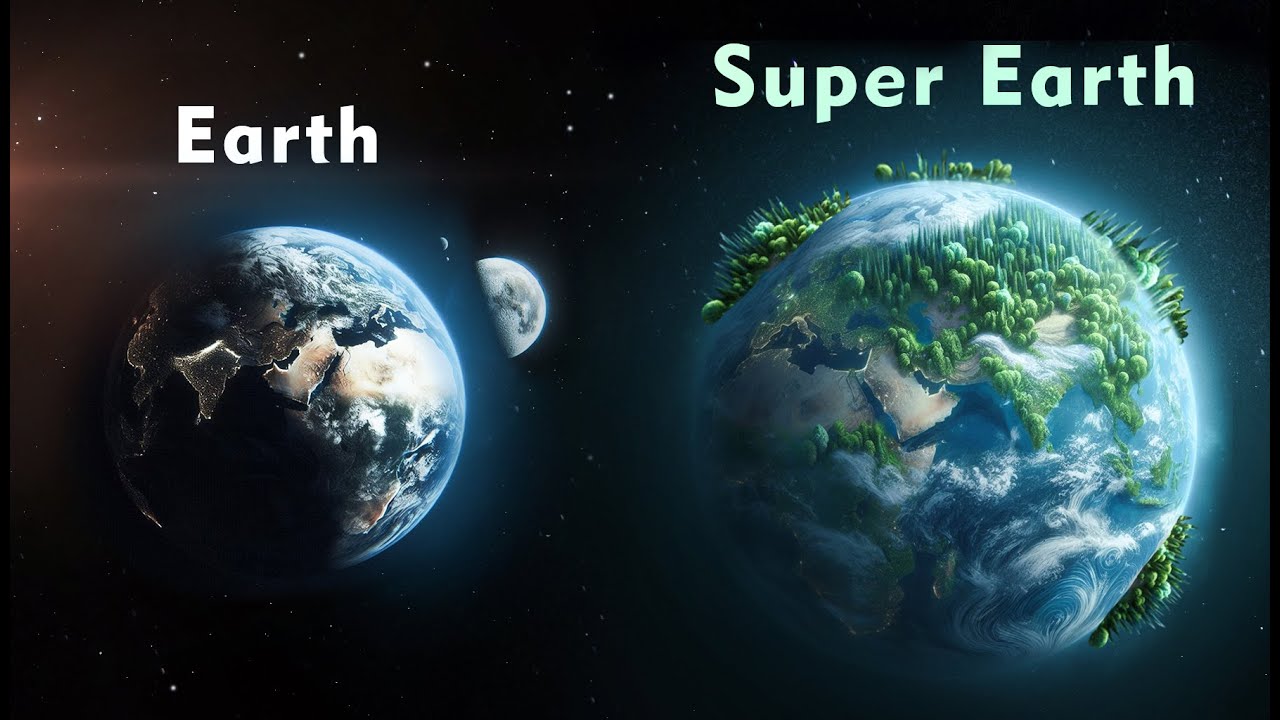
#k218b #superearth #earth2 | K2-18b is an exoplanet located about 124 light-years away from Earth in the constellation Leo. It's one of the many exoplanets discovered by the Kepler Space Telescope during its K2 mission.
Key Features:
Type: K2-18b is classified as a "mini-Neptune" or "sub-Neptune," which means it's larger than Earth but smaller than Neptune.
Radius and Mass: The planet has a radius about 2.6 times that of Earth and a mass about 8.6 times greater, indicating that it has a substantial atmosphere.
Host Star: The exoplanet orbits a red dwarf star (K2-18) that is smaller and cooler than our Sun. The star's lower temperature allows K2-18b to orbit closer to it while still being in the habitable zone.
Atmosphere and Potential Habitability:
Atmosphere: One of the most intriguing aspects of K2-18b is its atmosphere. Observations using the Hubble Space Telescope have detected water vapor in its atmosphere, making it one of the few exoplanets where water vapor has been confirmed.
Potential for Life: Despite the presence of water vapor, whether K2-18b can support life is still uncertain. The planet's atmosphere is likely rich in hydrogen, which is not ideal for life as we know it. Moreover, the exact surface conditions are unknown, but it's unlikely to be similar to Earth’s, given the difference in size, mass, and atmospheric composition.
Recent Developments:
In 2023, astronomers made further observations using the James Webb Space Telescope (JWST). They found additional details about the atmosphere of K2-18b, including possible indications of other molecules like methane and carbon dioxide, which could suggest some form of chemical processes happening on the planet, although this doesn't necessarily mean life exists there.
Orbit and Year Length:
K2-18b has an orbital period of about 33 days, meaning a year on K2-18b is only 33 Earth days long.
K2-18b's discovery and the subsequent studies have sparked significant interest in the scientific community, especially regarding the search for habitable worlds beyond our solar system.
#k218b #exoplanet #astronomy #spaceexploration #ExoplanetDiscovery
#astrobiology #jameswebbtelescope #HubbleSpaceTelescope
#minineptune #reddwarfstar #watervapor #alienworlds #HabitableZone
#spacescience #cosmos #superearth #planetaryscience #earthlikeplanet #earth2 #earth2point0 #newearth #secondearth #space #universe #cosmos #galaxies #outerspace #interstellar #cosmic #spacetime #theuniverse #kepler #kepler452b
K2-18b Super Earth, K2-18b Exoplanet Discovery, K2-18b Atmosphere Analysis, K2-18b Water Vapor Detection, K2-18b James Webb Telescope, K2-18b Habitable Zone, Life on K2-18b, K2-18b vs Earth, K2-18b Super Earth Explained, K2-18b Alien World, K2-18b Latest Discoveries, K2-18b and Red Dwarf Star, K2-18b Mini Neptune, Exploring K2-18b, K2-18b Astronomy News, K2-18b Super Earth in Tamil, James Webb Telescope in Tamil, Habitable Zone in Tamil, Life on K2-18b in Tamil, K2-18b vs Earth in Tamil, K2-18b Super Earth Explained in Tamil, Astronomy News in Tamil, #superearthintamil #vaanveli பூமியை போன்ற மற்றொரு கோள்
Regards,
Vaan Veli
Santhosh
Follows on Facebook : https://www.facebook.com/vaanveli1
Follows on Instagram : https://www.instagram.com/vaan_veli
Disclaimer:
This channel does not offer financial advice. All information on this channel is offered solely for educational and informational reasons.
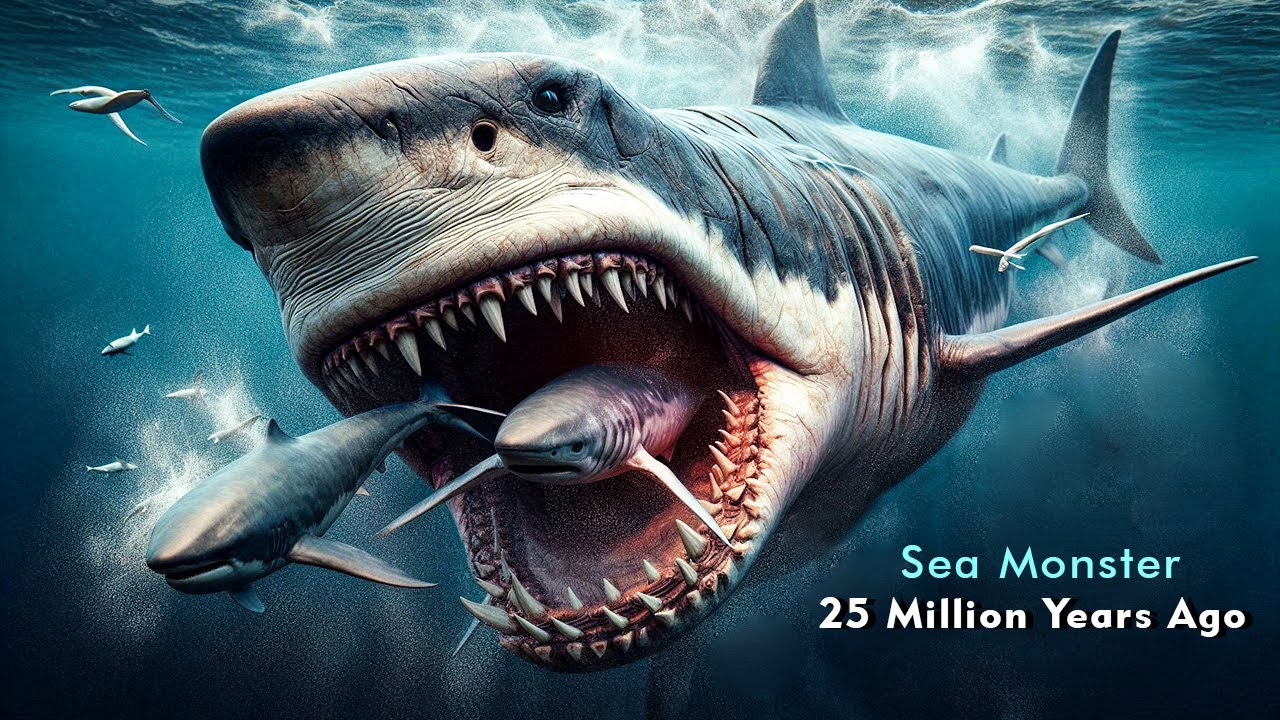
The Megalodon lived approximately 23 to 3.6 million years ago during the Miocene to Pliocene epochs. Here are some top facts about this ancient sea monster: பெரும்பல்லன் சுறா, ஓட்டோடஸ் மெகாலோடான்
1. Size and Scale
The Megalodon is estimated to have grown up to 60 feet (18 meters) in length, making it the largest shark to have ever lived. Some estimates suggest it could have been even larger.
Its jaws were so massive that they could open up to 10 feet wide, enough to swallow two adult humans side by side.
2. Teeth
Megalodon had some of the largest teeth of any known species, with individual teeth reaching over 7 inches (18 cm) in length.
It had about 276 teeth arranged in five rows, and it could lose and replace thousands of teeth over its lifetime.
3. Diet
As an apex predator, Megalodon primarily fed on large marine mammals, including whales, dolphins, and large fish.
Its powerful jaws could exert a bite force estimated to be around 40,000 pounds per square inch (psi), strong enough to crush the bones of its prey.
4. Habitat
Megalodon lived in warm, shallow seas around the world. Fossil evidence has been found on every continent except Antarctica.
It is believed to have preferred coastal areas where it could easily hunt large prey.
5. Fossil Evidence
Most of what we know about Megalodon comes from fossilized teeth, which are commonly found in various locations worldwide.
Fossils have been discovered in regions such as North America, South America, Europe, Africa, and Australia.
6. Extinction
Megalodon went extinct around 3.6 million years ago, likely due to a combination of factors such as climate change, declining sea levels, and the disappearance of its primary prey.
The cooling of the oceans during the Pliocene era may have also played a significant role in its extinction, as the species was adapted to warmer waters.
7. Myths and Misconceptions
Despite some sensational claims, there is no scientific evidence that Megalodon still exists today. The idea that it could be lurking in the deep oceans is largely a myth popularized by movies and television shows.
Some mistaken sightings of large sharks have been attributed to the Megalodon, but these are usually cases of misidentification or exaggeration.
8. Cultural Impact
Megalodon has captured the public’s imagination and has been featured in numerous documentaries, movies, and books.
The 2018 movie "The Meg" is one of the most popular representations of this giant shark
9. Scientific Research
Ongoing research into Megalodon’s fossils continues to provide insights into its life, behavior, and reasons for extinction.
The study of Megalodon contributes to our understanding of ancient marine ecosystems and the evolutionary history of sharks.
10. Comparison with Modern Sharks
While the Great White Shark is often compared to the Megalodon, the latter was much larger and more powerful.
Some theories suggest that the evolution of more efficient predators, like the Great White, may have contributed to Megalodon’s extinction by outcompeting it for food sources.
Megalodon in tamil,
மெகாலோடான் Ancient sea monsters,
அழிந்துபோன கடல் அரக்கன் Megalodon,
Megalodon facts in tamil
Prehistoric monster Megalodon,
Megalodon shark history in tamil,
Ancient Megalodon shark,
Prehistoric shark Megalodon in tamil,
Megalodon sea monster,
Megalodon shark facts,
Prehistoric shark documentary,
Megalodon fossil discovery,
Megalodon extinction in tamil,
Megalodon shark size in tamil,
Prehistoric ocean predators in tamil,
Megalodon vs modern sharks in tamil,
Megalodon shark teeth in tamil,
Giant prehistoric shark in tamil,
Megalodon shark attack in tamil,
History of Megalodon in tamil,
Prehistoric marine monsters,
Megalodon shark myths,
Megalodon shark fossils,
Ancient sea monsters in tamil,
Megalodon vs whale,
Megalodon shark sightings,
Megalodon shark research in tamil,
Megalodon shark bite force in tamil,
Megalodon shark evolution in tamil,
Where did Megalodon live,
Megalodon vs Leviathan,
How did Megalodon go extinct,
#shark #megalodonfossils #extinctanimals #deepseacreatures #ancientcreatures #sharkdiscovery #oceanmysteries #SharkHistory
#sharkteeth #megalodonresearch #deepsea #sharkmyth #megalodonhunt #megalodon #seamonster #giantshark #megalodonshark #prehistoricmonster #oceanbeast #MarinePredator
#megalodonfacts #sharkattack #deepseamonster #ExtinctSeaMonster
#megalodonmyth #ancientseamonster #giantseacreature #megalodonlegend #oceanpredator #megalodonvs #MegalodonJaws
#sharkfossils #prehistoricshark #MegalodonDiscovery
#megalodonteeth #megalodonsize #deepseapredator #megalodonextinction #oceanmonsters #sharkweek #AncientOceans
#marinelife #megalodonhistory #ancientshark #ExtinctCreatures
#sharkevolution #marinehistory #deepseamonsters #prehistoricanimals
regards,
Vaan Veli
Santhosh
Follows on Facebook : https://www.facebook.com/vaanveli1
Follows on Instagram : https://www.instagram.com/vaan_veli

#wayanad #landslide #wayanadlandslide ISRO had indeed provided an early warning regarding the landslide risk in Wayanad, Kerala. The warning was based on high-resolution satellite images and data analysis conducted by ISRO's National Remote Sensing Centre (NRSC). They had identified the region as highly susceptible to landslides due to its history and current environmental conditions.
Specifically, ISRO's 2023 "Landslide Atlas of India" had already marked parts of Wayanad, including the affected areas, as vulnerable to landslides. The satellite data showed evidence of previous landslides in the same location, highlighting the region's instability. Despite these warnings, the area experienced a significant landslide triggered by heavy rainfall in late July 2024, which caused extensive damage and loss of life.
The disaster's severity was exacerbated by a combination of factors, including deforestation, unregulated construction, and intense monsoon rainfall. These conditions were worsened by the failure of an advanced early warning system that had recently been installed but did not function as expected during this event
Reason for Landslide:
Human Activities such as deforestation, construction, and agriculture can all have a negative impact on the land. Removing vegetation degrades the soil structure because tree roots link it together and absorb water.
Soil Composition: Wayanad's soil, like much of the Western Ghats, is lateritic and prone to erosion. When saturated with water, lateritic soil loses its cohesion and slides down slopes.
Seismic Activity: While less common, seismic activity can cause landslides by shaking already unstable soil and rock structures.
Heavy Rainfall: The region receives severe monsoon rainfall, which can cause soil saturation. This lowers the soil's ability to hold together, raising the risk of landslides.
Wayanad's topography is hilly, with steep slopes. The steep terrain combined with heavy rains can make the soil and rock unstable, resulting in landslides.
Wayanad is located in a hilly and mountainous region with steep slopes. These slopes are naturally prone to landslides, especially when destabilized by rain.
Soil Composition: The soil in Wayanad is often loose and prone to erosion, which makes it more susceptible to landslides when exposed to water.
நிலச்சரிவிற்கு இதுதான் காரணம் | Reason for Landslide | Wayanad Landslide, நிலச்சரிவு
மண்ணோடு மண்ணான வயநாடு கிராமங்கள்
நிலச்சரிவிற்கு கரணம் என்ன ?
வயநாடு நிலச்சரிவிற்கு கரணம் என்ன ?
வயநாடு நிலச்சரிவு
behind the reason for landslide in tamil
real reason for landslide in tamil
Wayanad landslide
wayanad landslide news in tamil
#howtostoplandslide
#howtoknowlandslide
#howtoescapefromlandslide
kerala Wayanadu Landslide
how to stop landslide
how to know landslide is coming
how to escape from landslide
landslide awarness video
#wayanadlandslide
#KeralaDisaster
#Monsoon2024
#WayanadFloods
#KeralaLandslides
#NaturalDisaster
#ClimateChange
#KeralaMonsoon
#WayanadRainfall
#LandslidePrevention
#WayanadNews
#KeralaEnvironment
#LandslideAwareness
#WayanadRescue
#savewayanad
#wayanad
#landslide
#reasonforlandslide
#kerala
Regards,
Vaan Veli
Santhosh
Follows on Facebook : https://www.facebook.com/vaanveli1
Follows on Instagram : https://www.instagram.com/vaan_veli
Disclaimer:
This channel does not offer financial advice. All information on this channel is offered solely for educational and informational reasons.
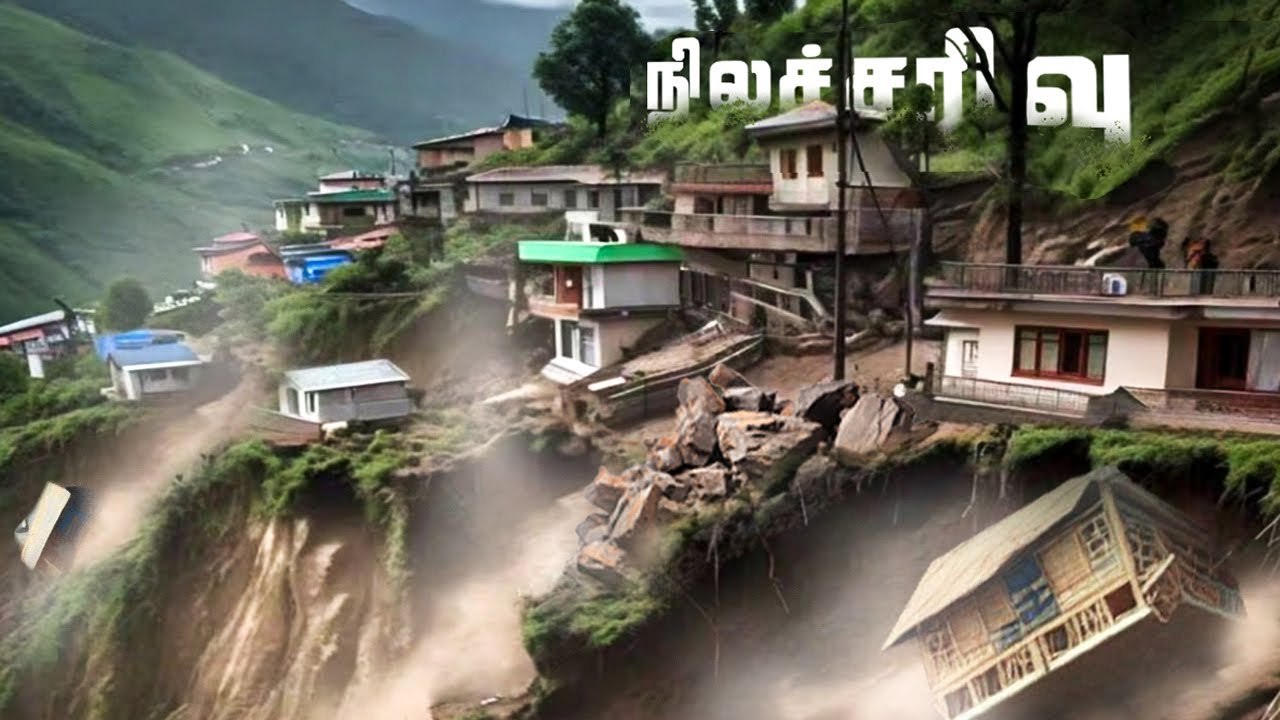
#wayanad #landslide #wayanadlandslide Human Activities such as deforestation, construction, and agriculture can all have a negative impact on the land. Removing vegetation degrades the soil structure because tree roots link it together and absorb water.
Soil Composition: Wayanad's soil, like much of the Western Ghats, is lateritic and prone to erosion. When saturated with water, lateritic soil loses its cohesion and slides down slopes.
Seismic Activity: While less common, seismic activity can cause landslides by shaking already unstable soil and rock structures.
Heavy Rainfall: The region receives severe monsoon rainfall, which can cause soil saturation. This lowers the soil's ability to hold together, raising the risk of landslides.
Wayanad's topography is hilly, with steep slopes. The steep terrain combined with heavy rains can make the soil and rock unstable, resulting in landslides.
Wayanad is located in a hilly and mountainous region with steep slopes. These slopes are naturally prone to landslides, especially when destabilized by rain.
Soil Composition: The soil in Wayanad is often loose and prone to erosion, which makes it more susceptible to landslides when exposed to water.
நிலச்சரிவிற்கு இதுதான் காரணம் | Reason for Landslide | Wayanad Landslide, நிலச்சரிவு
நிலச்சரிவிற்கு கரணம் என்ன ?
வயநாடு நிலச்சரிவிற்கு கரணம் என்ன ? ?
வயநாடு நிலச்சரிவு
behind the reason for landslide in tamil
real reason for landslide in tamil
Wayanad landslide
wayanad landslide news in tamil
#howtostoplandslide
#howtoknowlandslide
#howtoescapefromlandslide
how to stop landslide
how to know landslide is coming
how to escape from landslide
landslide awarness video
#wayanadlandslide
#KeralaDisaster
#Monsoon2024
#WayanadFloods
#KeralaLandslides
#NaturalDisaster
#ClimateChange
#KeralaMonsoon
#WayanadRainfall
#LandslidePrevention
#WayanadNews
#KeralaEnvironment
#LandslideAwareness
#WayanadRescue
#savewayanad
#wayanad
#landslide
#reasonforlandslide
#kerala
Regards,
Vaan Veli
Santhosh
Follows on Facebook : https://www.facebook.com/vaanveli1
Follows on Instagram : https://www.instagram.com/vaan_veli
Disclaimer:
This channel does not offer financial advice. All information on this channel is offered solely for educational and informational reasons.

இந்தியா அடிமையானது ஏன் தெரியுமா ? 500 வருட வரலாறு, இந்திய சுதந்திரத்திற்காக பாடுபட்ட பல சுதந்திர போராட்ட வீரர்களை இன்று நாம் மறந்துவிட்டோம் அதை நினைவு படுத்த அவர்களுக்காக இந்த பதிவை சமர்ப்பிக்கிறோம்.
The struggle for Indian independence was a long and arduous one, spanning nearly two centuries. The British East India Company first established its presence in India in the early 17th century, gradually expanding its control over large parts of the subcontinent. By the mid-19th century, India had effectively become a British colony under the rule of the British Crown, following the Indian Rebellion of 1857 (also known as the First War of Independence or Sepoy Mutiny).
Over the years, resistance to British rule grew, with the emergence of key figures and movements that would shape the course of Indian history. The Indian National Congress (INC), founded in 1885, played a crucial role in the independence movement, initially advocating for more autonomy within the British Empire but eventually demanding full independence.
Key Events Leading to Independence
Partition of Bengal (1905): The British decision to partition Bengal sparked widespread protests and marked the beginning of a more radical phase in the Indian independence movement.
Non-Cooperation Movement (1920-1922): Led by Mahatma Gandhi, this movement encouraged Indians to boycott British goods, institutions, and services, and to promote self-reliance through the Swadeshi movement.
Civil Disobedience Movement (1930): Gandhi launched the Salt Satyagraha, a nonviolent protest against the British monopoly on salt, which became a powerful symbol of resistance.
Quit India Movement (1942): In the midst of World War II, Gandhi and the INC called for an immediate end to British rule. The British responded with mass arrests, but the movement galvanized Indian sentiment against colonial rule.
World War II and its Aftermath: The war weakened Britain's global position and heightened the demand for independence. The economic and social impact of the war, along with the growing pressure from Indian leaders and the international community, made it increasingly difficult for Britain to maintain its hold on India.
Independence and Partition
On August 15, 1947, India finally achieved independence. However, independence came with the painful and tragic partition of the country into two separate states: India and Pakistan. The partition, based on religious lines, led to massive communal violence and the displacement of millions of people.
India's first Prime Minister, Jawaharlal Nehru, delivered the famous "Tryst with Destiny" speech on the eve of independence, highlighting the significance of the moment for the nation.
List of freedom fighters:
Mahatma Gandhi
Jawaharlal Nehru
Subhas Chandra Bose
Velu Nachiyar (Tamil Nadu)
Sardar Vallabhbhai Patel
Bhagat Singh
Rani Lakshmibai (Rani of Jhansi)
Bal Gangadhar Tilak
Lala Lajpat Rai
Bipin Chandra Pal
Gopal Krishna Gokhale
Chandrasekhar Azad
Sukhdev Thapar
Rajguru (Shivaram Hari Rajguru)
Mangal Pandey
Annie Besant
Sarojini Naidu
Dadabhai Naoroji
Lal Bahadur Shastri
V. O. Chidambaram Pillai
C. Rajagopalachari
Ram Prasad Bismil
Ashfaqulla Khan
Maulana Abul Kalam Azad
Kasturba Gandhi
Bhikaji Cama
independence day 2024 in tamil
independence day 2024
india independence day
india independence day status 2024
15 august status 2024
independence day status tamil
Aug 15th whatsapp status in tamil
Aug 15th status in tamil
independence day history of india in tamil
History of india in tamil
76th independance day
independence day in tamil
indian freedom fighters
list of indian freedom fighters
indian freedom
aug 15
aug 15 2024
august 15 2024
history of india 1498 to 1947
1498 to 1947 indian history
200 years of indian freedom struggle history
indian freedom struggle
Full history of indian indepenence day
Full history of indian indepenence day in tamil
Indian Independence Day
August 15
15th August
Independence Day
India
National Holiday
Indian History
Freedom
Independence Day
Indian Independence
British Empire
Colonialism
Freedom Struggle
Partition of India
Mahatma Gandhi
Jawaharlal Nehru
Non-Cooperation Movement
Civil Disobedience Movement
Quit India Movement
1947
Red Fort
Indian National Congress
Regards,
Vaan Veli
Santhosh
Follows on Facebook : https://www.facebook.com/vaanveli1
Follows on Instagram : https://www.instagram.com/vaan_veli
Disclaimer:
This channel does not offer financial advice. All information on this channel is offered solely for educational and informational reasons only.
#independenceday2024 #indiaindependenceday #indiaindependencedaystatus2024 #15auguststatus2024
#independencedaystatustamil #aug15thwhatsappstatusintamil #aug15thstatusintamil #independencedayhistoryofindiaintamil #historyofindia #historyofindiaintamil #சுதந்திரதினம்2024 $76thindependanceday #independenceday #independence #independencedaystatus #independencedayspecial

In this video you can see the History of Woolly Mammoth, Smilodon [Sabar toothed tiger ], Megalodon, Titanoboa, Dinosaur, Early Primates, elasmotherium, pulmonoscorpius, sarcosuchus and more .
Woolly Mammoth (Mammuthus primigenius)
Time Period: Lived during the Pleistocene epoch, around 400,000 to 4,000 years ago.
Habitat: Primarily found in the northern regions of North America, Europe, and Asia.
Characteristics: Known for its long, curved tusks and thick, shaggy fur, which provided insulation against cold climates. They were herbivores and primarily fed on grasses and sedges.
Extinction: Likely due to a combination of climate change and overhunting by early humans.
Smilodon (Saber-toothed Cat)
Time Period: Lived during the Pleistocene epoch, approximately 2.5 million to 10,000 years ago.
Habitat: Found in the Americas, from North to South America.
Characteristics: Known for its large, curved canine teeth, which could reach up to 7 inches long. They were robustly built with powerful forelimbs, likely used to bring down large prey.
Extinction: Extinct around 10,000 years ago, likely due to a combination of climate change and the decline of large prey animals.
Megalodon (Otodus megalodon)
Time Period: Lived approximately 23 to 3.6 million years ago during the Early Miocene to the Pliocene epochs.
Habitat: Inhabited warm, coastal waters around the world.
Characteristics: One of the largest and most powerful predators in vertebrate history, with teeth over 7 inches long and a body length estimated at up to 60 feet.
Extinction: Likely due to cooling ocean temperatures, a decline in prey species, and competition with other marine predators like early whales.
Titanoboa
Time Period: Lived around 60 million years ago during the Paleocene epoch.
Habitat: Lived in tropical rainforests of what is now northeastern Colombia.
Characteristics: The largest snake ever discovered, reaching lengths of up to 42 feet and weighing over a ton. It likely preyed on large fish and possibly crocodiles.
Extinction: Likely due to changes in climate and habitat as the Earth cooled and rainforests gave way to more temperate environments.
Dinosaurs
Time Period: Lived during the Mesozoic Era, from about 230 to 66 million years ago.
Habitat: Found worldwide, in a variety of environments from deserts to forests.
Characteristics: Varied greatly in size and form, including bipedal and quadrupedal species, carnivores and herbivores. Notable species include Tyrannosaurus rex, Triceratops, and Velociraptor.
Extinction: Most species went extinct about 66 million years ago, likely due to a combination of volcanic activity, climate change, and the impact of a large asteroid or comet.
Early Primates
Time Period: The earliest primates appeared around 65 million years ago, during the Paleocene epoch.
Habitat: Lived in forested environments.
Characteristics: Small, arboreal mammals with adaptations for climbing, such as grasping hands and feet, and large brains relative to body size. Examples include Purgatorius and Teilhardina.
Evolution: Early primates eventually gave rise to the diverse range of primate species, including monkeys, apes, and humans.
Elasmotherium (Giant Rhinoceros)
Time Period: Lived during the Late Pliocene to the Late Pleistocene, around 2.6 million to 29,000 years ago.
Habitat: Found in Eurasian steppes, from the Don River in Russia to Kazakhstan, Mongolia, and northern China.
Characteristics: Known as the "Siberian unicorn," it had a large, single horn on its forehead, was covered in shaggy fur, and was about 16 feet long and 6.5 feet tall at the shoulders.
Extinction: Likely due to climate change and habitat alteration.
Pulmonoscorpius (Giant Scorpion)
Time Period: Lived during the Carboniferous period, approximately 345 to 330 million years ago.
Habitat: Inhabited warm, humid environments, likely in swampy forests.
Characteristics: One of the largest scorpions ever, growing up to 28 inches in length. Likely had a predatory lifestyle, feeding on insects and small vertebrates.
Extinction: Became extinct as climates dried and the vast Carboniferous forests disappeared.
Sarcosuchus (SuperCroc)
Time Period: Lived during the Early Cretaceous period, around 112 to 93 million years ago.
Habitat: Inhabited river systems in what is now Africa and South America.
Characteristics: One of the largest crocodyliforms, reaching up to 40 feet in length. It had a long, narrow snout filled with sharp teeth, and likely preyed on large fish and possibly dinosaurs.
Extinction: Likely due to changes in the environment and competition with other large predators.
Ancient Animals
Deadliest Prehistoric Animals
அழிந்துபோன ராட்சத மிருகங்கள்
Regards,
Vaan Veli
Santhosh
Follows on Facebook : https://www.facebook.com/vaanveli1
Follows on Instagram : https://www.instagram.com/vaan_veli
Disclaimer:
This channel does not offer financial advice. All information on this channel is offered solely for educational and informational reasons.

Tombs for Pharaohs: The most widely accepted theory is that the pyramids were built as tombs for the pharaohs and their consorts. The Great Pyramid of Giza, for example, is believed to have been constructed for Pharaoh Khufu.
Symbolic Significance: Pyramids might have also held symbolic significance, representing the primordial mound from which the Egyptians believed life emerged. Their shape could symbolize the descending rays of the sun, a connection to the sun god Ra.
Materials: The pyramids were constructed using large limestone and granite blocks. The precision with which these blocks were cut and assembled is remarkable.
Labor Force: It is now believed that a well-organized labor force, rather than slaves, built the pyramids. Workers were likely skilled laborers who lived in nearby temporary cities.
Transportation: How these massive stones were transported and lifted into place remains a topic of debate. Theories include the use of sledges, ramps, and possibly water lubrication to move the stones.
Alignment: The Great Pyramid is precisely aligned with the cardinal points of the compass. The accuracy of its construction, including the right angles and the flatness of the base, is astonishing given the tools available at the time.
Mathematical Knowledge: The builders demonstrated advanced knowledge of mathematics and astronomy. The proportions and dimensions of the pyramids often incorporate significant mathematical constants like pi and the golden ratio.
Chambers and Passageways: The internal structure of the pyramids, particularly the Great Pyramid, includes intricate passageways and chambers. The purpose of some of these chambers remains unknown, adding to the mystery.
Air Shafts: Some of the pyramids feature narrow shafts leading from the chambers to the exterior. The purpose of these shafts is still debated, with theories ranging from ventilation to alignments with stars.
Religious Beliefs: The construction of the pyramids was deeply connected to the Egyptians' religious beliefs, particularly their views on the afterlife and the gods.
Historical Records: Despite extensive research, many aspects of the pyramids' construction and purpose remain unclear due to the limited historical records from the period.
Alien Hypothesis: Some fringe theories suggest that the pyramids were built with the help of extraterrestrial beings due to the advanced engineering techniques that seem beyond the capability of ancient humans.
Lost Technology: Other theories propose that the ancient Egyptians possessed advanced technologies or knowledge that have since been lost to history.
பிரமிடின் 5000 வருட மர்மங்கள்
#egypt #pyramid #pyramids #gizapyramid #pyramidfacts #pyramidintamil
#pyramidfactsintamil
Regards,
Vaan Veli
Santhosh
Follows on Facebook : https://www.facebook.com/vaanveli1
Follows on Instagram : https://www.instagram.com/vaan_veli
Disclaimer:
This channel does not offer financial advice. All information on this channel is offered solely for educational and informational reasons. This channel does not guarantee that you will be able to generate money online using the method presented in the video. Your level of success in achieving the outcomes indicated in the video will involve hard work, aptitude, learning and experience. Before investing or joining any such site, this channel strongly suggested you to conduct thorough investigation.

Space is completely empty. Reality: Space is not a complete vacuum. It contains low-density particles, cosmic rays, and electromagnetic radiation.
Myth: The Great Wall of China is visible from space.
Reality: The Great Wall is not easily visible from space without aid. It is challenging to see with the naked eye, even from low Earth orbit.
Myth: The moon has a dark side.
Reality: The moon has a far side, not a dark side. Both sides receive sunlight; we only see one side due to tidal locking.
Myth: Space is cold.
Reality: Space has no temperature in the conventional sense since it lacks matter to hold or transfer heat. Objects in space can experience extreme temperatures depending on their exposure to the Sun.
Myth: Humans explode in space without a suit.
Reality: Without a space suit, a human would not explode but would suffer from lack of oxygen, decompression, and temperature extremes, leading to unconsciousness and death within minutes.
Myth: Black holes are giant vacuum cleaners sucking everything in.
Reality: Black holes have strong gravitational pull but don't actively "suck" in matter. Objects need to cross their event horizon to be drawn in.
Myth: Astronauts float because there is no gravity in space.
Reality: Astronauts float because they are in free-fall, orbiting Earth. Gravity is still present but is counteracted by their orbital motion.
விண்வெளி பற்றிய பொய்யான தகவல்கள் | Space Lies | Vaan Veli
For more space based video subscribe us .
#SpaceLies
#SpaceMyths
#MoonLandingHoax
#SpaceConspiracy
#AstronomyLies
#FakeSpaceNews
#DebunkingSpaceLies
#SpaceHoaxes
#FalseSpaceFacts
#SpaceDebunking
#AstronomyMyths
#ExposingSpaceLies
#SpaceScience
#FlatEarthMyth
#spacetruths
space lies in tamil, space, jupiter, mars, stars, sun, solar system, lies about space, china wall lies,
Space Lies, Space Myths, Space Misconceptions, Moon Landing Hoax, Space Conspiracy Theories, Astronomy Myths, Fake Space News, Space Hoaxes, Debunking Space Lies, False Space Facts, Space Science Myths, Astronaut Myths, Space Fake News, Space Fiction vs. Reality, Space Lies Exposed, vaanveli science channel, science channel tamil, tamil science channel, space in tamil, what are the objeccts in the space in tamil
Regards,
Vaan Veli
Santhosh
Follows on Facebook : https://www.facebook.com/vaanveli1
Follows on Instagram : https://www.instagram.com/vaan_veli
Disclaimer:
This channel does not offer financial advice. All information on this channel is offered solely for educational and informational reasons. This channel does not guarantee that you will be able to generate money online using the method presented in the video. Your level of success in achieving the outcomes indicated in the video will involve hard work, aptitude, learning and experience. Before investing or joining any such site, this channel strongly suggested you to conduct thorough investigation.
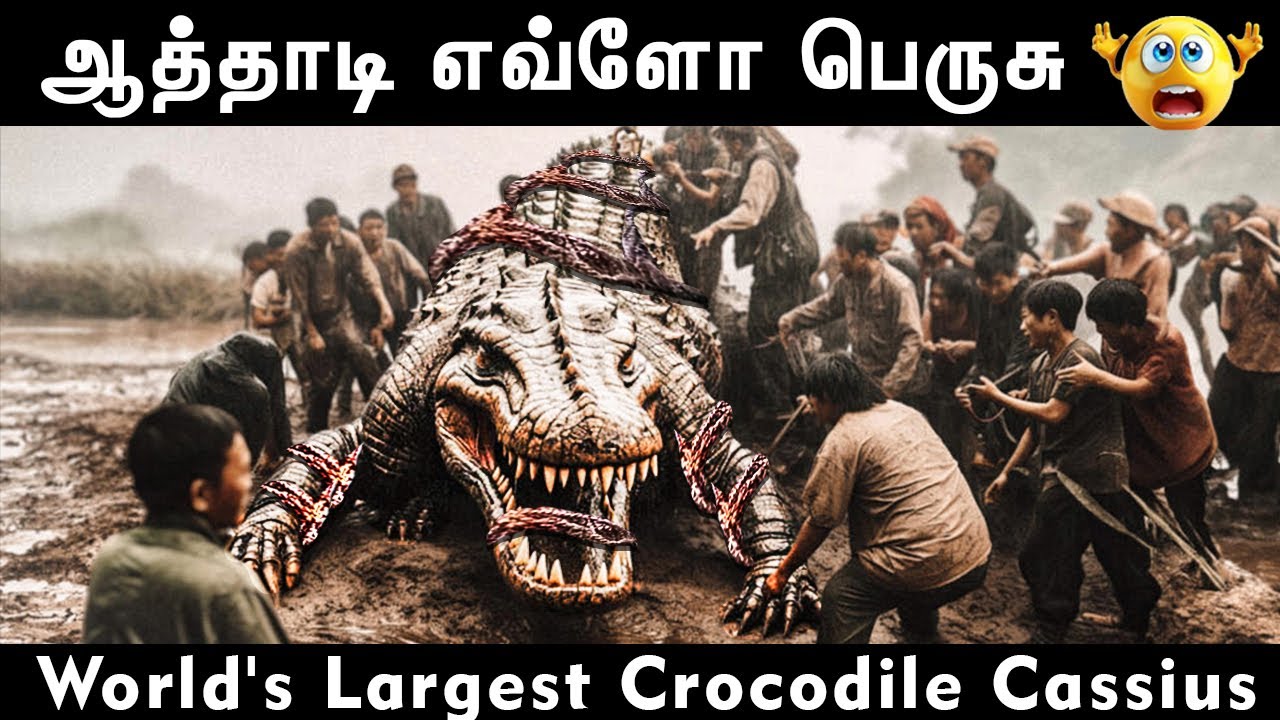
Crocodiles vary in size depending on the species. The largest species, the saltwater crocodile (Crocodylus porosus), can grow up to 6-7 meters (20-23 feet) in length and weigh over 1,000 kilograms (2,200 pounds). Smaller species like the dwarf crocodile (Osteolaemus tetraspis) grow to around 1.5-2.5 meters (5-8 feet).
Appearance: They have a streamlined body shape, a long, powerful tail that helps them swim, and short legs with webbed feet for efficient movement in water. Their skin is tough and covered with scales, which provide protection and help regulate body temperature.
Early Evolution: Crocodiles belong to a group called Archosauria, which includes dinosaurs and birds. The earliest crocodile-like ancestors appeared around 240 million years ago during the Triassic Period.
Mesozoic Era: During the Mesozoic Era (about 252 to 66 million years ago), crocodiles diversified into various forms. Some were terrestrial predators, while others were more adapted to aquatic environments.
Cretaceous Period: Crocodiles continued to evolve and thrive during this period. Fossil evidence suggests they coexisted with dinosaurs and adapted to various ecological niches.
Cenozoic Era: After the mass extinction event that wiped out the dinosaurs around 66 million years ago, crocodiles survived and continued to evolve. They diversified into the modern families we recognize today.
Modern Diversity: Today, there are 14 recognized species of crocodiles within three families: Crocodylidae (true crocodiles), Alligatoridae (alligators and caimans), and Gavialidae (gharials). They inhabit tropical regions across Africa, Asia, the Americas, and Australia.
Conservation: Despite their ancient lineage, many crocodilian species are threatened by habitat loss, pollution, and hunting. Conservation efforts are ongoing to protect these remarkable creatures.
20 கோடி ஆண்டுகளா வாழும் முதலை | World's Largest Crocodile | Vaan Veli | Crocodile Facts
#vaanveli #universe #solarsystem #earth #tamil #crocodile #muthalaiy #mothalai #crocodilefacts #factsaboutcrocodileintamil #crocodilefactsintamil #saltwatercrocodile #origineofcrocodile #whatistheworld'sbiggestcrocodile #crocodilecomparison #crocodileattacks #crocodilevsalligator #differencebetweencrocodileandalligator #differencebetweencrocodile #crocodilevsdinosaur #crocodileeatinghuman #crocodilepark #crocodilehunting #crocodiles
Regards,
Vaan Veli
Santhosh
Follows on Facebook : https://www.facebook.com/vaanveli1
Follows on Instagram : https://www.instagram.com/vaan_veli
Disclaimer:
This channel does not offer financial advice. All information on this channel is offered solely for educational and informational reasons. This channel does not guarantee that you will be able to generate money online using the method presented in the video. Your level of success in achieving the outcomes indicated in the video will involve hard work, aptitude, learning and experience. Before investing or joining any such site, this channel strongly suggested you to conduct thorough investigation.
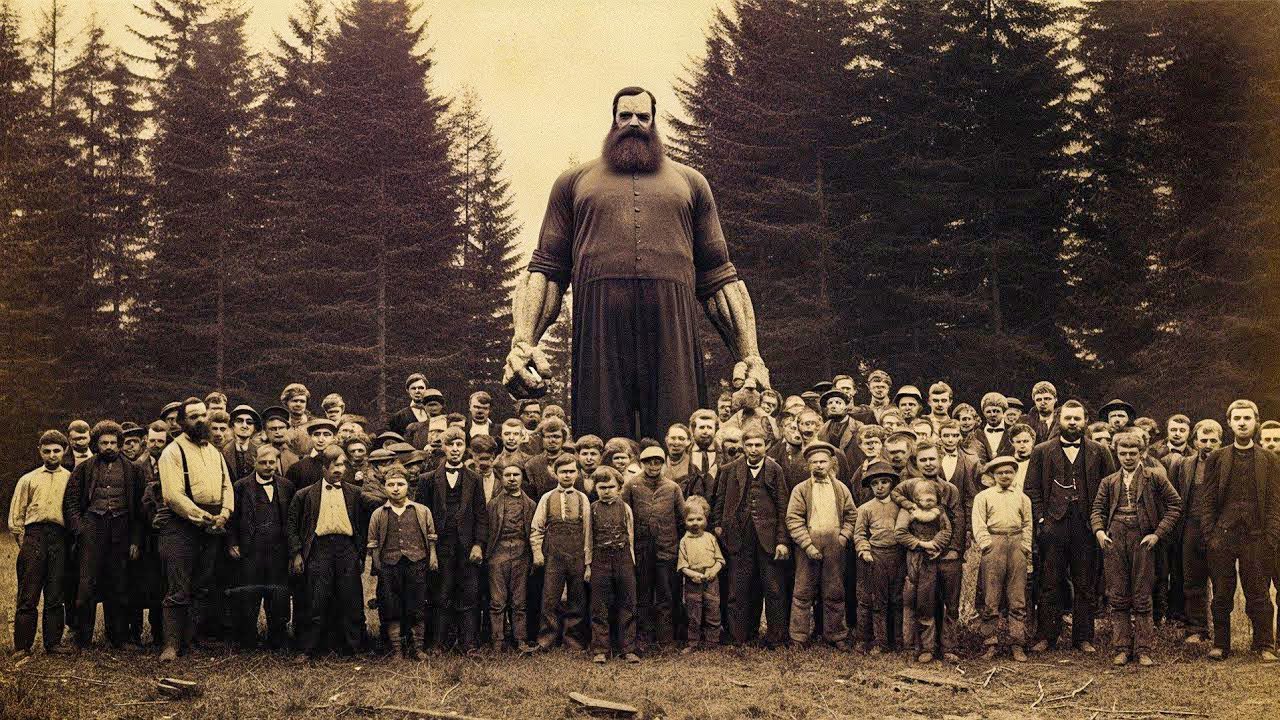
Mythology and Folklore: Giants are mentioned in myths and stories from many cultures around the world. These legends frequently depict giants as massive creatures with extraordinary skills or qualities. In Norse mythology, for example, giants (Jotnar) such as Ymir played important roles in the world's creation.
Historical Accounts: Throughout history, there have been reports of extremely tall people. While not exactly mythical giants, these individuals frequently stood out for their unusual height in comparison to the ordinary person of their period. Examples include Robert Wadlow, the tallest person in recorded history, who stood 8 feet 11 inches (272 cm).
Medical illnesses: Certain cases of exceptional height might be ascribed to medical illnesses such as gigantism or acromegaly, which are caused by aberrant growth hormone production. While uncommon, these disorders can lead people to grow much taller than normal.
Archaeological Discoveries: There have been infrequent archaeological discoveries of extremely huge skeleton remains, which some believe to be evidence of ancient giants. However, due to a lack of clear data, such findings are frequently debated and skeptically dismissed.
Literature and Popular Culture: Giants occur in a variety of literary forms, including fairy tales, fantasy books, modern cinema, and video games. These images frequently rely on mythological and historical conceptions of giants as powerful and imposing characters.
Biblical Giants: The Bible mentions giants several times, particularly in the Old Testament. One of the most famous stories involves Goliath, a giant from Gath, who was defeated by the young David. According to biblical accounts, Goliath was exceptionally tall, described as "six cubits and a span" (about 9 feet or 2.75 meters).
Greek Mythology: In Greek mythology, giants (often called Gigantes) were powerful beings born from Gaia (Earth) and Uranus (Sky). They were known for their immense size and strength, and they waged war against the gods of Olympus in the Gigantomachy.
Norse Mythology: Norse mythology features giants (Jotnar) as a prominent race, often depicted as adversaries of the gods. They include figures like Ymir, the first giant, and others who play significant roles in the cosmology and stories of the Norse pantheon.
ராட்சத மனிதர்கள் | Real Human Giant's You Wont Believe
#gianthuman #gianthumans #humangiant #humangiants #largesthumanintheworld #reallifehumangiants #gianthumanfilm #humangiantsintamil #ancienthumans #topgianthumans #ancienthuman, #ancienthumansintamil #ancientgianthumans #listofgianthumans #giantskeletonintheworld #gianthumanskeleton #historyofgianthumans #gianthumanlivingperiod #whenwasthegianthumanslived #isgianthumansstillalive #realtimegianthumans #gianthumandocumentary
Regards,
Vaan Veli
Santhosh
Follows on Facebook : https://www.facebook.com/vaanveli1
Follows on Instagram : https://www.instagram.com/vaan_veli
Disclaimer:
This channel does not offer financial advice. All information on this channel is offered solely for educational and informational reasons. This channel does not guarantee that you will be able to generate money online using the method presented in the video. Your level of success in achieving the outcomes indicated in the video will involve hard work, aptitude, learning and experience. Before investing or joining any such site, this channel strongly suggested you to conduct thorough investigation.

History of Nethaji subash chandra bose, நேதாஜி சுபாஷ் சந்திரபோசின் வரலாறு,
Subhas Chandra Bose was a prominent Indian nationalist leader who played a key role in India's struggle for independence against British rule during the early 20th century. Here's an overview of his life and contributions:
Early Life and Education:
Subhas Chandra Bose was born on January 23, 1897, in Cuttack, Orissa, British India (now in Odisha, India). He came from a well-to-do Bengali family with a strong tradition of service to the nation.
Political Career:
Indian National Congress (INC):
Bose joined the Indian National Congress (INC) and quickly rose through its ranks due to his charisma, organizational skills, and radical approach to achieving independence.
He was elected Congress President in 1938 and 1939 but resigned due to differences with Mahatma Gandhi and the Congress leadership over the strategy of non-violence.
Formation of Forward Bloc:
Disillusioned with the INC's policies, Bose founded the All India Forward Bloc, a left-wing nationalist political party, in 1939. It advocated for complete independence through any means necessary.
Role in World War II:
During World War II, Bose sought foreign support for India's independence. He fled house arrest in India in 1941 and traveled to Germany and then Japan, seeking aid for his cause.
With Japanese support, he formed the Indian National Army (INA) composed of Indian prisoners of war and expatriates to fight against the British in Southeast Asia.
INA and Azad Hind Government:
Bose's INA waged a military campaign against the British in Burma and northeastern India. His famous slogan was "Give me blood, and I shall give you freedom!"
Bose also established a provisional government of Azad Hind (Free India) in Singapore in 1943, aiming to administer areas liberated from British rule.
Disappearance and Legacy:
Bose's fate remains a subject of controversy and mystery. He reportedly died in a plane crash in August 1945 in Taiwan (then Formosa), though some theories suggest he survived and lived in anonymity.
Bose remains a revered figure in India's struggle for independence, known for his militant nationalism, advocacy for social justice, and efforts to unite and mobilize Indians against colonial rule.
Legacy:
Subhas Chandra Bose's legacy continues to inspire generations of Indians. He is remembered for his courage, patriotism, and unwavering dedication to India's independence.
His contributions to the freedom struggle and his vision of a strong, independent India have cemented his place as one of the most influential leaders in Indian history.
Nethaji subash chandrabose history in tamil
nethaji
subash chandra bose
history of nethaji
subash chandra bose speech
Regards,
Vaan Veli
Santhosh
Follows on Facebook : https://www.facebook.com/vaanveli1
Follows on Instagram : https://www.instagram.com/vaan_veli
Disclaimer:
This channel does not offer financial advice. All information on this channel is offered solely for educational and informational reasons. This channel does not guarantee that you will be able to generate money online using the method presented in the video. Your level of success in achieving the outcomes indicated in the video will involve hard work, aptitude, learning and experience. Before investing or joining any such site, this channel strongly suggested you to conduct thorough investigation.

In the Earth's history, especially during the Carboniferous period around 300 million years ago, oxygen levels were much higher than today, which allowed insects to grow to enormous sizes. For instance, there were dragonflies with wingspans up to 2 feet (60 cm) across!
Scientists believe that the higher oxygen levels supported the larger size of these insects because oxygen is crucial for the efficient functioning of their respiratory systems. Today, insects are much smaller due to lower oxygen levels and other evolutionary factors.
பூமியை ஆண்ட ராட்சத பூச்சிகள்
Regards,
Vaan Veli
Santhosh
science documentary
pulmonoscorpius
Meganeura
Carboniferous Period
Scorpion
Giant
giant insects
carboniferous
paleontology
dinosaurs
the carboniferous period
natural history
giant bugs
science
documentary
dinosaur documentary
insects
giant insects
insects in tamil
giant insects in tamil
Follows on Facebook : https://www.facebook.com/vaanveli1
Follows on Instagram : https://www.instagram.com/vaan_veli
Disclaimer:
This channel does not offer financial advice. All information on this channel is offered solely for educational and informational reasons. This channel does not guarantee that you will be able to generate money online using the method presented in the video. Your level of success in achieving the outcomes indicated in the video will involve hard work, aptitude, learning and experience. Before investing or joining any such site, this channel strongly suggested you to conduct thorough investigation.

ஹிட்லரின் மரணத்தின் உண்மை | ஹிட்லரின் கடைசி நொடிகள்
Adolf Hitler was a prominent figure in the 20th century, known primarily for his leadership of Nazi Germany during World War II and his role in orchestrating the Holocaust, the genocide of six million Jews and millions of others deemed undesirable by the Nazi regime.
Born on April 20, 1889, in Braunau am Inn, Austria-Hungary (now Austria), Hitler rose to power in German politics as leader of the National Socialist German Workers' Party (Nazi Party). He became Chancellor of Germany in 1933 and later assumed the title of Führer, or leader, consolidating absolute power over the country.
Hitler's ideology was rooted in extreme nationalism, anti-Semitism, and a belief in the superiority of the "Aryan race." He promoted the idea of Lebensraum ("living space") for Germans and sought to expand German territory at the expense of other nations, which ultimately led to the outbreak of World War II in 1939.
Under Hitler's rule, Germany embarked on a campaign of military conquest, annexing Austria and parts of Czechoslovakia before invading Poland in September 1939, triggering the start of the war. The conflict engulfed much of Europe and resulted in millions of deaths.
One of Hitler's most notorious policies was the systematic persecution and extermination of Jews, which he pursued with chilling efficiency. This genocide, known as the Holocaust, involved the mass murder of six million Jews, as well as millions of others, including Roma, Slavs, disabled individuals, political dissidents, and homosexuals.
Despite initial military successes, Hitler's leadership ultimately led to Germany's defeat in World War II. The Allied powers, including the United States, the Soviet Union, the United Kingdom, and others, fought against Nazi Germany and its allies, eventually prevailing in 1945.
As Allied forces closed in on Germany, Hitler committed suicide in his underground bunker in Berlin on April 30, 1945, as Soviet troops advanced on the city. His death marked the end of Nazi rule in Germany, though the devastation caused by his regime would resonate for decades to come, shaping the course of history and leading to significant changes in international relations, human rights, and collective memory.
Hitler,
Hitler history in tamil,
Hitler death,
Hitler last minute
Regards,
Vaan Veli
Santhosh
Follows on Facebook : https://www.facebook.com/vaanveli1
Follows on Instagram : https://www.instagram.com/vaan_veli
Disclaimer:
This channel does not offer financial advice. All information on this channel is offered solely for educational and informational reasons. This channel does not guarantee that you will be able to generate money online using the method presented in the video. Your level of success in achieving the outcomes indicated in the video will involve hard work, aptitude, learning and experience. Before investing or joining any such site, this channel strongly suggested you to conduct thorough investigation.

History of Stoneage People and History of Human, மனிதர்கள் உருவான வரலாறு
Paleolithic (Old Stone Age)
Lower Paleolithic (c. 3.3 million years ago - 300,000 years ago)
Hominin Evolution: The Lower Paleolithic marks the appearance of the earliest hominins, including species like Australopithecus, Homo habilis, and later Homo erectus.
Tool Use: The earliest stone tools, known as Oldowan tools, were simple stone flakes and choppers used by Homo habilis. Later, Acheulean tools, including handaxes, were developed by Homo erectus.
Middle Paleolithic (c. 300,000 - 30,000 years ago)
Neanderthals and Early Homo sapiens: This period saw the rise of Neanderthals in Europe and Asia, as well as the emergence of early Homo sapiens in Africa.
Mousterian Tools: Associated with Neanderthals, these tools were more sophisticated than earlier ones, including flake tools made using the Levallois technique.
Upper Paleolithic (c. 50,000 - 10,000 years ago)
Modern Homo sapiens: Fully modern humans spread across the globe during this period, replacing or interbreeding with local archaic populations.
Cultural Developments: There was a significant increase in cultural complexity, including cave paintings (e.g., Lascaux), sculptures (e.g., Venus figurines), and elaborate burial practices.
Advanced Tools: Tools became more varied and specialized, including blades, bone tools, and composite tools.
Mesolithic (Middle Stone Age) (c. 10,000 - 5,000 BCE)
Transition to Agriculture: The Mesolithic is characterized by the gradual transition from hunter-gatherer societies to settled agricultural communities.
Microliths: Stone tools became smaller and more refined, often used as part of composite tools like arrows and harpoons.
Environmental Changes: As the Ice Age ended, humans adapted to changing environments, exploiting a wider range of resources, including fishing and forest-based hunting.
Neolithic (New Stone Age) (c. 10,000 - 3,000 BCE)
Agricultural Revolution: The development of agriculture allowed for the establishment of permanent settlements, leading to the growth of villages and the rise of complex societies.
Domestication: Plants like wheat, barley, and rice, as well as animals such as sheep, goats, and cattle, were domesticated.
Technological Advances: Pottery, weaving, and polished stone tools (e.g., sickles and grinding stones) became widespread.
Social Structures: Increased food production led to population growth, social stratification, and the development of trade networks and early forms of governance.
Key Sites and Discoveries
Olduvai Gorge (Tanzania): Important for early hominin fossils and Oldowan tools.
Blombos Cave (South Africa): Evidence of early symbolic behavior and art by Homo sapiens.
Göbekli Tepe (Turkey): An archaeological site with some of the earliest known monumental architecture, predating agriculture.
Çatalhöyük (Turkey): One of the earliest and largest Neolithic settlements, providing insights into early urban life.
History of human,
History of stoneage
History of stoneage people
Stoneage people
Iorn age people
Bronze age people
History of Iorn age people
History of Bronze age people
Stoneage in tamil
Iorn age in tamil
Bronze age in tamil
Regards,
Vaan Veli
Santhosh
Follows on Facebook : https://www.facebook.com/vaanveli1
Follows on Instagram : https://www.instagram.com/vaan_veli
Disclaimer:
This channel does not offer financial advice. All information on this channel is offered solely for educational and informational reasons. This channel does not guarantee that you will be able to generate money online using the method presented in the video. Your level of success in achieving the outcomes indicated in the video will involve hard work, aptitude, learning and experience. Before investing or joining any such site, this channel strongly suggested you to conduct thorough investigation.

#reforestration #saveearth #earth அழிந்து கொண்டிருக்கும் பூமியை வருங்கால சந்ததிகளுக்காக நாம் என்ன செய்து காப்பாற்ற வேண்டும் , மரங்களின் முக்கியத்துவம் , மீண்டும் காடுகளை உருவாக்குவதால் ஏற்படும் நன்மை அனைத்தும் இந்த வீடியோவில் சொல்லப்பட்டுள்ளது . விடியோவை பார்த்து வருங்கால சந்ததிகளுக்காக இந்த பூமியின் சூழலை காப்பாற்றுவோம் .
Global Warming: Rising temperatures, sea levels, and extreme weather events could severely disrupt human civilization and ecosystems.
Soon The World Is Going To END | Vaan Veli
Loss of Biodiversity
Habitat Destruction: Forests are home to a vast number of species, many of which are endemic and cannot survive outside their natural habitat. Deforestation leads to habitat loss, which can drive species to extinction.
Disruption of Ecosystems: The removal of trees and vegetation disrupts ecosystems, affecting the relationships between different species and leading to imbalances in food webs.
2. Climate Change
Carbon Emissions: Trees store carbon, and when they are cut down, that carbon is released into the atmosphere as carbon dioxide, a major greenhouse gas. Deforestation contributes significantly to global warming.
Altered Rainfall Patterns: Forests play a crucial role in regulating the water cycle. Large-scale deforestation can disrupt local and global rainfall patterns, leading to droughts or excessive rainfall in some regions.
3. Soil Erosion
Loss of Soil Fertility: Trees and vegetation help to anchor the soil. When forests are cleared, the topsoil is often washed away by rain, leading to decreased soil fertility and desertification.
Increased Flooding: Without trees to absorb rainfall, more water runs off the land, increasing the risk of floods.
4. Displacement of Indigenous Communities
Loss of Livelihoods: Many indigenous communities rely on forests for their livelihoods, including food, medicine, and shelter. Deforestation often forces these communities to move, disrupting their traditional ways of life.
Cultural Erosion: The loss of forests can also lead to the loss of cultural knowledge and practices tied to the land.
5. Impact on Global Economy
Agricultural Productivity: Deforestation can lead to soil degradation, which reduces agricultural productivity over time, impacting food security.
Sustainability: Industries that rely on forest resources, such as timber and tourism, can suffer long-term losses if deforestation continues unchecked.
6. Water Cycle Disruption
Reduction in Water Quality: Deforestation can lead to siltation of rivers and lakes, reducing water quality and affecting aquatic life.
Decreased Water Availability: Forests play a critical role in maintaining the water cycle. Their removal can reduce the availability of fresh water in some regions.
7. Contribution to Desertification
Spread of Arid Conditions: Deforestation in semi-arid regions can lead to desertification, where fertile land becomes desert, reducing the land’s ability to support life.
8. Economic Consequences
Short-term Gains vs. Long-term Losses: While deforestation may provide short-term economic benefits through timber sales and land for agriculture, the long-term environmental and economic costs are often much higher.
9. Global Implications
Impact on Global Climate Systems: The loss of large forested areas, such as the Amazon Rainforest, has global implications, potentially disrupting weather patterns far beyond the immediate area of deforestation.
10. Health Impacts
Air and Water Pollution: Deforestation can lead to increased air pollution and reduced water quality, which can have direct health impacts on local populations.
Solutions and Mitigation
Reforestation and Afforestation: Planting trees in deforested areas and creating new forests can help restore ecosystems and sequester carbon.
Sustainable Forestry Practices: Implementing practices that allow for the responsible harvesting of timber without clear-cutting large areas of forest.
Protected Areas and Legal Frameworks: Establishing protected areas and enforcing laws against illegal logging can help preserve forests.
Community-Based Conservation: Involving local communities in conservation efforts ensures that their needs are met while protecting the forest.
#deforestation
#SaveTheForests
#protectourplanet
#stopdeforestation
#ForestsMatter
#climateaction
#forestconservation
#reforestation
#plantatree
#protectbiodiversity
#greenplanet
#saveourearth
#ecofriendly
#sustainablefuture
#nomoredeforestation
regards,
Vaan Veli
Santhosh
Follows on Facebook : https://www.facebook.com/vaanveli1
Follows on Instagram : https://www.instagram.com/vaan_veli
Disclaimer:
This channel does not offer financial advice. All information on this channel is offered solely for educational and informational reasons.
