#space
Hi,
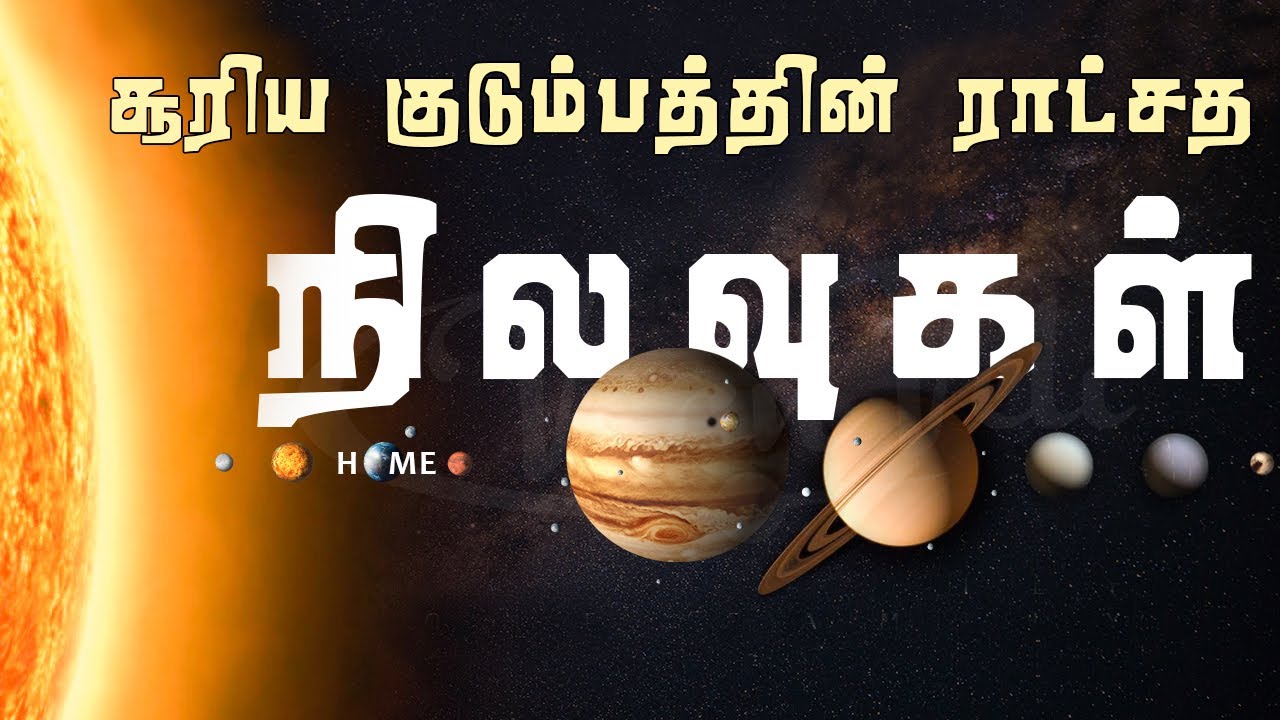
சூரிய குடும்பத்தின் விசித்திரமான 290 நிலவுகள். Solar System Moons
Each moons orbiting a different planet or dwarf planet.
The Moon (Luna) is the Earth's sole natural satellite. It is the Solar System's fifth-largest moon and has played an important part in Earth's history and civilization.
The Moons of Mars (Phobos and Deimos): Mars has two small moons, Phobos and Deimos. They have an irregular shape and are believed to be captured asteroids.
Jupiter has around 80 to 95 known moons, the four largest of which are known as the Galilean moons: Io, Europa, Ganymede, and Callisto. Galileo Galilei discovered them in 1610.
Saturn contains more than 146 known moons, including Titan, the second-largest moon in the Solar System with a thick atmosphere. Enceladus and Mimas are two other noteworthy Saturnian moons.
Moons of Uranus: Uranus has 27 recognised moons. Miranda, Ariel, Umbriel, Titania, and Oberon are notable examples.
Neptune's Moons: Neptune has 14 known moons, including Triton, the Solar System's seventh-largest moon. Triton is uncommon among big moons in that it orbits Neptune in reverse.
Pluto's Moon (Charon): Pluto is a dwarf planet with a very large moon named Charon. Charon, which is roughly half the size of Pluto, is tidally linked to it.
Moons of Dwarf Planets: Other dwarf planets in the Solar System, such as Eris and Haumea, have moons. Eris, for example, has one known moon named Dysnomia.
Some asteroids in the asteroid belt have minor moons or companions. The asteroid Ida, for example, has a moon called Dactyl.
TNOs are Trans-Neptunian Objects. Moons have been discovered around numerous TNOs, including Pluto, Eris, and Makemake.
Regards,
Vaan Veli
Santhosh
Follows on Facebook : https://www.facebook.com/vaanveli1
Follows on Instagram : https://www.instagram.com/vaan_veli
#vaanveli #vaanveli #solarsystemmoons #jupitermoons #saturnmoons #mercury #venus #earth #mars #jupiter #saturn #uranus #neptune #earth #moon #moons #iomoon #ganymede #sun #planetandmoon #earthmoon #chandrayaan3 #enceladusmoon #titanmoon #titaniamoon #pluto #moonfacts #moonhistory #solarsystemmoonsintamil #solarsystemmoonsandplanets #biggestmooninoursolarsystem #howmanymoonsareinoursolarsystem #solarsystem #mars #universe #callisto #space #venus #moonsize #solarsystem

Part 2: https://youtu.be/_AMKYUG6fps?si=h-fbsGYjSMRhDXt9
Earth, an Unfit planet for survival - Scientific reasons & Truths | Trees | Deforestation makes the earth unfit to survival | We are at risk of Losing our earth by destroying trees
A research says Earth's oxygen is projected to run out in a billion years, you know Why? because of we are slowly harvesting the heart of oxygen (Trees) from this earth.
We must realize the fact that trees act as giant bulwarks to provide us with the oxygen we need to survive and protect us from many natural disasters.
Trees, a great boon given by nature to this earth and the life on it.
In this video, we have narrated about trees and its origin, history, how connected with the life of living things in the earth, influence to environmental changes and producing oxygen, and what is halogen?, different groups of plants and fungi in the earth. Moreover, Also we have deeply described about the impact of cutting down trees on the ecosystem and our future generation.
We can give what matters most to our future generation who need it most. Because a first step of our endeavor for saving trees can give our generation a healthy and long life.
Regards,
VaanVeli
Santhosh
© Copyright: All Musics and Videos licensed .
#savetress #saveearth #saveenvironment #savenature #trees #treestagram #treescape #trees #christmastrees #treesarelife #beautifultrees #treeshadow
#plantingtrees #trees_masters #stopdeforestation #deforestationawareness #nodeforestation #deforestationsucks #deforestationfree #amazondeforestation #deforestationproblems #deforestationnation #deforestationfacts #deforestations #stopdeforestationnow #trees #treesarelife #floweringtrees #beautifultrees #bloomingtrees #treeshadow #treeservices #plantingtrees #treesmasters #vaanveli #tamil #gk #whatif #earth #planets #space #treesbenifits
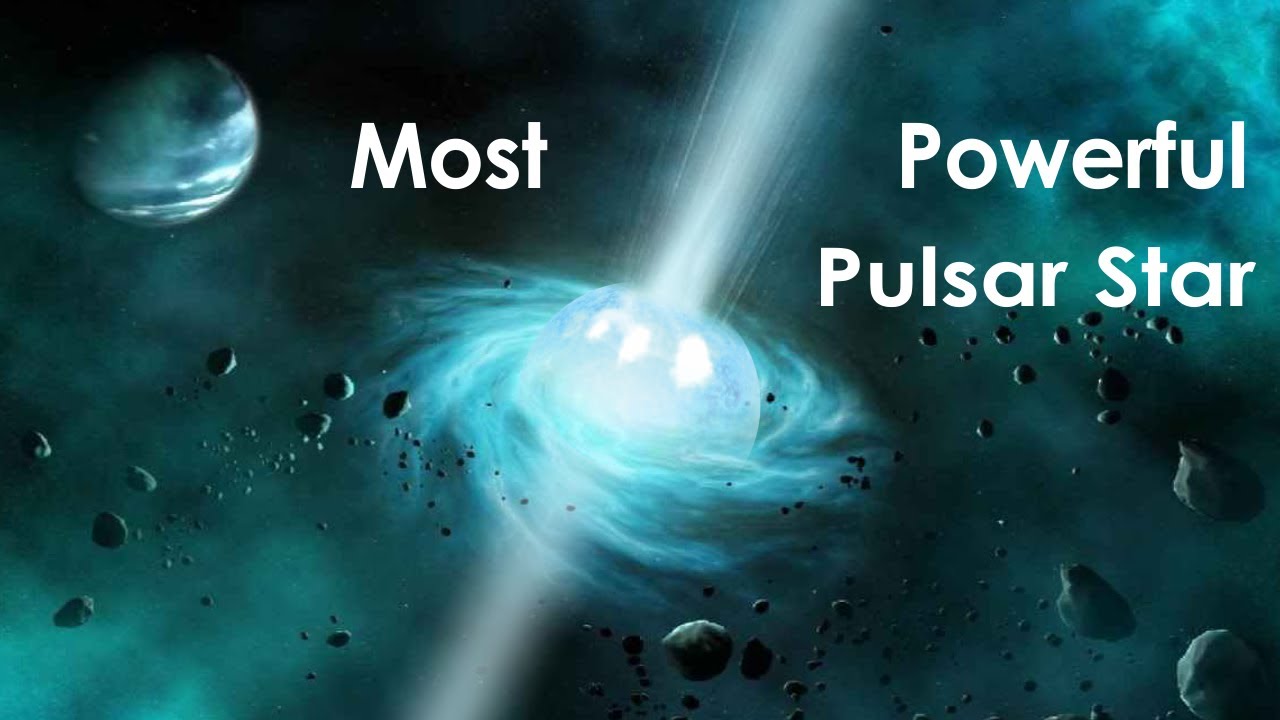
Pulsar நட்சத்திரம் | what is Pulsar star?
In this video, we'll learn what a pulsar is and what makes it so powerful. We'll also learn about the different types of pulsars and how to find them. If you're curious about what makes pulsars so powerful, then this video is for you. We'll learn about the different types of pulsars and why they're so important. We'll also find out about the most powerful pulsar in the universe and why it's so important. After watching this video, you'll have a better understanding of what makes a pulsar so powerful!
Regards,
Vaan Veli
#pulsar #pulsarstars #space #gravity #whatif #universe #blackhole #astronomy #pulse #neutronstars #neutronstars #neutronstarpulsarsound #pulsarstarsounds #youngestneutronstar #pulsarstarnasa #neutronstarformation #pulsarstarsound #whatisapulsar #whatisaneutronstar #pulsartami #pulsarstartamil #vaanveli #tamil #gk #science #whatispulsarstar #puslarstarspeed #howtofindpulsarstar #pulsarstarfacts #factsaboutuniverse #top10 #sciencefactstamil

1000 வருடத்திற்கு மேல் பூமியில் சூரிய ஒளி இல்லாமல் போனால் என்ன நடக்கும் தெரியுமா ? பூமியில் பெரிய எரி கல்லோ அல்லது பெரிய எரிமலையோ வெடித்தால் என்ன நடக்கும் என்பதை காட்டி உள்ளோம், அனைவரும் பார்த்து தங்களின் கருதுக்களை தெரிவிக்கலாம் நன்றி .
What If There was No Sunlight to Earth?
If there was no sunlight reaching Earth, the consequences would be catastrophic for life as we know it. Sunlight is essential for numerous biological and physical processes on our planet. Here are some of the major impacts:
Loss of Photosynthesis: Sunlight is crucial for photosynthesis, the process by which plants and some bacteria convert light energy into chemical energy to produce food. Without sunlight, photosynthetic organisms would be unable to survive, leading to the collapse of the entire food chain.
Ecosystem Disruption: The extinction of plants would result in the extinction of herbivores that rely on them for sustenance. This, in turn, would affect carnivores and other predators in the ecosystem. The disruption would likely cause a mass extinction event.
Temperature Drop: The Sun's energy is responsible for heating the Earth's surface. Without sunlight, the planet would rapidly cool down. The temperature drop would be drastic, leading to extremely cold conditions, especially in areas away from geothermal heat sources.
Loss of Atmospheric Circulation: Sunlight plays a crucial role in driving atmospheric circulation, which includes the formation of weather patterns and wind currents. Without sunlight, the atmosphere would become stagnant, resulting in the loss of weather systems and wind patterns.
Darkness: Obviously, the absence of sunlight would plunge Earth into darkness. The sky would be devoid of the typical blue color, and daylight-dependent activities would become impossible.
Disruption of the Water Cycle: Sunlight provides the energy required for the evaporation of water, which is an essential component of the water cycle. Without sunlight, the water cycle would slow down significantly, affecting rainfall patterns, freshwater availability, and overall climate stability.
Impact on Human Life: Humans, along with other organisms, depend on sunlight for vitamin D synthesis, which is crucial for bone health. The absence of sunlight would lead to widespread vitamin D deficiencies, resulting in health issues. Additionally, agriculture, which heavily relies on sunlight, would be severely affected, leading to food shortages and famine.
Regards,
VaanVeli
#volcano
#earthquake #earth #planets #extinction #clouds #பூமி #volcano #earthquake #planets #extinction #clouds #universe #galaxy #cloud #disaster #vaanveli #animals #explosion #earthattack #climatecrisis #climate #globalwarming #savetheworld #science #dangeredspecies #savetheplanet #sustainability #dinosaurs #environment #extinction #dinosaur #climatechange #wildlife #nature #extinction #supervolvano #yellowstone #asteroid #whatif #earth #whathappensif #nasa #top5 #space #universe #solarsystem #tamil #extinciondinosaurios #shorts

Welcome to VaanVeli,
பிரபஞ்சத்தின் மிகப்பெரிய கருந்துளை | TON 618 Ultra Massive Black Hole
In this video, we'll be talking about the TON 618 Ultra Massive Black Hole, one of the most fascinating things in the universe!
This video is for those of you who want to know everything there is to know about the TON 618 Ultra Massive Black Hole. From its size to its history, this video will tell you everything you need to know about this fascinating object!
If you're curious about the universe and what's out there, Black holes are so mysterious and strange that they've been the subject of many movies and stories over the years. If you're interested in science or just fascinated by the universe,
This amazing object is something you don't want to miss out on!
Not only will we be discussing the black hole itself, but we'll also be giving you a tour of the Supermassive black hole factory. This is an amazing place that will leave you wanting more! So buckle in, because this is one video you don't want to miss!
Regards,
Vaan Veli
[Santhosh]
#supermassiveblackhole #isrotamil #blackhole #கருந்துளை #ton618ultramassiveblackhole #ton618 #ton618blackhole #blackholetamil #blackholeintamil #largestblackhole #biggestblackhole #massiveblackhole #ultramassiveblackhole #blackholecomparison #warmhole #karunthulai #whatisblackhole #blackholeexplained #vaanveli #vaanveli #gk #whatif #universe #earth #ton618tamil #blackholevswhitehole #nasa #space #gravity #sunset #eventhorizon #blackholes #tamil

Hi,
பூமியின் தங்கச்சி விடிவெள்ளி,
Venus is the second planet from the Sun and is commonly referred to as Earth's "sister planet" due to its similar size and composition. It is the closest planet in our solar system to Earth.
Venus is quite comparable to Earth in size, with a diameter of around 12,104 kilometres (7,521 miles), making it the second-largest terrestrial planet after Earth.
Extreme Surface Temperature: The surface of Venus is extremely hot, with temperatures reaching over 900 degrees Fahrenheit (475 degrees Celsius). Despite being further from the Sun, this is hotter than the surface of Mercury.
Venus has a thick and dense atmosphere that is mostly made up of carbon dioxide (approximately 96.5%) with traces of sulphur dioxide and nitrogen. This atmosphere has a high greenhouse effect, trapping heat and contributing to the planet's severe temperatures.
Venus revolves on its axis in the opposite direction as the majority of the planets in our solar system, a phenomenon known as retrograde rotation. It rotates slowly, taking approximately 243 Earth days to complete one rotation, thus its day (one full day-night cycle) is actually shorter than its year (approximately 225 Earth days).
No Moons or Rings: Unlike many other planets in our solar system, Venus has no moons or rings.
Volcanic Activity: It is thought that Venus had a geologically active history with substantial volcanic activity. Its surface is covered in numerous of volcanoes, including the colossal Maxwell Montes, Venus's tallest peak.
Extreme Pressure: The pressure on Venus's surface is approximately 92 times that of Earth's surface, which is similar to the pressure found 900 metres (3,000 feet) underwater on Earth.
Venus has no liquid water on its surface because of its high temperatures and dense atmosphere. Any water that existed in the past is likely to have evaporated and escaped into space.
Exploration of Spacecraft: Several spacecraft have been despatched to Venus to examine its surface and atmosphere. In the 1990s, NASA's Magellan mission utilised radar to map the planet's surface in great detail, revealing features such as volcanoes and enormous highland regions.
Future Exploration: Future missions to Venus were planned as of my last information update in September 2021, including NASA's VERITAS (Venus Emissivity, Radio Science, InSAR, Topography, and Spectroscopy) and ESA's EnVision missions. These missions aim to learn more about Venus and its geology.
Regards,
Vaan Veli
Santhosh
Follows on Facebook : https://www.facebook.com/vaanveli1
Follows on Instagram : https://www.instagram.com/vaan_veli
#vaanveli #vaan_veli #universe #solarsystem #earth #tamil #venus #venustamil #venusfacts #venusplanet #solarsystemplanets #venusfactsintamil #venusplanetintamil #twinsister #hottestplanetinsolarsystem #planetvenus #lifeonvenus #space #venussurface #nasa #science #factsaboutvenus #venusphoto #planet #volcanoes #volcano #volcanoonvenus #venustemperature #venusmission #vidivelli #vidivellinatchathiram #velligraham #whatisvidivelli #வீனஸ் #வீனஸ்கிரகம் #graham #twinsisters #whoisthesisterofourearth #earthsister #brightestplanet #brightestplanetinoursolarsystem

Hi,
In this video, we're going to talk about Super Earth, a planet that's better than Earth. We'll discuss the advantages of living on Super Earth, and why you should want to live on this planet.
If you're looking for a better planet to live on, then you should check out Super Earth. Super Earth has a lot of advantages over Earth, including a much better environment and a much higher standard of living. In this video, we'll discuss these advantages and why you should want to live on Super Earth!
Regards,
Vaan Veli
Santhosh
Follows on Facebook : https://www.facebook.com/vaanveli1
Follows on Instagram : https://www.instagram.com/vaan_veli
#betterthanourearth
#பூமியைபோன்றகோள்கள்
#பூமி
#betterthanearth
#superearthplanet #superearthnewplanetsfound #nasa #earth #superearth #exoplanet #space #whatif #science #keplerplanet #planet #planets #theuniverse #exoplanets #habitableplanets #earthlikeplanets #earthlikeplanet #exoplanetslikeearth #superearth2.0 #superearthtamil #superearthplanettamil #exoplanettamil #howmanyexoplanetsarethere #aliens #habitablezone #tamil #vaanveli #gk #gktamil #top10superearth #kepler454b #earth2 #betterthanearth #earthtamil #blackhole #moon #solarsystem #volcano #earth2.0
![பிரபஞ்சத்தின் ஆபத்தான கிரகங்கள் [ Dangerous Planets in the Universe ]](https://i.ytimg.com/vi/BPJrTX03g4k/maxresdefault.jpg)
பிரபஞ்சத்தின் ஆபத்தான கிரகங்கள் [ Top Dangerous Planets in the Universe ]
In this video, we're going to be talking about some of the most dangerous planets in the universe!
From Venus to Neptune, these planets are full of dangerous elements and hazards that could potentially kill you if you were to visit them. So if you're thinking of traveling to any of these planets, be sure to research them first!
By the end of this video, you'll know everything you need to know about the dangerous planets in the universe!
Regards,
Vaan Veli
#nasa #facts #space #whatif #jupiter #earth #universe #solarsystem #cosmos #stars #planets #planets #exoplanet #dangerousplanetsdocumentary #venus #corot-7b #gliese436b #planetjensen #gianthd1897 #hd80606b #kelt9b #kepler78b #wasp12b #terribleplanets #topplanetslikeearth #earth2 #dangerousplanets #topplanets #planetlikeearthdiscovered #planetsfacts #gk #planetscience #nasadartmission #nasadart #planetstamil #vaanveli #tamil #scienetamil #blackhole
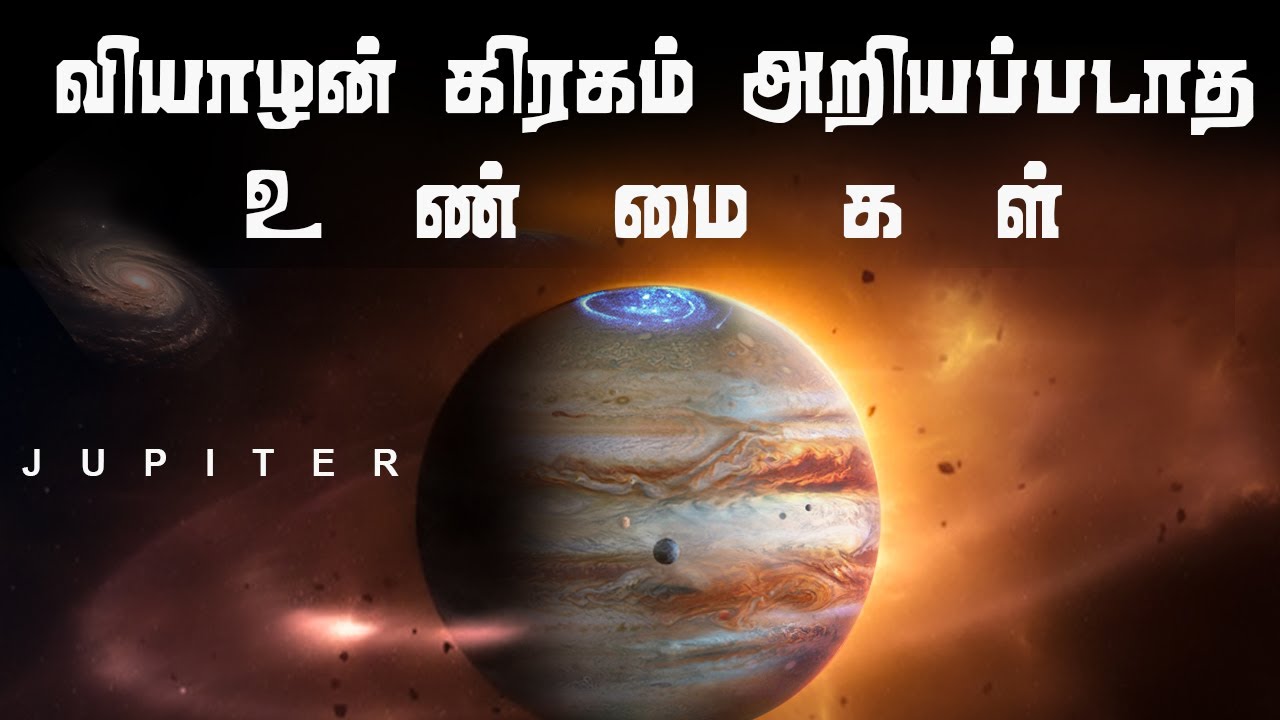
In this video we’re going to see about one of the largest planets in the solar system, The Jupiter (King of the Planet).
Jupiter
Jupiter is fifth planet from the Sun and the largest in the Solar System, the most seasoned and most monstrous world in the nearby solar system. Find out about the planet's history, its Extraordinary Red Spot and maritime moons, and what this antiquated world meant for the development of the solar system's different planets.
The Jupiter ring is divided into three parts. The deepest part is called hello. The middle of the ring is the brightest part. The outermost part of a ring is called a gossamer ring. This ring extends up to 225,000 kilometers from the planet and is 2,000-12.500 kilometers thick.
King of Solar System
The King of the planet, Jupiter, a colossal world that scientists believe can help us better understand the origin of the solar system.
Nine automated rocket have visited the gas planet up until this point, two of which entered into outer space (orbit), permitting us to concentrate on its perplexing, emotional environment more than ever.
The mystery of Jupiter
Yet, Jupiter, actually holds numerous secrets, for example, what lies underneath its strange mists and to jump considerably more profound, what is at its center? Go on an outing within the nearby planet groups biggest planet and figure out researchers' thought process is happening down there, it's very bizarre.
Jupiter is the largest planet in our solar system and one of the most interesting. In this video, we'll explore what Jupiter is, what the Jupiter Red Spot is, and how to learn more about it.
Jupiter is a big planet and you can learn a lot about it by reading articles and watching videos. In this video, we'll provide a basic overview of Jupiter and its many strange and interesting features. Be sure to check out the Jupiter Red Spot for yourself and see for yourself just how amazing this planet is!
Regadrs,
Vaan Veli.
#jupiter #jupiterascending #jupitermoon #lifeonjupiter #nasa #viyalankiragam #jupiterintamil #jupiterfactsintamil #aboutjupiter #jupiterfacts #solarsystem #planetjupiter #biggestplanet #space #cosmology #jupitertamil #whatif #tamil #planets #spacescience #jupiterplanet #planetjupiter #intamil #jupiterplanetexplained #explainjupiter #jupitermass #earthvsjupiter #jupiterstar #iomoon #howmanymoonsinjupiter #europa #ganymede ede #callisto #vaanveli #gk

Hi Everyone,
In this video, we'll explore the life cycle of a neutron star. We'll learn about the power of a neutron star and how it can help us explore the universe!
neutron star life cycle and the power of neutron star
We'll explore the neutron star life cycle and see how the power of a neutron star can influence the evolution of planets and even human beings!
In this video, we'll explore the life cycle of a neutron star. We'll learn about the power of a neutron star and how it can help us explore the universe! We'll see how a neutron star's magnetic field can generate the most powerful bursts of energy in the universe, neutron stars are the smallest and most dense stars in the universe, and they're incredibly strange and mysterious. In this video, we'll explore their life cycle and the power they hold, including their ability to exploded and cause devastating phenomena like supernovae and how this energy can be used to study the origins and evolution of the universe.
we'll explore the life cycle of a neutron star and the incredible power they hold.
Neutron Star Life Cycle | What is Neutron Star? | நியூட்ரான் நட்சத்திரம்
#neutronstar #astronomy #neutronstars #neutronstarintamil #space #neutronstarcollision #nasa #whatif #science #sun #explosion #fusion #universe #blackhole #star #supernova #hydrogen #helium #pulsars #whitedwarf #neutrontamil #redgiantstar #starlifecycyle #neutronstarlifecycle #whatneutronstarmade #howneutronstarbecome #starlifecycleintamil #gk #vaanveli #neutronstartypes #neutronstarweight #neutronstartemperature #tamil #நியூட்ரான்நட்சத்திரம் #starfacts
![விண்வெளியில் சடலங்கள் [ Truth Behind Animals Sent To Space ]](https://i.ytimg.com/vi/pTw015OmDs0/maxresdefault.jpg)
Truth Behind Animals Sent To Space,
Laika was a normal street dog in Russian country, The aim was to find out how long a dog can survive in space. On 3 November 1957 russians launched Laika into space inside a spacecraft named Sputnik-2. It was a one way ticket for laika because there was no way to bring her back to Earth. Space has no boundaries. You must admit that there is something incredibly attractive and mysterious in this dark surrounding our earth, Some of these interesting facts are amazing yet terrifying at the same time. i am really feld bad about the innocent animals that really what happend to them in the history.
Regards,
VaanVeli
#mystery #blackhole #minutesmystery #spacemysteries #spacemysteryintamil #spacemysteriousfacts #spacesnakeintamil #spacedeadbodies #spacedeadbody #விண்வெளியில்சடலங்கள் #spacesnake #nasa #ufo361 #space #aliens #alien #tamil #vaanveli #alientamil #spacenewstamil #spacefactsintamil #spacefacts #animalsinspace #laikaspacedog #doginspace #scaryspacephoto #alienship #moon #moontravel #neilarmstrong #truthbehindanimalssenttospace #gk #whatif #earth #laika #dog #dogs #snake #snakes #snakevideo #space #earth #moon #tamil #milkyway #sciencetamil #astronaut #spaceship #spacex #spacedog #spacesnake #top10 #spacenews #newstamil #tamilnews

Hi,
1000 வருடங்கள் கழித்து நம் பூமி எப்படி இருக்கும் ?
Technological Advancements: The pace of technological progress is likely to continue, with advancements in fields such as artificial intelligence, biotechnology, space exploration, and renewable energy. This could lead to significant improvements in various aspects of human life, including healthcare, communication, and energy production.
Climate Change and Environmental Impact: Addressing climate change will likely be a major challenge. Efforts to transition to renewable energy sources, sustainable practices, and increased conservation may be crucial to mitigate the effects of climate change. The state of the environment will depend heavily on global cooperation and the success of these efforts.
Population and Demographics: The global population is expected to continue growing, but at a slower rate. Demographic shifts, such as aging populations in many developed countries, may have profound social and economic implications.
Space Exploration: Human exploration of space may become more advanced, with potential colonies on the Moon or Mars. Advancements in propulsion systems and space technologies could enable more ambitious missions to explore other planets and celestial bodies.
Biotechnology and Medicine: Advances in biotechnology could lead to breakthroughs in medical treatments, disease prevention, and possibly even increased human longevity. The ethical implications of these technologies would need careful consideration.
Cultural and Societal Changes: Cultural shifts are challenging to predict, but factors such as globalization, increased connectivity, and changes in political and economic systems could influence societies around the world. The role of technology in shaping culture and communication will likely continue to evolve.
Political Landscape: The geopolitical landscape is highly uncertain. The balance of power among nations may shift, and new political structures or alliances could emerge. International cooperation on global issues will be crucial for addressing challenges such as climate change and resource management.
Energy Sources: There may be a continued shift toward renewable energy sources, such as solar, wind, and nuclear power. Advances in energy storage technology could play a critical role in making renewable energy more practical and widespread.
Regards,
Vaan Veli
Santhosh
Follows on Facebook : https://www.facebook.com/vaanveli1
Follows on Instagram : https://www.instagram.com/vaan_veli
#vaanveli #vaan_veli #universe #solarsystem #earth #tamil #1000yearslaterourearth #theearthin1000years #theworldin1000yearsfromnow #earthevolution #earthpollution #waterpollution #airpollution #deforestation #tree #trees #savetrees #plant #oxygen #treesintamil #moon #mars #moonhome #marshome #space #alien #treeplantation #treesforhome #whattreeplanttohome #saveanimals #1000yearslater #earthfootages #gk

Join in our Whatsapp Channel : https://whatsapp.com/channel/0....029VaAmc3xJ3jv0kNNrc
The Drake Equation: The Drake Equation is a probabilistic formula that estimates the number of technologically advanced civilizations in our galaxy. While it is highly theoretical, it demonstrates that the existence of extraterrestrial life is a possibility.
Fermi Paradox: The Fermi Paradox raises the question of why, given the vast number of potentially habitable planets in the universe, we have not yet observed any signs of extraterrestrial civilizations. There are many proposed solutions to this paradox.
Ongoing Scientific Research: Scientists are actively searching for signs of alien life through projects like the Search for Extraterrestrial Intelligence (SETI), the study of extremophiles on Earth, and missions to explore other planets and moons in our solar system, such as Mars and Europa.
UFO Sightings: Unidentified Flying Object (UFO) sightings are often cited as evidence of potential alien encounters. However, the existence of UFOs does not necessarily confirm the existence of extraterrestrial life, as these sightings could have various explanations.
Vast Universe: The universe is incredibly vast, with billions of galaxies, each containing billions of stars and potentially even more planets. The sheer number of planets makes it statistically likely that some may support life.
Goldilocks Zone: Many scientists search for planets within the "Goldilocks zone" or the habitable zone around a star, where conditions might be right for liquid water to exist—a crucial ingredient for life as we know it.
Exoplanets: Astronomers have discovered thousands of exoplanets (planets outside our solar system). Some of these are in the habitable zone and are considered prime candidates in the search for extraterrestrial life.
Fermi Paradox: The Fermi Paradox raises the question of why we haven't yet observed evidence of extraterrestrial civilizations, given the vast number of potentially habitable planets. Many solutions to this paradox have been proposed, including the possibility that advanced civilizations are rare, they self-destruct, or they are simply too far away.
Drake Equation: The Drake Equation is a formula that estimates the number of technologically advanced civilizations in our galaxy. It combines factors like the rate of star formation, the fraction of stars with planets, and the fraction of those planets that could support life.
SETI: The Search for Extraterrestrial Intelligence (SETI) is an ongoing scientific effort to detect signals or signs of intelligent life beyond Earth. This involves listening for radio signals or other technosignatures.
Extremophiles: Some extremophiles, microorganisms on Earth, thrive in extreme conditions like extreme heat, cold, pressure, and radiation. These organisms have expanded our understanding of where life could potentially exist, including on other planets or moons.
Roswell Incident: The Roswell UFO incident in 1947 is one of the most famous alleged UFO sightings. The U.S. military initially stated that they had recovered a "flying disc," but later explained it as a weather balloon.
Crop Circles: Some crop circles are believed to be mysterious geometric patterns created in fields, and some have been associated with UFOs. However, many crop circles are the result of human art and hoaxes.
Extraterrestrial Life in Pop Culture: The concept of aliens and UFOs has had a significant influence on popular culture, with numerous books, movies, and television shows exploring the idea of alien life and UFO encounters.
aliens are real or not ?, aliens in tamil, alien in tamil, ufo in tamil, alien movie,
alien movie footages, Alien Sightings, Alien Encounters, Alien Documentary, Alien Abduction, Alien Movies, UFO and Aliens, Real Aliens, Alien Invasion, Alien Conspiracy Theories, Alien vs Predator, Area 51 Alien, Alien Evidence, Alien Disclosure, Ancient Aliens, Alien Interview,
Regards,
Vaan Veli
Santhosh
Follows on Facebook : https://www.facebook.com/vaanveli1
Follows on Instagram : https://www.instagram.com/vaan_veli
#alien #aliensarereal #whoisalien #whatarealien #ufo #whatisufo #wherearethealienscomesfrom #aliensexplained #alientamil #alienstamil #aliensexplainedintamil #alienrealfootage #uforealfootage #realalien #alienrecentupdate #alienfootages #alienlivevideo #planets #exoplanets #whatisalien #alienvshuman #alientrailerintamil #alienswar #alienvshumanwar #aliens #extraterrestrial #alienencounter #alieninvasion #space #scifi #AlienLife
#area51 #alienconspiracy #ufosighting #alienabduction #ScienceFiction
#ancientaliens #paranormal #alienmovies #alientheories #alienmythology#alienattac k #alienbody #alienfound #aliendetails #aliensize #vaanveli #earth #science #alienfacts
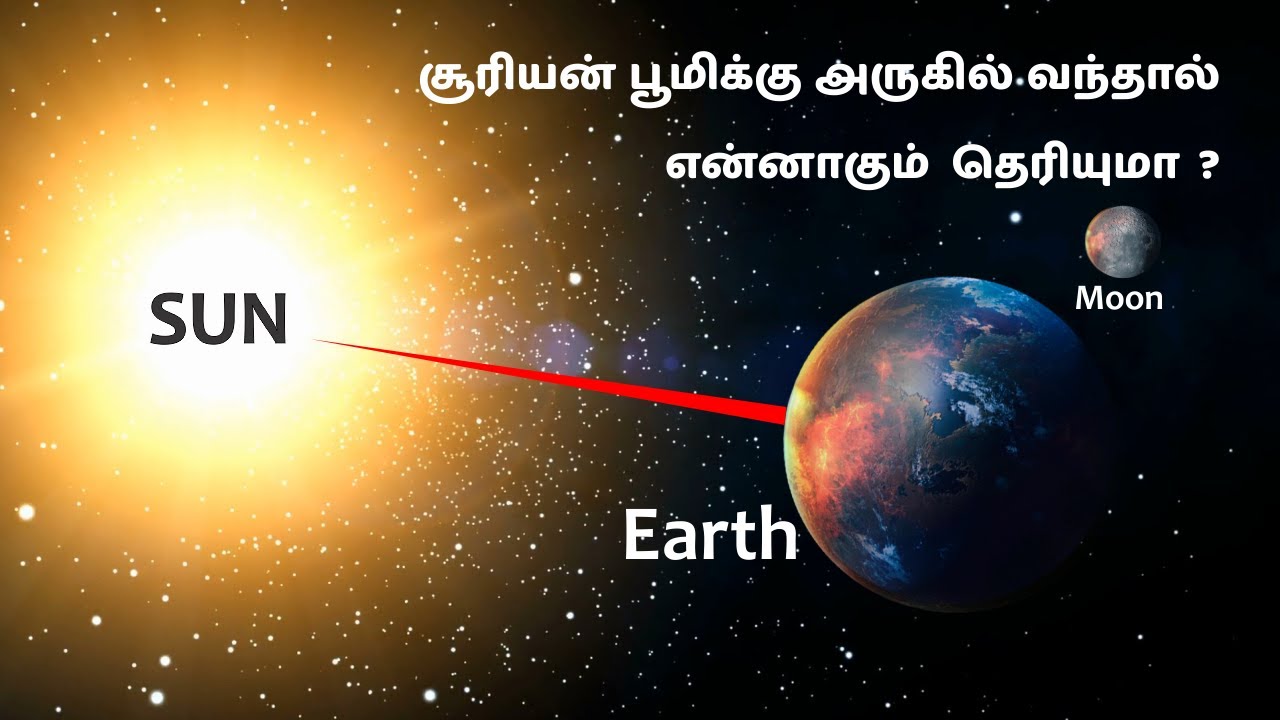
There would be enormous and maybe disastrous effects on our planet and all life on it if the Sun were to move closer to us. However, it is important to make clear that the Sun's distance from Earth is largely steady because of the balance of gravitational forces between the Sun and the planets, including Earth, before we consider the hypothetical scenario. There is almost no likelihood that such an event will occur.
Having said that, let's look at some possible effects of a closer Sun:
Temperature increases: As the Sun approaches Earth, more solar radiation will enter our globe, raising temperatures. This would cause temperatures to significantly rise, resulting in intense heat waves and a surge in the frequency of illnesses and fatalities brought on by the heat. Oceans and the surface of the Earth would warm, affecting habitats and ecosystems.
Rising Sea Levels and Melting Ice Caps: The warmer temperatures would hasten the melting of polar glaciers and ice caps, which would raise the sea level. Flooding would be a possibility in low-lying islands and coastal areas, displacing millions of people and resulting in significant ecological changes.
Global weather patterns would probably shift as a result of a closer Sun since it would probably change atmospheric circulation patterns. While some areas might experience more severe storms, others would endure protracted droughts that have an impact on agriculture and water supplies.
Many plant and animal species have evolved to survive in particular temperature ranges, which has a significant impact on biodiversity. Rapid and large temperature rises have the potential to cause widespread habitat loss and catastrophic extinctions, which would destabilise ecosystems and decrease biodiversity.
Impact on Human civilisation: A closer Sun's effects would be very detrimental to human civilisation. Food shortages, water scarcities, and energy crises would result from the climate and environmental changes, which would also pose a threat to agriculture, water resources, and energy production. To adapt to such extreme changes, significant adaptation efforts would be necessary.
Possible Orbital Changes: The Sun and Earth's gravitational fields are delicately balanced, preserving the planet's stable orbit. A large shift in this equilibrium might potentially modify Earth's orbit, creating new problems and having long-term effects on the climate and habitability of our planet.
Regards,
Vaan Veli
#solarsystem #whatif #sun #solarsystemintamil #whatifsunwasclosertoearth #whatifthesungetsclosertotheearth? #sunfacts #sunfactsintamil #whatifsunenlarge #whatifsunexpand #whatisthesunage #vaanveli #tamil #top10 #science #suntoearthdistance #sundestroyearth #thesun #space #universe #planets #astronomy #spaceexploration #whatifsuncomesclosertoearth #sunfact #thesolarsystem #sunhistory #sunvideo #earthgoingtoend #earthhistory

Hi,
If Jupiter becoming a star would have far-reaching consequences for our solar system and the Earth. The parameters required for Jupiter to become a star, however, are not viable given its current mass and composition.
Jupiter is a gas giant planet made primarily of hydrogen and helium, similar to a small star, but it lacks the mass required to begin nuclear fusion, the process that drives stars. Massive clouds of gas and dust become stars when they collapse under their own gravity and reach a crucial temperature and pressure, allowing nuclear fusion to occur in their centres.
To undergo nuclear fusion and become a star, Jupiter would need to be substantially more massive, roughly 80 times its current mass. Several consequences would result if this occurred:
Additional light and heat: If Jupiter were to become a star, it would emit light and heat in the same way that stars do. However, in comparison to our Sun, it would be faint and considerably cooler.
Changes in the solar system: The arrival of a new star in our solar system would alter its dynamics substantially. The gravitational forces between Jupiter, now a star, and the other planets, including Earth, would create orbital perturbations, potentially leading to orbital alterations and even collisions amongst celestial bodies.
Climate change: The enhanced energy output of a new star in the solar system would have an impact on Earth's climate. However, because Jupiter would still be a minor star, its impact on Earth's temperature would be minimal in comparison to the Sun.
Potential for life: The addition of another star to the solar system may offer additional energy to outer moons such as Europa and Ganymede, increasing the possibilities of life maintaining in those circumstances.
கூடுதல் ஒளி மற்றும் வெப்பம்: வியாழன் ஒரு நட்சத்திரமாக மாறினால், அது ஒரு நட்சத்திரத்தைப் போல ஒளியையும் வெப்பத்தையும் வெளியிடும். இருப்பினும், நமது சூரியனுடன் ஒப்பிடும்போது, அது ஒப்பீட்டளவில் மங்கலாகவும் மிகவும் குளிராகவும் இருக்கும்.
சூரிய குடும்பத்தில் ஏற்படும் மாற்றங்கள்: நமது சூரிய குடும்பத்தில் ஒரு புதிய நட்சத்திரம் இருப்பது அதன் இயக்கவியலை வியத்தகு முறையில் மாற்றிவிடும். வியாழன்-இப்போது-நட்சத்திரம் மற்றும் பூமி உட்பட மற்ற கிரகங்களுக்கு இடையே உள்ள ஈர்ப்பு விசைகள் சுற்றுப்பாதையில் குழப்பங்களை ஏற்படுத்தும், இது சுற்றுப்பாதையில் சாத்தியமான மாற்றங்களுக்கு வழிவகுக்கும் மற்றும் வான உடல்களுக்கு இடையே மோதல்கள் கூட சாத்தியமாகும்.
மாற்றப்பட்ட காலநிலை: சூரிய குடும்பத்தில் ஒரு புதிய நட்சத்திரத்திலிருந்து அதிகரித்த ஆற்றல் வெளியீடு பூமியின் காலநிலையை பாதிக்கும். இருப்பினும், வியாழன் இன்னும் ஒரு நட்சத்திரமாக ஒப்பீட்டளவில் சிறியதாக இருக்கும் என்பதால், சூரியனுடன் ஒப்பிடும்போது பூமியின் காலநிலையில் அதன் தாக்கம் குறைவாக இருக்கும்.
வாழ்க்கைக்கான சாத்தியம்: சூரிய குடும்பத்தில் மற்றொரு நட்சத்திரத்தைச் சேர்ப்பது, யூரோபா மற்றும் கேனிமீட் போன்ற வெளிப்புற நிலவுகளுக்கு அதிக ஆற்றலை வழங்கக்கூடும், இது அந்தச் சூழலில் உயிர்வாழ்வதற்கான வாய்ப்புகளை அதிகரிக்கும்.
Regards,
Vaan Veli
#whatif #jupiter #jupiterstar #jupiterbecameastar #whatifjupiterbecomeastar #jupiterintamil #jupiterplanet #planets #solarsystem #earth #sun #vaanveli #tamil #canjupiterbecomeastar #isjupiterafailedstar #planetjupiter #whatifjupiterbecameastar #jupiterbecomesastar #universe #jupitercouldbeasun #jupiterafailedstar #jupiterasstar #reddwarf #jupiterfacts #space #gravity #வியாழன் #viyaalan #shorts #science #solarsystemfacts #planets #jupitersize

What if the moon disappeared? Would we know what was going on in the world? In this video, we'll explore this question and more.
We'll look at the history of the moon, how it's related to our planet, and how it might be disappearing. We'll also share some theories on what might happen if the moon disappeared. Finally, we'll ask the question: If the moon disappeared, what would happen to our planet? Go ahead and check out the video to find out!
Regards,
Vaan Veli
நிலவு இல்லாத பூமி என்ன ஆகும் தெரியுமா ?
#whatifmoondisappeared #whatif #earth #moon #whatifthemoondisappeared #whatifmoondisappears #earthandmoon #moonfacts #moonfactsintamil #whatifmoondisappearintamil #moontamil #nilavu #moonhistory #historyofthemoon #moonage #moonbrightness #moondistancefromearth #earthvsmoon #space #science #solarsystem #mars #darksideofthemoon #themoon #theuniverse #earthandmoon #whatiftherewasnomoon #moondisappeared #vaanveli #vaanveli #tamil #nila

In this video, we're going to reveal some unbelievable secrets about Pluto. From its size to its atmosphere, we're going to go over everything you need to know about this fascinating planet!
Don't believe the myths about Pluto, learn the truth about this unusual planet in this amazing video! From its size to its atmosphere, we're going to reveal all of the unbelievable secrets about Pluto! Thanks for watching!
Regards,
VaanVeli
Santhosh
#pluto #solarsystem #nasa #plutoplanet #nasapluto #facts #space #science #universe #planet #galaxy #planets #orbit #dwarfplanet #pluto'sheart #plutoice #moonpluto #plutodwarfplanet #plutoplanetintamil #whatif #vaanveli #plutotamil #planetsintamil #solarsystemplanetsintamil #vaanveli #tamil #isplutoaplanet #photoofpluto2022 #latestphotosofpluto #plutoisaplanet #nasarevealspluto #amazingfactsaboutpluto #plutofacts #plutofactsintamil
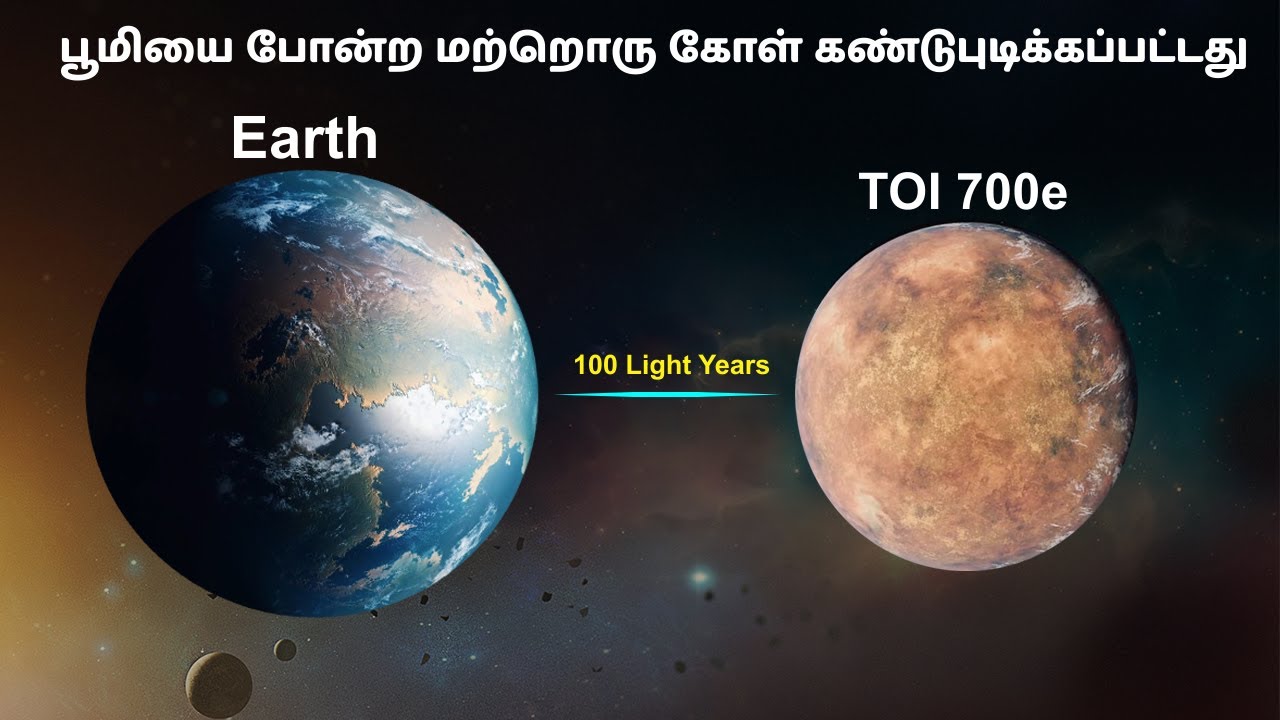
TOI 700 e is the latest planetary discovery in this solar system. In 2020, three other planets were also found orbiting the star TOI 700. Named TOI 700 b, TOI 700 c and TOI 700 d, they too are believed to orbit within the so-called optimistic habitable zone.
TOI 700 is a red dwarf 101.4 light-years away from Earth located in the Dorado constellation that hosts TOI 700 d, the first Earth-sized exoplanet in the habitable zone discovered by the Transiting Exoplanet Survey Satellite.
TOI-700 d is a super Earth exoplanet that orbits an M-type star. Its mass is 1.25 Earths, it takes 37.4 days to complete one orbit of its star, and is 0.1633 AU from its star. Its discovery was announced in 2020.
Regards,
Vaan Veli
#nasa #earth #superearths #space #whatif #science #planets #planets #universe #exoplanets #habitableplanets #earthlikeplanets #superearth2.0 #superearthtamil #superearthplanettamil #exoplanettamil #howmanyexoplanetsarethere #habitablezone #tamil #vaanveli #gk #earth2.0 #betterthanearth #earthtamil #newearth #earth2 #intamil #toi700e #toi-700e #toi700 #toi700esuperearth #toi700eplanet #toi700star #toi700eintamil #toi700esize #toi #vaanveli
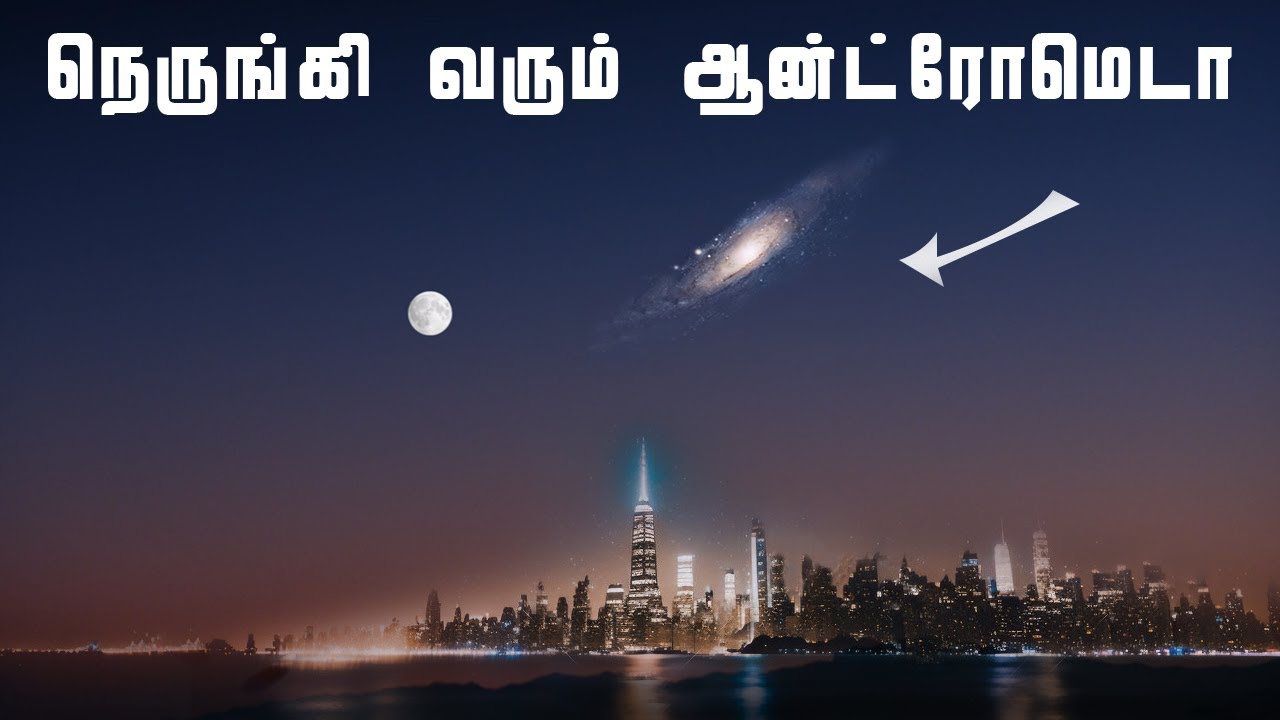
Andromeda galaxy vs Milky way galaxy இரண்டும் ஒன்றுடன் ஒன்று மோதினால் என்ன நடக்கும் தெரியுமா? வீடியோ வ முழுசா பாருங்க தெரிஞ்சுக்கோங்க ,
We'll compare and contrast the Milky Way with the Andromeda galaxy collide in this video. Did you know they're going to clash in 4 billion years? Discover why the impact is significant and what effects it may have on Earth.
This video is an excellent approach to learn about our galaxy and the massive event that is set to occur in 4 billion years. If you're interested in astronomy or space science, don't miss out on this video!
நன்றி
Vaanveli
#milkywayvsandromeda #milkywaycollision #whatreallyhappenswhengalaxiescollide #galacticscollision #galaxycollisionintamil #galaxyintamil #andromedagalaxyintamil #andromedagalaxyfacts #galaxyfacts #spaceintamil #blackhole #supermassiveblackhole #sagittariusa #vaanveli #milkywaywayvsandromedacollision #andromedagalaxy #andromeda #galaxycollision #space #solarsystem #andromedacollision #galaxycollision #galaxytamil
#galaxy #collision #collide
