#science

Hi, See the Top 10 Extinct Animals.
Gorgonopsia:
Gorgonopsia is an extinct clade of sabre-toothed therapsids from the Middle to Upper Permian roughly 265 to 252 million years ago. They are characterised by a long and narrow skull, as well as elongated upper and sometimes lower canine teeth and incisors which were likely used as slashing and stabbing weapons.
Dickinsonia:
Dickinsonia is a genus of extinct organism that lived during the late Ediacaran period in what is now Australia, China, Russia and Ukraine, most likely a basal animal. It is one of the best known members of the Ediacaran biota. The individual Dickinsonia typically resembles a bilaterally symmetrical ribbed oval.
Haikouichthys:
Haikouichthys is an extinct genus of craniate that lived 518 million years ago, during the Cambrian explosion of multicellular life
Astraspis :
Astraspis is an extinct genus of primitive jawless fish from the Ordovician of Central North America including the Harding Sandstone of Colorado and Bighorn Mountains of Wyoming. It is also known from Bolivia.
Pneumodesmus newmani:
Pneumodesmus newmani is a species of myriapod that lived during the late Wenlock epoch of the Silurian period around 428 million years ago.
Nothosaurus :
Nothosaurus is an extinct genus of sauropterygian reptile from the Triassic period, approximately 240–210 million years ago, with fossils being distributed from North Africa and Europe to China. It is the best known member of the nothosaur order
Scutosaurus :
Scutosaurus is an extinct genus of pareiasaur parareptiles. Its genus name refers to large plates of armor scattered across its body. It was a large anapsid reptile that, unlike most reptiles, held its legs underneath its body to support its great weight
Dimetrodon :
Dimetrodon is a genus of non-mammalian synapsid that lived during the Cisuralian age of the Early Permian period, around 295–272 million years ago. It is a member of the family Sphenacodontidae.
Jaekelopterus :
Jaekelopterus is a genus of predatory eurypterid, a group of extinct aquatic arthropods. Fossils of Jaekelopterus have been discovered in deposits of Early Devonian age, from the Pragian and Emsian stages.
Titanichthys :
Titanichthys is an extinct genus of giant, aberrant marine placoderm from shallow seas of the Late Devonian of Morocco, Eastern North America, and possibly Europe. Many of the species approached Dunkleosteus in size and build.
Regards,
Vaan Veli
Santhosh
Follows on Facebook : https://www.facebook.com/vaanveli1
Follows on Instagram : https://www.instagram.com/vaan_veli
#vaanveli #vaan_veli #universe #solarsystem #earth #tamil #animals #extinct #extinction #extinctanimals #extinctspecies #extinctspeciesofanimals #extinctioneventsonearth #5extinction #animal #monsteranimals #top10animals #top10extinctanimals #animalsintamil #extinctanimalsintamil #titanichthys #jaekelopterus #dimetrodon #scutosaurus #nothosaurus #pneumodesmusnewmani #astraspis #dickinsonia #haikouichthys #gorgonopsia #predators #lion #tiger #cheetah #snake #crocodile #fish #gk #science

Dear Friends,
Vaan Veli 1st year anniversary,
நம் வான்வெளி youtube சேனல் ஆரம்பித்து இன்றுடன் ஒரு வருடம் ஆகின்றது, ஆதரவு தந்த அணைத்து நல்ல உள்ளங்களுக்கும், குடும்பத்தினருக்கும், நண்பர்களுக்கும் மனமார்ந்த நன்றி .
Good day, everyone. Our VaanVeli YouTube channel has been running for a year. I am eternally grateful to each and every one of you. Thanks to all my subscribers, commenters, friends, family members and who are all suppoted me and im really thank you from the bottom of my heart, thank you again.
Please continue to support me.
Regards,
VaanVeli
#earthhistory #earth2 #earth #universe #earthtamil #vaanveli #ulagam #earthhistoryintamil #dinosaur #moon #science #earthandmoon #earthandsun #extinsion #whatif #dinosaurs #ourplanet #vaanveli #vaanveli #vaanveli #vaanveli #vaanveli1styearanniversary #vaanvelianniversaryvideo #vaanvelivideos #vaanvelichannel #vaanvelitamil #universevideos #galaxyvideos #milkywaygalaxytamil #thankingvideoforsubscribers #anniversaryvideoforsubscribers #top10 #tamil #volcano
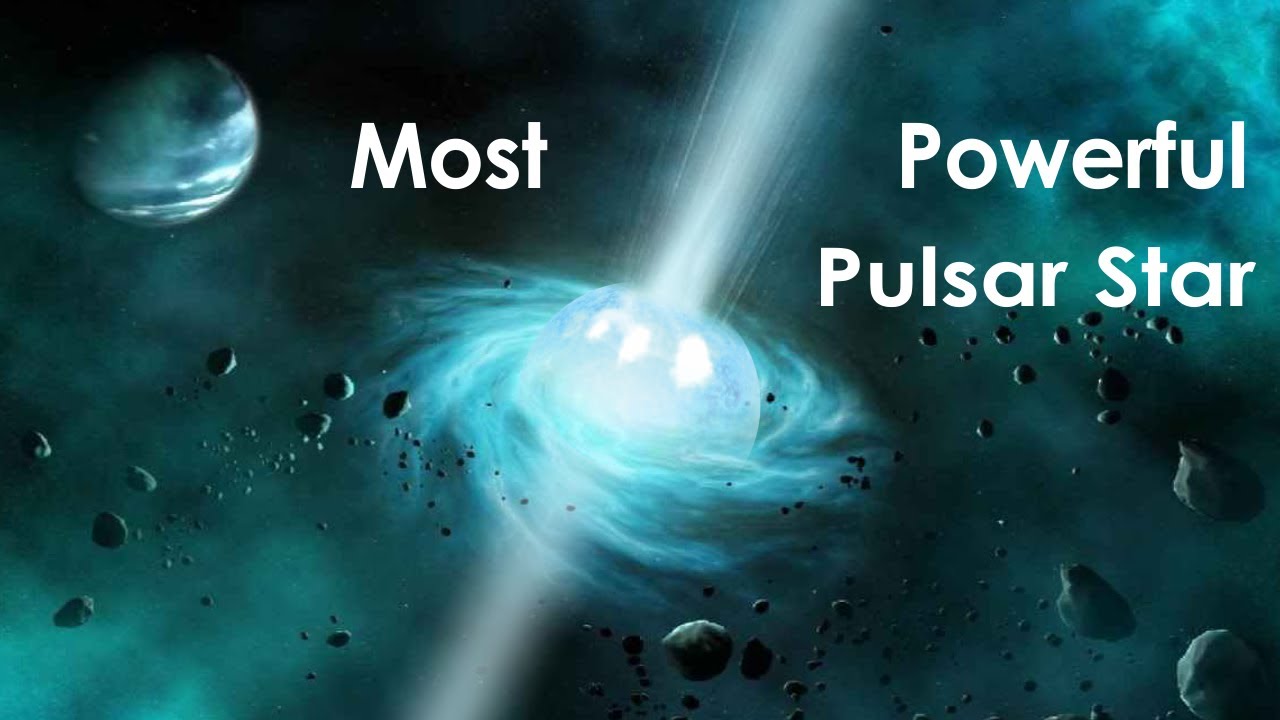
Pulsar நட்சத்திரம் | what is Pulsar star?
In this video, we'll learn what a pulsar is and what makes it so powerful. We'll also learn about the different types of pulsars and how to find them. If you're curious about what makes pulsars so powerful, then this video is for you. We'll learn about the different types of pulsars and why they're so important. We'll also find out about the most powerful pulsar in the universe and why it's so important. After watching this video, you'll have a better understanding of what makes a pulsar so powerful!
Regards,
Vaan Veli
#pulsar #pulsarstars #space #gravity #whatif #universe #blackhole #astronomy #pulse #neutronstars #neutronstars #neutronstarpulsarsound #pulsarstarsounds #youngestneutronstar #pulsarstarnasa #neutronstarformation #pulsarstarsound #whatisapulsar #whatisaneutronstar #pulsartami #pulsarstartamil #vaanveli #tamil #gk #science #whatispulsarstar #puslarstarspeed #howtofindpulsarstar #pulsarstarfacts #factsaboutuniverse #top10 #sciencefactstamil

1000 வருடத்திற்கு மேல் பூமியில் சூரிய ஒளி இல்லாமல் போனால் என்ன நடக்கும் தெரியுமா ? பூமியில் பெரிய எரி கல்லோ அல்லது பெரிய எரிமலையோ வெடித்தால் என்ன நடக்கும் என்பதை காட்டி உள்ளோம், அனைவரும் பார்த்து தங்களின் கருதுக்களை தெரிவிக்கலாம் நன்றி .
What If There was No Sunlight to Earth?
If there was no sunlight reaching Earth, the consequences would be catastrophic for life as we know it. Sunlight is essential for numerous biological and physical processes on our planet. Here are some of the major impacts:
Loss of Photosynthesis: Sunlight is crucial for photosynthesis, the process by which plants and some bacteria convert light energy into chemical energy to produce food. Without sunlight, photosynthetic organisms would be unable to survive, leading to the collapse of the entire food chain.
Ecosystem Disruption: The extinction of plants would result in the extinction of herbivores that rely on them for sustenance. This, in turn, would affect carnivores and other predators in the ecosystem. The disruption would likely cause a mass extinction event.
Temperature Drop: The Sun's energy is responsible for heating the Earth's surface. Without sunlight, the planet would rapidly cool down. The temperature drop would be drastic, leading to extremely cold conditions, especially in areas away from geothermal heat sources.
Loss of Atmospheric Circulation: Sunlight plays a crucial role in driving atmospheric circulation, which includes the formation of weather patterns and wind currents. Without sunlight, the atmosphere would become stagnant, resulting in the loss of weather systems and wind patterns.
Darkness: Obviously, the absence of sunlight would plunge Earth into darkness. The sky would be devoid of the typical blue color, and daylight-dependent activities would become impossible.
Disruption of the Water Cycle: Sunlight provides the energy required for the evaporation of water, which is an essential component of the water cycle. Without sunlight, the water cycle would slow down significantly, affecting rainfall patterns, freshwater availability, and overall climate stability.
Impact on Human Life: Humans, along with other organisms, depend on sunlight for vitamin D synthesis, which is crucial for bone health. The absence of sunlight would lead to widespread vitamin D deficiencies, resulting in health issues. Additionally, agriculture, which heavily relies on sunlight, would be severely affected, leading to food shortages and famine.
Regards,
VaanVeli
#volcano
#earthquake #earth #planets #extinction #clouds #பூமி #volcano #earthquake #planets #extinction #clouds #universe #galaxy #cloud #disaster #vaanveli #animals #explosion #earthattack #climatecrisis #climate #globalwarming #savetheworld #science #dangeredspecies #savetheplanet #sustainability #dinosaurs #environment #extinction #dinosaur #climatechange #wildlife #nature #extinction #supervolvano #yellowstone #asteroid #whatif #earth #whathappensif #nasa #top5 #space #universe #solarsystem #tamil #extinciondinosaurios #shorts

History of our planet EARTH, 460 கோடி ஆண்டுகளுக்கு முன் நம் பூமி உருவாகி அதன் பின் தற்போதைய நிலைக்கு மாறிய விளக்கம் இந்த காட்சியில் தமிழில் கூறப்பட்டுள்ளது . உங்களுடைய கருத்துக்களை கீழ் தெரிவிக்கலாம் நன்றி.
Earth's formation (4.54 billion years ago): The Earth was formed from the dust and gas that surrounded the newborn Sun. The accretion process involved smaller particles colliding and sticking together to form larger bodies, eventually culminating to the formation of the Earth.
2. Hadean Eon (4.54 to 4 billion years ago): Earth was characterized by extreme heat and numerous asteroid collisions throughout this eon. The first oceans formed, and the atmosphere began to form.
Earth History in Tamil, Earth History, History of earth, How earth formed , History of our universe,
Regards,
Vaan Veli
Santhosh
#பூமிஉருவானவரலாறு #earth #human #history #earth, #universe #humanevolution #cretaceous #dinosaur #ourplanet #historyofearthtamil #evolution #பூமிஉருவானவரலாறு #earthhistory #earth #earthtamil #vaanveli #ulagam #earthhistoryintamil #earthhistoryanimation #earthdocumentary #moon #science #earthandmoon #earthandsun #extinsion #howtheearthwasmade #climatechange #whatif #dinosaurs #historyoftheworld #naturaldisasters #ourplanet #historyofearthtamil #humanevolutionexplained #vaanveli #vaan_veli #earthfacts #earthhistory #shorts
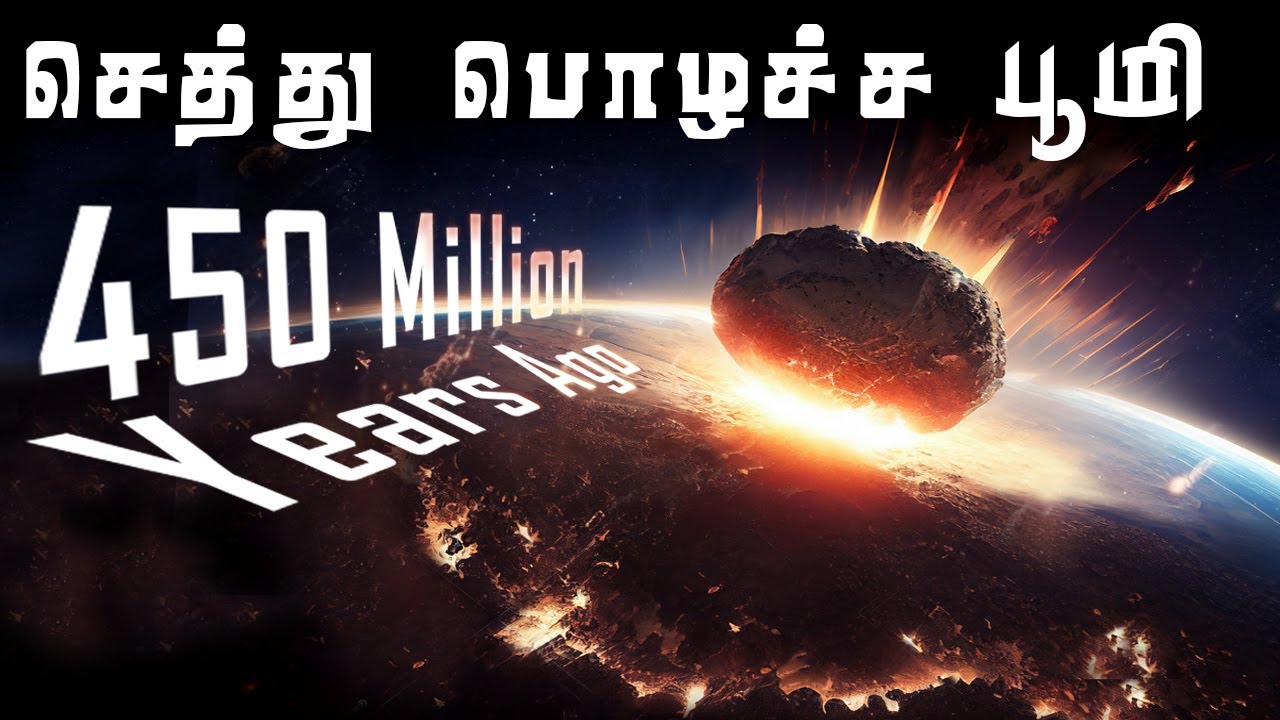
Top Five Extinctions
Ordovician-silurian Extinction: 440 million years ago.
Devonian Extinction: 365 million years ago.
Permian-triassic Extinction: 250 million years ago.
Triassic-jurassic Extinction: 210 million years ago.
Cretaceous-tertiary Extinction: 65 million Years Ago.
Hi,
செத்து பொழச்ச பூமி JUST MISS | Dark Side of the Earth | பூமியின் வரலாறு
நம் பூமி உருவானபோ பல பேரழிவுகளை சந்தித்துள்ளது அதே போல் உயிரினங்கள் எப்படி உருவானது மற்றும் ஏற்பட்ட பேரழிவுகளால் உயிரினங்கள் எப்படி அழிந்தது , அனைத்தையும் நாம் இந்த பதிவில் தெரிந்துகொள்ளலாம்
Approximately 485.4 million to 443.8 million years ago. Here are some key points about the Ordovician period:
Sea Life: The Ordovician is known for the diversification of marine life. It saw the proliferation of various marine organisms, including trilobites, brachiopods, cephalopods, and early fish. Some of the first jawed fish appeared during this period.
Mass Extinction: Toward the end of the Ordovician period, there was a significant mass extinction event known as the Ordovician-Silurian extinction event. It is considered one of the Big Five mass extinctions in Earth's history
Continental Drift: During the Ordovician, the continents were positioned differently than they are today due to the process of plate tectonics.
Devonian extinction:
Timing: The Late Devonian extinction occurred over several million years, spanning the later part of the Devonian period. It's not a single, sudden event like some other mass extinctions.
Affected Organisms: The Devonian extinction primarily affected marine life. It had a particularly significant impact on marine organisms like corals, trilobites, brachiopods, and various types of jawless fish. Some groups, however, such as ammonoids, bony fish, and certain types of sharks, survived the extinction relatively unscathed.
Volcanic Activity: Intense volcanic activity could have released greenhouse gases into the atmosphere, leading to global warming and changes in ocean chemistry.
The Permian-Triassic extinction event, also known as the "Great Dying," is one of the most devastating mass extinctions in Earth's history. It occurred approximately 252 million years ago, marking the boundary between the Permian and Triassic periods. Here are key details about this catastrophic event:
Extent of Extinction: The Permian-Triassic extinction event is considered the most severe mass extinction event in Earth's history. It resulted in the loss of an estimated 90-96% of marine species and around 70% of terrestrial vertebrate species. It affected life on both land and in the oceans.
Volcanic Activity: One leading hypothesis is that extensive volcanic eruptions in an area now known as the Siberian Traps released massive amounts of lava and greenhouse gases. This led to significant global warming, acid rain, and changes in ocean chemistry, contributing to the environmental stress.
The Triassic-Jurassic extinction event is one of the five major mass extinctions in Earth's history, occurring approximately 201 million years ago, at the boundary between the Triassic and Jurassic periods. Here are key details about this extinction event:
Causes: The exact causes of the Triassic-Jurassic extinction are still debated among scientists, but several contributing factors have been proposed:
Volcanic Activity: Intense volcanic activity, particularly the eruption of the Central Atlantic Magmatic Province (CAMP), released large volumes of lava and greenhouse gases into the atmosphere. This led to global warming, ocean acidification, and changes in climate patterns.
Cretaceous-tertiary Extinction:
It occurred approximately 66 million years ago at the boundary between the Cretaceous and Tertiary (now known as the Paleogene) periods. Here are key details about this extinction event:
Extent of Extinction: The K-T extinction event resulted in the extinction of an estimated 75% of Earth's species, including many marine and terrestrial organisms. It is perhaps most famously known for causing the extinction of the non-avian dinosaurs.
Effects on Marine Life: Marine ecosystems experienced significant losses during the K-T extinction. Many marine reptiles, ammonites, and other marine species went extinct. Some groups, such as mammals, crocodiles, and some types of fish, survived the event.
நன்றி
Regards,
Vaan Veli
Santhosh
Follows on Facebook : https://www.facebook.com/vaanveli1
Follows on Instagram : https://www.instagram.com/vaan_veli
#பூமிஉருவானவரலாறு #earthhistory #humanhistory #earth #universe #earthtamil #vaanveli #earthhistoryintamil #earthdocumentary #cretaceous #dinosaur #moon #science #climatechange #naturaldisasters #ourplanet #historyofearthtamil #evolution #evolutionofhuman #humanevolutionexplained #vaanveli #ordovicianextinction #devonianextinction #permiantriassicextinction #triassicextinction #cretaceousextinction #5extinctionsofearth #5extinction #5extinctionsintamil

In this video, I'm going to show you the size and impact information about Asteroids in 3D that have fallen on our planet earth. I'll show you how to compare the size of different asteroids and how deadly they can be when they fall to Earth. This information can help you understanding the potential damage an asteroid could cause if it were to hit Earth.
This video is a great tool for learning about the dangers of asteroid collisions, and helping you to understand the impact that they can have on our planet. I'll also share with you some useful information about how to keep yourself and your family safe from potentially deadly asteroid falls!
நம் பூமியில் விழுந்த விண் கர்களின் அளவும் அதன் தாக்கம் பற்றிய தகவல்களை உங்களுக்கு 3D இல் காட்டியுளேன், வீடியோ பார்த்து மகிழுங்கள். உங்களின் ஆதரவுக்கு மிக்க நன்றி.
Regards,
Vaan Veli
#asteroid #meteor #sizecomparison #comparison #asteroidcomparison #asteroidsizecomparison #asteroidssizecomparison #size #sizecomparisonofasteroids #asteroidsize #cratersizecomparison #meteorsizecomparison #largestasteroidcomparison #3dcomparison #3dsizecomparison #comparisonvideo #chelyabinskmeteor #tunguska #bennu #ryugu #shoemaker #encke #popigaicrater #chicxulub #halleyscomet #1036ganymed #comethalebopp #vaanveli #gk #tamil #cretaceous #earthextinction #top10 #vaanveli #vaan_veli #science #bennuasteroid #asteroidbennu #asteroidsample #bennuasteroidsample #asteroidsamplebennu #nasaasteroidproject

Hi,
பூமியின் தங்கச்சி விடிவெள்ளி,
Venus is the second planet from the Sun and is commonly referred to as Earth's "sister planet" due to its similar size and composition. It is the closest planet in our solar system to Earth.
Venus is quite comparable to Earth in size, with a diameter of around 12,104 kilometres (7,521 miles), making it the second-largest terrestrial planet after Earth.
Extreme Surface Temperature: The surface of Venus is extremely hot, with temperatures reaching over 900 degrees Fahrenheit (475 degrees Celsius). Despite being further from the Sun, this is hotter than the surface of Mercury.
Venus has a thick and dense atmosphere that is mostly made up of carbon dioxide (approximately 96.5%) with traces of sulphur dioxide and nitrogen. This atmosphere has a high greenhouse effect, trapping heat and contributing to the planet's severe temperatures.
Venus revolves on its axis in the opposite direction as the majority of the planets in our solar system, a phenomenon known as retrograde rotation. It rotates slowly, taking approximately 243 Earth days to complete one rotation, thus its day (one full day-night cycle) is actually shorter than its year (approximately 225 Earth days).
No Moons or Rings: Unlike many other planets in our solar system, Venus has no moons or rings.
Volcanic Activity: It is thought that Venus had a geologically active history with substantial volcanic activity. Its surface is covered in numerous of volcanoes, including the colossal Maxwell Montes, Venus's tallest peak.
Extreme Pressure: The pressure on Venus's surface is approximately 92 times that of Earth's surface, which is similar to the pressure found 900 metres (3,000 feet) underwater on Earth.
Venus has no liquid water on its surface because of its high temperatures and dense atmosphere. Any water that existed in the past is likely to have evaporated and escaped into space.
Exploration of Spacecraft: Several spacecraft have been despatched to Venus to examine its surface and atmosphere. In the 1990s, NASA's Magellan mission utilised radar to map the planet's surface in great detail, revealing features such as volcanoes and enormous highland regions.
Future Exploration: Future missions to Venus were planned as of my last information update in September 2021, including NASA's VERITAS (Venus Emissivity, Radio Science, InSAR, Topography, and Spectroscopy) and ESA's EnVision missions. These missions aim to learn more about Venus and its geology.
Regards,
Vaan Veli
Santhosh
Follows on Facebook : https://www.facebook.com/vaanveli1
Follows on Instagram : https://www.instagram.com/vaan_veli
#vaanveli #vaan_veli #universe #solarsystem #earth #tamil #venus #venustamil #venusfacts #venusplanet #solarsystemplanets #venusfactsintamil #venusplanetintamil #twinsister #hottestplanetinsolarsystem #planetvenus #lifeonvenus #space #venussurface #nasa #science #factsaboutvenus #venusphoto #planet #volcanoes #volcano #volcanoonvenus #venustemperature #venusmission #vidivelli #vidivellinatchathiram #velligraham #whatisvidivelli #வீனஸ் #வீனஸ்கிரகம் #graham #twinsisters #whoisthesisterofourearth #earthsister #brightestplanet #brightestplanetinoursolarsystem

Hi,
Star Classification: The Sun is a G-type main-sequence star, often referred to as a G-dwarf star or a yellow dwarf.
Size and Mass: The Sun is about 109 times the diameter of Earth and approximately 333,000 times its mass. It accounts for about 99.86% of the total mass of the entire Solar System.
Energy Source: The Sun's energy comes from nuclear fusion reactions occurring in its core, where hydrogen nuclei fuse to form helium, releasing a tremendous amount of energy in the process.
Light Travel Time: The sunlight we see from the Sun actually left its surface about 8 minutes and 20 seconds ago. This is because light takes time to travel the distance between the Sun and Earth.
Surface Temperature: The Sun's surface, known as the photosphere, has an average temperature of around 5,500 degrees Celsius (9,932 degrees Fahrenheit). However, the Sun's core temperature reaches millions of degrees Celsius due to the fusion reactions taking place there.
Solar Flares and Sunspots: The Sun's surface is not uniformly smooth. It has dark spots called sunspots, caused by the Sun's magnetic activity. Solar flares, which are bursts of energy and radiation, can also occur due to this magnetic activity.
Solar Wind: The Sun constantly emits a stream of charged particles called solar wind. This solar wind affects the space environment of the entire Solar System and interacts with the planets' magnetospheres.
Life Cycle: The Sun is approximately 4.6 billion years old and is roughly middle-aged in terms of its life cycle. It's currently in the phase where it's fusing hydrogen into helium in its core.
Future Evolution: In about 5 billion years, the Sun will exhaust its hydrogen fuel and enter a phase where it expands into a red giant, swallowing up Mercury, Venus, and possibly Earth. Eventually, it will shed its outer layers and become a white dwarf.
Solar Eclipses: Solar eclipses occur when the Moon passes between the Earth and the Sun, blocking out the Sun's light. Total solar eclipses happen when the apparent size of the Moon matches that of the Sun, creating a stunning visual effect.
Composition: The Sun is primarily composed of hydrogen (about 74%) and helium (about 24%). Other elements, such as oxygen, carbon, neon, and iron, make up the remaining percentage of its composition.
Size: The Sun is an average-sized star, classified as a G-type main-sequence star (G2V). Its diameter is about 109 times that of Earth, and it could fit more than 1.3 million Earths inside it.
Energy Source: The Sun generates energy through a process called nuclear fusion, where hydrogen nuclei combine to form helium, releasing an immense amount of energy in the form of light and heat.
Temperature: The temperature at the Sun's core is estimated to be around 15 million degrees Celsius (27 million degrees Fahrenheit). The surface temperature, known as the photosphere, is about 5,500 degrees Celsius (9,932 degrees Fahrenheit).
Light Travel Time: It takes about 8 minutes and 20 seconds for light from the Sun to reach Earth. This means that when we look at the Sun, we are actually seeing it as it appeared over 8 minutes ago.
Sunspots: Sunspots are temporary dark spots that appear on the Sun's surface due to magnetic activity. They are cooler regions compared to the surrounding areas and can vary in size.
Solar Flares and Coronal Mass Ejections (CMEs): The Sun occasionally experiences explosive events known as solar flares and CMEs, releasing bursts of energy and charged particles into space. These phenomena can affect Earth's space environment and cause geomagnetic storms.
Solar Wind: The Sun constantly emits a stream of charged particles called solar wind, which flows outward into space and influences the heliosphere, the region dominated by the Sun's magnetic field.
Lifecycle: The Sun is currently about 4.6 billion years old and is estimated to have a total lifecycle of around 10 billion years. It is currently in the middle stage of its life, where it fuses hydrogen into helium in its core.
Importance to Earth: The Sun is essential for life on Earth. It provides light and heat necessary for maintaining suitable conditions for life. It also drives the Earth's climate, weather, and various natural processes.
Sun's Magnetic Field: The Sun has a complex and dynamic magnetic field that gives rise to various solar phenomena, including sunspots, flares, and CMEs.
Regards,
VaanVeli
Santhosh
#sun #sunfacts #facts #sunfact #sunfactstamil #sunfactsintamil #solarsystem #solarsystemplanets #solarsystemintamil #sooriyan #sooriyaninunmaigal #vaanveli #vaan_veli #thesun #tamil #gk #whatif #top10factsaboutthesun #10sunfacts #factsaboutthesun #spacefacts #factsaboutsun #sunfactsandhistory #whatisthesun #amazingfacts #howhotisthesun #shorts #interestingfacts #thesunfacts #suninformationintamil #oursun #science #allaboutthesun #சூரியன் #சூரியனின்உண்மைகள் #சூரியகுடும்பம்

Hi,
In this video, we're going to talk about Super Earth, a planet that's better than Earth. We'll discuss the advantages of living on Super Earth, and why you should want to live on this planet.
If you're looking for a better planet to live on, then you should check out Super Earth. Super Earth has a lot of advantages over Earth, including a much better environment and a much higher standard of living. In this video, we'll discuss these advantages and why you should want to live on Super Earth!
Regards,
Vaan Veli
Santhosh
Follows on Facebook : https://www.facebook.com/vaanveli1
Follows on Instagram : https://www.instagram.com/vaan_veli
#betterthanourearth
#பூமியைபோன்றகோள்கள்
#பூமி
#betterthanearth
#superearthplanet #superearthnewplanetsfound #nasa #earth #superearth #exoplanet #space #whatif #science #keplerplanet #planet #planets #theuniverse #exoplanets #habitableplanets #earthlikeplanets #earthlikeplanet #exoplanetslikeearth #superearth2.0 #superearthtamil #superearthplanettamil #exoplanettamil #howmanyexoplanetsarethere #aliens #habitablezone #tamil #vaanveli #gk #gktamil #top10superearth #kepler454b #earth2 #betterthanearth #earthtamil #blackhole #moon #solarsystem #volcano #earth2.0
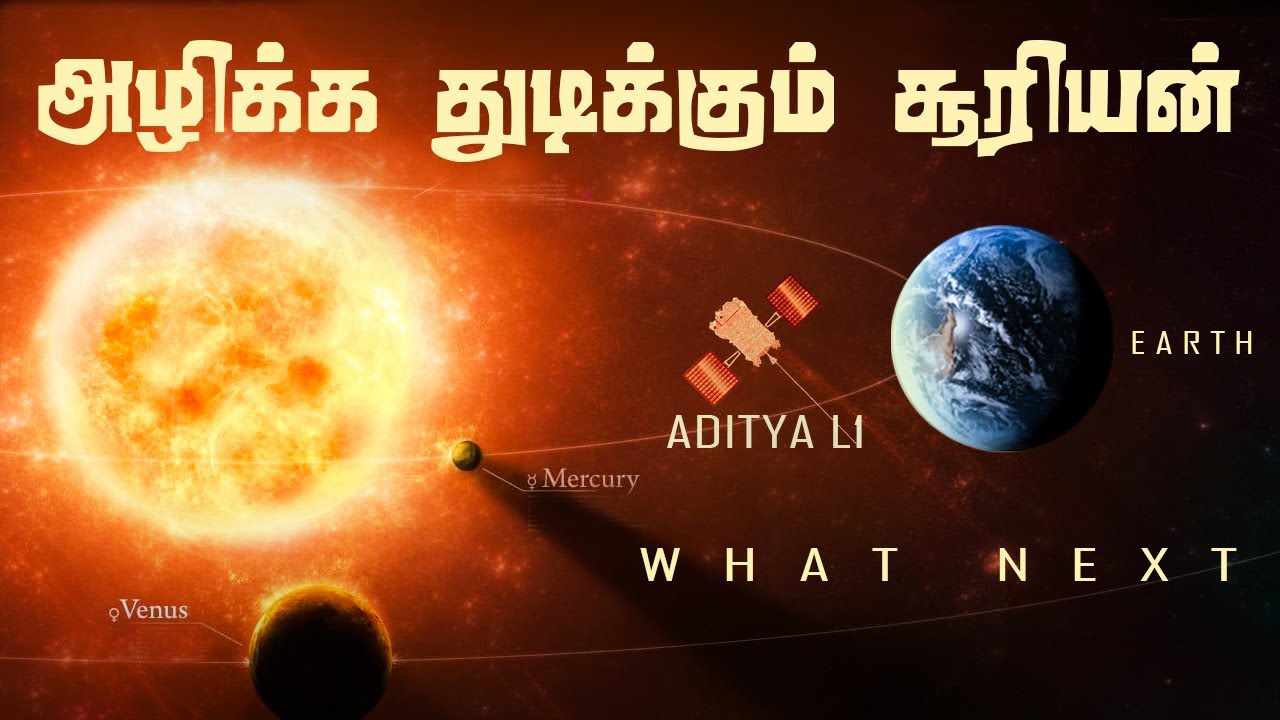
#vaanveli #adityal1 #sunfacts
Sun Facts 1:
https://youtu.be/ok3U2N1gclU?si=UWtwxEmqlaPY-PeV
Sun Facts 2:
https://youtu.be/YTZ712B7C2g?si=I1_IL8igigv8_IRz
நட்சத்திரத்தின் அணுக்கரு இணைவு :
https://youtu.be/zEztpqIV9bk?si=XWtQzMZuUFQM_SLq
சூரியன் பூமிக்கு அருகில் வந்தால் என்ன ஆகும் ?
https://youtu.be/dvALnR3n3Dc?si=G7_Z9V8vJftxBmo-
அழிவின் விளிம்பில் அடுத்த தலைமுறை :
https://youtu.be/NCWBWYoxzkw?si=pFlUHZQp-dpVWIuG
Follows on Facebook : https://www.facebook.com/vaanveli1
Follows on Instagram : https://www.instagram.com/vaan_veli
Hi,
Aditya L1 will be India's first space-based mission to study the Sun. The spacecraft will be positioned in a halo orbit around the Sun-Earth system's Lagrange point 1 (L1), which is approximately 1.5 million kilometres away from Earth. A satellite in halo orbit around the L1 point has the significant benefit of continuously viewing the Sun with no occultation/eclipses. This will give us a better chance of seeing solar activity and its impact on space weather in real time. The spacecraft includes seven payloads that will use electromagnetic, particle, and magnetic field detectors to study the photosphere, chromosphere, and the Sun's outermost layers (the corona). Four payloads directly see the Sun from the exceptional vantage point L1, while the remaining three payloads conduct in-situ particle and field studies at the Lagrange point L1, offering essential scientific studies of the propagatory influence of solar dynamics in the interplanetary medium.
The Aditya L1 payload suites are intended to offer critical information for understanding the problem of coronal heating, coronal mass ejection, pre-flare and flare activities and their characteristics, dynamics of space weather, particle and field propagation, and so on.
Objectives of Science:
The Aditya-L1 mission's primary scientific goals are as follows:
Dynamics of the solar upper atmosphere (chromosphere and corona).
The investigation of chromospheric and coronal heating, the physics of partly ionised plasma, the start of coronal mass ejections, and flares.
Observe the in-situ particle and plasma environment for data on particle dynamics from the Sun.
The solar corona's physics and heating mechanism.
Coronal and coronal loops plasma diagnostics: Temperature, velocity, and density are all variables.
CME evolution, dynamics, and genesis.
Determine the sequence of processes that occur at many levels (chromosphere, base, and extended corona) and lead to solar eruptive events.
Topology of magnetic fields and magnetic field measurements in the solar corona.
Space weather drivers (the genesis, composition, and behaviour of solar wind.
Aditya-L1's instruments are designed to observe the solar atmosphere, specifically the chromosphere and corona. At L1, in-situ instruments will observe the local environment. There are seven payloads on board, four of which perform distant sensing of the Sun and three of which perform in-situ observation.
Regards,
Vaan Veli
Santhosh
#vaan_veli #universe #solarsystem #earth #tamil #adityal1launch #isro #chandrayaan3 #isrolive #isroofficial #adityal1mission #sun #isroadityal1mission #adityal1missionlive #aditya #adityal1 #adityal1isro #isrosunmission #ஆதித்யாL1 #sunfacts #sunmission #adithyal1 #adityal1vssun #sunvsadityal1 #sunflare #sunstorm #sooriyapuyal #volcanoinsun #solarstormintamil #solarvolcanointamil #solar #solarcycloneintamil #adityal1intamil #storm #gk #science #sciencetamil #stormtamil #solarsystemfacts
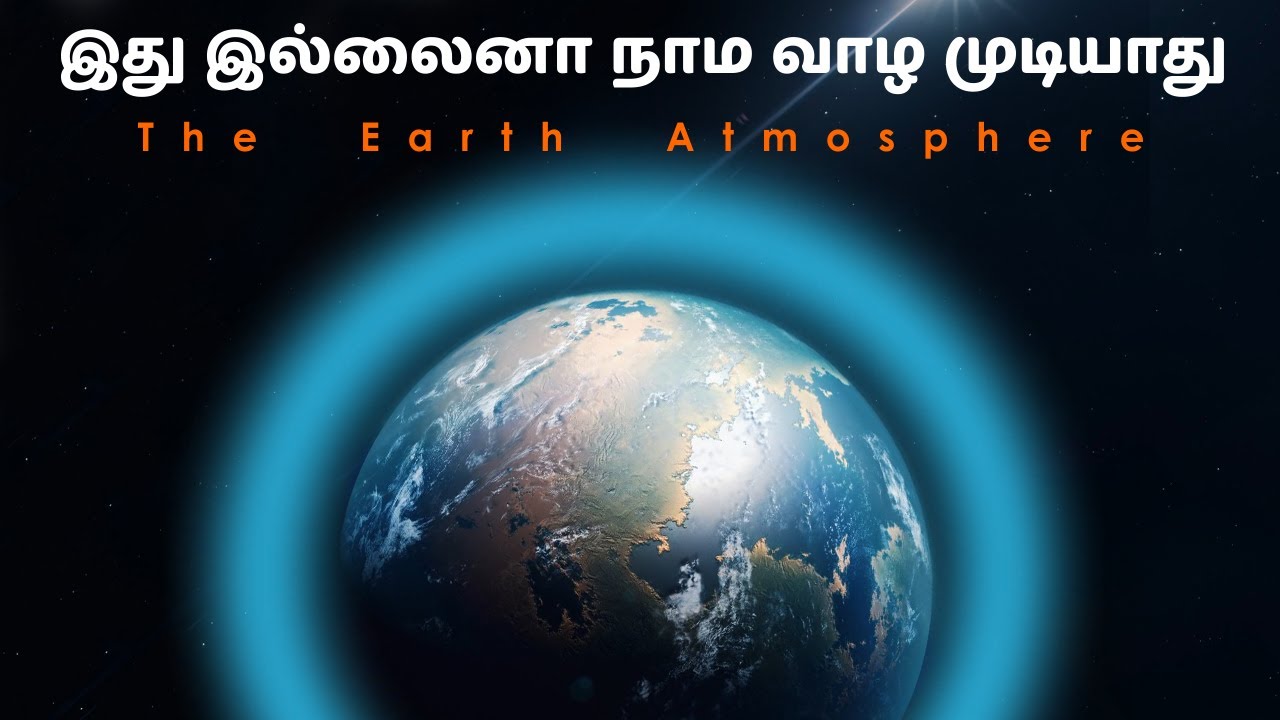
Hi Everyone,
We have showed types of earth atmosphere and ozone layer benifits in this video, i hope you love it, kindly support us if you like this video thanks .
Regards,
Vaan veli.
#பூமியின்வளிமண்டலம் #earth #earthatmosphere #earthatmospherelayers #ozone #ozonelayer #science #weather #atmosphere #planets #oxygen #layersoftheearth #layersofatmosphere #layersoftheatmosphere #thermosphere #layersofatmospehere #differentlayersofatmosphere #atmosphereexplained #whatisatmosphere #stratosphere #mesosphere #exosphere #troposphere #வளிமண்டலம் #vaanveli #tamil #whatif #gk #solarsystem #ozonelayerhole #whatisozonelayer #ozonelayerintamil #top10
Subscribe செய்யாமல் வீடியோ பார்ப்பவர்கள் : Not subscribed 96.6%
Subscribe செய்து வீடியோ பார்ப்பவர்கள் : Subscribed 3.4%
நீங்கள் எங்களுக்கு கொடுக்கும் ஆதரவினால் மட்டுமே நாங்கள் உங்களுக்கு தொடர்ந்து இன்னும் சிறந்த விடீயோக்களை உற்சாகத்துடன் பதிவிடமுடியும் நன்றி 🙏
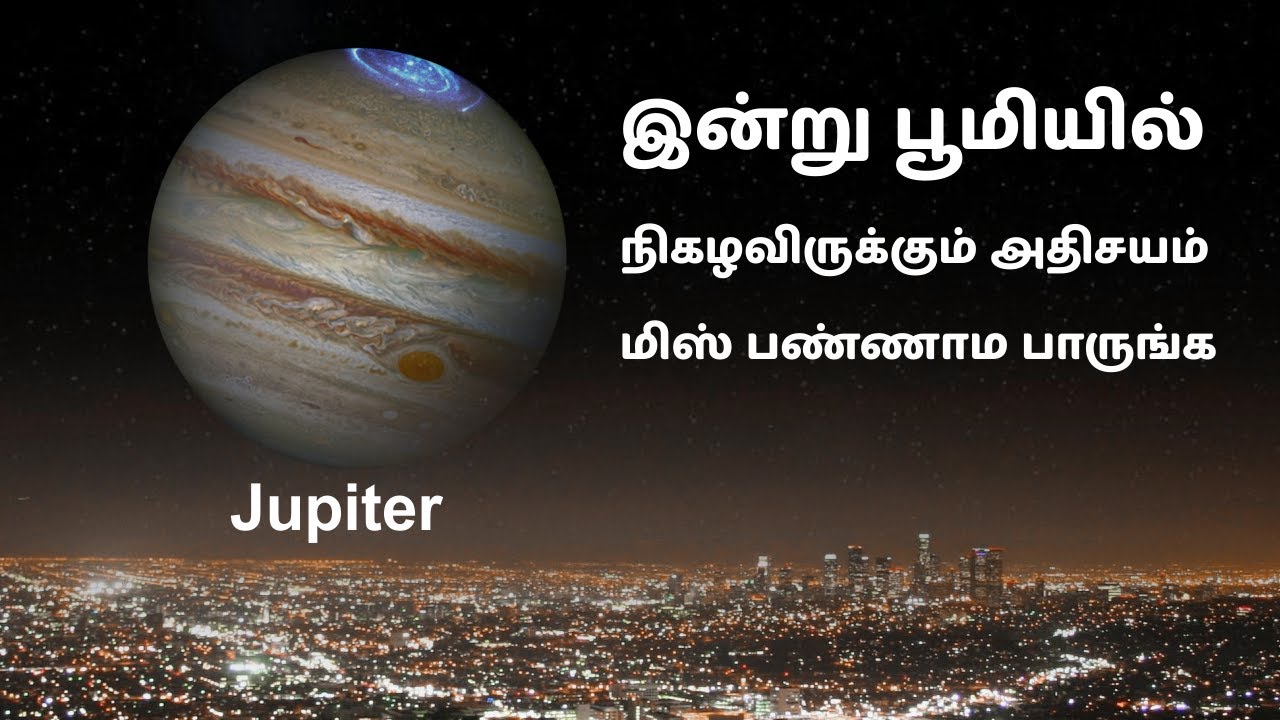
The Solar System’s largest planet Jupiter will hang in the skies later this month as it comes closest to Earth in nearly 70 years.
Jupiter will be closer to Earth than usual on September 26.
According to NASA, this will be the nearest the largest planet in the solar system has been to Earth in nearly six decades.
Scientists say Jupiter will appear bigger and brighter because it will “only” be 367 million miles away. That’s almost half the distance the planet is from the Earth at its farthest.
Experts say the best place to get a view of Jupiter on Monday will be a highly elevated spot in a dark and dry area.
Regards,
Vaanveli.
#jupiter #nasa #solarsystem #earth #whatif #planets #moon #thesun #jupitertomorrow #howclosejupitercomestoearth #todayjupiter #jupitertonightinthesky #jupitertoday #jupitertodaylive #jupitertamil #vyalan #vyalantamil #tamil #veenveli #earthtojupiterdistance #videoofjupiter #photosofjupiter #jupitervideo #gk #live #jupiternews #jupiterandearth #earthandjupiter #distance #howtoseejupiterfromearth #howclosejupiter #wheretoseejupiter #science #earth #news #tamilnews

Hi All,
The Chicxulub asteroid is a term commonly used to refer to the massive asteroid or comet impact that occurred approximately 66 million years ago. This impact is believed to be the primary cause of the Cretaceous-Paleogene (K-Pg) extinction event, which resulted in the extinction of about 75% of plant and animal species on Earth, including the dinosaurs.
The impact site is located near the town of Chicxulub in Mexico's Yucatan Peninsula. The asteroid or comet that struck Earth was estimated to be about 6 miles (10 kilometers) in diameter. The impact released an enormous amount of energy, equivalent to billions of atomic bombs, causing widespread devastation.
The impact triggered a chain of catastrophic events, including massive earthquakes, tsunamis, and wildfires. It also released an enormous amount of dust, soot, and vaporized rock into the atmosphere, blocking sunlight and causing a global cooling effect. The reduced sunlight led to a significant decrease in photosynthesis, disrupting the food chain and causing the extinction of many plant and animal species.
The Chicxulub impact left a distinct crater, which was discovered in the early 1990s through geological surveys and subsequent drilling. The crater measures approximately 93 miles (150 kilometers) in diameter and is buried beneath layers of sediment.
The study of the Chicxulub impact has provided valuable insights into the dynamics of large asteroid or comet impacts and their potential effects on Earth's ecosystems. It has also contributed to our understanding of the history of life on Earth and the mechanisms of mass extinctions.
The Chicxulub impactor, also known as the Chicxulub asteroid or the K-Pg asteroid, refers to a massive asteroid or comet that is believed to have struck the Earth approximately 66 million years ago. The impact of this asteroid is considered to be a significant event in Earth's history as it is widely associated with the mass extinction event that led to the demise of the dinosaurs and many other species.
Here are some key details about the Chicxulub impactor:
Size and Impact: The Chicxulub impactor is estimated to have been about 6 to 9 miles (10 to 15 kilometers) in diameter. When it struck the Earth, it unleashed an immense amount of energy, equivalent to billions of nuclear bombs.
Location: The impact site is located near the town of Chicxulub in the Yucatan Peninsula of modern-day Mexico. The region is known for a prominent crater, known as the Chicxulub crater, which was discovered in the early 1990s.
Extinction Event: The impact of the Chicxulub asteroid is widely believed to have caused or significantly contributed to the Cretaceous-Paleogene (K-Pg) mass extinction event. This event led to the extinction of approximately 75% of all species on Earth, including non-avian dinosaurs.
Environmental Effects: The impact generated a massive amount of heat, causing widespread wildfires and releasing enormous quantities of dust, ash, and gases into the atmosphere. This resulted in a global climate change event, with a significant drop in temperature and a reduction in sunlight reaching the Earth's surface. These changes severely disrupted ecosystems and led to the extinction of many plant and animal species.
Crater Formation: The impact created a crater that is approximately 93 miles (150 kilometers) in diameter and 12 miles (20 kilometers) in depth. Over time, geological processes and erosion have modified the original structure, but the remnants of the crater are still visible.
Discovery and Confirmation: The presence of a large impact crater in the Yucatan Peninsula was first proposed in the late 1970s. In the early 1990s, scientific drilling in the region provided evidence supporting the hypothesis that the Chicxulub impactor was responsible for the K-Pg mass extinction event.
Regards,
VaanVeli
#asteroid #chicxulubcrater #earth #chicxulub #chicxulubasteroid #chicxulubintamil #chicxulubasteroidintamil #vaanveli #tamil #whatif #asteroidcomparison #asteroidsize #asteroidintamil #craterintamil #dinosaur #dinosaurs #shorts #dinosaurus #dinosaurvideos #dinosaurvideojurassic #dinosaurextinction #chicxulubimpact #impact #thechicxulubimpactor #science #extinction #asteroidimpact #dinosaursintamil #chicxulubimpactsimulation #asteroidhitearth #solarsystem #asteroidbelt #gk #animals #dino

Hi Everyone,
In this video, we'll explore the life cycle of a neutron star. We'll learn about the power of a neutron star and how it can help us explore the universe!
neutron star life cycle and the power of neutron star
We'll explore the neutron star life cycle and see how the power of a neutron star can influence the evolution of planets and even human beings!
In this video, we'll explore the life cycle of a neutron star. We'll learn about the power of a neutron star and how it can help us explore the universe! We'll see how a neutron star's magnetic field can generate the most powerful bursts of energy in the universe, neutron stars are the smallest and most dense stars in the universe, and they're incredibly strange and mysterious. In this video, we'll explore their life cycle and the power they hold, including their ability to exploded and cause devastating phenomena like supernovae and how this energy can be used to study the origins and evolution of the universe.
we'll explore the life cycle of a neutron star and the incredible power they hold.
Neutron Star Life Cycle | What is Neutron Star? | நியூட்ரான் நட்சத்திரம்
#neutronstar #astronomy #neutronstars #neutronstarintamil #space #neutronstarcollision #nasa #whatif #science #sun #explosion #fusion #universe #blackhole #star #supernova #hydrogen #helium #pulsars #whitedwarf #neutrontamil #redgiantstar #starlifecycyle #neutronstarlifecycle #whatneutronstarmade #howneutronstarbecome #starlifecycleintamil #gk #vaanveli #neutronstartypes #neutronstarweight #neutronstartemperature #tamil #நியூட்ரான்நட்சத்திரம் #starfacts

HI,
Composition: The Sun is primarily composed of hydrogen (about 74%) and helium (about 24%), with trace amounts of other elements.
Size: The Sun is an average-sized star, about 1.4 million kilometers (870,000 miles) in diameter. It's so large that about 1.3 million Earths could fit inside it.
Energy Source: The Sun generates energy through a process called nuclear fusion, where hydrogen atoms fuse to form helium. This process releases a tremendous amount of energy in the form of light and heat.
Temperature: The core of the Sun is incredibly hot, with temperatures reaching around 15 million degrees Celsius (27 million degrees Fahrenheit). The surface temperature, known as the photosphere, is cooler at about 5,500 degrees Celsius (9,932 degrees Fahrenheit).
Energy Output: The Sun emits an estimated 3.8 x 10^26 watts of energy, which is equivalent to the energy produced by about 100 billion nuclear bombs exploding every second.
Light Speed: It takes about 8 minutes and 20 seconds for sunlight to travel from the Sun's surface to Earth.
Life Cycle: The Sun is currently in the middle of its main sequence phase, where it has been shining for about 4.6 billion years. It's expected to continue this phase for another 5 billion years or so.
Solar Flares: The Sun occasionally experiences solar flares, which are intense bursts of radiation and energy. These flares can cause disruptions to communication systems and power grids on Earth.
Sunspots: Sunspots are cooler, darker areas on the Sun's surface caused by magnetic activity. They often occur in cycles, with the number of sunspots waxing and waning over an 11-year period.
Solar Wind: The Sun emits a stream of charged particles called solar wind, which constantly flows outward in all directions. This solar wind interacts with Earth's magnetosphere and can create phenomena like the auroras (northern and southern lights).
Gravity: The Sun's enormous mass creates a strong gravitational pull that keeps all the planets in our solar system, including Earth, in orbit around it.
Eclipses: Solar eclipses occur when the Moon passes between the Earth and the Sun, blocking out some or all of the Sun's light. Total solar eclipses, where the Sun is completely obscured, are rare and awe-inspiring events.
Regards,
VaanVeli
#sun #sunfacts #facts #sunfact #sunfactstamil #sunfactsintamil #solarsystem #solarsystemplanets #solarsystemintamil #sooriyan #sooriyaninunmaigal #vaanveli #vaan_veli #thesun #tamil #gk #whatif #top10factsaboutthesun #10sunfacts #factsaboutthesun #spacefacts #factsaboutsun #sunfactsandhistory #whatisthesun #amazingfacts #howhotisthesun #shorts #interestingfacts #thesunfacts #suninformationintamil #oursun #science #allaboutthesun #சூரியன் #சூரியனின்உண்மைகள் #சூரியகுடும்பம்
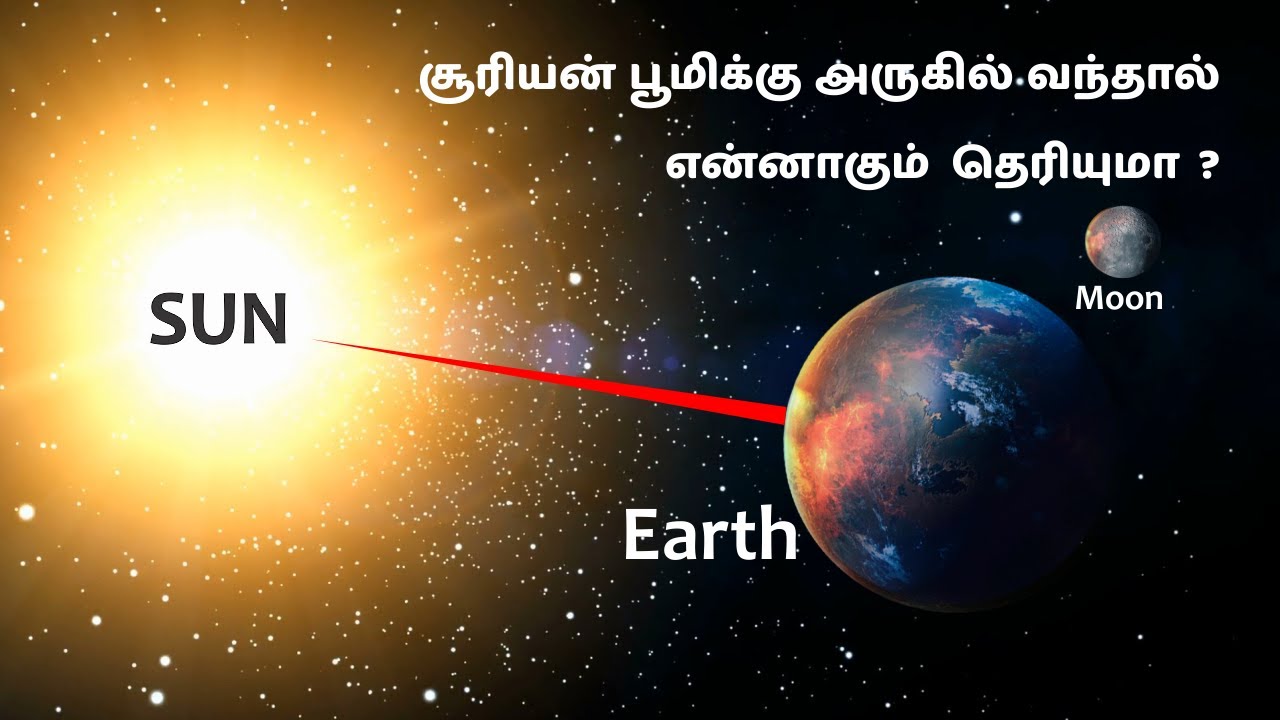
There would be enormous and maybe disastrous effects on our planet and all life on it if the Sun were to move closer to us. However, it is important to make clear that the Sun's distance from Earth is largely steady because of the balance of gravitational forces between the Sun and the planets, including Earth, before we consider the hypothetical scenario. There is almost no likelihood that such an event will occur.
Having said that, let's look at some possible effects of a closer Sun:
Temperature increases: As the Sun approaches Earth, more solar radiation will enter our globe, raising temperatures. This would cause temperatures to significantly rise, resulting in intense heat waves and a surge in the frequency of illnesses and fatalities brought on by the heat. Oceans and the surface of the Earth would warm, affecting habitats and ecosystems.
Rising Sea Levels and Melting Ice Caps: The warmer temperatures would hasten the melting of polar glaciers and ice caps, which would raise the sea level. Flooding would be a possibility in low-lying islands and coastal areas, displacing millions of people and resulting in significant ecological changes.
Global weather patterns would probably shift as a result of a closer Sun since it would probably change atmospheric circulation patterns. While some areas might experience more severe storms, others would endure protracted droughts that have an impact on agriculture and water supplies.
Many plant and animal species have evolved to survive in particular temperature ranges, which has a significant impact on biodiversity. Rapid and large temperature rises have the potential to cause widespread habitat loss and catastrophic extinctions, which would destabilise ecosystems and decrease biodiversity.
Impact on Human civilisation: A closer Sun's effects would be very detrimental to human civilisation. Food shortages, water scarcities, and energy crises would result from the climate and environmental changes, which would also pose a threat to agriculture, water resources, and energy production. To adapt to such extreme changes, significant adaptation efforts would be necessary.
Possible Orbital Changes: The Sun and Earth's gravitational fields are delicately balanced, preserving the planet's stable orbit. A large shift in this equilibrium might potentially modify Earth's orbit, creating new problems and having long-term effects on the climate and habitability of our planet.
Regards,
Vaan Veli
#solarsystem #whatif #sun #solarsystemintamil #whatifsunwasclosertoearth #whatifthesungetsclosertotheearth? #sunfacts #sunfactsintamil #whatifsunenlarge #whatifsunexpand #whatisthesunage #vaanveli #tamil #top10 #science #suntoearthdistance #sundestroyearth #thesun #space #universe #planets #astronomy #spaceexploration #whatifsuncomesclosertoearth #sunfact #thesolarsystem #sunhistory #sunvideo #earthgoingtoend #earthhistory

Hi,
If Jupiter becoming a star would have far-reaching consequences for our solar system and the Earth. The parameters required for Jupiter to become a star, however, are not viable given its current mass and composition.
Jupiter is a gas giant planet made primarily of hydrogen and helium, similar to a small star, but it lacks the mass required to begin nuclear fusion, the process that drives stars. Massive clouds of gas and dust become stars when they collapse under their own gravity and reach a crucial temperature and pressure, allowing nuclear fusion to occur in their centres.
To undergo nuclear fusion and become a star, Jupiter would need to be substantially more massive, roughly 80 times its current mass. Several consequences would result if this occurred:
Additional light and heat: If Jupiter were to become a star, it would emit light and heat in the same way that stars do. However, in comparison to our Sun, it would be faint and considerably cooler.
Changes in the solar system: The arrival of a new star in our solar system would alter its dynamics substantially. The gravitational forces between Jupiter, now a star, and the other planets, including Earth, would create orbital perturbations, potentially leading to orbital alterations and even collisions amongst celestial bodies.
Climate change: The enhanced energy output of a new star in the solar system would have an impact on Earth's climate. However, because Jupiter would still be a minor star, its impact on Earth's temperature would be minimal in comparison to the Sun.
Potential for life: The addition of another star to the solar system may offer additional energy to outer moons such as Europa and Ganymede, increasing the possibilities of life maintaining in those circumstances.
கூடுதல் ஒளி மற்றும் வெப்பம்: வியாழன் ஒரு நட்சத்திரமாக மாறினால், அது ஒரு நட்சத்திரத்தைப் போல ஒளியையும் வெப்பத்தையும் வெளியிடும். இருப்பினும், நமது சூரியனுடன் ஒப்பிடும்போது, அது ஒப்பீட்டளவில் மங்கலாகவும் மிகவும் குளிராகவும் இருக்கும்.
சூரிய குடும்பத்தில் ஏற்படும் மாற்றங்கள்: நமது சூரிய குடும்பத்தில் ஒரு புதிய நட்சத்திரம் இருப்பது அதன் இயக்கவியலை வியத்தகு முறையில் மாற்றிவிடும். வியாழன்-இப்போது-நட்சத்திரம் மற்றும் பூமி உட்பட மற்ற கிரகங்களுக்கு இடையே உள்ள ஈர்ப்பு விசைகள் சுற்றுப்பாதையில் குழப்பங்களை ஏற்படுத்தும், இது சுற்றுப்பாதையில் சாத்தியமான மாற்றங்களுக்கு வழிவகுக்கும் மற்றும் வான உடல்களுக்கு இடையே மோதல்கள் கூட சாத்தியமாகும்.
மாற்றப்பட்ட காலநிலை: சூரிய குடும்பத்தில் ஒரு புதிய நட்சத்திரத்திலிருந்து அதிகரித்த ஆற்றல் வெளியீடு பூமியின் காலநிலையை பாதிக்கும். இருப்பினும், வியாழன் இன்னும் ஒரு நட்சத்திரமாக ஒப்பீட்டளவில் சிறியதாக இருக்கும் என்பதால், சூரியனுடன் ஒப்பிடும்போது பூமியின் காலநிலையில் அதன் தாக்கம் குறைவாக இருக்கும்.
வாழ்க்கைக்கான சாத்தியம்: சூரிய குடும்பத்தில் மற்றொரு நட்சத்திரத்தைச் சேர்ப்பது, யூரோபா மற்றும் கேனிமீட் போன்ற வெளிப்புற நிலவுகளுக்கு அதிக ஆற்றலை வழங்கக்கூடும், இது அந்தச் சூழலில் உயிர்வாழ்வதற்கான வாய்ப்புகளை அதிகரிக்கும்.
Regards,
Vaan Veli
#whatif #jupiter #jupiterstar #jupiterbecameastar #whatifjupiterbecomeastar #jupiterintamil #jupiterplanet #planets #solarsystem #earth #sun #vaanveli #tamil #canjupiterbecomeastar #isjupiterafailedstar #planetjupiter #whatifjupiterbecameastar #jupiterbecomesastar #universe #jupitercouldbeasun #jupiterafailedstar #jupiterasstar #reddwarf #jupiterfacts #space #gravity #வியாழன் #viyaalan #shorts #science #solarsystemfacts #planets #jupitersize

What if the moon disappeared? Would we know what was going on in the world? In this video, we'll explore this question and more.
We'll look at the history of the moon, how it's related to our planet, and how it might be disappearing. We'll also share some theories on what might happen if the moon disappeared. Finally, we'll ask the question: If the moon disappeared, what would happen to our planet? Go ahead and check out the video to find out!
Regards,
Vaan Veli
நிலவு இல்லாத பூமி என்ன ஆகும் தெரியுமா ?
#whatifmoondisappeared #whatif #earth #moon #whatifthemoondisappeared #whatifmoondisappears #earthandmoon #moonfacts #moonfactsintamil #whatifmoondisappearintamil #moontamil #nilavu #moonhistory #historyofthemoon #moonage #moonbrightness #moondistancefromearth #earthvsmoon #space #science #solarsystem #mars #darksideofthemoon #themoon #theuniverse #earthandmoon #whatiftherewasnomoon #moondisappeared #vaanveli #vaanveli #tamil #nila

In this video, we're going to reveal some unbelievable secrets about Pluto. From its size to its atmosphere, we're going to go over everything you need to know about this fascinating planet!
Don't believe the myths about Pluto, learn the truth about this unusual planet in this amazing video! From its size to its atmosphere, we're going to reveal all of the unbelievable secrets about Pluto! Thanks for watching!
Regards,
VaanVeli
Santhosh
#pluto #solarsystem #nasa #plutoplanet #nasapluto #facts #space #science #universe #planet #galaxy #planets #orbit #dwarfplanet #pluto'sheart #plutoice #moonpluto #plutodwarfplanet #plutoplanetintamil #whatif #vaanveli #plutotamil #planetsintamil #solarsystemplanetsintamil #vaanveli #tamil #isplutoaplanet #photoofpluto2022 #latestphotosofpluto #plutoisaplanet #nasarevealspluto #amazingfactsaboutpluto #plutofacts #plutofactsintamil
