#moon
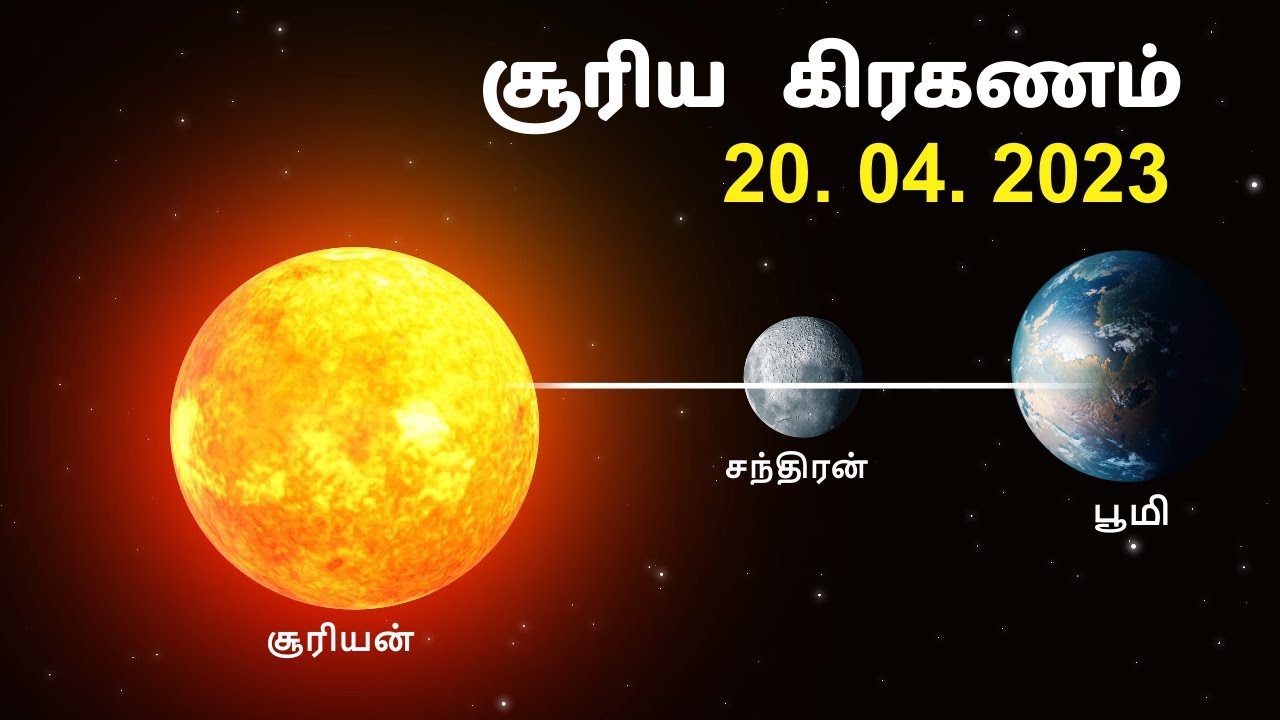
What is Solar Eclipse ?
In this video, we will answer what is Solar Eclipse in 2023. We will describe its path across the Earth, and explain why it is so important.
In this video, we'll explain what a Solar Eclipse is in 2023. We will describe its journey across the globe and explain why it is so significant.
If you're wondering what the Solar Eclipse will look like in the United States this year, watch this video! We'll explain the different stages of the Solar Eclipse and provide you advice on how to observe it safely! After seeing this film, you'll be ready to witness one of nature's most stunning phenomena!
If you're curious what Solar Eclipse then this video is for you! We'll explain what the different stages of the Solar Eclipse will look like, and give you tips on how to watch it safely! After watching this video, you'll be ready to experience one of the most amazing things nature has to offer!
Regards,
Vaan Veli
வாழ்க தமிழ்
#eclipse #grahan #chandragrahan #lunareclipse #fullmoon #moon #vaanveli #tamil #whatif #gk #suryagrahan20april2023intamil #suryagrahan2023intamilnadu #suryagrahan2023intamil #suryagrahan2023inindiadateandtimeintamil #solareclipse2023intamil #solareclipse2023intamilnadu #solareclipseapril2023intamil #april202023solareclipsetamil #20april2023suryagrahantamil #suriyakiraganamtamil2023 #suriyakiraganam2023dateandtimeintamil #suriyakiraganam2023intamil #சூரியகிரகணம்2023சூரியகிரகணம்2023எப்போது #சூரியகிரகணம் #suryagrahan20april2023intamil #suryagrahan2023inindiasolareclipse2023tamil #aprilsuryagrahantime #suryagrahan20april2023 #suryagrahan2023 #suriyakiraganam2023 #suriyakiraganamapril2023intamil #suryakiraganamintamil #suryagrahan2023datesandtimeinindiaintamil #solareclipse2023intamil #solareclipseapril2023 #சூரியகிரஹணம்2023 #சூரியகிரகணம்2023எப்போது #சூரியகிரகணம்2023நேரம் #solareclipse #solareclipse2023 #solareclipselive #solareclips
Hi,
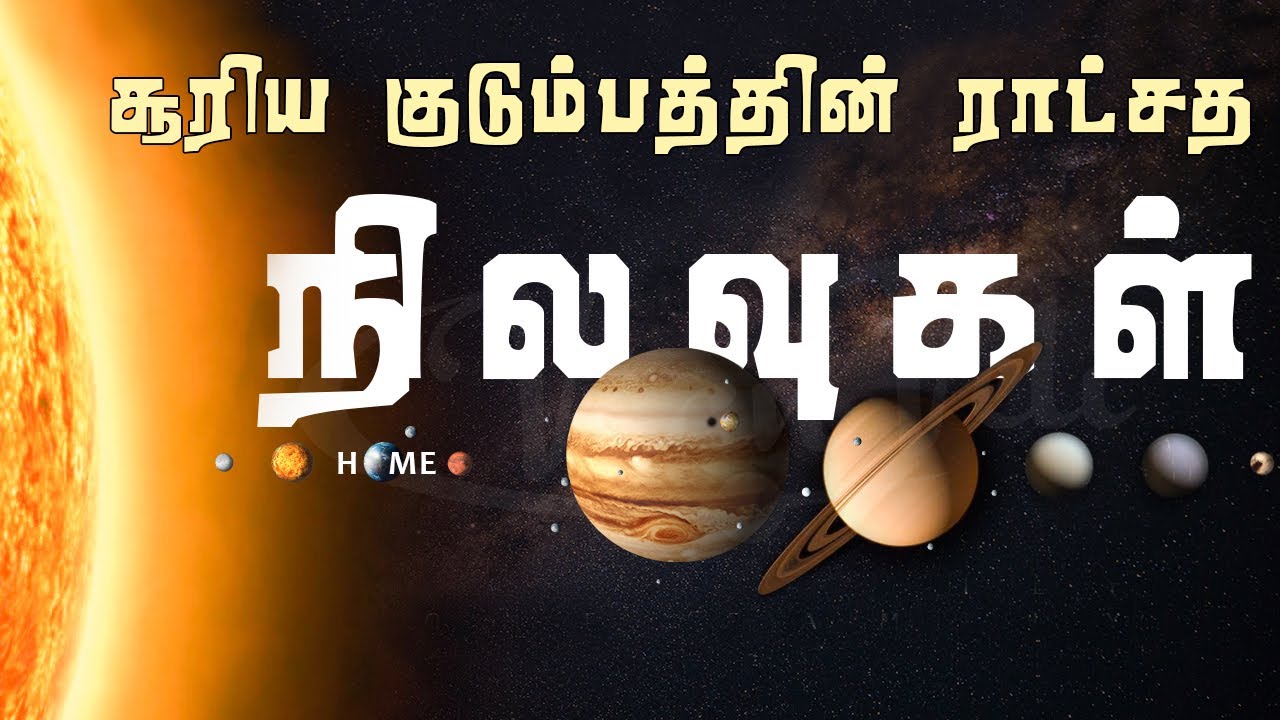
சூரிய குடும்பத்தின் விசித்திரமான 290 நிலவுகள். Solar System Moons
Each moons orbiting a different planet or dwarf planet.
The Moon (Luna) is the Earth's sole natural satellite. It is the Solar System's fifth-largest moon and has played an important part in Earth's history and civilization.
The Moons of Mars (Phobos and Deimos): Mars has two small moons, Phobos and Deimos. They have an irregular shape and are believed to be captured asteroids.
Jupiter has around 80 to 95 known moons, the four largest of which are known as the Galilean moons: Io, Europa, Ganymede, and Callisto. Galileo Galilei discovered them in 1610.
Saturn contains more than 146 known moons, including Titan, the second-largest moon in the Solar System with a thick atmosphere. Enceladus and Mimas are two other noteworthy Saturnian moons.
Moons of Uranus: Uranus has 27 recognised moons. Miranda, Ariel, Umbriel, Titania, and Oberon are notable examples.
Neptune's Moons: Neptune has 14 known moons, including Triton, the Solar System's seventh-largest moon. Triton is uncommon among big moons in that it orbits Neptune in reverse.
Pluto's Moon (Charon): Pluto is a dwarf planet with a very large moon named Charon. Charon, which is roughly half the size of Pluto, is tidally linked to it.
Moons of Dwarf Planets: Other dwarf planets in the Solar System, such as Eris and Haumea, have moons. Eris, for example, has one known moon named Dysnomia.
Some asteroids in the asteroid belt have minor moons or companions. The asteroid Ida, for example, has a moon called Dactyl.
TNOs are Trans-Neptunian Objects. Moons have been discovered around numerous TNOs, including Pluto, Eris, and Makemake.
Regards,
Vaan Veli
Santhosh
Follows on Facebook : https://www.facebook.com/vaanveli1
Follows on Instagram : https://www.instagram.com/vaan_veli
#vaanveli #vaanveli #solarsystemmoons #jupitermoons #saturnmoons #mercury #venus #earth #mars #jupiter #saturn #uranus #neptune #earth #moon #moons #iomoon #ganymede #sun #planetandmoon #earthmoon #chandrayaan3 #enceladusmoon #titanmoon #titaniamoon #pluto #moonfacts #moonhistory #solarsystemmoonsintamil #solarsystemmoonsandplanets #biggestmooninoursolarsystem #howmanymoonsareinoursolarsystem #solarsystem #mars #universe #callisto #space #venus #moonsize #solarsystem
Hi,
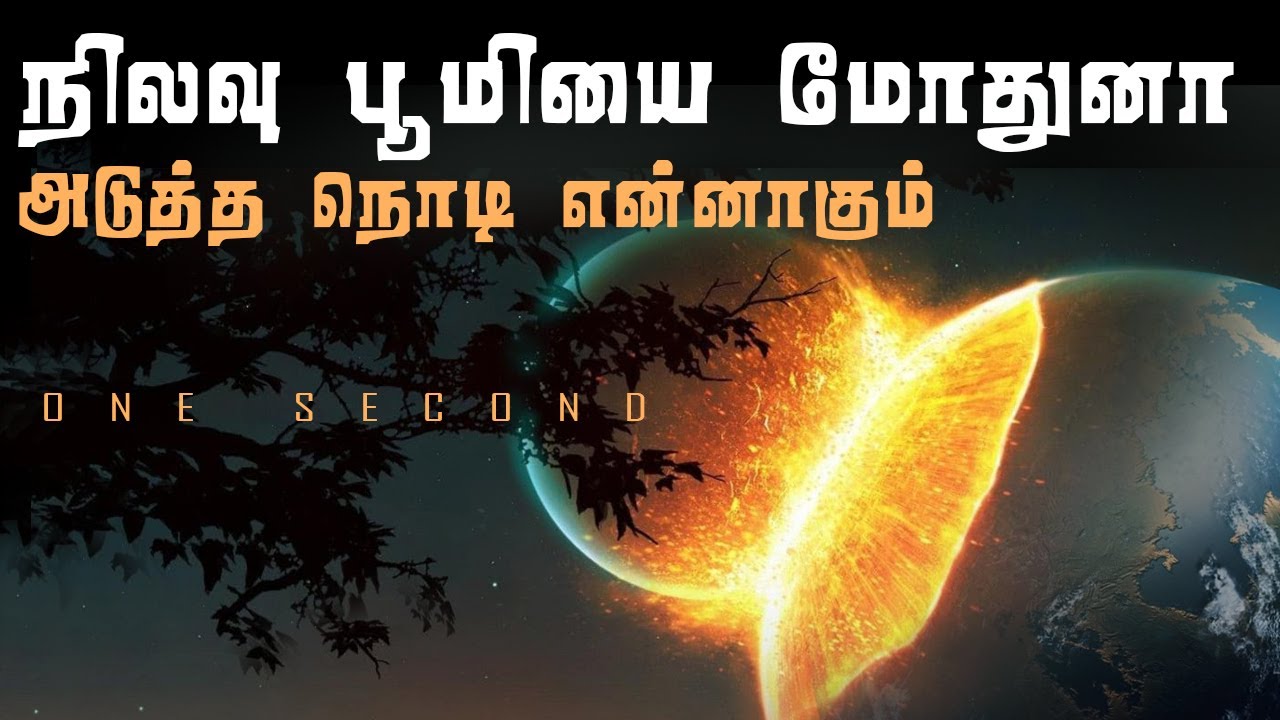
நிலவு பூமியை தாக்கினால் என்னாகும் ? What if Moon Hit us, Moon collide with the Earth
If the Moon were to collide with the Earth, it would have catastrophic consequences for both celestial bodies and life as we know it. Here's an overview of what could happen:
Massive Impact: The collision between the Moon and Earth would release an enormous amount of energy, equivalent to billions of atomic bombs. The impact would vaporize the Moon and cause widespread destruction on Earth.
Global Firestorms: The energy released from the impact would generate intense heat, triggering global firestorms. The Earth's surface would be engulfed in flames, leading to widespread wildfires that could consume entire continents.
Atmospheric Disruption: The impact would also result in a massive release of dust, debris, and molten rock into the atmosphere. This would block sunlight and cause a significant reduction in global temperatures, leading to a phenomenon similar to a nuclear winter.
Tsunamis: The collision would generate colossal tsunamis that would sweep across the oceans, reaching coastal areas and causing devastation. Entire coastal cities would be wiped out, and inland regions might also experience flooding due to the displacement of water.
Extinction-Level Event: The combined effects of the impact, firestorms, atmospheric disruption, and tsunamis would likely result in a global extinction event. The catastrophic changes to the environment would make it extremely difficult for most life forms to survive.
Regards,
VaanVeli
Santhosh
#moon #nasa #moonimpact #mooncollidewithearth #mooncollision #moonhit #moonhitus #moonhitearth #moondestroyed #moondestroyearth #whatif #whatifmoonhitus #whatifmoondestroyed #moongravity #earth #universe #earthcollision #earthandmoon #spacevideo #collisionearth #collisionmoon #tamil #mooncollisionintamil #moontamil #moonhitusintamil #tsunami #earthquake #whatwillhappenifmoonhitus #nilavu #moonfacts #moonfactsintamil #gk #lunar #vaanveli #whatifmoonhitus #nilavu #nilavuboomiyaithaakinal
![Solar System in 3D [Facts About Solar System Planets]](https://i.ytimg.com/vi/0QJj4U5PIiU/maxresdefault.jpg)
The Solar System in 3D Visualization: The Solar System is the gravitationally bound system of the Sun and the objects that orbit it. It formed 4.6 billion years ago from the gravitational collapse of a giant interstellar molecular cloud. please check our video and give us your valuable feedback to improve the quality thanks.
Regards,
Vaan veli
#solarsystem #the8planetsinoursolarsystemfacts #neptuneorbit #planetx #moon #sunset #neptune #earth2 #pluto #mercury #saturn #blackhole #mars #milkywaygalaxy #sizecomparison #solarsystemfacts #solarsystemdocumentary #planetsizecomparison #factsaboutspaceandtheuniverse #planetsizescomparisonvideo #solarsystem3d #venus #jupiter #planets #uranus #solar #3dsolarsystem #earthsize #earthtilt #solarplanettilt #saturnrings #planetsin3d #vaanveli #universe #starwars #gk
Dear Friends,
Vaan Veli 1st year anniversary,
நம் வான்வெளி youtube சேனல் ஆரம்பித்து இன்றுடன் ஒரு வருடம் ஆகின்றது, ஆதரவு தந்த அணைத்து நல்ல உள்ளங்களுக்கும், குடும்பத்தினருக்கும், நண்பர்களுக்கும் மனமார்ந்த நன்றி .
Good day, everyone. Our VaanVeli YouTube channel has been running for a year. I am eternally grateful to each and every one of you. Thanks to all my subscribers, commenters, friends, family members and who are all suppoted me and im really thank you from the bottom of my heart, thank you again.
Please continue to support me.
Regards,
VaanVeli
#earthhistory #earth2 #earth #universe #earthtamil #vaanveli #ulagam #earthhistoryintamil #dinosaur #moon #science #earthandmoon #earthandsun #extinsion #whatif #dinosaurs #ourplanet #vaanveli #vaanveli #vaanveli #vaanveli #vaanveli1styearanniversary #vaanvelianniversaryvideo #vaanvelivideos #vaanvelichannel #vaanvelitamil #universevideos #galaxyvideos #milkywaygalaxytamil #thankingvideoforsubscribers #anniversaryvideoforsubscribers #top10 #tamil #volcano

History of our planet EARTH, 460 கோடி ஆண்டுகளுக்கு முன் நம் பூமி உருவாகி அதன் பின் தற்போதைய நிலைக்கு மாறிய விளக்கம் இந்த காட்சியில் தமிழில் கூறப்பட்டுள்ளது . உங்களுடைய கருத்துக்களை கீழ் தெரிவிக்கலாம் நன்றி.
Earth's formation (4.54 billion years ago): The Earth was formed from the dust and gas that surrounded the newborn Sun. The accretion process involved smaller particles colliding and sticking together to form larger bodies, eventually culminating to the formation of the Earth.
2. Hadean Eon (4.54 to 4 billion years ago): Earth was characterized by extreme heat and numerous asteroid collisions throughout this eon. The first oceans formed, and the atmosphere began to form.
Earth History in Tamil, Earth History, History of earth, How earth formed , History of our universe,
Regards,
Vaan Veli
Santhosh
#பூமிஉருவானவரலாறு #earth #human #history #earth, #universe #humanevolution #cretaceous #dinosaur #ourplanet #historyofearthtamil #evolution #பூமிஉருவானவரலாறு #earthhistory #earth #earthtamil #vaanveli #ulagam #earthhistoryintamil #earthhistoryanimation #earthdocumentary #moon #science #earthandmoon #earthandsun #extinsion #howtheearthwasmade #climatechange #whatif #dinosaurs #historyoftheworld #naturaldisasters #ourplanet #historyofearthtamil #humanevolutionexplained #vaanveli #vaan_veli #earthfacts #earthhistory #shorts
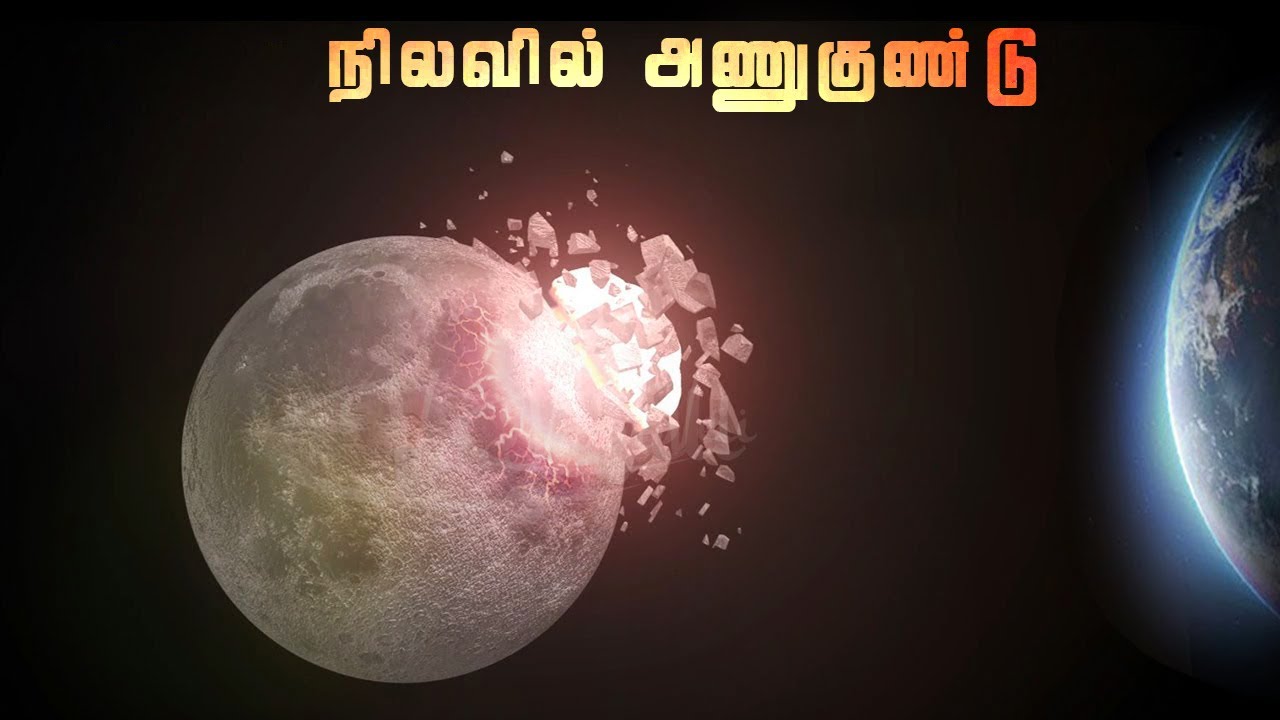
What if we nuke the moon ?
Nuking the moon would have significant and far-reaching consequences, both for the moon itself and for Earth. However, it's important to note that such an action would be highly unethical, potentially illegal, and would likely face strong international condemnation. Nonetheless, let's explore the hypothetical scenario and its potential implications.
Moon's Surface: Detonating a nuclear bomb on the moon would create an enormous explosion and release a tremendous amount of energy. The immediate impact would be the vaporization and destruction of a large portion of the moon's surface, leading to a crater and potentially ejecting debris into space.
Lunar Environment: The moon has no atmosphere to disperse or dampen the effects of the explosion. As a result, the shockwave and radiation from the nuclear blast would propagate freely across the lunar surface. This could significantly alter the moon's geology, cause seismic activity, and potentially destabilize its structure.
Earth's View: If a nuclear explosion occurred on the moon, it would likely be visible from Earth. The brightness and size of the explosion would depend on the magnitude of the bomb used, but it could potentially be seen with the naked eye. This event would be a spectacle, but also a cause for concern and potential panic among people on Earth.
Debris and Impact: The explosion would create a cloud of debris consisting of moon rock, dust, and radioactive particles. Some of this debris could potentially be ejected towards Earth, posing a risk to satellites, space missions, and even to the planet's atmosphere if a significant amount were to re-enter.
Scientific and Astronomical Impacts: The moon is a valuable object of scientific study and exploration. Destroying or significantly altering it would hinder our ability to gather knowledge about its geological history, impact cratering, and lunar evolution. Additionally, the moon's gravitational influence on Earth helps stabilize our planet's rotation and tides. Altering its mass and structure could have unpredictable effects on Earth's stability.
International and Legal Consequences: The Outer Space Treaty, ratified by many nations, prohibits the placement of nuclear weapons or any other weapons of mass destruction in space. Detonating a nuclear bomb on the moon would likely violate this treaty, resulting in severe diplomatic repercussions and potential legal action against the responsible party.
It's crucial to emphasize that these potential consequences are speculative since no one has ever attempted such an action. However, the overall implications would likely be significant, negative, and extend far beyond the immediate effects on the moon.
Regards,
VaanVeli.
Santhosh
Follows on Facebook : https://www.facebook.com/vaanveli1
Follows on Instagram : https://www.instagram.com/vaan_veli
#nuke #whatif #nuclearbomb #moon #nukemoon #whatifnukethemoon #whathappensifwenukethemoon #couldnukingthemoonbetheendofus #thedarksideofnukingthemoon #nukingthemoon #tzarbomba #zarbomba #worldslargestnuclearbomb #nuclearattack #nuclearvideo #moonvideo #moonvsnuclear #nuclearmoon #moonfall #moonblast #mooncollision #blast #earth #vaanveli #vaanveli #shorts #whatifwenukethemoonintamil #tamil #nucleartamil #moontamil #gk #chandrayaan3
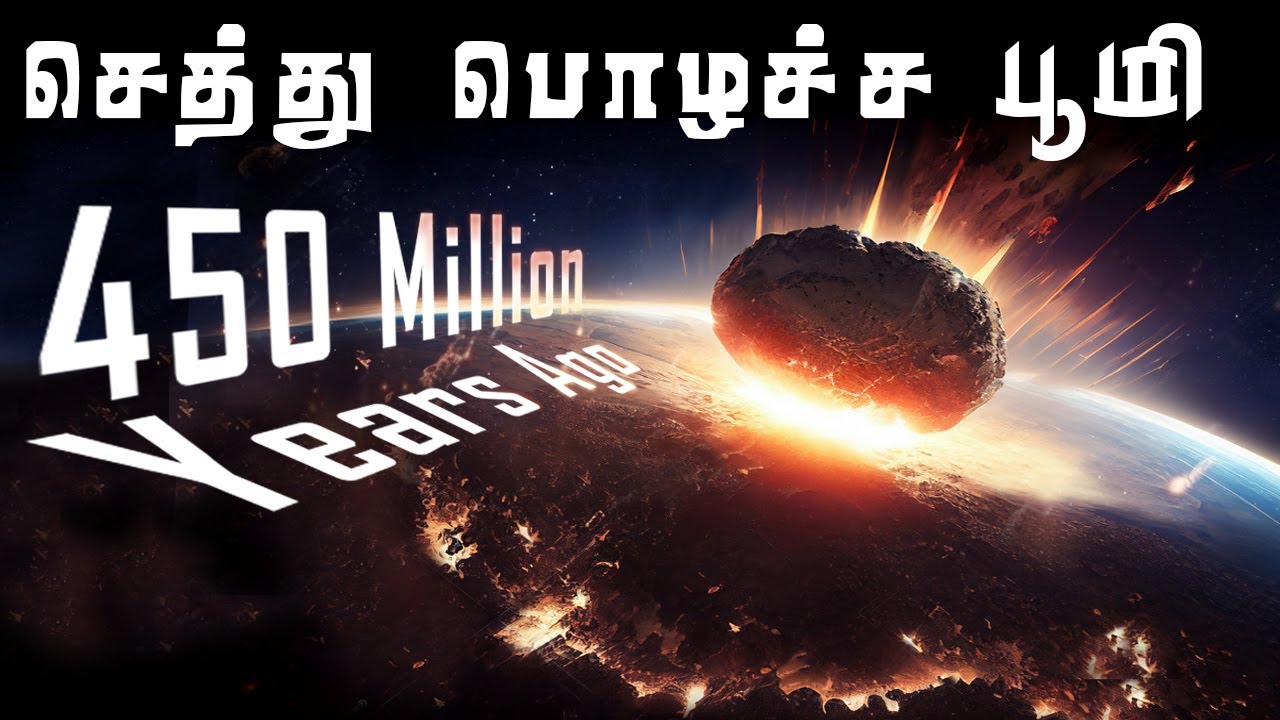
Top Five Extinctions
Ordovician-silurian Extinction: 440 million years ago.
Devonian Extinction: 365 million years ago.
Permian-triassic Extinction: 250 million years ago.
Triassic-jurassic Extinction: 210 million years ago.
Cretaceous-tertiary Extinction: 65 million Years Ago.
Hi,
செத்து பொழச்ச பூமி JUST MISS | Dark Side of the Earth | பூமியின் வரலாறு
நம் பூமி உருவானபோ பல பேரழிவுகளை சந்தித்துள்ளது அதே போல் உயிரினங்கள் எப்படி உருவானது மற்றும் ஏற்பட்ட பேரழிவுகளால் உயிரினங்கள் எப்படி அழிந்தது , அனைத்தையும் நாம் இந்த பதிவில் தெரிந்துகொள்ளலாம்
Approximately 485.4 million to 443.8 million years ago. Here are some key points about the Ordovician period:
Sea Life: The Ordovician is known for the diversification of marine life. It saw the proliferation of various marine organisms, including trilobites, brachiopods, cephalopods, and early fish. Some of the first jawed fish appeared during this period.
Mass Extinction: Toward the end of the Ordovician period, there was a significant mass extinction event known as the Ordovician-Silurian extinction event. It is considered one of the Big Five mass extinctions in Earth's history
Continental Drift: During the Ordovician, the continents were positioned differently than they are today due to the process of plate tectonics.
Devonian extinction:
Timing: The Late Devonian extinction occurred over several million years, spanning the later part of the Devonian period. It's not a single, sudden event like some other mass extinctions.
Affected Organisms: The Devonian extinction primarily affected marine life. It had a particularly significant impact on marine organisms like corals, trilobites, brachiopods, and various types of jawless fish. Some groups, however, such as ammonoids, bony fish, and certain types of sharks, survived the extinction relatively unscathed.
Volcanic Activity: Intense volcanic activity could have released greenhouse gases into the atmosphere, leading to global warming and changes in ocean chemistry.
The Permian-Triassic extinction event, also known as the "Great Dying," is one of the most devastating mass extinctions in Earth's history. It occurred approximately 252 million years ago, marking the boundary between the Permian and Triassic periods. Here are key details about this catastrophic event:
Extent of Extinction: The Permian-Triassic extinction event is considered the most severe mass extinction event in Earth's history. It resulted in the loss of an estimated 90-96% of marine species and around 70% of terrestrial vertebrate species. It affected life on both land and in the oceans.
Volcanic Activity: One leading hypothesis is that extensive volcanic eruptions in an area now known as the Siberian Traps released massive amounts of lava and greenhouse gases. This led to significant global warming, acid rain, and changes in ocean chemistry, contributing to the environmental stress.
The Triassic-Jurassic extinction event is one of the five major mass extinctions in Earth's history, occurring approximately 201 million years ago, at the boundary between the Triassic and Jurassic periods. Here are key details about this extinction event:
Causes: The exact causes of the Triassic-Jurassic extinction are still debated among scientists, but several contributing factors have been proposed:
Volcanic Activity: Intense volcanic activity, particularly the eruption of the Central Atlantic Magmatic Province (CAMP), released large volumes of lava and greenhouse gases into the atmosphere. This led to global warming, ocean acidification, and changes in climate patterns.
Cretaceous-tertiary Extinction:
It occurred approximately 66 million years ago at the boundary between the Cretaceous and Tertiary (now known as the Paleogene) periods. Here are key details about this extinction event:
Extent of Extinction: The K-T extinction event resulted in the extinction of an estimated 75% of Earth's species, including many marine and terrestrial organisms. It is perhaps most famously known for causing the extinction of the non-avian dinosaurs.
Effects on Marine Life: Marine ecosystems experienced significant losses during the K-T extinction. Many marine reptiles, ammonites, and other marine species went extinct. Some groups, such as mammals, crocodiles, and some types of fish, survived the event.
நன்றி
Regards,
Vaan Veli
Santhosh
Follows on Facebook : https://www.facebook.com/vaanveli1
Follows on Instagram : https://www.instagram.com/vaan_veli
#பூமிஉருவானவரலாறு #earthhistory #humanhistory #earth #universe #earthtamil #vaanveli #earthhistoryintamil #earthdocumentary #cretaceous #dinosaur #moon #science #climatechange #naturaldisasters #ourplanet #historyofearthtamil #evolution #evolutionofhuman #humanevolutionexplained #vaanveli #ordovicianextinction #devonianextinction #permiantriassicextinction #triassicextinction #cretaceousextinction #5extinctionsofearth #5extinction #5extinctionsintamil

Dear All,
We shows the sizes of some cities in 3D by Urban area,
What is urban Area : [An urban area, or built-up area, is a human settlement with a high population density and infrastructure of built environment. ]
Volcano comparison: https://youtu.be/kkrtG5X6enk
#countrysizecomparison #citysizecomparison #newyork #comparison #citysizecomparison #citiessizecomparison #biggestcities #comparaciones #sizecomparison #size #countrysizecomparison #largestcitiesintheworld #topcityintheworld #cityurbanarea #citysizebyarea #mostpopulatedcitiesintheworld #citiespopulation #top100populatedcity #citypopulation #population #topcity #worldcitydata #3dcomparison #comparisonvideo #comparison2022 #vaanveli #earth #tamil #city #cities #newyorkcity #newyork #comparisonvideo #sizecomparisons #comparisontamil #tamilcomparison #tamilnadu #earth #solarsystem #volcano #blackhole #mars #moon #milkyway #comparisonintamil #youtubeshorts #youtube

Hi,
In this video, we're going to talk about Super Earth, a planet that's better than Earth. We'll discuss the advantages of living on Super Earth, and why you should want to live on this planet.
If you're looking for a better planet to live on, then you should check out Super Earth. Super Earth has a lot of advantages over Earth, including a much better environment and a much higher standard of living. In this video, we'll discuss these advantages and why you should want to live on Super Earth!
Regards,
Vaan Veli
Santhosh
Follows on Facebook : https://www.facebook.com/vaanveli1
Follows on Instagram : https://www.instagram.com/vaan_veli
#betterthanourearth
#பூமியைபோன்றகோள்கள்
#பூமி
#betterthanearth
#superearthplanet #superearthnewplanetsfound #nasa #earth #superearth #exoplanet #space #whatif #science #keplerplanet #planet #planets #theuniverse #exoplanets #habitableplanets #earthlikeplanets #earthlikeplanet #exoplanetslikeearth #superearth2.0 #superearthtamil #superearthplanettamil #exoplanettamil #howmanyexoplanetsarethere #aliens #habitablezone #tamil #vaanveli #gk #gktamil #top10superearth #kepler454b #earth2 #betterthanearth #earthtamil #blackhole #moon #solarsystem #volcano #earth2.0

This video is going to share you about the total Lunar Eclipse will going to take place on November 8, 2022.
What is Total Lunar Eclipse
Total Lunar eclipse is the event occur when Earth's shadow is cast across the entire lunar surface.
Try binoculars or a telescope for a better view. or USE DSLR with Tele Lense or USE DSLR with Tele Lense
How Total Lunar Eclipse Occur
Lunar Eclipse happen when Earth is situated between the sun and the moon, creating a shaded area across the surface of the moon.
Total Lunar Eclipse November-2022
This lunar eclipse is the final total lunar eclipse of the year 2022, during a total lunar eclipse, the moon will appears to turn blood red while passing through Earth's shadow and it will be visible in parts of Asia, Australia, North America, parts of northern and eastern Europe, and most of South America.
Lunar Eclipse Time in India
[India: 5.32PM to 6.18 PM]
[ Total time : 2:27 PM - 5:55 PM ]
Travel Time :
2:27 : The Moon enters Earth’s umbra, and the partial eclipse begins.
3:29 : The entire Moon is now in the Earth’s umbra, and the Moon will turn a coppery red. Try binoculars or a telescope for a better view. or USE DSLR with Tele Lense
4:53 : As the Moon exits Earth’s umbra, the red colour fades, and it looks like a bite is taken from the opposite side of the lunar disk.
5:55 : The whole Moon is in Earth’s penumbra, but the dimming is subtle again.
Regards,
Vaan Veli
வாழ்க தமிழ்
#eclipse #chandragrahan2022 #grahan #lunareclipse #lunareclipsenovember2022 #chandragrahan2022inindiadateandtime #chandragrahan #lunareclipse #fullmoon #moon #lunareclipse2022 #eclipselunar2022 #fullmoonlunareclipse #superlunareclipse #totallunareclipse2022 #bloodmoonlunareclipse #fulllunareclipse #சந்திரகிரகணம் #chandragrahantamil #bloodmoon #lunar #redmoon #whatisabloodmoon #whatislunareclipse #lunareclipsevideos #vaanveli #tamil #whatif #gk #chandragrahantime #chandragahanam #chandragraganam #chandrakiraganam #chandragrahanam #chandragrahantime #chandragrahanintamilnadu
#redmoon #bloodmoon #சந்திரகிரகணம்2022 #சந்திரகிரகணம்nov82022 #chanthiragraganam #lunareclipse2022

#vaanveli #moonfacts #chandrayaan3
Hi,
இது தெரிஞ்சா நிலவுக்கு போகணும்னு நினைக்கமாட்டீங்க
15 Seconds Challenge on moon:
Because there is no oxygen, you would go unconscious in 15 seconds. Because there is little or no air pressure, your blood and bodily fluids would boil and then freeze.
1. The Moon is the sole natural satellite of Earth.
2. It is roughly one-sixth the size of Earth.
3. On average, the Moon is 238,855 miles (384,400 km) distant from Earth.
4. Because the Moon's gravity is about one-sixth that of Earth's, you would weigh less on the Moon.
5. The Moon possesses an exosphere, which is an extremely thin and tenuous atmosphere that contains trace amounts of helium, neon, and other elements.
6. The Moon orbits Earth in a roughly round orbit.
7. It takes the Moon approximately 27.3 Earth days to orbit our planet.
8. Because the Moon rotates once on its axis in around 27.3 days, we always view the same face from Earth, a phenomenon known as synchronous rotation.
9. The side of the Moon facing away from Earth is referred to as the "far side" or "dark side," despite the fact that it is not literally dark; it is simply obscured from our perspective.
10. The Moon's surface is covered in impact craters caused by billions of meteoroid collisions over billions of years.
The South Pole-Aitken Basin, which is about 1,550 miles (2,500 km) wide, is the Moon's largest crater.
12. Although there is no liquid water on the Moon's surface, there is evidence of water ice in permanently shadowed craters near the pole.
Temperature Extremes: The Moon experiences extreme temperature variations due to its lack of atmosphere. During its daytime, temperatures can reach over 100°C (212°F), while during its nighttime, temperatures can drop below -170°C (-274°F).
Moonquakes: The Moon experiences seismic activity, known as moonquakes. These can be caused by the gravitational interactions with Earth, the cooling and contraction of the Moon's interior, and the residual energy from ancient impacts.
Human Visits: The first human landing on the Moon was by NASA's Apollo 11 mission in 1969, when astronauts Neil Armstrong and Edwin "Buzz" Aldrin became the first humans to walk on the lunar surface.
Future Exploration: There are plans for future lunar exploration, including establishing a sustainable human presence on the Moon as a stepping stone for further space exploration, such as missions to Mars.
These are just a few intriguing facts about our Moon. It continues to be a subject of scientific research and inspiration for humanity's exploration of space.
Lunar Phases Influence Tides: The Moon's gravitational pull causes tides on Earth. When the Moon is at its closest point to Earth (perigee), tides can be especially high, known as spring tides. When the Moon is at its farthest point from Earth (apogee), tides are less extreme, known as neap tides.
Regards,
Vaan Veli
Santhosh
#vaan_veli #vaanveli #universe #solarsystem #earth #tamil #chandrayaan3update #moonfacts #moonfactsintamil #moon #moonhouse #homeonmoon #moondistance #earthvsmoon #nilavu #chandrayaan3 #chandrayaan3live #chandrayaan3tamil #livingonmoon #moonfactstamil #நிலவு #moonhistory #interestingfactsaboutmoon #luna #1lunarday #indianonmoon #chandrayaan3liveupdate #chandrayaan3todayupdate #chandrayaan3status #moonsouthpole #chandrayaan3
Follows on Facebook : https://www.facebook.com/vaanveli1
Follows on Instagram : https://www.instagram.com/vaan_veli

#vaanveli #moonfacts #chandrayaan3
Hi,
நிலவுக்கு குடி போகணும்னு ஆச படறீங்களா ? அப்போ நீங்க மட்டும் இத பாருங்க
what if we build a house in moon?
Buildings on the moon do not need to be as robust because gravity pull is around 6 times less. A ceiling/floor would require 6 times the mass to break than the comparable ceiling/floor on Earth.
Some moon Facts :
Natural Satellite: The Moon is Earth's only natural satellite and is about 1/6th the size of Earth.
Formation: The prevailing theory is that the Moon formed around 4.5 billion years ago when a Mars-sized object collided with a young Earth, and the debris from this collision eventually coalesced to form the Moon.
Phases: The Moon goes through different phases due to its position relative to the Sun and Earth. These phases include new moon, waxing crescent, first quarter, waxing gibbous, full moon, waning gibbous, third quarter, and waning crescent.
Synchronous Rotation: The Moon is in synchronous rotation with Earth, meaning it always shows the same face towards our planet. This side is often referred to as the "near side," while the other side is called the "far side" or "dark side."
Surface Features: The Moon's surface is covered in impact craters, large basins (such as the Imbrium, Serenitatis, and Crisium basins), mountains, valleys, and "seas" or dark, flat areas formed by ancient volcanic activity.
Gravity: The Moon's gravity is about 1/6th of Earth's gravity, which is why astronauts on the Moon can jump higher and objects are much lighter there.
Lunar Maria: The "seas" on the Moon are actually solidified basaltic lava flows from ancient volcanic activity. They were named "maria," which is Latin for "seas," by early astronomers who mistakenly thought they were bodies of water.
Lunar Phases Influence Tides: The Moon's gravitational pull causes tides on Earth. When the Moon is at its closest point to Earth (perigee), tides can be especially high, known as spring tides. When the Moon is at its farthest point from Earth (apogee), tides are less extreme, known as neap tides.
Temperature Extremes: The Moon experiences extreme temperature variations due to its lack of atmosphere. During its daytime, temperatures can reach over 100°C (212°F), while during its nighttime, temperatures can drop below -170°C (-274°F).
Moonquakes: The Moon experiences seismic activity, known as moonquakes. These can be caused by the gravitational interactions with Earth, the cooling and contraction of the Moon's interior, and the residual energy from ancient impacts.
Human Visits: The first human landing on the Moon was by NASA's Apollo 11 mission in 1969, when astronauts Neil Armstrong and Edwin "Buzz" Aldrin became the first humans to walk on the lunar surface.
Future Exploration: There are plans for future lunar exploration, including establishing a sustainable human presence on the Moon as a stepping stone for further space exploration, such as missions to Mars.
These are just a few intriguing facts about our Moon. It continues to be a subject of scientific research and inspiration for humanity's exploration of space.
Regards,
Vaan Veli
Santhosh
Follows on Facebook : https://www.facebook.com/vaanveli1
Follows on Instagram : https://www.instagram.com/vaan_veli
#vaan_veli #vaanveli #universe #solarsystem #earth #tamil #chandrayaan3update #moonfacts #moonfactsintamil #moon #moonhouse #homeonmoon #moondistance #earthvsmoon #nilavu #chandrayaan3 #chandrayaan3live #chandrayaan3tamil #livingonmoon #நிலவுக்குகுடிபோகணும்னுஆசபடறீங்களா #நிலவு #moonhistory #interestingfactsaboutmoon #luna #1lunarday #indianonmoon #chandrayaan3liveupdate #chandrayaan3todayupdate #chandrayaan3status #moonsouthpole #chandrayaan3

சந்திரயான் 3 சந்திக்கப்போகும் மிக பெரிய சவால் | மிக முக்கியமான கட்டம் இன்று
Chandrayaan-3:
Chandrayaan-3 is the third lunar exploration mission by the Indian Space Research Organisation (ISRO). It is a follow-up to Chandrayaan-2, which consisted of an orbiter, lander (Vikram), and rover (Pragyan). However, the Vikram lander failed to make a soft landing on the Moon's surface. Chandrayaan-3 is intended to rectify this by focusing solely on the lander and rover components, aiming to achieve a successful landing.
Regards,
VaanVeli
#chandrayaan3 #chandrayaan #chandrayaan3update #chandrayaan3status #chandrayaan3live #chandrayaan3liveupdate #chandrayaan3currentupdate #chandrayaan3tamil #chandrayaan3intamil #சந்திரயான்3 #சந்திரயான் #chandrayaan3vsluna25 #chandrayaanvsluna #moon #moonmission #chandrayaan3mission #chandrayaan3livestatus #chandrayaan3today #chandrayaan3news #chandrayaan3todaynews #chandrayaan3video #chandrayaan3rover #chandrayaan3lander #vaanveli #gk #chandrayaan3livelocation #chandrayaan3mission #chandrayaan3landing #chandrayaan3landingtime
#chandrayaannews #லூனா #luna25 #luna25vschandrayaan3 #lunar #luna25mission #lunacurrentlocation
Subscribe செய்யாமல் வீடியோ பார்ப்பவர்கள் : Not subscribed 96.6%
Subscribe செய்து வீடியோ பார்ப்பவர்கள் : Subscribed 3.4%
நீங்கள் எங்களுக்கு கொடுக்கும் ஆதரவினால் மட்டுமே நாங்கள் உங்களுக்கு தொடர்ந்து இன்னும் சிறந்த விடீயோக்களை உற்சாகத்துடன் பதிவிடமுடியும் நன்றி 🙏
The Solar System’s largest planet Jupiter will hang in the skies later this month as it comes closest to Earth in nearly 70 years.
Jupiter will be closer to Earth than usual on September 26.
According to NASA, this will be the nearest the largest planet in the solar system has been to Earth in nearly six decades.
Scientists say Jupiter will appear bigger and brighter because it will “only” be 367 million miles away. That’s almost half the distance the planet is from the Earth at its farthest.
Experts say the best place to get a view of Jupiter on Monday will be a highly elevated spot in a dark and dry area.
Regards,
Vaanveli.
#jupiter #nasa #solarsystem #earth #whatif #planets #moon #thesun #jupitertomorrow #howclosejupitercomestoearth #todayjupiter #jupitertonightinthesky #jupitertoday #jupitertodaylive #jupitertamil #vyalan #vyalantamil #tamil #veenveli #earthtojupiterdistance #videoofjupiter #photosofjupiter #jupitervideo #gk #live #jupiternews #jupiterandearth #earthandjupiter #distance #howtoseejupiterfromearth #howclosejupiter #wheretoseejupiter #science #earth #news #tamilnews
![விண்வெளியில் சடலங்கள் [ Truth Behind Animals Sent To Space ]](https://i.ytimg.com/vi/pTw015OmDs0/maxresdefault.jpg)
Truth Behind Animals Sent To Space,
Laika was a normal street dog in Russian country, The aim was to find out how long a dog can survive in space. On 3 November 1957 russians launched Laika into space inside a spacecraft named Sputnik-2. It was a one way ticket for laika because there was no way to bring her back to Earth. Space has no boundaries. You must admit that there is something incredibly attractive and mysterious in this dark surrounding our earth, Some of these interesting facts are amazing yet terrifying at the same time. i am really feld bad about the innocent animals that really what happend to them in the history.
Regards,
VaanVeli
#mystery #blackhole #minutesmystery #spacemysteries #spacemysteryintamil #spacemysteriousfacts #spacesnakeintamil #spacedeadbodies #spacedeadbody #விண்வெளியில்சடலங்கள் #spacesnake #nasa #ufo361 #space #aliens #alien #tamil #vaanveli #alientamil #spacenewstamil #spacefactsintamil #spacefacts #animalsinspace #laikaspacedog #doginspace #scaryspacephoto #alienship #moon #moontravel #neilarmstrong #truthbehindanimalssenttospace #gk #whatif #earth #laika #dog #dogs #snake #snakes #snakevideo #space #earth #moon #tamil #milkyway #sciencetamil #astronaut #spaceship #spacex #spacedog #spacesnake #top10 #spacenews #newstamil #tamilnews

Hi,
1000 வருடங்கள் கழித்து நம் பூமி எப்படி இருக்கும் ?
Technological Advancements: The pace of technological progress is likely to continue, with advancements in fields such as artificial intelligence, biotechnology, space exploration, and renewable energy. This could lead to significant improvements in various aspects of human life, including healthcare, communication, and energy production.
Climate Change and Environmental Impact: Addressing climate change will likely be a major challenge. Efforts to transition to renewable energy sources, sustainable practices, and increased conservation may be crucial to mitigate the effects of climate change. The state of the environment will depend heavily on global cooperation and the success of these efforts.
Population and Demographics: The global population is expected to continue growing, but at a slower rate. Demographic shifts, such as aging populations in many developed countries, may have profound social and economic implications.
Space Exploration: Human exploration of space may become more advanced, with potential colonies on the Moon or Mars. Advancements in propulsion systems and space technologies could enable more ambitious missions to explore other planets and celestial bodies.
Biotechnology and Medicine: Advances in biotechnology could lead to breakthroughs in medical treatments, disease prevention, and possibly even increased human longevity. The ethical implications of these technologies would need careful consideration.
Cultural and Societal Changes: Cultural shifts are challenging to predict, but factors such as globalization, increased connectivity, and changes in political and economic systems could influence societies around the world. The role of technology in shaping culture and communication will likely continue to evolve.
Political Landscape: The geopolitical landscape is highly uncertain. The balance of power among nations may shift, and new political structures or alliances could emerge. International cooperation on global issues will be crucial for addressing challenges such as climate change and resource management.
Energy Sources: There may be a continued shift toward renewable energy sources, such as solar, wind, and nuclear power. Advances in energy storage technology could play a critical role in making renewable energy more practical and widespread.
Regards,
Vaan Veli
Santhosh
Follows on Facebook : https://www.facebook.com/vaanveli1
Follows on Instagram : https://www.instagram.com/vaan_veli
#vaanveli #vaan_veli #universe #solarsystem #earth #tamil #1000yearslaterourearth #theearthin1000years #theworldin1000yearsfromnow #earthevolution #earthpollution #waterpollution #airpollution #deforestation #tree #trees #savetrees #plant #oxygen #treesintamil #moon #mars #moonhome #marshome #space #alien #treeplantation #treesforhome #whattreeplanttohome #saveanimals #1000yearslater #earthfootages #gk

What if the moon disappeared? Would we know what was going on in the world? In this video, we'll explore this question and more.
We'll look at the history of the moon, how it's related to our planet, and how it might be disappearing. We'll also share some theories on what might happen if the moon disappeared. Finally, we'll ask the question: If the moon disappeared, what would happen to our planet? Go ahead and check out the video to find out!
Regards,
Vaan Veli
நிலவு இல்லாத பூமி என்ன ஆகும் தெரியுமா ?
#whatifmoondisappeared #whatif #earth #moon #whatifthemoondisappeared #whatifmoondisappears #earthandmoon #moonfacts #moonfactsintamil #whatifmoondisappearintamil #moontamil #nilavu #moonhistory #historyofthemoon #moonage #moonbrightness #moondistancefromearth #earthvsmoon #space #science #solarsystem #mars #darksideofthemoon #themoon #theuniverse #earthandmoon #whatiftherewasnomoon #moondisappeared #vaanveli #vaanveli #tamil #nila
Hi everyone,
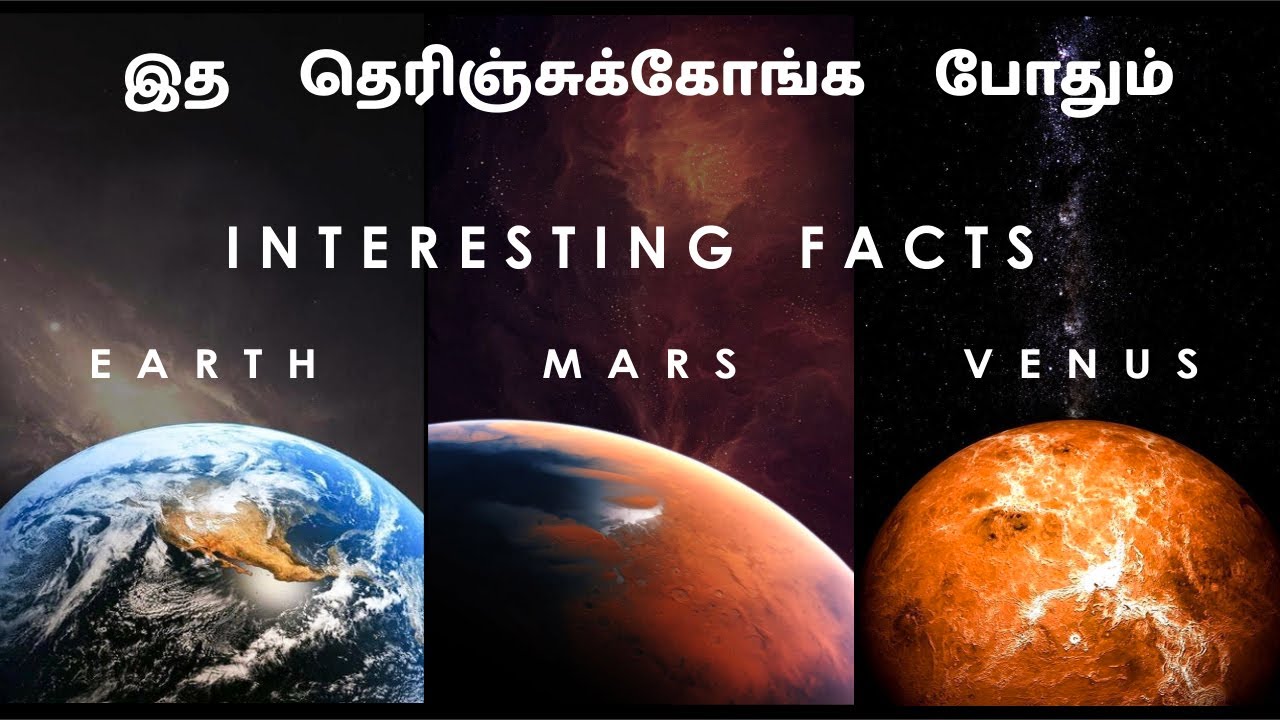
We think we know everything about our home planet, but we couldn’t be more wrong. Scientists have already discovered a lot about the Universe, but they believe there is still much more to learn about our planet. You’ll be amazed when you find out how much you have yet to learn about our home planet, let’s start with 45 unknown earth facts.
Summary:
1. There weren't always several continents
2. Some 300 million years ago, there was just one continent. A massive
supercontinent called Pangaea. And thus, there was just one giant sea,
called Panthalassa.
3. Our solar system is 4.57 billion years old.
4. Researches calculate that the earth is approximately 4.54 billion years old,
that is insanely old.
5. The earth is approximately 93 million miles (150million kilometres) from
the Sun. It makes about 8 minutes and 19 seconds for sunlight to reach our
planet.
6. Earth's gravity isn't uniform
7. Because of imbalance gravity/centrifugal force at the equator coupled with
the speed that the earth is spinning. Our planet is not a perfect sphere. it is
slightly bulging out in the middle.
9. Our poles switch. our planet has settled into a pattern of a pole reversal
about every 2,00,000 to 3,00,000 years.
10.The circumference of the globe is 24,901 miles (40,075 kilometres)
11.The earth isn't just spinning in place, its zipping around the sun at a rate of
67,000miles (107.826 kilometres) per hour.
12. Earth's icy times
13. In the past, sea levels were very different
14.The days are getting longer.
15.At the equator, you would weigh less than if standing at one of the poles.
16.Depending on where you are on the globe, you could be spinning through
the space at just over 1,000 miles per hour.
17.Hudson Bay, Canada, has lower gravity than other regions of the earth.
18.The Pacific Ocean is huge; it covers an area of about 59 million square
miles (155 million square kilometres) and containing more than the half of
the free water on earth.
21.Coral reefs support the most species per unit. Area of any of the planet's
ecosystems, rivalling rain forests.
22.Researchers believe that at one point, we had two moons. our second moon would have been about 750 miles orbited the earth in the past.
23.We always see the same side of the Moon, no matter where we stand on Earth.
24.The moon is not Earth's only companion
25.The lowest point on earth that is ' on land' is the dead sea
26.The driest place on Earth
27.El Aziziya, Libya holds the record for the hottest place on earth. According
to NASA, it hit 136 degrees Fahrenheit (57.8 degrees Celsius) on
September 13, 1922.
28.The lowest temperature ever recorded on earth came from Russia's Vostok station
29.The calm before the storm
30.A single stroke of lightning can heat the air to around 54,000 degrees
31.Our sun has a voracious appetite
32.Only 5% of the universe is visible from Earth.
33.Earth is one of the four terrestrial planets: like Mercury, Venus, and Mars. It is rocky at the surface.
34.In our solar system that are 4 planets known as gas giants: Jupiter, Saturn, Uranus & Neptune.
35. Mercury & Venus are the only 2 planets in our solar system that have no moons.
37.The hottest planet in the solar system is Venus with an average temperature
of 464 degree Celsius
38. The coldest planet in the solar system is Pluto with an average
temperature of -225 degree Celsius.
39.The Sun weighs about 330,000 times more than Earth.
41.Pluto is smaller than the United States
#top10 #facts #amazing #interestingfacts #coolfacts #amazingfacts #interestingfactsabouttheworld #solarsystem #earth #moon #sun #factsaboutspace #factsintamil #factsthatwillshockyou #brightsidevideos #factsaboutearth #factsaboutworld #factsabouttheearth #twomoons #interestingvideos #mysteriousworld #rarefacts #factsyoumustknow #shockingfacts #factsaboutsolarsystem #scientificfacts #brightside #mars #vaanveli #tamil #mysterybrightside #brightsidefacts
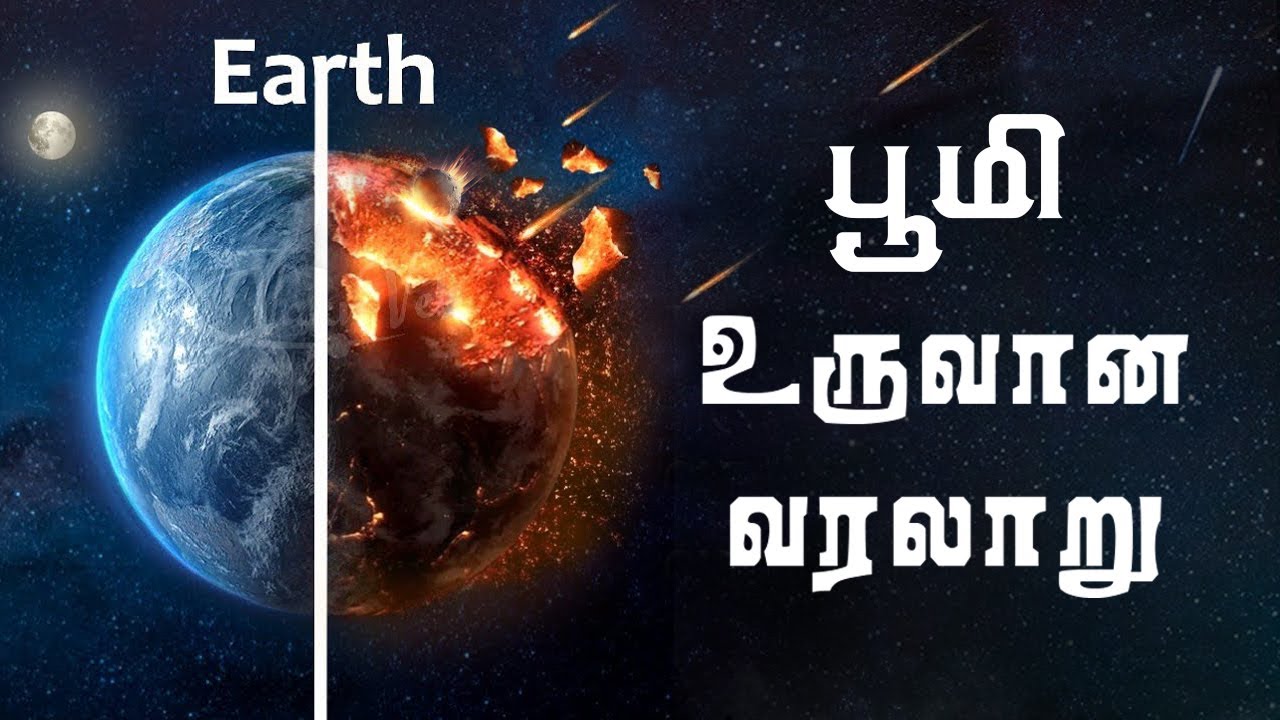
460 கோடி ஆண்டுகளுக்கு முன் நம் பூமி உருவாகி அதன் பின் தற்போதைய நிலைக்கு மாறிய விளக்கம் இந்த காட்சியில் தமிழில் கூறப்பட்டுள்ளது . உங்களுடைய கருத்துக்களை கீழ் தெரிவிக்கலாம் நன்றி.
#பூமிஉருவானவரலாறு #earth #human #history #earth, #universe #humanevolution #cretaceous #dinosaur #ourplanet #historyofearthtamil #evolution #பூமிஉருவானவரலாறு #earthhistory #humanhistory #earth #universe #humanevolution #earthtamil #vaanveli #ulagam #humanevolutionanimation #earthhistoryintamil #earthhistoryanimation #earthdocumentary #cretaceous #dinosaur #moon #science #earthandmoon #earthandsun #extinsion #howtheearthwasmade #climatechange #whatif #dinosaurs #historyoftheworld #naturaldisasters #ourplanet #historyofearthtamil #evolution #evolutionofhuman #humanevolutionexplained #vaanveli #vaan_veli #earthfacts #earthhistory #shorts #whatif
