#whatif

Hi,
Apophis is an asteroid that gained attention due to initial calculations that suggested a small possibility of it colliding with Earth in the future. Let me provide you with some information about Apophis:
Discovery: Apophis, also known as 99942 Apophis, was discovered on June 19, 2004, by astronomers Roy A. Tucker, David J. Tholen, and Fabrizio Bernardi at the Kitt Peak National Observatory in Arizona, United States.
Size and Composition: Apophis is a near-Earth asteroid with a diameter of approximately 370 meters (1,210 feet). It is classified as a potentially hazardous asteroid (PHA) due to its proximity to Earth and its size.
Close Approach in 2029: The most significant event associated with Apophis is its close approach to Earth on April 13, 2029. At its closest point, Apophis will pass within about 31,000 kilometers (19,000 miles) of Earth's surface, which is closer than the orbit of some satellites. This will be the closest approach of an asteroid of this size on record.
Impact Risk: Initial observations and calculations led to some concern about a potential impact by Apophis in 2029 or subsequent flybys. However, further refined observations and analysis have ruled out any possibility of an impact in 2029. The chances of Apophis colliding with Earth in subsequent close approaches through the year 2100 have been estimated to be extremely low (less than 1 in 100,000).
Scientific Interest: Apophis remains of great scientific interest due to its close approach and potential for studying near-Earth asteroids. Scientists can use radar and other instruments to gather valuable data about its composition, structure, and orbit during the close encounter in 2029.
Mitigation Efforts: Although the risk of impact is extremely low, studying Apophis has led to increased efforts in developing asteroid detection and mitigation techniques. Organizations like NASA and other international space agencies actively monitor and study near-Earth asteroids to refine our understanding of their trajectories and potential risks.
Regards,
Vaan Veli
#asteroid #asteroidhittingearth #nasa #asteroidimpact #asteroidcollision #apophis #apophisasteroid #asteroidapophis2029 #asteroidapophis #apophis2029 #apophisegyptiangod #whatifapophishitsus #willapophishitus #willasteroidapophishitearthin2029 #whatwouldhappenifasteroidapophishitearth #howbigisasteroidapophis #99942apophis #whatifasteroidhitearth #earth #2029 #universe #vaanveli #tamil #whatif #apophisasteroidintamil #apophistamil #gk

Are you curious about the hottest planet than a star? Then this video is for you!
Kelt 9b is a hot planet that is much hotter than our own planet Earth. In this video, we'll explore this fascinating planet and its extreme heat. This video is a great way to learn more about the universe and the extremes that exist beyond our own planet!
What Planet is Hotter than a Star?
Regards,
VaanVeli
#kelt9bnasa #kelt9bplanet #kelt9btemperature #kelt9b #kelt9b #hottestplanet #exoplanetas #kelt-9b #kelt9bsize #planetkelt9b #kelt-9 #kelt9 #whatisthehottestplanet #hottestexoplanet #hotjupiter #hottestplanetintheuniverse #exoplanets #planethotterthanstar #kelt #hotjupiterplanet #hottestplanets #kelt9star #planets #exoplanetsounds #exoplanethotterthanastar #vaanveli #tamil #kelt9btamil #whatif #kelt9bintamil #kelt9b #kelt9 #star #youtube
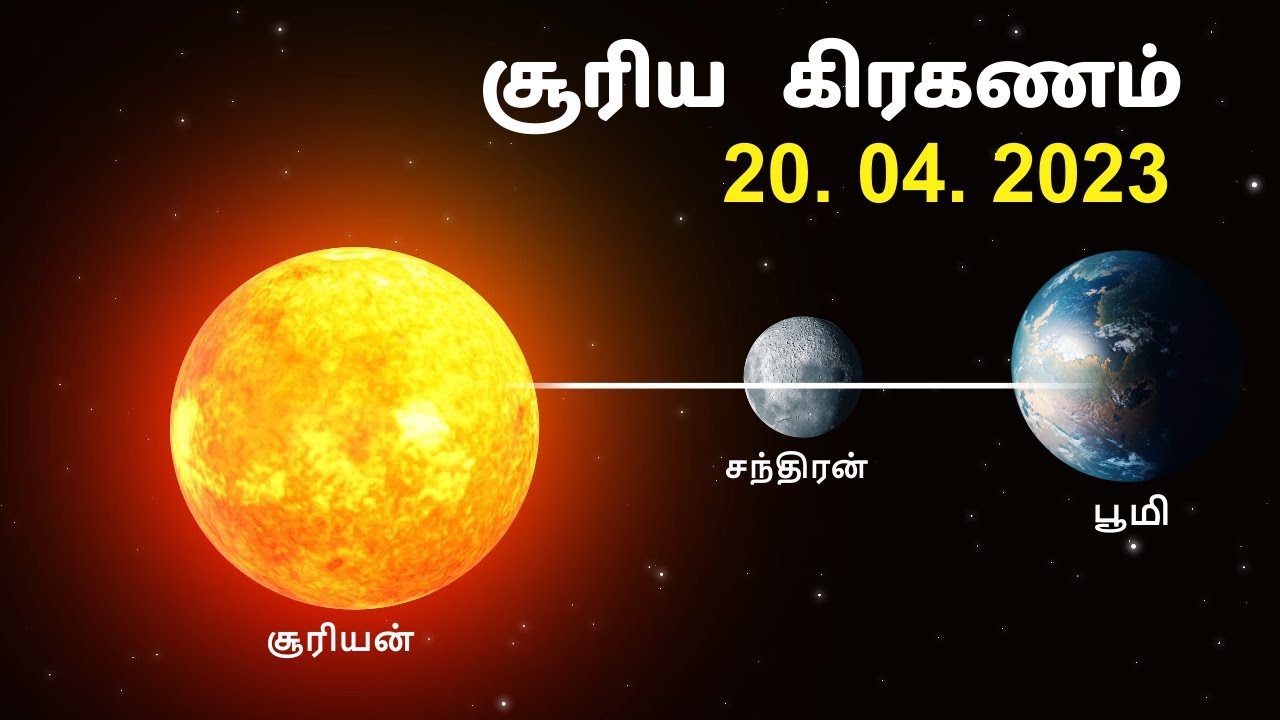
What is Solar Eclipse ?
In this video, we will answer what is Solar Eclipse in 2023. We will describe its path across the Earth, and explain why it is so important.
In this video, we'll explain what a Solar Eclipse is in 2023. We will describe its journey across the globe and explain why it is so significant.
If you're wondering what the Solar Eclipse will look like in the United States this year, watch this video! We'll explain the different stages of the Solar Eclipse and provide you advice on how to observe it safely! After seeing this film, you'll be ready to witness one of nature's most stunning phenomena!
If you're curious what Solar Eclipse then this video is for you! We'll explain what the different stages of the Solar Eclipse will look like, and give you tips on how to watch it safely! After watching this video, you'll be ready to experience one of the most amazing things nature has to offer!
Regards,
Vaan Veli
வாழ்க தமிழ்
#eclipse #grahan #chandragrahan #lunareclipse #fullmoon #moon #vaanveli #tamil #whatif #gk #suryagrahan20april2023intamil #suryagrahan2023intamilnadu #suryagrahan2023intamil #suryagrahan2023inindiadateandtimeintamil #solareclipse2023intamil #solareclipse2023intamilnadu #solareclipseapril2023intamil #april202023solareclipsetamil #20april2023suryagrahantamil #suriyakiraganamtamil2023 #suriyakiraganam2023dateandtimeintamil #suriyakiraganam2023intamil #சூரியகிரகணம்2023சூரியகிரகணம்2023எப்போது #சூரியகிரகணம் #suryagrahan20april2023intamil #suryagrahan2023inindiasolareclipse2023tamil #aprilsuryagrahantime #suryagrahan20april2023 #suryagrahan2023 #suriyakiraganam2023 #suriyakiraganamapril2023intamil #suryakiraganamintamil #suryagrahan2023datesandtimeinindiaintamil #solareclipse2023intamil #solareclipseapril2023 #சூரியகிரஹணம்2023 #சூரியகிரகணம்2023எப்போது #சூரியகிரகணம்2023நேரம் #solareclipse #solareclipse2023 #solareclipselive #solareclips

Part 2: https://youtu.be/_AMKYUG6fps?si=h-fbsGYjSMRhDXt9
Earth, an Unfit planet for survival - Scientific reasons & Truths | Trees | Deforestation makes the earth unfit to survival | We are at risk of Losing our earth by destroying trees
A research says Earth's oxygen is projected to run out in a billion years, you know Why? because of we are slowly harvesting the heart of oxygen (Trees) from this earth.
We must realize the fact that trees act as giant bulwarks to provide us with the oxygen we need to survive and protect us from many natural disasters.
Trees, a great boon given by nature to this earth and the life on it.
In this video, we have narrated about trees and its origin, history, how connected with the life of living things in the earth, influence to environmental changes and producing oxygen, and what is halogen?, different groups of plants and fungi in the earth. Moreover, Also we have deeply described about the impact of cutting down trees on the ecosystem and our future generation.
We can give what matters most to our future generation who need it most. Because a first step of our endeavor for saving trees can give our generation a healthy and long life.
Regards,
VaanVeli
Santhosh
© Copyright: All Musics and Videos licensed .
#savetress #saveearth #saveenvironment #savenature #trees #treestagram #treescape #trees #christmastrees #treesarelife #beautifultrees #treeshadow
#plantingtrees #trees_masters #stopdeforestation #deforestationawareness #nodeforestation #deforestationsucks #deforestationfree #amazondeforestation #deforestationproblems #deforestationnation #deforestationfacts #deforestations #stopdeforestationnow #trees #treesarelife #floweringtrees #beautifultrees #bloomingtrees #treeshadow #treeservices #plantingtrees #treesmasters #vaanveli #tamil #gk #whatif #earth #planets #space #treesbenifits
Hi,
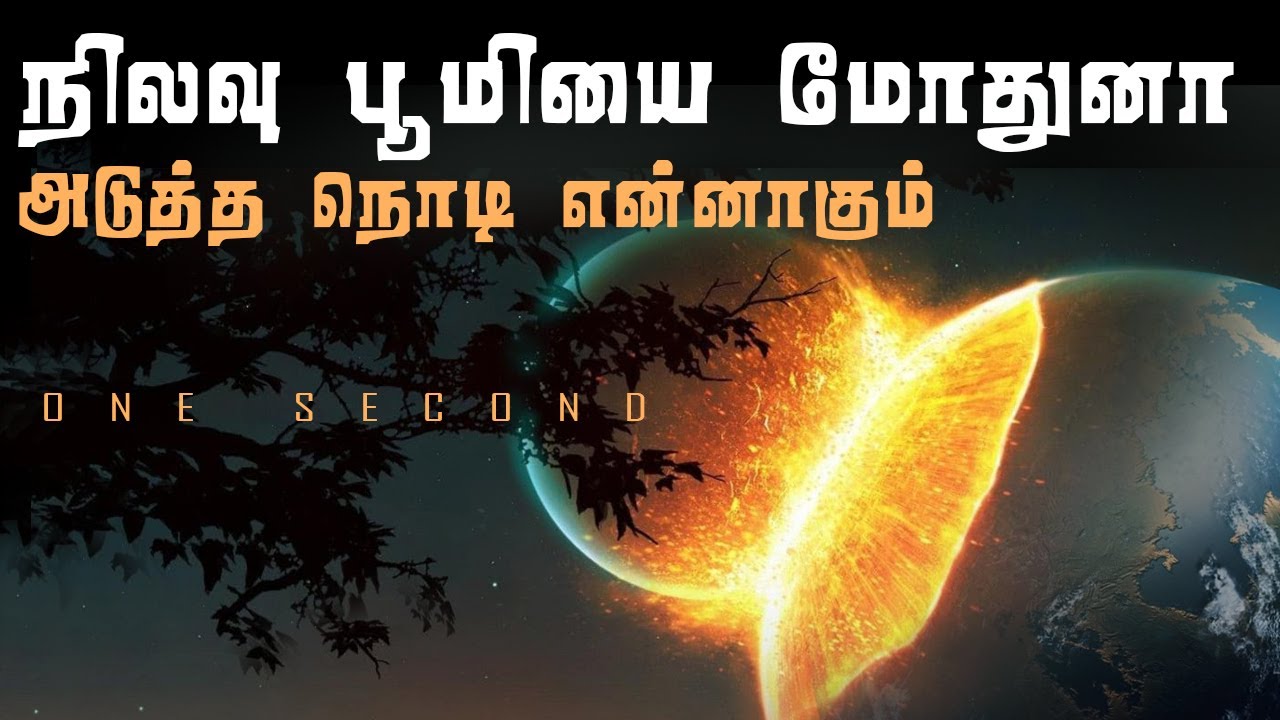
நிலவு பூமியை தாக்கினால் என்னாகும் ? What if Moon Hit us, Moon collide with the Earth
If the Moon were to collide with the Earth, it would have catastrophic consequences for both celestial bodies and life as we know it. Here's an overview of what could happen:
Massive Impact: The collision between the Moon and Earth would release an enormous amount of energy, equivalent to billions of atomic bombs. The impact would vaporize the Moon and cause widespread destruction on Earth.
Global Firestorms: The energy released from the impact would generate intense heat, triggering global firestorms. The Earth's surface would be engulfed in flames, leading to widespread wildfires that could consume entire continents.
Atmospheric Disruption: The impact would also result in a massive release of dust, debris, and molten rock into the atmosphere. This would block sunlight and cause a significant reduction in global temperatures, leading to a phenomenon similar to a nuclear winter.
Tsunamis: The collision would generate colossal tsunamis that would sweep across the oceans, reaching coastal areas and causing devastation. Entire coastal cities would be wiped out, and inland regions might also experience flooding due to the displacement of water.
Extinction-Level Event: The combined effects of the impact, firestorms, atmospheric disruption, and tsunamis would likely result in a global extinction event. The catastrophic changes to the environment would make it extremely difficult for most life forms to survive.
Regards,
VaanVeli
Santhosh
#moon #nasa #moonimpact #mooncollidewithearth #mooncollision #moonhit #moonhitus #moonhitearth #moondestroyed #moondestroyearth #whatif #whatifmoonhitus #whatifmoondestroyed #moongravity #earth #universe #earthcollision #earthandmoon #spacevideo #collisionearth #collisionmoon #tamil #mooncollisionintamil #moontamil #moonhitusintamil #tsunami #earthquake #whatwillhappenifmoonhitus #nilavu #moonfacts #moonfactsintamil #gk #lunar #vaanveli #whatifmoonhitus #nilavu #nilavuboomiyaithaakinal
Dear Friends,
Vaan Veli 1st year anniversary,
நம் வான்வெளி youtube சேனல் ஆரம்பித்து இன்றுடன் ஒரு வருடம் ஆகின்றது, ஆதரவு தந்த அணைத்து நல்ல உள்ளங்களுக்கும், குடும்பத்தினருக்கும், நண்பர்களுக்கும் மனமார்ந்த நன்றி .
Good day, everyone. Our VaanVeli YouTube channel has been running for a year. I am eternally grateful to each and every one of you. Thanks to all my subscribers, commenters, friends, family members and who are all suppoted me and im really thank you from the bottom of my heart, thank you again.
Please continue to support me.
Regards,
VaanVeli
#earthhistory #earth2 #earth #universe #earthtamil #vaanveli #ulagam #earthhistoryintamil #dinosaur #moon #science #earthandmoon #earthandsun #extinsion #whatif #dinosaurs #ourplanet #vaanveli #vaanveli #vaanveli #vaanveli #vaanveli1styearanniversary #vaanvelianniversaryvideo #vaanvelivideos #vaanvelichannel #vaanvelitamil #universevideos #galaxyvideos #milkywaygalaxytamil #thankingvideoforsubscribers #anniversaryvideoforsubscribers #top10 #tamil #volcano
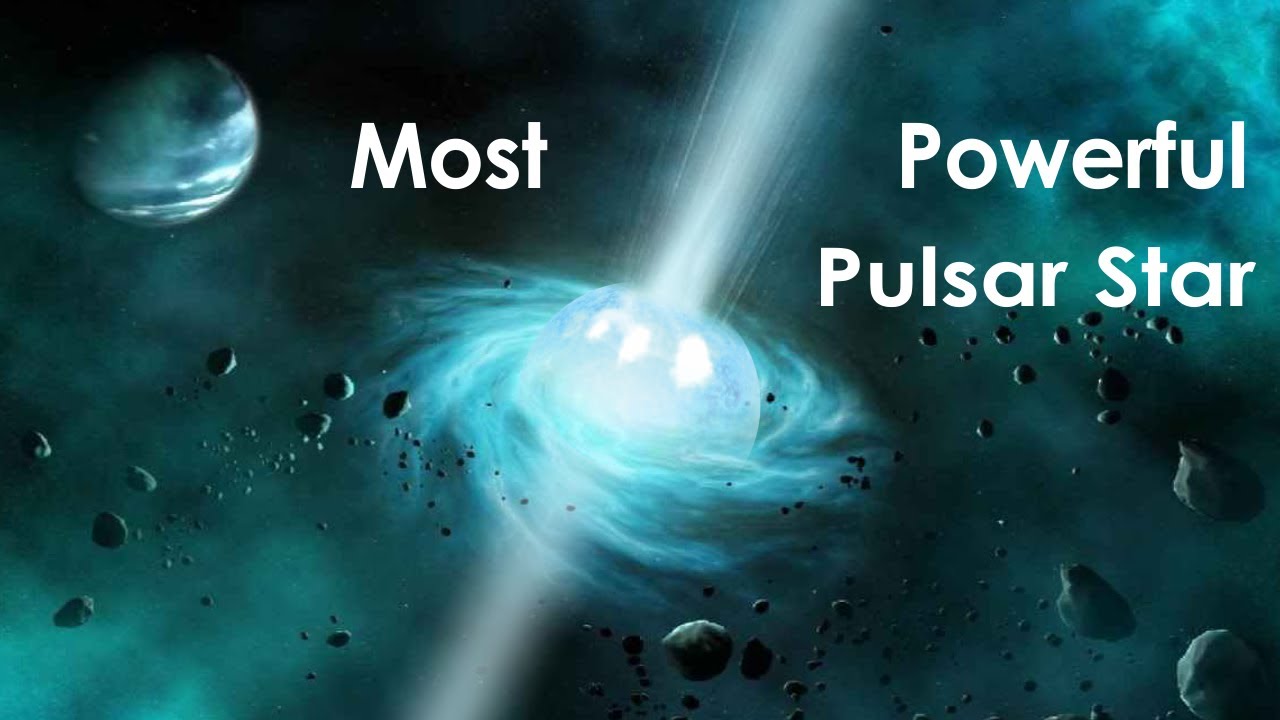
Pulsar நட்சத்திரம் | what is Pulsar star?
In this video, we'll learn what a pulsar is and what makes it so powerful. We'll also learn about the different types of pulsars and how to find them. If you're curious about what makes pulsars so powerful, then this video is for you. We'll learn about the different types of pulsars and why they're so important. We'll also find out about the most powerful pulsar in the universe and why it's so important. After watching this video, you'll have a better understanding of what makes a pulsar so powerful!
Regards,
Vaan Veli
#pulsar #pulsarstars #space #gravity #whatif #universe #blackhole #astronomy #pulse #neutronstars #neutronstars #neutronstarpulsarsound #pulsarstarsounds #youngestneutronstar #pulsarstarnasa #neutronstarformation #pulsarstarsound #whatisapulsar #whatisaneutronstar #pulsartami #pulsarstartamil #vaanveli #tamil #gk #science #whatispulsarstar #puslarstarspeed #howtofindpulsarstar #pulsarstarfacts #factsaboutuniverse #top10 #sciencefactstamil

1000 வருடத்திற்கு மேல் பூமியில் சூரிய ஒளி இல்லாமல் போனால் என்ன நடக்கும் தெரியுமா ? பூமியில் பெரிய எரி கல்லோ அல்லது பெரிய எரிமலையோ வெடித்தால் என்ன நடக்கும் என்பதை காட்டி உள்ளோம், அனைவரும் பார்த்து தங்களின் கருதுக்களை தெரிவிக்கலாம் நன்றி .
What If There was No Sunlight to Earth?
If there was no sunlight reaching Earth, the consequences would be catastrophic for life as we know it. Sunlight is essential for numerous biological and physical processes on our planet. Here are some of the major impacts:
Loss of Photosynthesis: Sunlight is crucial for photosynthesis, the process by which plants and some bacteria convert light energy into chemical energy to produce food. Without sunlight, photosynthetic organisms would be unable to survive, leading to the collapse of the entire food chain.
Ecosystem Disruption: The extinction of plants would result in the extinction of herbivores that rely on them for sustenance. This, in turn, would affect carnivores and other predators in the ecosystem. The disruption would likely cause a mass extinction event.
Temperature Drop: The Sun's energy is responsible for heating the Earth's surface. Without sunlight, the planet would rapidly cool down. The temperature drop would be drastic, leading to extremely cold conditions, especially in areas away from geothermal heat sources.
Loss of Atmospheric Circulation: Sunlight plays a crucial role in driving atmospheric circulation, which includes the formation of weather patterns and wind currents. Without sunlight, the atmosphere would become stagnant, resulting in the loss of weather systems and wind patterns.
Darkness: Obviously, the absence of sunlight would plunge Earth into darkness. The sky would be devoid of the typical blue color, and daylight-dependent activities would become impossible.
Disruption of the Water Cycle: Sunlight provides the energy required for the evaporation of water, which is an essential component of the water cycle. Without sunlight, the water cycle would slow down significantly, affecting rainfall patterns, freshwater availability, and overall climate stability.
Impact on Human Life: Humans, along with other organisms, depend on sunlight for vitamin D synthesis, which is crucial for bone health. The absence of sunlight would lead to widespread vitamin D deficiencies, resulting in health issues. Additionally, agriculture, which heavily relies on sunlight, would be severely affected, leading to food shortages and famine.
Regards,
VaanVeli
#volcano
#earthquake #earth #planets #extinction #clouds #பூமி #volcano #earthquake #planets #extinction #clouds #universe #galaxy #cloud #disaster #vaanveli #animals #explosion #earthattack #climatecrisis #climate #globalwarming #savetheworld #science #dangeredspecies #savetheplanet #sustainability #dinosaurs #environment #extinction #dinosaur #climatechange #wildlife #nature #extinction #supervolvano #yellowstone #asteroid #whatif #earth #whathappensif #nasa #top5 #space #universe #solarsystem #tamil #extinciondinosaurios #shorts

Welcome to VaanVeli,
பிரபஞ்சத்தின் மிகப்பெரிய கருந்துளை | TON 618 Ultra Massive Black Hole
In this video, we'll be talking about the TON 618 Ultra Massive Black Hole, one of the most fascinating things in the universe!
This video is for those of you who want to know everything there is to know about the TON 618 Ultra Massive Black Hole. From its size to its history, this video will tell you everything you need to know about this fascinating object!
If you're curious about the universe and what's out there, Black holes are so mysterious and strange that they've been the subject of many movies and stories over the years. If you're interested in science or just fascinated by the universe,
This amazing object is something you don't want to miss out on!
Not only will we be discussing the black hole itself, but we'll also be giving you a tour of the Supermassive black hole factory. This is an amazing place that will leave you wanting more! So buckle in, because this is one video you don't want to miss!
Regards,
Vaan Veli
[Santhosh]
#supermassiveblackhole #isrotamil #blackhole #கருந்துளை #ton618ultramassiveblackhole #ton618 #ton618blackhole #blackholetamil #blackholeintamil #largestblackhole #biggestblackhole #massiveblackhole #ultramassiveblackhole #blackholecomparison #warmhole #karunthulai #whatisblackhole #blackholeexplained #vaanveli #vaanveli #gk #whatif #universe #earth #ton618tamil #blackholevswhitehole #nasa #space #gravity #sunset #eventhorizon #blackholes #tamil

இரண்டாவது சனி கிரகம் கண்டுபிடிப்பு | Super Saturn Found J1407B
In this video, we are sharing the exciting news that a super Saturn has been found orbiting around J1407B! we'll be highlighting the discovery of a new Super Saturn-sized planet located near the constellation, The new planet is officially called J1407B
This is an incredible discovery that has astro-philes all over the world excited. If you're curious about what this discovery means, then be sure to watch the video to learn more! Please share this video if you're excited about this new find, and be sure to subscribe for more astronomy news and videos! So sit back and enjoy the ride as we share the latest space news with you!
Regards,
Vaan Veli
#saturn #solarsystem #supersaturn #saturn'srings #saturnsrings #planetsaturn #planets #biggestsaturn #j1407b #whatissupersaturn #supersaturvssaturn #howlargethesupersaturn #supersaturnsizecomparison #supersaturnringsize #sanigiragam #sanikiragam #sani #sanigiraham #சனிகிரகம் #vaanveli #vaanveli #tamil #whatif #gk #top10 #supersaturnfound #supersaturntamil #ringsofsaturn #saturnplanetrealvideo #earth #stars #constellationofstars #universe
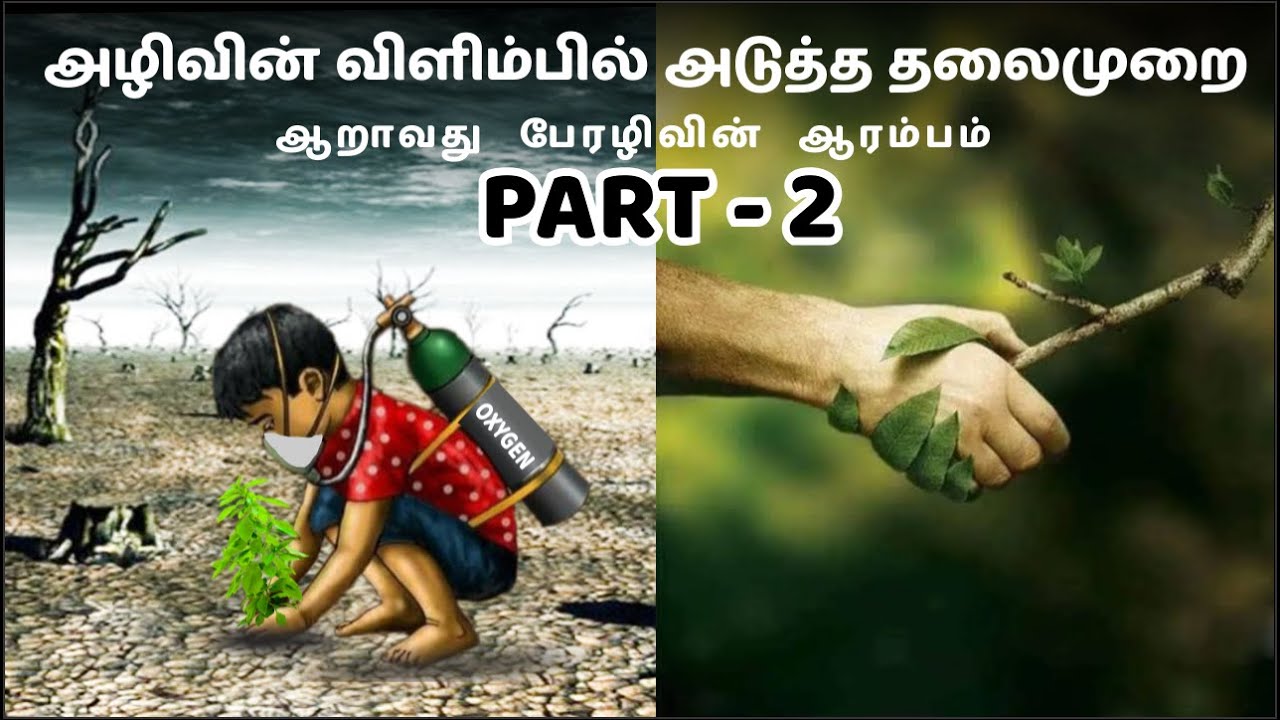
Part 1 : https://youtu.be/NCWBWYoxzkw
In this video we discussed the benefits of trees and their role in the world., we'll explore what would happen if the world didn't have any trees. We'll look at the environmental consequences of deforestation, the impact of deforestation on climate change, and the impact of deforestation on humanity.
So what would happen if the world lost all of its trees? Watch this video to find out! In this series, we're discussing some of the most important issues facing the world today, and we started with the question: what if there were no trees?
In the second part of this video, we talked about the importance of trees and the impact they have on our environment.
If you want to know what to do to help stop the deforestation of the world, be sure to watch part 1 and do you think Would the world be able to function without trees? What problems would arise?
Stay tuned for more videos on this topic!
#trees #benefitsoftrees #whatiftheworlddidn'thaveanytrees #theimpactofdeforestation #andtheimpactofdeforestationonhumanity #whatwouldhappeniftheworldlostallofitstrees #whatiftherewerenotrees #importanceoftrees #treetypes #tyesoftrees #treesage #tre #nationaltree #treename #christmasactivity #deforestation #chainsawman #treecuttingmachine #treecuttingmachine #humanextinction #vaanveli #tamil #treesintamil #gk #whatif #treehunt #shorts #earth

History of our planet EARTH, 460 கோடி ஆண்டுகளுக்கு முன் நம் பூமி உருவாகி அதன் பின் தற்போதைய நிலைக்கு மாறிய விளக்கம் இந்த காட்சியில் தமிழில் கூறப்பட்டுள்ளது . உங்களுடைய கருத்துக்களை கீழ் தெரிவிக்கலாம் நன்றி.
Earth's formation (4.54 billion years ago): The Earth was formed from the dust and gas that surrounded the newborn Sun. The accretion process involved smaller particles colliding and sticking together to form larger bodies, eventually culminating to the formation of the Earth.
2. Hadean Eon (4.54 to 4 billion years ago): Earth was characterized by extreme heat and numerous asteroid collisions throughout this eon. The first oceans formed, and the atmosphere began to form.
Earth History in Tamil, Earth History, History of earth, How earth formed , History of our universe,
Regards,
Vaan Veli
Santhosh
#பூமிஉருவானவரலாறு #earth #human #history #earth, #universe #humanevolution #cretaceous #dinosaur #ourplanet #historyofearthtamil #evolution #பூமிஉருவானவரலாறு #earthhistory #earth #earthtamil #vaanveli #ulagam #earthhistoryintamil #earthhistoryanimation #earthdocumentary #moon #science #earthandmoon #earthandsun #extinsion #howtheearthwasmade #climatechange #whatif #dinosaurs #historyoftheworld #naturaldisasters #ourplanet #historyofearthtamil #humanevolutionexplained #vaanveli #vaan_veli #earthfacts #earthhistory #shorts
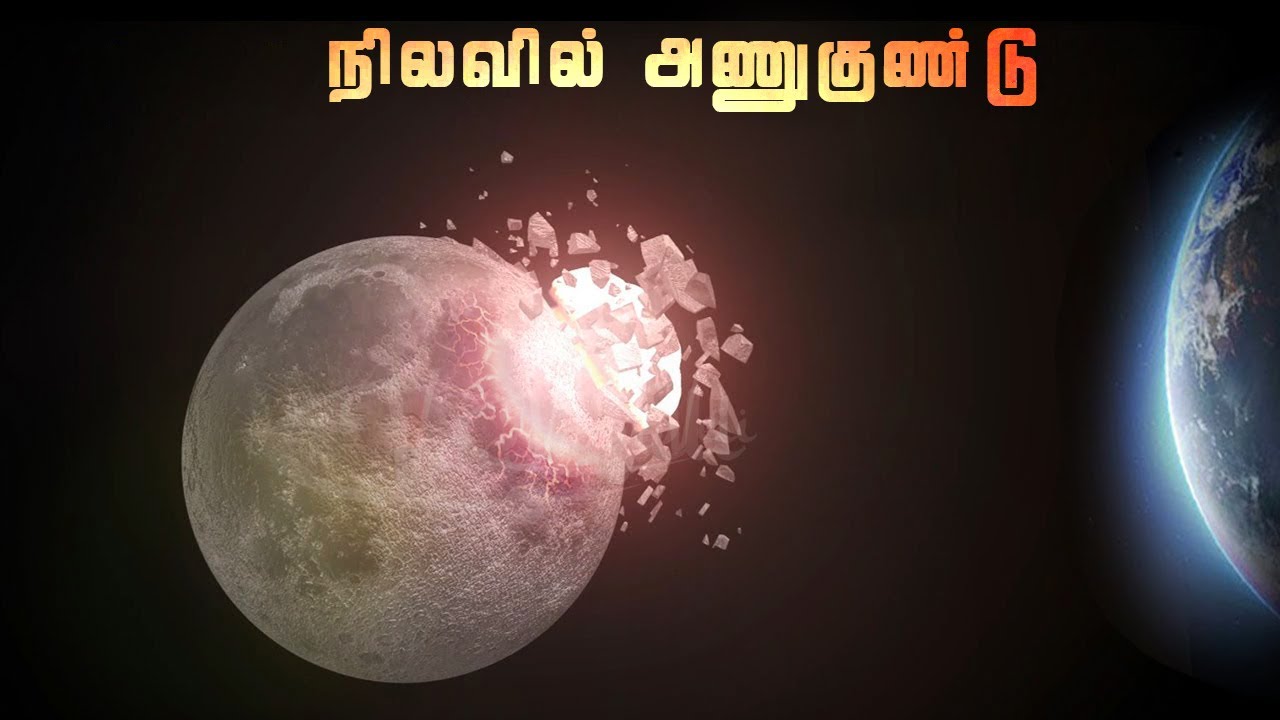
What if we nuke the moon ?
Nuking the moon would have significant and far-reaching consequences, both for the moon itself and for Earth. However, it's important to note that such an action would be highly unethical, potentially illegal, and would likely face strong international condemnation. Nonetheless, let's explore the hypothetical scenario and its potential implications.
Moon's Surface: Detonating a nuclear bomb on the moon would create an enormous explosion and release a tremendous amount of energy. The immediate impact would be the vaporization and destruction of a large portion of the moon's surface, leading to a crater and potentially ejecting debris into space.
Lunar Environment: The moon has no atmosphere to disperse or dampen the effects of the explosion. As a result, the shockwave and radiation from the nuclear blast would propagate freely across the lunar surface. This could significantly alter the moon's geology, cause seismic activity, and potentially destabilize its structure.
Earth's View: If a nuclear explosion occurred on the moon, it would likely be visible from Earth. The brightness and size of the explosion would depend on the magnitude of the bomb used, but it could potentially be seen with the naked eye. This event would be a spectacle, but also a cause for concern and potential panic among people on Earth.
Debris and Impact: The explosion would create a cloud of debris consisting of moon rock, dust, and radioactive particles. Some of this debris could potentially be ejected towards Earth, posing a risk to satellites, space missions, and even to the planet's atmosphere if a significant amount were to re-enter.
Scientific and Astronomical Impacts: The moon is a valuable object of scientific study and exploration. Destroying or significantly altering it would hinder our ability to gather knowledge about its geological history, impact cratering, and lunar evolution. Additionally, the moon's gravitational influence on Earth helps stabilize our planet's rotation and tides. Altering its mass and structure could have unpredictable effects on Earth's stability.
International and Legal Consequences: The Outer Space Treaty, ratified by many nations, prohibits the placement of nuclear weapons or any other weapons of mass destruction in space. Detonating a nuclear bomb on the moon would likely violate this treaty, resulting in severe diplomatic repercussions and potential legal action against the responsible party.
It's crucial to emphasize that these potential consequences are speculative since no one has ever attempted such an action. However, the overall implications would likely be significant, negative, and extend far beyond the immediate effects on the moon.
Regards,
VaanVeli.
Santhosh
Follows on Facebook : https://www.facebook.com/vaanveli1
Follows on Instagram : https://www.instagram.com/vaan_veli
#nuke #whatif #nuclearbomb #moon #nukemoon #whatifnukethemoon #whathappensifwenukethemoon #couldnukingthemoonbetheendofus #thedarksideofnukingthemoon #nukingthemoon #tzarbomba #zarbomba #worldslargestnuclearbomb #nuclearattack #nuclearvideo #moonvideo #moonvsnuclear #nuclearmoon #moonfall #moonblast #mooncollision #blast #earth #vaanveli #vaanveli #shorts #whatifwenukethemoonintamil #tamil #nucleartamil #moontamil #gk #chandrayaan3

Hi,
Star Classification: The Sun is a G-type main-sequence star, often referred to as a G-dwarf star or a yellow dwarf.
Size and Mass: The Sun is about 109 times the diameter of Earth and approximately 333,000 times its mass. It accounts for about 99.86% of the total mass of the entire Solar System.
Energy Source: The Sun's energy comes from nuclear fusion reactions occurring in its core, where hydrogen nuclei fuse to form helium, releasing a tremendous amount of energy in the process.
Light Travel Time: The sunlight we see from the Sun actually left its surface about 8 minutes and 20 seconds ago. This is because light takes time to travel the distance between the Sun and Earth.
Surface Temperature: The Sun's surface, known as the photosphere, has an average temperature of around 5,500 degrees Celsius (9,932 degrees Fahrenheit). However, the Sun's core temperature reaches millions of degrees Celsius due to the fusion reactions taking place there.
Solar Flares and Sunspots: The Sun's surface is not uniformly smooth. It has dark spots called sunspots, caused by the Sun's magnetic activity. Solar flares, which are bursts of energy and radiation, can also occur due to this magnetic activity.
Solar Wind: The Sun constantly emits a stream of charged particles called solar wind. This solar wind affects the space environment of the entire Solar System and interacts with the planets' magnetospheres.
Life Cycle: The Sun is approximately 4.6 billion years old and is roughly middle-aged in terms of its life cycle. It's currently in the phase where it's fusing hydrogen into helium in its core.
Future Evolution: In about 5 billion years, the Sun will exhaust its hydrogen fuel and enter a phase where it expands into a red giant, swallowing up Mercury, Venus, and possibly Earth. Eventually, it will shed its outer layers and become a white dwarf.
Solar Eclipses: Solar eclipses occur when the Moon passes between the Earth and the Sun, blocking out the Sun's light. Total solar eclipses happen when the apparent size of the Moon matches that of the Sun, creating a stunning visual effect.
Composition: The Sun is primarily composed of hydrogen (about 74%) and helium (about 24%). Other elements, such as oxygen, carbon, neon, and iron, make up the remaining percentage of its composition.
Size: The Sun is an average-sized star, classified as a G-type main-sequence star (G2V). Its diameter is about 109 times that of Earth, and it could fit more than 1.3 million Earths inside it.
Energy Source: The Sun generates energy through a process called nuclear fusion, where hydrogen nuclei combine to form helium, releasing an immense amount of energy in the form of light and heat.
Temperature: The temperature at the Sun's core is estimated to be around 15 million degrees Celsius (27 million degrees Fahrenheit). The surface temperature, known as the photosphere, is about 5,500 degrees Celsius (9,932 degrees Fahrenheit).
Light Travel Time: It takes about 8 minutes and 20 seconds for light from the Sun to reach Earth. This means that when we look at the Sun, we are actually seeing it as it appeared over 8 minutes ago.
Sunspots: Sunspots are temporary dark spots that appear on the Sun's surface due to magnetic activity. They are cooler regions compared to the surrounding areas and can vary in size.
Solar Flares and Coronal Mass Ejections (CMEs): The Sun occasionally experiences explosive events known as solar flares and CMEs, releasing bursts of energy and charged particles into space. These phenomena can affect Earth's space environment and cause geomagnetic storms.
Solar Wind: The Sun constantly emits a stream of charged particles called solar wind, which flows outward into space and influences the heliosphere, the region dominated by the Sun's magnetic field.
Lifecycle: The Sun is currently about 4.6 billion years old and is estimated to have a total lifecycle of around 10 billion years. It is currently in the middle stage of its life, where it fuses hydrogen into helium in its core.
Importance to Earth: The Sun is essential for life on Earth. It provides light and heat necessary for maintaining suitable conditions for life. It also drives the Earth's climate, weather, and various natural processes.
Sun's Magnetic Field: The Sun has a complex and dynamic magnetic field that gives rise to various solar phenomena, including sunspots, flares, and CMEs.
Regards,
VaanVeli
Santhosh
#sun #sunfacts #facts #sunfact #sunfactstamil #sunfactsintamil #solarsystem #solarsystemplanets #solarsystemintamil #sooriyan #sooriyaninunmaigal #vaanveli #vaan_veli #thesun #tamil #gk #whatif #top10factsaboutthesun #10sunfacts #factsaboutthesun #spacefacts #factsaboutsun #sunfactsandhistory #whatisthesun #amazingfacts #howhotisthesun #shorts #interestingfacts #thesunfacts #suninformationintamil #oursun #science #allaboutthesun #சூரியன் #சூரியனின்உண்மைகள் #சூரியகுடும்பம்

Hi,
In this video, we're going to talk about Super Earth, a planet that's better than Earth. We'll discuss the advantages of living on Super Earth, and why you should want to live on this planet.
If you're looking for a better planet to live on, then you should check out Super Earth. Super Earth has a lot of advantages over Earth, including a much better environment and a much higher standard of living. In this video, we'll discuss these advantages and why you should want to live on Super Earth!
Regards,
Vaan Veli
Santhosh
Follows on Facebook : https://www.facebook.com/vaanveli1
Follows on Instagram : https://www.instagram.com/vaan_veli
#betterthanourearth
#பூமியைபோன்றகோள்கள்
#பூமி
#betterthanearth
#superearthplanet #superearthnewplanetsfound #nasa #earth #superearth #exoplanet #space #whatif #science #keplerplanet #planet #planets #theuniverse #exoplanets #habitableplanets #earthlikeplanets #earthlikeplanet #exoplanetslikeearth #superearth2.0 #superearthtamil #superearthplanettamil #exoplanettamil #howmanyexoplanetsarethere #aliens #habitablezone #tamil #vaanveli #gk #gktamil #top10superearth #kepler454b #earth2 #betterthanearth #earthtamil #blackhole #moon #solarsystem #volcano #earth2.0
![பிரபஞ்சத்தின் ஆபத்தான கிரகங்கள் [ Dangerous Planets in the Universe ]](https://i.ytimg.com/vi/BPJrTX03g4k/maxresdefault.jpg)
பிரபஞ்சத்தின் ஆபத்தான கிரகங்கள் [ Top Dangerous Planets in the Universe ]
In this video, we're going to be talking about some of the most dangerous planets in the universe!
From Venus to Neptune, these planets are full of dangerous elements and hazards that could potentially kill you if you were to visit them. So if you're thinking of traveling to any of these planets, be sure to research them first!
By the end of this video, you'll know everything you need to know about the dangerous planets in the universe!
Regards,
Vaan Veli
#nasa #facts #space #whatif #jupiter #earth #universe #solarsystem #cosmos #stars #planets #planets #exoplanet #dangerousplanetsdocumentary #venus #corot-7b #gliese436b #planetjensen #gianthd1897 #hd80606b #kelt9b #kepler78b #wasp12b #terribleplanets #topplanetslikeearth #earth2 #dangerousplanets #topplanets #planetlikeearthdiscovered #planetsfacts #gk #planetscience #nasadartmission #nasadart #planetstamil #vaanveli #tamil #scienetamil #blackhole

This video is going to share you about the total Lunar Eclipse will going to take place on November 8, 2022.
What is Total Lunar Eclipse
Total Lunar eclipse is the event occur when Earth's shadow is cast across the entire lunar surface.
Try binoculars or a telescope for a better view. or USE DSLR with Tele Lense or USE DSLR with Tele Lense
How Total Lunar Eclipse Occur
Lunar Eclipse happen when Earth is situated between the sun and the moon, creating a shaded area across the surface of the moon.
Total Lunar Eclipse November-2022
This lunar eclipse is the final total lunar eclipse of the year 2022, during a total lunar eclipse, the moon will appears to turn blood red while passing through Earth's shadow and it will be visible in parts of Asia, Australia, North America, parts of northern and eastern Europe, and most of South America.
Lunar Eclipse Time in India
[India: 5.32PM to 6.18 PM]
[ Total time : 2:27 PM - 5:55 PM ]
Travel Time :
2:27 : The Moon enters Earth’s umbra, and the partial eclipse begins.
3:29 : The entire Moon is now in the Earth’s umbra, and the Moon will turn a coppery red. Try binoculars or a telescope for a better view. or USE DSLR with Tele Lense
4:53 : As the Moon exits Earth’s umbra, the red colour fades, and it looks like a bite is taken from the opposite side of the lunar disk.
5:55 : The whole Moon is in Earth’s penumbra, but the dimming is subtle again.
Regards,
Vaan Veli
வாழ்க தமிழ்
#eclipse #chandragrahan2022 #grahan #lunareclipse #lunareclipsenovember2022 #chandragrahan2022inindiadateandtime #chandragrahan #lunareclipse #fullmoon #moon #lunareclipse2022 #eclipselunar2022 #fullmoonlunareclipse #superlunareclipse #totallunareclipse2022 #bloodmoonlunareclipse #fulllunareclipse #சந்திரகிரகணம் #chandragrahantamil #bloodmoon #lunar #redmoon #whatisabloodmoon #whatislunareclipse #lunareclipsevideos #vaanveli #tamil #whatif #gk #chandragrahantime #chandragahanam #chandragraganam #chandrakiraganam #chandragrahanam #chandragrahantime #chandragrahanintamilnadu
#redmoon #bloodmoon #சந்திரகிரகணம்2022 #சந்திரகிரகணம்nov82022 #chanthiragraganam #lunareclipse2022
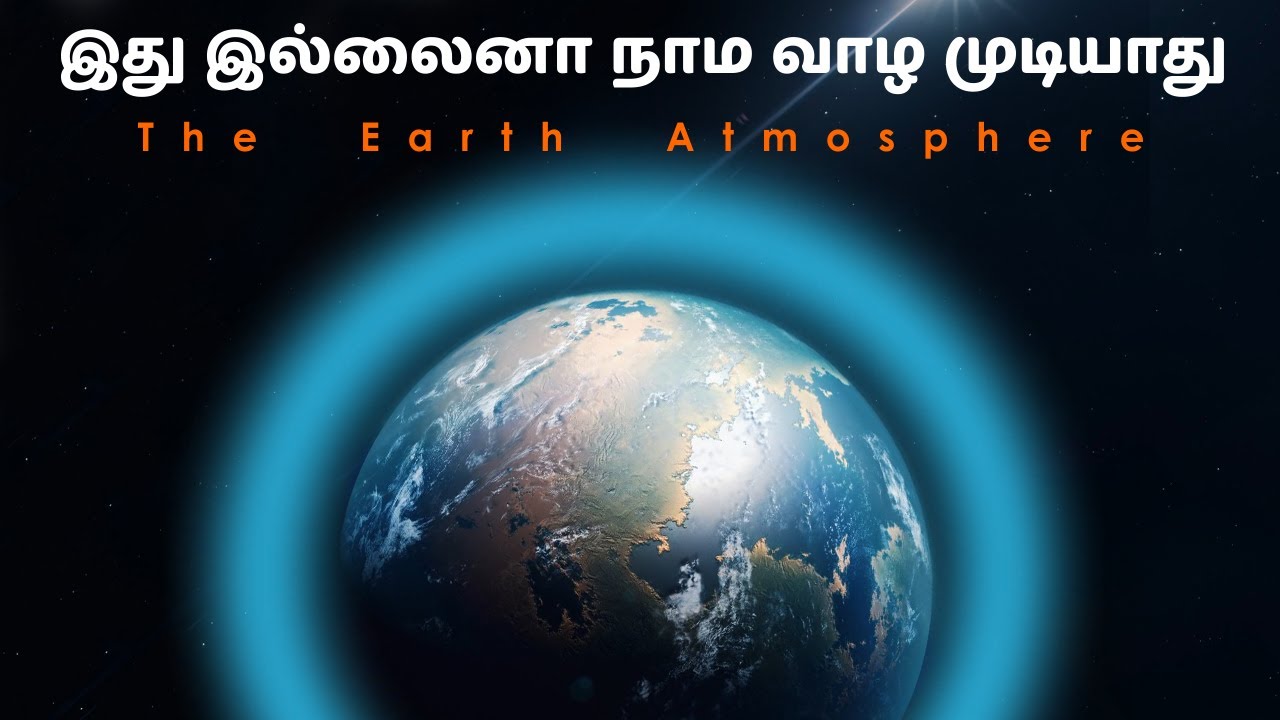
Hi Everyone,
We have showed types of earth atmosphere and ozone layer benifits in this video, i hope you love it, kindly support us if you like this video thanks .
Regards,
Vaan veli.
#பூமியின்வளிமண்டலம் #earth #earthatmosphere #earthatmospherelayers #ozone #ozonelayer #science #weather #atmosphere #planets #oxygen #layersoftheearth #layersofatmosphere #layersoftheatmosphere #thermosphere #layersofatmospehere #differentlayersofatmosphere #atmosphereexplained #whatisatmosphere #stratosphere #mesosphere #exosphere #troposphere #வளிமண்டலம் #vaanveli #tamil #whatif #gk #solarsystem #ozonelayerhole #whatisozonelayer #ozonelayerintamil #top10
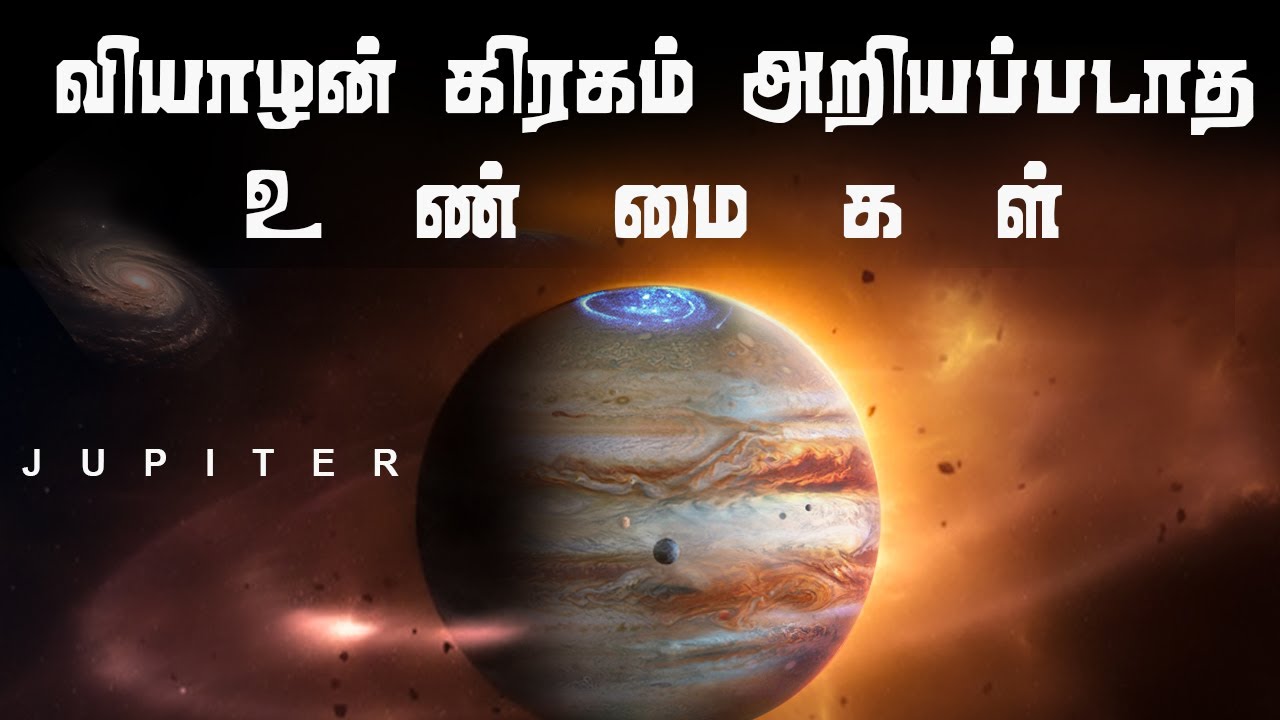
In this video we’re going to see about one of the largest planets in the solar system, The Jupiter (King of the Planet).
Jupiter
Jupiter is fifth planet from the Sun and the largest in the Solar System, the most seasoned and most monstrous world in the nearby solar system. Find out about the planet's history, its Extraordinary Red Spot and maritime moons, and what this antiquated world meant for the development of the solar system's different planets.
The Jupiter ring is divided into three parts. The deepest part is called hello. The middle of the ring is the brightest part. The outermost part of a ring is called a gossamer ring. This ring extends up to 225,000 kilometers from the planet and is 2,000-12.500 kilometers thick.
King of Solar System
The King of the planet, Jupiter, a colossal world that scientists believe can help us better understand the origin of the solar system.
Nine automated rocket have visited the gas planet up until this point, two of which entered into outer space (orbit), permitting us to concentrate on its perplexing, emotional environment more than ever.
The mystery of Jupiter
Yet, Jupiter, actually holds numerous secrets, for example, what lies underneath its strange mists and to jump considerably more profound, what is at its center? Go on an outing within the nearby planet groups biggest planet and figure out researchers' thought process is happening down there, it's very bizarre.
Jupiter is the largest planet in our solar system and one of the most interesting. In this video, we'll explore what Jupiter is, what the Jupiter Red Spot is, and how to learn more about it.
Jupiter is a big planet and you can learn a lot about it by reading articles and watching videos. In this video, we'll provide a basic overview of Jupiter and its many strange and interesting features. Be sure to check out the Jupiter Red Spot for yourself and see for yourself just how amazing this planet is!
Regadrs,
Vaan Veli.
#jupiter #jupiterascending #jupitermoon #lifeonjupiter #nasa #viyalankiragam #jupiterintamil #jupiterfactsintamil #aboutjupiter #jupiterfacts #solarsystem #planetjupiter #biggestplanet #space #cosmology #jupitertamil #whatif #tamil #planets #spacescience #jupiterplanet #planetjupiter #intamil #jupiterplanetexplained #explainjupiter #jupitermass #earthvsjupiter #jupiterstar #iomoon #howmanymoonsinjupiter #europa #ganymede ede #callisto #vaanveli #gk
Subscribe செய்யாமல் வீடியோ பார்ப்பவர்கள் : Not subscribed 96.6%
Subscribe செய்து வீடியோ பார்ப்பவர்கள் : Subscribed 3.4%
நீங்கள் எங்களுக்கு கொடுக்கும் ஆதரவினால் மட்டுமே நாங்கள் உங்களுக்கு தொடர்ந்து இன்னும் சிறந்த விடீயோக்களை உற்சாகத்துடன் பதிவிடமுடியும் நன்றி 🙏
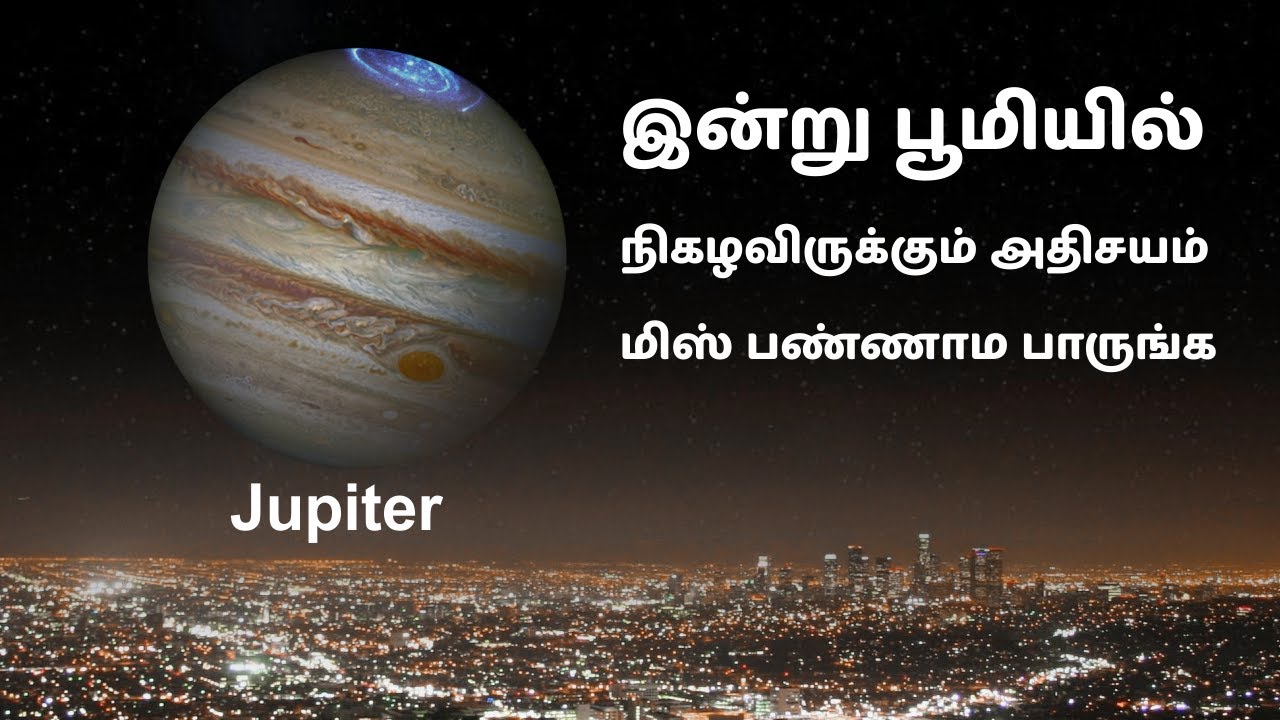
The Solar System’s largest planet Jupiter will hang in the skies later this month as it comes closest to Earth in nearly 70 years.
Jupiter will be closer to Earth than usual on September 26.
According to NASA, this will be the nearest the largest planet in the solar system has been to Earth in nearly six decades.
Scientists say Jupiter will appear bigger and brighter because it will “only” be 367 million miles away. That’s almost half the distance the planet is from the Earth at its farthest.
Experts say the best place to get a view of Jupiter on Monday will be a highly elevated spot in a dark and dry area.
Regards,
Vaanveli.
#jupiter #nasa #solarsystem #earth #whatif #planets #moon #thesun #jupitertomorrow #howclosejupitercomestoearth #todayjupiter #jupitertonightinthesky #jupitertoday #jupitertodaylive #jupitertamil #vyalan #vyalantamil #tamil #veenveli #earthtojupiterdistance #videoofjupiter #photosofjupiter #jupitervideo #gk #live #jupiternews #jupiterandearth #earthandjupiter #distance #howtoseejupiterfromearth #howclosejupiter #wheretoseejupiter #science #earth #news #tamilnews
