#tamil
Hi Everyone,
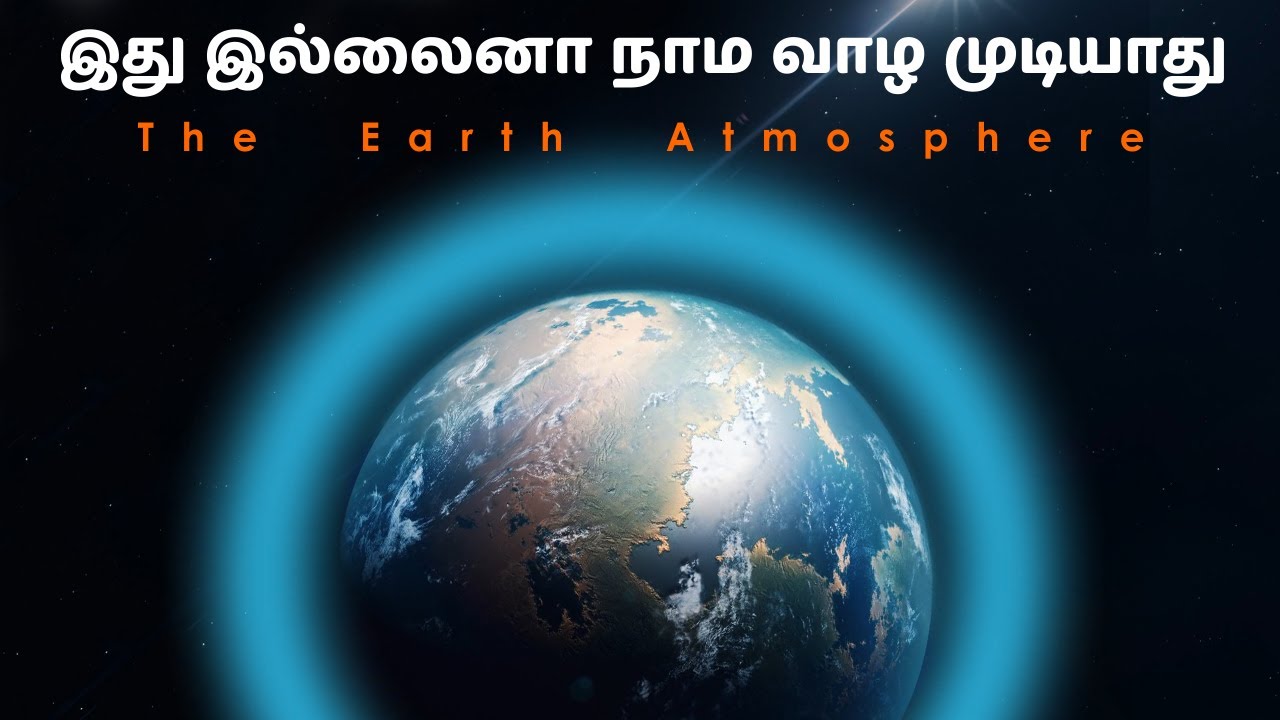
We have showed types of earth atmosphere and ozone layer benifits in this video, i hope you love it, kindly support us if you like this video thanks .
Regards,
Vaan veli.
#பூமியின்வளிமண்டலம் #earth #earthatmosphere #earthatmospherelayers #ozone #ozonelayer #science #weather #atmosphere #planets #oxygen #layersoftheearth #layersofatmosphere #layersoftheatmosphere #thermosphere #layersofatmospehere #differentlayersofatmosphere #atmosphereexplained #whatisatmosphere #stratosphere #mesosphere #exosphere #troposphere #வளிமண்டலம் #vaanveli #tamil #whatif #gk #solarsystem #ozonelayerhole #whatisozonelayer #ozonelayerintamil #top10
Subscribe செய்யாமல் வீடியோ பார்ப்பவர்கள் : Not subscribed 96.6%
Subscribe செய்து வீடியோ பார்ப்பவர்கள் : Subscribed 3.4%
நீங்கள் எங்களுக்கு கொடுக்கும் ஆதரவினால் மட்டுமே நாங்கள் உங்களுக்கு தொடர்ந்து இன்னும் சிறந்த விடீயோக்களை உற்சாகத்துடன் பதிவிடமுடியும் நன்றி 🙏
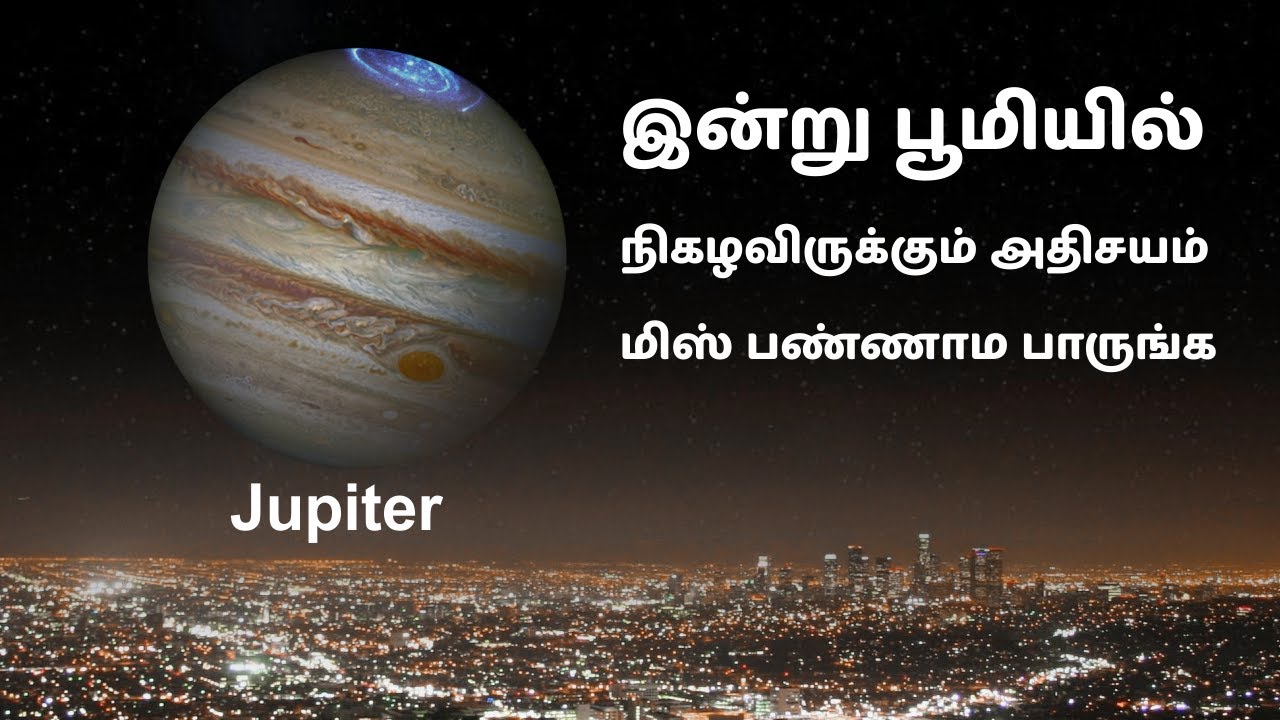
The Solar System’s largest planet Jupiter will hang in the skies later this month as it comes closest to Earth in nearly 70 years.
Jupiter will be closer to Earth than usual on September 26.
According to NASA, this will be the nearest the largest planet in the solar system has been to Earth in nearly six decades.
Scientists say Jupiter will appear bigger and brighter because it will “only” be 367 million miles away. That’s almost half the distance the planet is from the Earth at its farthest.
Experts say the best place to get a view of Jupiter on Monday will be a highly elevated spot in a dark and dry area.
Regards,
Vaanveli.
#jupiter #nasa #solarsystem #earth #whatif #planets #moon #thesun #jupitertomorrow #howclosejupitercomestoearth #todayjupiter #jupitertonightinthesky #jupitertoday #jupitertodaylive #jupitertamil #vyalan #vyalantamil #tamil #veenveli #earthtojupiterdistance #videoofjupiter #photosofjupiter #jupitervideo #gk #live #jupiternews #jupiterandearth #earthandjupiter #distance #howtoseejupiterfromearth #howclosejupiter #wheretoseejupiter #science #earth #news #tamilnews

18+🎶 Thoothukudi Kothanar Original 🎶 18+ #thoothukudikothanar #thoothukudikothanarsong
#songs
⚠THIS IS FULLY COPYRIGHTED TO THE ARTIST INSTAMUDHALVAN.⚠
Presenting our latest album song "அஞ்சறை " – a unique musical creation! The music was composed and generated using SunoMusic.ai
🔥 Don't forget to subscribe! 🔥
👉 Subscribe to our channel - Insta Mudhalvan
👉 Follow us on Instagram for more updates!
📢 Stay tuned for more amazing music and content. Like, share, and drop your thoughts in the comments! 💬🎧
Follow Us
https://www.instagram.com/insta_mudhalvan/
#albumsong #instamudhalvan #sunomusic #tamilmusic #subscribenow
#thoothukudikothanar #thoothukudisong #tamilfolksong #kothanarsong #supervibestamil #tamilmusic #tamilfolk #tamiloriginalsong #ThoothukudiCulture
#viraltamilsong #trendingtamil #aigeneratedmusic #tamilpattukaran #thoothukudibeats #tamilmelody #folkfusion #TamilVibes
#thoothukudi #thoothukudimakkal #southtamilnadu #thoothukudispecial #Tuticorin
#tamilbeats #folkmusic #sunoai #aigeneratedsong #tamilmusicproducer #independentartist #tamilrap #tamilfolkfusion

Moondram Manithan | Exclusive Tamil Movie | Video Jukebox | Bhagyaraj, Sonia Agarwal, Srinath
©Realmusic✅
[email protected]
►Subscribe to our Youtube Channel:
https://www.youtube.com/channe....l/UC2EchaZ9ZOdlY6_qQ
Moondram Manithan is an 2023 Indian Tamil-language film written and directed by Ramdev in his directorial debut. The film stars Bhagyaraj, Sonia Agarwal, Srinath and KSoodhu kavvum Sivakumar in lead roles.
Synopsis:
Hospital worker Sonia Aggarwal's husband is assassinated. Police Inspector Bhagyaraj, who investigates the assassination, discovers many shocking facts. What is it?
Movie Credits:
Directed by Ramdev
Written by Ramdev
Produced by Ramdev
Starring: Bhagyaraj, Sonia Agarwal, Srinath
Cinematography: Manivannan
Editor: Durgash
Music: Venusankar, Devji & Amprish . P ( Background Score )
Production Company: Ramdev Pictures
1: Song : Yedhedho Yen Yeno..ஏதேதோ ஏன் ஏனோ
Singer : Madhushree
Lyrics : Ramdev
Music : Venusankar & Devji
2 : Song : Aambalayum Pombalayum..ஆம்பளையும் பொம்பளையும்..
Singer : Madhubala Krishnan, Sowmya Josh
Lyrics : Ramdev
Music : Venusankar
3 : Song : Arali Poo Vaasam..அரளிபூ வாசம்..
Singer : Devji
Lyrics : Ramdev
Music : Venusankar
#evergreen,#popular,#videosongs,#tamil,#1080p,#songs,#video songs,#1080p hdvideosongs,#tamilmostlovedvideosongs,#videosong,#sivajihdvideosongs1080pbluray,#1080phdvideo,#hd videosongs,#tamilkadhalsongs,#besttamilsongs,#besttamillovesongs,#tamilmoviesongs,#tamilmovies,#latesttamilsongs,#tamilvideosongs,#oldtamilsongs,#tamiloldmoviesongs,#tamilmovievideosongs,#tamilmoviescenes,#tamiloldsongs,#spb,#ilayarajasongs,#ilayarajahits,#ilaiyaraaja,#ilayarajahitsongs,#ilayarajaspbhitssongs,#videosongs
2024 தமிழ் சினிமாவில் வெளியில் விளம்பரம் தெரியாத மனதில் நிற்கின்ற பாடல் உங்களுக்காக
https://www.youtube.com/watch?v=DzDeiGiC2TQ
https://www.youtube.com/watch?v=t2FG-9alCa0
https://www.youtube.com/watch?v=kGOcUalp1bU
https://www.youtube.com/watch?v=fI5buW-ryAY
https://www.youtube.com/watch?v=RRrpi7Z2nSY
https://www.youtube.com/watch?v=E0TCrtuv2Yw
https://www.youtube.com/watch?v=0b4ikgw8w-k
https://www.youtube.com/watch?v=Ou7PeDCUZdw
https://www.youtube.com/watch?v=PLw32WpcQzk
https://www.youtube.com/watch?v=VvMJPJXLTjY
https://www.youtube.com/watch?v=tQ2mk_YcBm4
https://www.youtube.com/watch?v=yLEmEVQeLg8
https://www.youtube.com/watch?v=Gvf8XpPkALY
https://www.youtube.com/watch?v=gs2BlxxN9dk
https://www.youtube.com/watch?v=mJ4nCOxVTDU
_________________________________________________
Real cinemas Whatsapp Channel : https://whatsapp.com/channel/0....029Va58jZsHltYBCXld3
Real entertainment Whatsapp Channel : https://whatsapp.com/channel/0....029Va9FSe25PO14lsXyC
Instagram : https://www.instagram.com/realcinemas2007/
Telegram : https://t.me/realmusic2007
Twitter : https://twitter.com/realcinemas2007
Facebook : https://www.facebook.com/realmusicindia/
sharechat : https://sharechat.com/profile/....realcinemas2007?refe
Audio Label - Real Music
© Copy Right https://www.youtube.com/@RealMusic_/videos
அன்பிற்கும் & ரசனைக்கும் வியக்க வைக்கும் ரசிக உள்ளங்களுக்கு REALMUSIC சார்பாக நெஞ்சார்ந்த நன்றி.எங்களது REALMUSIC சேனலில் EXCLUSIVE ஆக படங்களின் பாடல்கள்,டிரெய்லர் வெளியிட்டு வருகிறோம். உடனுக்குடன் நாங்கள் வெளியிடும் வீடியோக்கள் காண எங்களது REALMUSIC -சேனலில் SUBSCRIBE செய்யவும்.எங்களது வீடியோ பிடித்திருந்தால் LIKE செய்து மேலும் உங்கள் நண்பர்களுக்கு எங்களது வீடியோவை SHARE செய்து ஆதரவு தாருங்கள்.மேலும் உங்கள் மனதின் எண்ண ஓட்டத்தையும்,கருத்துக்களையும் Comment ஆக பதிவு செய்யவும்.
https://www.youtube.com/@RealMusic_/videos
_________________________________________________
If u Watch More Videos Follow Real Movies Facebook Page
Link Down HERE
https://www.facebook.com/realmusicindia/
Subscribe to ©Realmusic✅ Tamil for Latest and Superhit Tamil movies of Rajinikanth, Kamalhassan, Vijayakanth, Vijay, Ajith, Surya, Sarathkumar, Dhanush, Vijay Sethupathi, Nayanthara, Trisha, Kushboo and Many More.
►Subscribe to our Youtube Channel:
LIKE | COMMENT | SHARE | SUBSCRIBE
©Realmusic✅
அனைவருக்கும் நன்றி...

#vaanveli #moonfacts #chandrayaan3
Hi,
இது தெரிஞ்சா நிலவுக்கு போகணும்னு நினைக்கமாட்டீங்க
15 Seconds Challenge on moon:
Because there is no oxygen, you would go unconscious in 15 seconds. Because there is little or no air pressure, your blood and bodily fluids would boil and then freeze.
1. The Moon is the sole natural satellite of Earth.
2. It is roughly one-sixth the size of Earth.
3. On average, the Moon is 238,855 miles (384,400 km) distant from Earth.
4. Because the Moon's gravity is about one-sixth that of Earth's, you would weigh less on the Moon.
5. The Moon possesses an exosphere, which is an extremely thin and tenuous atmosphere that contains trace amounts of helium, neon, and other elements.
6. The Moon orbits Earth in a roughly round orbit.
7. It takes the Moon approximately 27.3 Earth days to orbit our planet.
8. Because the Moon rotates once on its axis in around 27.3 days, we always view the same face from Earth, a phenomenon known as synchronous rotation.
9. The side of the Moon facing away from Earth is referred to as the "far side" or "dark side," despite the fact that it is not literally dark; it is simply obscured from our perspective.
10. The Moon's surface is covered in impact craters caused by billions of meteoroid collisions over billions of years.
The South Pole-Aitken Basin, which is about 1,550 miles (2,500 km) wide, is the Moon's largest crater.
12. Although there is no liquid water on the Moon's surface, there is evidence of water ice in permanently shadowed craters near the pole.
Temperature Extremes: The Moon experiences extreme temperature variations due to its lack of atmosphere. During its daytime, temperatures can reach over 100°C (212°F), while during its nighttime, temperatures can drop below -170°C (-274°F).
Moonquakes: The Moon experiences seismic activity, known as moonquakes. These can be caused by the gravitational interactions with Earth, the cooling and contraction of the Moon's interior, and the residual energy from ancient impacts.
Human Visits: The first human landing on the Moon was by NASA's Apollo 11 mission in 1969, when astronauts Neil Armstrong and Edwin "Buzz" Aldrin became the first humans to walk on the lunar surface.
Future Exploration: There are plans for future lunar exploration, including establishing a sustainable human presence on the Moon as a stepping stone for further space exploration, such as missions to Mars.
These are just a few intriguing facts about our Moon. It continues to be a subject of scientific research and inspiration for humanity's exploration of space.
Lunar Phases Influence Tides: The Moon's gravitational pull causes tides on Earth. When the Moon is at its closest point to Earth (perigee), tides can be especially high, known as spring tides. When the Moon is at its farthest point from Earth (apogee), tides are less extreme, known as neap tides.
Regards,
Vaan Veli
Santhosh
#vaan_veli #vaanveli #universe #solarsystem #earth #tamil #chandrayaan3update #moonfacts #moonfactsintamil #moon #moonhouse #homeonmoon #moondistance #earthvsmoon #nilavu #chandrayaan3 #chandrayaan3live #chandrayaan3tamil #livingonmoon #moonfactstamil #நிலவு #moonhistory #interestingfactsaboutmoon #luna #1lunarday #indianonmoon #chandrayaan3liveupdate #chandrayaan3todayupdate #chandrayaan3status #moonsouthpole #chandrayaan3
Follows on Facebook : https://www.facebook.com/vaanveli1
Follows on Instagram : https://www.instagram.com/vaan_veli

#vaanveli #moonfacts #chandrayaan3
Hi,
நிலவுக்கு குடி போகணும்னு ஆச படறீங்களா ? அப்போ நீங்க மட்டும் இத பாருங்க
what if we build a house in moon?
Buildings on the moon do not need to be as robust because gravity pull is around 6 times less. A ceiling/floor would require 6 times the mass to break than the comparable ceiling/floor on Earth.
Some moon Facts :
Natural Satellite: The Moon is Earth's only natural satellite and is about 1/6th the size of Earth.
Formation: The prevailing theory is that the Moon formed around 4.5 billion years ago when a Mars-sized object collided with a young Earth, and the debris from this collision eventually coalesced to form the Moon.
Phases: The Moon goes through different phases due to its position relative to the Sun and Earth. These phases include new moon, waxing crescent, first quarter, waxing gibbous, full moon, waning gibbous, third quarter, and waning crescent.
Synchronous Rotation: The Moon is in synchronous rotation with Earth, meaning it always shows the same face towards our planet. This side is often referred to as the "near side," while the other side is called the "far side" or "dark side."
Surface Features: The Moon's surface is covered in impact craters, large basins (such as the Imbrium, Serenitatis, and Crisium basins), mountains, valleys, and "seas" or dark, flat areas formed by ancient volcanic activity.
Gravity: The Moon's gravity is about 1/6th of Earth's gravity, which is why astronauts on the Moon can jump higher and objects are much lighter there.
Lunar Maria: The "seas" on the Moon are actually solidified basaltic lava flows from ancient volcanic activity. They were named "maria," which is Latin for "seas," by early astronomers who mistakenly thought they were bodies of water.
Lunar Phases Influence Tides: The Moon's gravitational pull causes tides on Earth. When the Moon is at its closest point to Earth (perigee), tides can be especially high, known as spring tides. When the Moon is at its farthest point from Earth (apogee), tides are less extreme, known as neap tides.
Temperature Extremes: The Moon experiences extreme temperature variations due to its lack of atmosphere. During its daytime, temperatures can reach over 100°C (212°F), while during its nighttime, temperatures can drop below -170°C (-274°F).
Moonquakes: The Moon experiences seismic activity, known as moonquakes. These can be caused by the gravitational interactions with Earth, the cooling and contraction of the Moon's interior, and the residual energy from ancient impacts.
Human Visits: The first human landing on the Moon was by NASA's Apollo 11 mission in 1969, when astronauts Neil Armstrong and Edwin "Buzz" Aldrin became the first humans to walk on the lunar surface.
Future Exploration: There are plans for future lunar exploration, including establishing a sustainable human presence on the Moon as a stepping stone for further space exploration, such as missions to Mars.
These are just a few intriguing facts about our Moon. It continues to be a subject of scientific research and inspiration for humanity's exploration of space.
Regards,
Vaan Veli
Santhosh
Follows on Facebook : https://www.facebook.com/vaanveli1
Follows on Instagram : https://www.instagram.com/vaan_veli
#vaan_veli #vaanveli #universe #solarsystem #earth #tamil #chandrayaan3update #moonfacts #moonfactsintamil #moon #moonhouse #homeonmoon #moondistance #earthvsmoon #nilavu #chandrayaan3 #chandrayaan3live #chandrayaan3tamil #livingonmoon #நிலவுக்குகுடிபோகணும்னுஆசபடறீங்களா #நிலவு #moonhistory #interestingfactsaboutmoon #luna #1lunarday #indianonmoon #chandrayaan3liveupdate #chandrayaan3todayupdate #chandrayaan3status #moonsouthpole #chandrayaan3
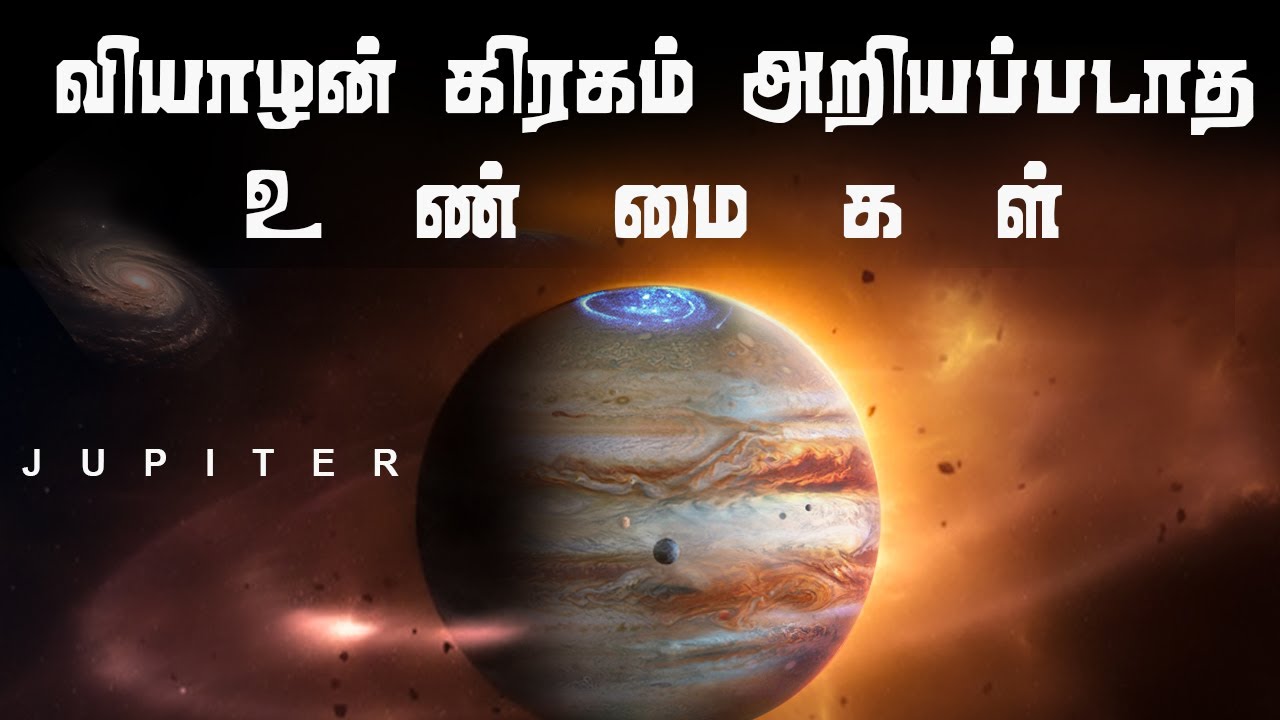
In this video we’re going to see about one of the largest planets in the solar system, The Jupiter (King of the Planet).
Jupiter
Jupiter is fifth planet from the Sun and the largest in the Solar System, the most seasoned and most monstrous world in the nearby solar system. Find out about the planet's history, its Extraordinary Red Spot and maritime moons, and what this antiquated world meant for the development of the solar system's different planets.
The Jupiter ring is divided into three parts. The deepest part is called hello. The middle of the ring is the brightest part. The outermost part of a ring is called a gossamer ring. This ring extends up to 225,000 kilometers from the planet and is 2,000-12.500 kilometers thick.
King of Solar System
The King of the planet, Jupiter, a colossal world that scientists believe can help us better understand the origin of the solar system.
Nine automated rocket have visited the gas planet up until this point, two of which entered into outer space (orbit), permitting us to concentrate on its perplexing, emotional environment more than ever.
The mystery of Jupiter
Yet, Jupiter, actually holds numerous secrets, for example, what lies underneath its strange mists and to jump considerably more profound, what is at its center? Go on an outing within the nearby planet groups biggest planet and figure out researchers' thought process is happening down there, it's very bizarre.
Jupiter is the largest planet in our solar system and one of the most interesting. In this video, we'll explore what Jupiter is, what the Jupiter Red Spot is, and how to learn more about it.
Jupiter is a big planet and you can learn a lot about it by reading articles and watching videos. In this video, we'll provide a basic overview of Jupiter and its many strange and interesting features. Be sure to check out the Jupiter Red Spot for yourself and see for yourself just how amazing this planet is!
Regadrs,
Vaan Veli.
#jupiter #jupiterascending #jupitermoon #lifeonjupiter #nasa #viyalankiragam #jupiterintamil #jupiterfactsintamil #aboutjupiter #jupiterfacts #solarsystem #planetjupiter #biggestplanet #space #cosmology #jupitertamil #whatif #tamil #planets #spacescience #jupiterplanet #planetjupiter #intamil #jupiterplanetexplained #explainjupiter #jupitermass #earthvsjupiter #jupiterstar #iomoon #howmanymoonsinjupiter #europa #ganymede ede #callisto #vaanveli #gk

1945ல் ஜப்பானில் 9 முதல் 12 அணுகுண்டுகள் போட திட்டமிடப்பட்டது ஆனால் ஜப்பான் தோல்வியை ஏற்றுக்கொண்டதால் அமெரிக்கா தன்னுடைய மீதமுள்ள அனுகுண்டுகள் அனைத்தையும் போரில் பயன்படுத்தாமல் விட்டுவிட்டனர் . அதுவே ஜப்பான் போரை தொடர்ந்து இருந்தால் இன்று ஜப்பான் இருந்திருக்காது இதுதான் உண்மை . ஜப்பானில் உபயோகப்படுத்திய இரண்டு அணுகுண்டுகள் எப்படி செயல்பட்டன என்பதை விரிவாக விடியோவாக காட்டியுள்ளோம், பார்த்து தெரிந்துகொள்ளுங்கள் , உங்கள் ஆதரவிற்கு நன்றி .
The Hiroshima and Nagasaki nuclear explosions marked a pivotal moment in history and are the only instances of nuclear weapons used in war. On August 6, 1945, the United States dropped the "Little Boy" atomic bomb on Hiroshima. This bomb utilized uranium-235 in a fission reaction, releasing an immense amount of energy equivalent to about 15,000 tons of TNT. The explosion obliterated nearly everything within a one-mile radius, causing widespread destruction and a significant loss of life. Thousands more perished over time due to radiation exposure and related illnesses.
Three days later, on August 9, the "Fat Man" bomb was dropped on Nagasaki. Unlike "Little Boy," "Fat Man" used plutonium-239, which made it a more complex and powerful bomb, yielding approximately 21,000 tons of TNT. The mountainous terrain in Nagasaki limited the blast’s radius somewhat, but the destruction was still catastrophic. In total, the bombings of Hiroshima and Nagasaki led to over 200,000 deaths, many from the immediate blast and others from the aftereffects of radiation.
These attacks brought World War II to a rapid conclusion, as Japan surrendered on August 15, 1945. However, they also highlighted the destructive potential of nuclear weapons and ushered in an era of intense nuclear arms development and ongoing debates over nuclear ethics and disarmament.
HOW THE FAT MAN WORKS ? and Nuclear Bomb ON Nagasaki | WORLD'S BIGGEST NUCLEAR BOMB IN HISTORY learn in 3D Animation
தமிழ் வாழ்க
வான்வெளி .
Little Boy nuclear bomb in tamil
Fat Man nuclear bomb in tamil
Hiroshima Nagasaki nuclear explosion in tamil
Hiroshima bombing history
Nagasaki atomic bomb in tamil
Little Boy vs Fat Man
How Little Boy bomb works
Hiroshima nuclear explosion in tamil
Fat Man bomb mechanism
Little Boy bomb impact on Japan
Atomic bomb Hiroshima Nagasaki
Little Boy and Fat Man explained in tamil
Hiroshima Nagasaki bomb impact
Little Boy bomb detonation in tamil
Fat Man nuclear technology in tamil
Hiroshima atomic bomb documentary
Effects of Hiroshima bomb in tamil
Nagasaki bombing aftereffects
Why Little Boy was used
Japan nuclear bombing WWII in tamil
Hiroshima Nagasaki survivor stories
Little Boy bomb physics
Fat Man nuclear explosion effects in tamil
Atomic bombing of Japan history
Hiroshima Nagasaki destruction in tamil
Hiroshima Nagasaki bomb timeline in tamil
Little Boy and Fat Man differences in tamil
Nuclear weapons WWII Japan in tamil
Hiroshima Nagasaki war history
Impact of atomic bombs on Japan in tamil
How Little Boy & Fatman works?
How Little Boy works ?
How Fatman works?
#japan #nuclear #nuclearreactions #nuclearand #nuclearbombtests #nuclearfusion #nuclearfission #hiroshimanuclear #nuclearattack #japanattack #littleboy #fatman #littleboyandfatman #worldwar2 #worldwarii #japanusawar #nuclearradiation #nuclearblast #worldfirstnuclearbomb #openheimer #neutron #electronic #uranium #uranium235 #uraniumring #alpharays #betarays #gammarays #plutonium #polonium210 #beryllium #worldwar3 #japanworldwar #nuclearwar #nuclearhistory #nuke #war #nucleartamil #vaanveli #anugundu #nuclearattacktamil #nuclearweapons #hiroshima #atomicbomb #atombomb #nuclearbomb #ukraine #biden #elonmusk #10x #spacex #worldwar #wordwarz #tzar #tsarbomba #blackhole
#nagasaki #hiroshimaday #japan #usa #army #tamil #littleboy #fatman

Hi All,
The Chicxulub asteroid is a term commonly used to refer to the massive asteroid or comet impact that occurred approximately 66 million years ago. This impact is believed to be the primary cause of the Cretaceous-Paleogene (K-Pg) extinction event, which resulted in the extinction of about 75% of plant and animal species on Earth, including the dinosaurs.
The impact site is located near the town of Chicxulub in Mexico's Yucatan Peninsula. The asteroid or comet that struck Earth was estimated to be about 6 miles (10 kilometers) in diameter. The impact released an enormous amount of energy, equivalent to billions of atomic bombs, causing widespread devastation.
The impact triggered a chain of catastrophic events, including massive earthquakes, tsunamis, and wildfires. It also released an enormous amount of dust, soot, and vaporized rock into the atmosphere, blocking sunlight and causing a global cooling effect. The reduced sunlight led to a significant decrease in photosynthesis, disrupting the food chain and causing the extinction of many plant and animal species.
The Chicxulub impact left a distinct crater, which was discovered in the early 1990s through geological surveys and subsequent drilling. The crater measures approximately 93 miles (150 kilometers) in diameter and is buried beneath layers of sediment.
The study of the Chicxulub impact has provided valuable insights into the dynamics of large asteroid or comet impacts and their potential effects on Earth's ecosystems. It has also contributed to our understanding of the history of life on Earth and the mechanisms of mass extinctions.
The Chicxulub impactor, also known as the Chicxulub asteroid or the K-Pg asteroid, refers to a massive asteroid or comet that is believed to have struck the Earth approximately 66 million years ago. The impact of this asteroid is considered to be a significant event in Earth's history as it is widely associated with the mass extinction event that led to the demise of the dinosaurs and many other species.
Here are some key details about the Chicxulub impactor:
Size and Impact: The Chicxulub impactor is estimated to have been about 6 to 9 miles (10 to 15 kilometers) in diameter. When it struck the Earth, it unleashed an immense amount of energy, equivalent to billions of nuclear bombs.
Location: The impact site is located near the town of Chicxulub in the Yucatan Peninsula of modern-day Mexico. The region is known for a prominent crater, known as the Chicxulub crater, which was discovered in the early 1990s.
Extinction Event: The impact of the Chicxulub asteroid is widely believed to have caused or significantly contributed to the Cretaceous-Paleogene (K-Pg) mass extinction event. This event led to the extinction of approximately 75% of all species on Earth, including non-avian dinosaurs.
Environmental Effects: The impact generated a massive amount of heat, causing widespread wildfires and releasing enormous quantities of dust, ash, and gases into the atmosphere. This resulted in a global climate change event, with a significant drop in temperature and a reduction in sunlight reaching the Earth's surface. These changes severely disrupted ecosystems and led to the extinction of many plant and animal species.
Crater Formation: The impact created a crater that is approximately 93 miles (150 kilometers) in diameter and 12 miles (20 kilometers) in depth. Over time, geological processes and erosion have modified the original structure, but the remnants of the crater are still visible.
Discovery and Confirmation: The presence of a large impact crater in the Yucatan Peninsula was first proposed in the late 1970s. In the early 1990s, scientific drilling in the region provided evidence supporting the hypothesis that the Chicxulub impactor was responsible for the K-Pg mass extinction event.
Regards,
VaanVeli
#asteroid #chicxulubcrater #earth #chicxulub #chicxulubasteroid #chicxulubintamil #chicxulubasteroidintamil #vaanveli #tamil #whatif #asteroidcomparison #asteroidsize #asteroidintamil #craterintamil #dinosaur #dinosaurs #shorts #dinosaurus #dinosaurvideos #dinosaurvideojurassic #dinosaurextinction #chicxulubimpact #impact #thechicxulubimpactor #science #extinction #asteroidimpact #dinosaursintamil #chicxulubimpactsimulation #asteroidhitearth #solarsystem #asteroidbelt #gk #animals #dino

Hi Everyone,
In this video, we'll explore the life cycle of a neutron star. We'll learn about the power of a neutron star and how it can help us explore the universe!
neutron star life cycle and the power of neutron star
We'll explore the neutron star life cycle and see how the power of a neutron star can influence the evolution of planets and even human beings!
In this video, we'll explore the life cycle of a neutron star. We'll learn about the power of a neutron star and how it can help us explore the universe! We'll see how a neutron star's magnetic field can generate the most powerful bursts of energy in the universe, neutron stars are the smallest and most dense stars in the universe, and they're incredibly strange and mysterious. In this video, we'll explore their life cycle and the power they hold, including their ability to exploded and cause devastating phenomena like supernovae and how this energy can be used to study the origins and evolution of the universe.
we'll explore the life cycle of a neutron star and the incredible power they hold.
Neutron Star Life Cycle | What is Neutron Star? | நியூட்ரான் நட்சத்திரம்
#neutronstar #astronomy #neutronstars #neutronstarintamil #space #neutronstarcollision #nasa #whatif #science #sun #explosion #fusion #universe #blackhole #star #supernova #hydrogen #helium #pulsars #whitedwarf #neutrontamil #redgiantstar #starlifecycyle #neutronstarlifecycle #whatneutronstarmade #howneutronstarbecome #starlifecycleintamil #gk #vaanveli #neutronstartypes #neutronstarweight #neutronstartemperature #tamil #நியூட்ரான்நட்சத்திரம் #starfacts
![விண்வெளியில் சடலங்கள் [ Truth Behind Animals Sent To Space ]](https://i.ytimg.com/vi/pTw015OmDs0/maxresdefault.jpg)
Truth Behind Animals Sent To Space,
Laika was a normal street dog in Russian country, The aim was to find out how long a dog can survive in space. On 3 November 1957 russians launched Laika into space inside a spacecraft named Sputnik-2. It was a one way ticket for laika because there was no way to bring her back to Earth. Space has no boundaries. You must admit that there is something incredibly attractive and mysterious in this dark surrounding our earth, Some of these interesting facts are amazing yet terrifying at the same time. i am really feld bad about the innocent animals that really what happend to them in the history.
Regards,
VaanVeli
#mystery #blackhole #minutesmystery #spacemysteries #spacemysteryintamil #spacemysteriousfacts #spacesnakeintamil #spacedeadbodies #spacedeadbody #விண்வெளியில்சடலங்கள் #spacesnake #nasa #ufo361 #space #aliens #alien #tamil #vaanveli #alientamil #spacenewstamil #spacefactsintamil #spacefacts #animalsinspace #laikaspacedog #doginspace #scaryspacephoto #alienship #moon #moontravel #neilarmstrong #truthbehindanimalssenttospace #gk #whatif #earth #laika #dog #dogs #snake #snakes #snakevideo #space #earth #moon #tamil #milkyway #sciencetamil #astronaut #spaceship #spacex #spacedog #spacesnake #top10 #spacenews #newstamil #tamilnews

Hi,
1000 வருடங்கள் கழித்து நம் பூமி எப்படி இருக்கும் ?
Technological Advancements: The pace of technological progress is likely to continue, with advancements in fields such as artificial intelligence, biotechnology, space exploration, and renewable energy. This could lead to significant improvements in various aspects of human life, including healthcare, communication, and energy production.
Climate Change and Environmental Impact: Addressing climate change will likely be a major challenge. Efforts to transition to renewable energy sources, sustainable practices, and increased conservation may be crucial to mitigate the effects of climate change. The state of the environment will depend heavily on global cooperation and the success of these efforts.
Population and Demographics: The global population is expected to continue growing, but at a slower rate. Demographic shifts, such as aging populations in many developed countries, may have profound social and economic implications.
Space Exploration: Human exploration of space may become more advanced, with potential colonies on the Moon or Mars. Advancements in propulsion systems and space technologies could enable more ambitious missions to explore other planets and celestial bodies.
Biotechnology and Medicine: Advances in biotechnology could lead to breakthroughs in medical treatments, disease prevention, and possibly even increased human longevity. The ethical implications of these technologies would need careful consideration.
Cultural and Societal Changes: Cultural shifts are challenging to predict, but factors such as globalization, increased connectivity, and changes in political and economic systems could influence societies around the world. The role of technology in shaping culture and communication will likely continue to evolve.
Political Landscape: The geopolitical landscape is highly uncertain. The balance of power among nations may shift, and new political structures or alliances could emerge. International cooperation on global issues will be crucial for addressing challenges such as climate change and resource management.
Energy Sources: There may be a continued shift toward renewable energy sources, such as solar, wind, and nuclear power. Advances in energy storage technology could play a critical role in making renewable energy more practical and widespread.
Regards,
Vaan Veli
Santhosh
Follows on Facebook : https://www.facebook.com/vaanveli1
Follows on Instagram : https://www.instagram.com/vaan_veli
#vaanveli #vaan_veli #universe #solarsystem #earth #tamil #1000yearslaterourearth #theearthin1000years #theworldin1000yearsfromnow #earthevolution #earthpollution #waterpollution #airpollution #deforestation #tree #trees #savetrees #plant #oxygen #treesintamil #moon #mars #moonhome #marshome #space #alien #treeplantation #treesforhome #whattreeplanttohome #saveanimals #1000yearslater #earthfootages #gk

Hi, பூமியில் நீர் எப்படி உருவானது தெரியுமா ?
Saltwater: Approximately 97.5% of the world's water is in the form of saltwater, found in oceans and seas.
Freshwater: The remaining 2.5% of the world's water is freshwater, which is found in various forms, including:
a. Surface Water: This includes water in lakes, rivers, and other surface water bodies. These sources make up only a small fraction of the total freshwater on Earth.
b. Groundwater: Most of the world's freshwater is stored underground in aquifers. Groundwater is a crucial source of drinking water and is also used for irrigation and industrial purposes.
c. Ice: A significant portion of freshwater is stored in the form of ice in glaciers and polar ice caps.
d. Atmosphere: Water vapor in the atmosphere is also considered part of the Earth's freshwater resources, although it is relatively small in comparison to other forms.
Regards,
Vaan Veli
Santhosh
Follows on Facebook : https://www.facebook.com/vaanveli1
Follows on Instagram : https://www.instagram.com/vaan_veli
#vaanveli #vaan_veli #universe #solarsystem #earth #tamil #water #wateronearth #wateronearthintamil #howmuchwaterinourearth #freshwater #saltwater #howmuchsaltwaterinourearth #howwaterarecreated #howwatercameonearth #howwatercametoearth #waterintamil #71%ofwater #howmanypercentageofwaterintheearth #howmanyprecentageoflandinourearth #landvswatercomparison #earthhistory #waterhistory #starborn #howplanetsareformed #intamil
இந்திய முத்திரையை பாதிக்கப்போகும் சந்திரயான் 3
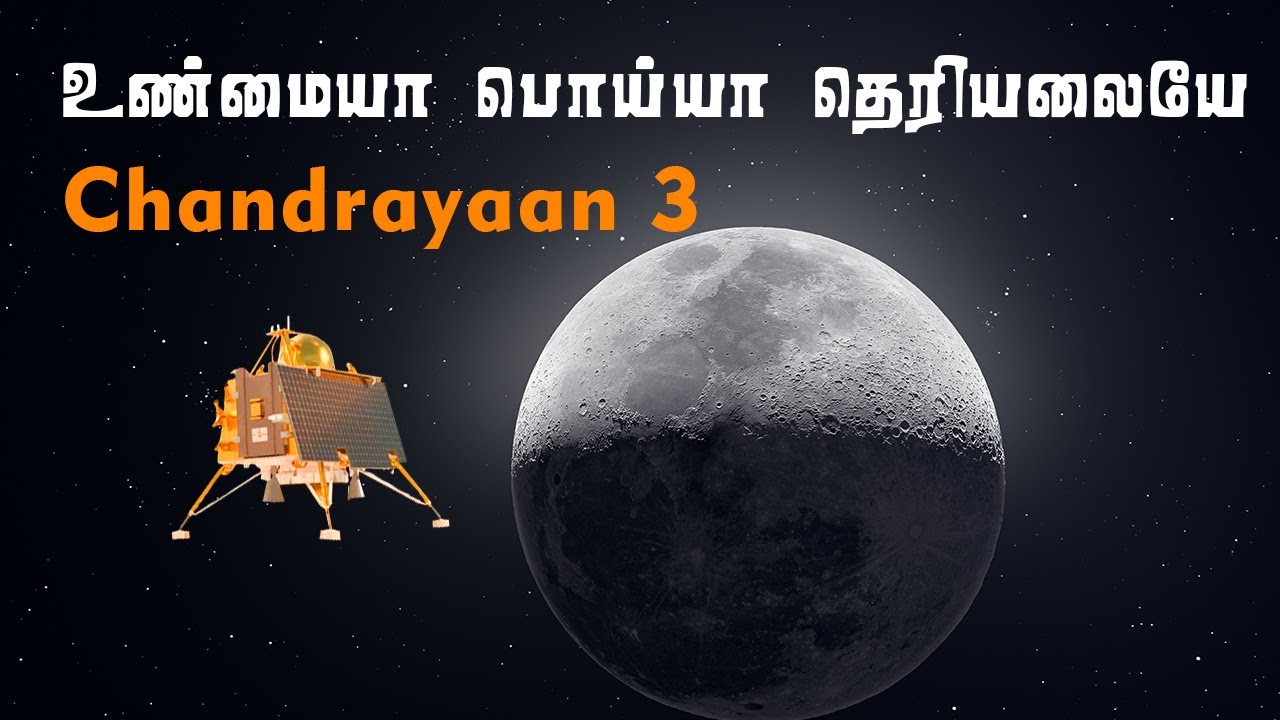
The Vikram lander module of Chandrayaan-3 successfully conducted a deboosting manoeuvre on Friday in the critical Moon mission, which launched from Earth on July 14 and is now preparing for its much-anticipated soft landing attempt, tentatively slated for August 23.
After a 40-day trip, Chandrayaan-3 is slated to touchdown on the lunar surface around August 23. (AP)
After a 40-day trip, Chandrayaan-3 is slated to touchdown on the lunar surface around August 23. (AP)
The second deboosting operation will take place on August 20, gradually lowering the module up to 100 kilometres in lunar orbit, from which a soft landing will be attempted. This operation, if successful, will open the way for the Vikram Lander and Pragyan rover to begin their mission, which is planned to last one lunar day (14 Earth days). During this time, they will be gathering various scientific data.
Meanwhile, the propulsion module that carried both the lander and the rover will remain in orbit around the Moon, serving as a communication relay.
Chandrayaan-3 is India's attempt at a soft landing on the lunar surface, nearly four years after the Chandrayaan-2 mission encountered difficulties and fell short of its intended goal in September 2019.
#isrochandrayaan3mission #chandrayaan3news #chandrayaan3launch #chandrayaan3 #chandrayaan3update #chandrayaan3mission #isrochandrayaan3 #chandrayaan3latestnews #chandrayaan3moonmission #isromoonmissionchandrayaan3 #chandrayaan3isro #chandrayaan3live #chandrayaan3launchdate #chandrayaan3vsluna25 #isro #chandrayaan3intamil #luna25 #chandrayaan3livetracking #chandrayaan #chandrayaan3animation #chandrayaan3status #vaanveli #tamil

HI,
Composition: The Sun is primarily composed of hydrogen (about 74%) and helium (about 24%), with trace amounts of other elements.
Size: The Sun is an average-sized star, about 1.4 million kilometers (870,000 miles) in diameter. It's so large that about 1.3 million Earths could fit inside it.
Energy Source: The Sun generates energy through a process called nuclear fusion, where hydrogen atoms fuse to form helium. This process releases a tremendous amount of energy in the form of light and heat.
Temperature: The core of the Sun is incredibly hot, with temperatures reaching around 15 million degrees Celsius (27 million degrees Fahrenheit). The surface temperature, known as the photosphere, is cooler at about 5,500 degrees Celsius (9,932 degrees Fahrenheit).
Energy Output: The Sun emits an estimated 3.8 x 10^26 watts of energy, which is equivalent to the energy produced by about 100 billion nuclear bombs exploding every second.
Light Speed: It takes about 8 minutes and 20 seconds for sunlight to travel from the Sun's surface to Earth.
Life Cycle: The Sun is currently in the middle of its main sequence phase, where it has been shining for about 4.6 billion years. It's expected to continue this phase for another 5 billion years or so.
Solar Flares: The Sun occasionally experiences solar flares, which are intense bursts of radiation and energy. These flares can cause disruptions to communication systems and power grids on Earth.
Sunspots: Sunspots are cooler, darker areas on the Sun's surface caused by magnetic activity. They often occur in cycles, with the number of sunspots waxing and waning over an 11-year period.
Solar Wind: The Sun emits a stream of charged particles called solar wind, which constantly flows outward in all directions. This solar wind interacts with Earth's magnetosphere and can create phenomena like the auroras (northern and southern lights).
Gravity: The Sun's enormous mass creates a strong gravitational pull that keeps all the planets in our solar system, including Earth, in orbit around it.
Eclipses: Solar eclipses occur when the Moon passes between the Earth and the Sun, blocking out some or all of the Sun's light. Total solar eclipses, where the Sun is completely obscured, are rare and awe-inspiring events.
Regards,
VaanVeli
#sun #sunfacts #facts #sunfact #sunfactstamil #sunfactsintamil #solarsystem #solarsystemplanets #solarsystemintamil #sooriyan #sooriyaninunmaigal #vaanveli #vaan_veli #thesun #tamil #gk #whatif #top10factsaboutthesun #10sunfacts #factsaboutthesun #spacefacts #factsaboutsun #sunfactsandhistory #whatisthesun #amazingfacts #howhotisthesun #shorts #interestingfacts #thesunfacts #suninformationintamil #oursun #science #allaboutthesun #சூரியன் #சூரியனின்உண்மைகள் #சூரியகுடும்பம்
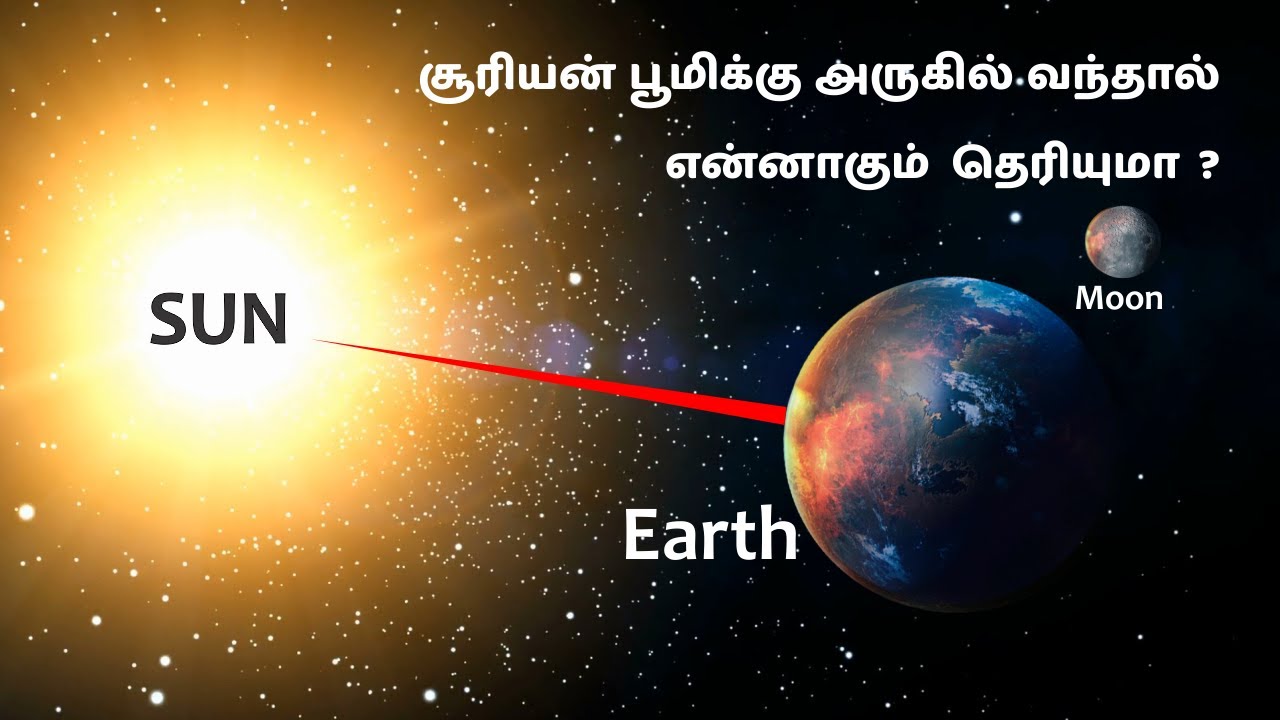
There would be enormous and maybe disastrous effects on our planet and all life on it if the Sun were to move closer to us. However, it is important to make clear that the Sun's distance from Earth is largely steady because of the balance of gravitational forces between the Sun and the planets, including Earth, before we consider the hypothetical scenario. There is almost no likelihood that such an event will occur.
Having said that, let's look at some possible effects of a closer Sun:
Temperature increases: As the Sun approaches Earth, more solar radiation will enter our globe, raising temperatures. This would cause temperatures to significantly rise, resulting in intense heat waves and a surge in the frequency of illnesses and fatalities brought on by the heat. Oceans and the surface of the Earth would warm, affecting habitats and ecosystems.
Rising Sea Levels and Melting Ice Caps: The warmer temperatures would hasten the melting of polar glaciers and ice caps, which would raise the sea level. Flooding would be a possibility in low-lying islands and coastal areas, displacing millions of people and resulting in significant ecological changes.
Global weather patterns would probably shift as a result of a closer Sun since it would probably change atmospheric circulation patterns. While some areas might experience more severe storms, others would endure protracted droughts that have an impact on agriculture and water supplies.
Many plant and animal species have evolved to survive in particular temperature ranges, which has a significant impact on biodiversity. Rapid and large temperature rises have the potential to cause widespread habitat loss and catastrophic extinctions, which would destabilise ecosystems and decrease biodiversity.
Impact on Human civilisation: A closer Sun's effects would be very detrimental to human civilisation. Food shortages, water scarcities, and energy crises would result from the climate and environmental changes, which would also pose a threat to agriculture, water resources, and energy production. To adapt to such extreme changes, significant adaptation efforts would be necessary.
Possible Orbital Changes: The Sun and Earth's gravitational fields are delicately balanced, preserving the planet's stable orbit. A large shift in this equilibrium might potentially modify Earth's orbit, creating new problems and having long-term effects on the climate and habitability of our planet.
Regards,
Vaan Veli
#solarsystem #whatif #sun #solarsystemintamil #whatifsunwasclosertoearth #whatifthesungetsclosertotheearth? #sunfacts #sunfactsintamil #whatifsunenlarge #whatifsunexpand #whatisthesunage #vaanveli #tamil #top10 #science #suntoearthdistance #sundestroyearth #thesun #space #universe #planets #astronomy #spaceexploration #whatifsuncomesclosertoearth #sunfact #thesolarsystem #sunhistory #sunvideo #earthgoingtoend #earthhistory

Hi,
If Jupiter becoming a star would have far-reaching consequences for our solar system and the Earth. The parameters required for Jupiter to become a star, however, are not viable given its current mass and composition.
Jupiter is a gas giant planet made primarily of hydrogen and helium, similar to a small star, but it lacks the mass required to begin nuclear fusion, the process that drives stars. Massive clouds of gas and dust become stars when they collapse under their own gravity and reach a crucial temperature and pressure, allowing nuclear fusion to occur in their centres.
To undergo nuclear fusion and become a star, Jupiter would need to be substantially more massive, roughly 80 times its current mass. Several consequences would result if this occurred:
Additional light and heat: If Jupiter were to become a star, it would emit light and heat in the same way that stars do. However, in comparison to our Sun, it would be faint and considerably cooler.
Changes in the solar system: The arrival of a new star in our solar system would alter its dynamics substantially. The gravitational forces between Jupiter, now a star, and the other planets, including Earth, would create orbital perturbations, potentially leading to orbital alterations and even collisions amongst celestial bodies.
Climate change: The enhanced energy output of a new star in the solar system would have an impact on Earth's climate. However, because Jupiter would still be a minor star, its impact on Earth's temperature would be minimal in comparison to the Sun.
Potential for life: The addition of another star to the solar system may offer additional energy to outer moons such as Europa and Ganymede, increasing the possibilities of life maintaining in those circumstances.
கூடுதல் ஒளி மற்றும் வெப்பம்: வியாழன் ஒரு நட்சத்திரமாக மாறினால், அது ஒரு நட்சத்திரத்தைப் போல ஒளியையும் வெப்பத்தையும் வெளியிடும். இருப்பினும், நமது சூரியனுடன் ஒப்பிடும்போது, அது ஒப்பீட்டளவில் மங்கலாகவும் மிகவும் குளிராகவும் இருக்கும்.
சூரிய குடும்பத்தில் ஏற்படும் மாற்றங்கள்: நமது சூரிய குடும்பத்தில் ஒரு புதிய நட்சத்திரம் இருப்பது அதன் இயக்கவியலை வியத்தகு முறையில் மாற்றிவிடும். வியாழன்-இப்போது-நட்சத்திரம் மற்றும் பூமி உட்பட மற்ற கிரகங்களுக்கு இடையே உள்ள ஈர்ப்பு விசைகள் சுற்றுப்பாதையில் குழப்பங்களை ஏற்படுத்தும், இது சுற்றுப்பாதையில் சாத்தியமான மாற்றங்களுக்கு வழிவகுக்கும் மற்றும் வான உடல்களுக்கு இடையே மோதல்கள் கூட சாத்தியமாகும்.
மாற்றப்பட்ட காலநிலை: சூரிய குடும்பத்தில் ஒரு புதிய நட்சத்திரத்திலிருந்து அதிகரித்த ஆற்றல் வெளியீடு பூமியின் காலநிலையை பாதிக்கும். இருப்பினும், வியாழன் இன்னும் ஒரு நட்சத்திரமாக ஒப்பீட்டளவில் சிறியதாக இருக்கும் என்பதால், சூரியனுடன் ஒப்பிடும்போது பூமியின் காலநிலையில் அதன் தாக்கம் குறைவாக இருக்கும்.
வாழ்க்கைக்கான சாத்தியம்: சூரிய குடும்பத்தில் மற்றொரு நட்சத்திரத்தைச் சேர்ப்பது, யூரோபா மற்றும் கேனிமீட் போன்ற வெளிப்புற நிலவுகளுக்கு அதிக ஆற்றலை வழங்கக்கூடும், இது அந்தச் சூழலில் உயிர்வாழ்வதற்கான வாய்ப்புகளை அதிகரிக்கும்.
Regards,
Vaan Veli
#whatif #jupiter #jupiterstar #jupiterbecameastar #whatifjupiterbecomeastar #jupiterintamil #jupiterplanet #planets #solarsystem #earth #sun #vaanveli #tamil #canjupiterbecomeastar #isjupiterafailedstar #planetjupiter #whatifjupiterbecameastar #jupiterbecomesastar #universe #jupitercouldbeasun #jupiterafailedstar #jupiterasstar #reddwarf #jupiterfacts #space #gravity #வியாழன் #viyaalan #shorts #science #solarsystemfacts #planets #jupitersize

Hi Everyone,
Top 10 Nuclear Bomb Comparison
All nuclear blast refers to the explosive release of energy caused by a nuclear weapon, commonly known as a nuclear bomb. It occurs when the nucleus of an atom, typically uranium or plutonium, is split through a process called nuclear fission. This splitting releases an enormous amount of energy in the form of an explosion.
In a nuclear blast, the energy is released rapidly, resulting in a powerful shockwave, intense heat, and a highly destructive blast radius. The explosion produces a brilliant flash of light, a mushroom-shaped cloud, and emits various forms of radiation, including thermal radiation, blast radiation, and ionizing radiation.
The destructive power of a nuclear blast depends on several factors, such as the size and type of the weapon, the altitude of the detonation, and the surrounding environment. The effects of a nuclear blast can include widespread devastation, immediate casualties from the blast, heat, and radiation, as well as long-term effects from radioactive fallout. It's important to note that the use of nuclear weapons is highly regulated and subject to international treaties and agreements due to their catastrophic potential.
Top 10 Nuke :
1. MK-14nuclearbomb
2. MK-16nuclearbomb
3. B53nuclear
4. Mk-36nuclearbomb
5. ivymikenuclearbomb
6. Mk-24bomb
7. Mk-17nuclearbomb
8. castlebravonuclear
9. B41nuclearbomb
10. RDS-220
Regards,
Vaan Veli
#nuclearbomb #nuclear #nuclearweapons #atomicbomb #top10nucelarbombintamil #worldlargestnuclerbomb #tzarbomba #nuclearbombaintamil #nuclearbombcomparison #nuclearcomparison #nuclearbombfactsintamil #அணுகுண்டு #largestnuclearbombintheworld #vaanveli #tamil #gk #top10 #whatif #mk-14nuclearbomb #mk-16nuclearbomb #b53nuclear #mk-36nuclearbomb #ivymikenuclearbomb #mk-24bomb #mk-17nuclearbomb #castlebravonuclear #b41nuclearbomb #rds-220 #nucleartamil #earth #tzarbomba #tzar #zarbomba #nuke

What if the moon disappeared? Would we know what was going on in the world? In this video, we'll explore this question and more.
We'll look at the history of the moon, how it's related to our planet, and how it might be disappearing. We'll also share some theories on what might happen if the moon disappeared. Finally, we'll ask the question: If the moon disappeared, what would happen to our planet? Go ahead and check out the video to find out!
Regards,
Vaan Veli
நிலவு இல்லாத பூமி என்ன ஆகும் தெரியுமா ?
#whatifmoondisappeared #whatif #earth #moon #whatifthemoondisappeared #whatifmoondisappears #earthandmoon #moonfacts #moonfactsintamil #whatifmoondisappearintamil #moontamil #nilavu #moonhistory #historyofthemoon #moonage #moonbrightness #moondistancefromearth #earthvsmoon #space #science #solarsystem #mars #darksideofthemoon #themoon #theuniverse #earthandmoon #whatiftherewasnomoon #moondisappeared #vaanveli #vaanveli #tamil #nila

In this video, we're going to reveal some unbelievable secrets about Pluto. From its size to its atmosphere, we're going to go over everything you need to know about this fascinating planet!
Don't believe the myths about Pluto, learn the truth about this unusual planet in this amazing video! From its size to its atmosphere, we're going to reveal all of the unbelievable secrets about Pluto! Thanks for watching!
Regards,
VaanVeli
Santhosh
#pluto #solarsystem #nasa #plutoplanet #nasapluto #facts #space #science #universe #planet #galaxy #planets #orbit #dwarfplanet #pluto'sheart #plutoice #moonpluto #plutodwarfplanet #plutoplanetintamil #whatif #vaanveli #plutotamil #planetsintamil #solarsystemplanetsintamil #vaanveli #tamil #isplutoaplanet #photoofpluto2022 #latestphotosofpluto #plutoisaplanet #nasarevealspluto #amazingfactsaboutpluto #plutofacts #plutofactsintamil
