#earth

Hi,
In this video, we're going to talk about Super Earth, a planet that's better than Earth. We'll discuss the advantages of living on Super Earth, and why you should want to live on this planet.
If you're looking for a better planet to live on, then you should check out Super Earth. Super Earth has a lot of advantages over Earth, including a much better environment and a much higher standard of living. In this video, we'll discuss these advantages and why you should want to live on Super Earth!
Regards,
Vaan Veli
Santhosh
Follows on Facebook : https://www.facebook.com/vaanveli1
Follows on Instagram : https://www.instagram.com/vaan_veli
#betterthanourearth
#பூமியைபோன்றகோள்கள்
#பூமி
#betterthanearth
#superearthplanet #superearthnewplanetsfound #nasa #earth #superearth #exoplanet #space #whatif #science #keplerplanet #planet #planets #theuniverse #exoplanets #habitableplanets #earthlikeplanets #earthlikeplanet #exoplanetslikeearth #superearth2.0 #superearthtamil #superearthplanettamil #exoplanettamil #howmanyexoplanetsarethere #aliens #habitablezone #tamil #vaanveli #gk #gktamil #top10superearth #kepler454b #earth2 #betterthanearth #earthtamil #blackhole #moon #solarsystem #volcano #earth2.0
![பிரபஞ்சத்தின் ஆபத்தான கிரகங்கள் [ Dangerous Planets in the Universe ]](https://i.ytimg.com/vi/BPJrTX03g4k/maxresdefault.jpg)
பிரபஞ்சத்தின் ஆபத்தான கிரகங்கள் [ Top Dangerous Planets in the Universe ]
In this video, we're going to be talking about some of the most dangerous planets in the universe!
From Venus to Neptune, these planets are full of dangerous elements and hazards that could potentially kill you if you were to visit them. So if you're thinking of traveling to any of these planets, be sure to research them first!
By the end of this video, you'll know everything you need to know about the dangerous planets in the universe!
Regards,
Vaan Veli
#nasa #facts #space #whatif #jupiter #earth #universe #solarsystem #cosmos #stars #planets #planets #exoplanet #dangerousplanetsdocumentary #venus #corot-7b #gliese436b #planetjensen #gianthd1897 #hd80606b #kelt9b #kepler78b #wasp12b #terribleplanets #topplanetslikeearth #earth2 #dangerousplanets #topplanets #planetlikeearthdiscovered #planetsfacts #gk #planetscience #nasadartmission #nasadart #planetstamil #vaanveli #tamil #scienetamil #blackhole

What would earth be like without humans? Do you believe we could live without earth and do you believe the earth could exist peacefully without human ? Let's see what happens if there are no humans on the planet earth.
மனிதனின் கடைசி நொடிகளும் மனிதன் இல்லாத பூமியும்
Regards,
Vaan Veli
Santhosh
Follows on Facebook : https://www.facebook.com/vaanveli1
Follows on Instagram : https://www.instagram.com/vaan_veli
#vaanveli #universe #earth #tamil #whatifthereisnohuman #whatwouldhappeniftherewasnohumansonearth #withouthumanintheworld #earthwithouthumans #whatwouldearthbelikewithouthumans #nohuman #nohumanonearth #doyoubelievewecouldlivewithoutearth #earthcouldexistpeacefullywithouthuman #animalscouldlivewithouthuman? #nuclearpollution #airpollution #waterpollution #pollutioncontrol #savetrees #savehumanity #saveanimals
Disclaimer:
This channel does not offer financial advice. All information on this channel is offered solely for educational and informational reasons. This channel does not guarantee that you will be able to generate money online using the method presented in the video. Your level of success in achieving the outcomes indicated in the video will involve hard work, aptitude, learning and experience. Before investing or joining any such site, this channel strongly suggested you to conduct thorough investigation.
#vaanveli #adityal1 #sunfacts
Sun Facts 1:
https://youtu.be/ok3U2N1gclU?si=UWtwxEmqlaPY-PeV
Sun Facts 2:
https://youtu.be/YTZ712B7C2g?si=I1_IL8igigv8_IRz
நட்சத்திரத்தின் அணுக்கரு இணைவு :
https://youtu.be/zEztpqIV9bk?si=XWtQzMZuUFQM_SLq
சூரியன் பூமிக்கு அருகில் வந்தால் என்ன ஆகும் ?
https://youtu.be/dvALnR3n3Dc?si=G7_Z9V8vJftxBmo-
அழிவின் விளிம்பில் அடுத்த தலைமுறை :
https://youtu.be/NCWBWYoxzkw?si=pFlUHZQp-dpVWIuG
Follows on Facebook : https://www.facebook.com/vaanveli1
Follows on Instagram : https://www.instagram.com/vaan_veli
Hi,
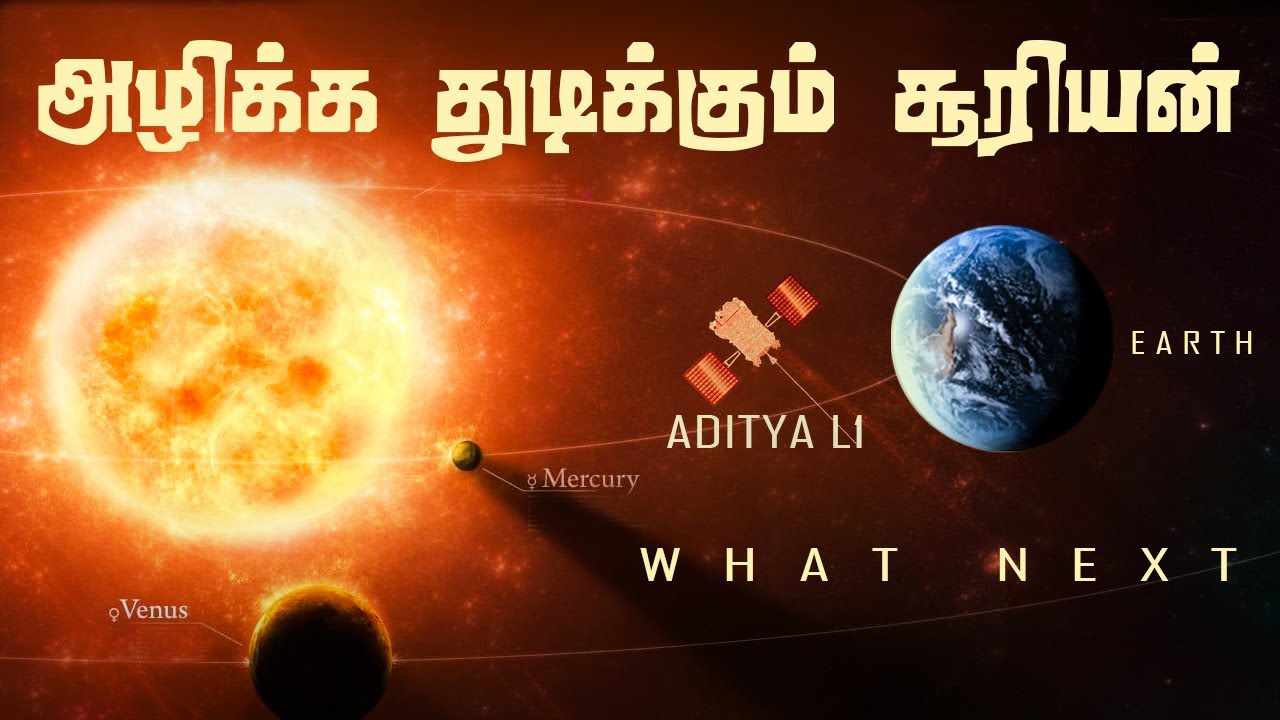
Aditya L1 will be India's first space-based mission to study the Sun. The spacecraft will be positioned in a halo orbit around the Sun-Earth system's Lagrange point 1 (L1), which is approximately 1.5 million kilometres away from Earth. A satellite in halo orbit around the L1 point has the significant benefit of continuously viewing the Sun with no occultation/eclipses. This will give us a better chance of seeing solar activity and its impact on space weather in real time. The spacecraft includes seven payloads that will use electromagnetic, particle, and magnetic field detectors to study the photosphere, chromosphere, and the Sun's outermost layers (the corona). Four payloads directly see the Sun from the exceptional vantage point L1, while the remaining three payloads conduct in-situ particle and field studies at the Lagrange point L1, offering essential scientific studies of the propagatory influence of solar dynamics in the interplanetary medium.
The Aditya L1 payload suites are intended to offer critical information for understanding the problem of coronal heating, coronal mass ejection, pre-flare and flare activities and their characteristics, dynamics of space weather, particle and field propagation, and so on.
Objectives of Science:
The Aditya-L1 mission's primary scientific goals are as follows:
Dynamics of the solar upper atmosphere (chromosphere and corona).
The investigation of chromospheric and coronal heating, the physics of partly ionised plasma, the start of coronal mass ejections, and flares.
Observe the in-situ particle and plasma environment for data on particle dynamics from the Sun.
The solar corona's physics and heating mechanism.
Coronal and coronal loops plasma diagnostics: Temperature, velocity, and density are all variables.
CME evolution, dynamics, and genesis.
Determine the sequence of processes that occur at many levels (chromosphere, base, and extended corona) and lead to solar eruptive events.
Topology of magnetic fields and magnetic field measurements in the solar corona.
Space weather drivers (the genesis, composition, and behaviour of solar wind.
Aditya-L1's instruments are designed to observe the solar atmosphere, specifically the chromosphere and corona. At L1, in-situ instruments will observe the local environment. There are seven payloads on board, four of which perform distant sensing of the Sun and three of which perform in-situ observation.
Regards,
Vaan Veli
Santhosh
#vaan_veli #universe #solarsystem #earth #tamil #adityal1launch #isro #chandrayaan3 #isrolive #isroofficial #adityal1mission #sun #isroadityal1mission #adityal1missionlive #aditya #adityal1 #adityal1isro #isrosunmission #ஆதித்யாL1 #sunfacts #sunmission #adithyal1 #adityal1vssun #sunvsadityal1 #sunflare #sunstorm #sooriyapuyal #volcanoinsun #solarstormintamil #solarvolcanointamil #solar #solarcycloneintamil #adityal1intamil #storm #gk #science #sciencetamil #stormtamil #solarsystemfacts
Hi Everyone,
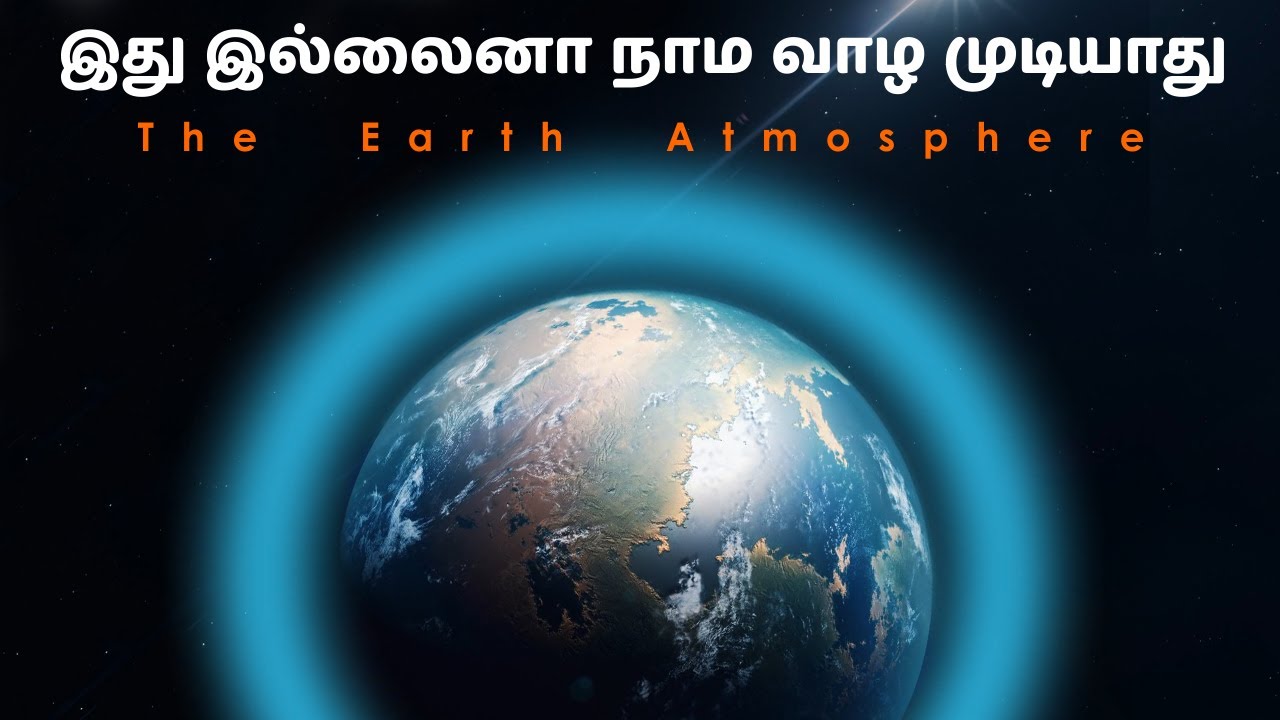
We have showed types of earth atmosphere and ozone layer benifits in this video, i hope you love it, kindly support us if you like this video thanks .
Regards,
Vaan veli.
#பூமியின்வளிமண்டலம் #earth #earthatmosphere #earthatmospherelayers #ozone #ozonelayer #science #weather #atmosphere #planets #oxygen #layersoftheearth #layersofatmosphere #layersoftheatmosphere #thermosphere #layersofatmospehere #differentlayersofatmosphere #atmosphereexplained #whatisatmosphere #stratosphere #mesosphere #exosphere #troposphere #வளிமண்டலம் #vaanveli #tamil #whatif #gk #solarsystem #ozonelayerhole #whatisozonelayer #ozonelayerintamil #top10
Subscribe செய்யாமல் வீடியோ பார்ப்பவர்கள் : Not subscribed 96.6%
Subscribe செய்து வீடியோ பார்ப்பவர்கள் : Subscribed 3.4%
நீங்கள் எங்களுக்கு கொடுக்கும் ஆதரவினால் மட்டுமே நாங்கள் உங்களுக்கு தொடர்ந்து இன்னும் சிறந்த விடீயோக்களை உற்சாகத்துடன் பதிவிடமுடியும் நன்றி 🙏
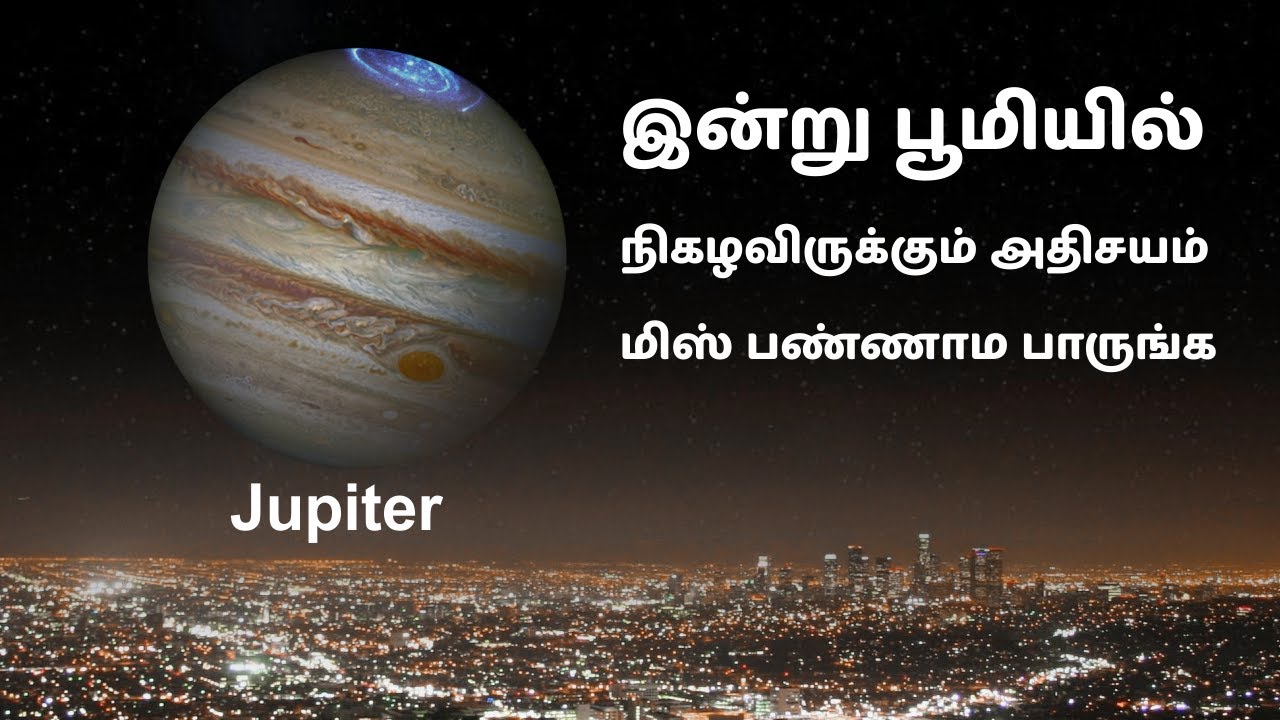
The Solar System’s largest planet Jupiter will hang in the skies later this month as it comes closest to Earth in nearly 70 years.
Jupiter will be closer to Earth than usual on September 26.
According to NASA, this will be the nearest the largest planet in the solar system has been to Earth in nearly six decades.
Scientists say Jupiter will appear bigger and brighter because it will “only” be 367 million miles away. That’s almost half the distance the planet is from the Earth at its farthest.
Experts say the best place to get a view of Jupiter on Monday will be a highly elevated spot in a dark and dry area.
Regards,
Vaanveli.
#jupiter #nasa #solarsystem #earth #whatif #planets #moon #thesun #jupitertomorrow #howclosejupitercomestoearth #todayjupiter #jupitertonightinthesky #jupitertoday #jupitertodaylive #jupitertamil #vyalan #vyalantamil #tamil #veenveli #earthtojupiterdistance #videoofjupiter #photosofjupiter #jupitervideo #gk #live #jupiternews #jupiterandearth #earthandjupiter #distance #howtoseejupiterfromearth #howclosejupiter #wheretoseejupiter #science #earth #news #tamilnews

#vaanveli #moonfacts #chandrayaan3
Hi,
இது தெரிஞ்சா நிலவுக்கு போகணும்னு நினைக்கமாட்டீங்க
15 Seconds Challenge on moon:
Because there is no oxygen, you would go unconscious in 15 seconds. Because there is little or no air pressure, your blood and bodily fluids would boil and then freeze.
1. The Moon is the sole natural satellite of Earth.
2. It is roughly one-sixth the size of Earth.
3. On average, the Moon is 238,855 miles (384,400 km) distant from Earth.
4. Because the Moon's gravity is about one-sixth that of Earth's, you would weigh less on the Moon.
5. The Moon possesses an exosphere, which is an extremely thin and tenuous atmosphere that contains trace amounts of helium, neon, and other elements.
6. The Moon orbits Earth in a roughly round orbit.
7. It takes the Moon approximately 27.3 Earth days to orbit our planet.
8. Because the Moon rotates once on its axis in around 27.3 days, we always view the same face from Earth, a phenomenon known as synchronous rotation.
9. The side of the Moon facing away from Earth is referred to as the "far side" or "dark side," despite the fact that it is not literally dark; it is simply obscured from our perspective.
10. The Moon's surface is covered in impact craters caused by billions of meteoroid collisions over billions of years.
The South Pole-Aitken Basin, which is about 1,550 miles (2,500 km) wide, is the Moon's largest crater.
12. Although there is no liquid water on the Moon's surface, there is evidence of water ice in permanently shadowed craters near the pole.
Temperature Extremes: The Moon experiences extreme temperature variations due to its lack of atmosphere. During its daytime, temperatures can reach over 100°C (212°F), while during its nighttime, temperatures can drop below -170°C (-274°F).
Moonquakes: The Moon experiences seismic activity, known as moonquakes. These can be caused by the gravitational interactions with Earth, the cooling and contraction of the Moon's interior, and the residual energy from ancient impacts.
Human Visits: The first human landing on the Moon was by NASA's Apollo 11 mission in 1969, when astronauts Neil Armstrong and Edwin "Buzz" Aldrin became the first humans to walk on the lunar surface.
Future Exploration: There are plans for future lunar exploration, including establishing a sustainable human presence on the Moon as a stepping stone for further space exploration, such as missions to Mars.
These are just a few intriguing facts about our Moon. It continues to be a subject of scientific research and inspiration for humanity's exploration of space.
Lunar Phases Influence Tides: The Moon's gravitational pull causes tides on Earth. When the Moon is at its closest point to Earth (perigee), tides can be especially high, known as spring tides. When the Moon is at its farthest point from Earth (apogee), tides are less extreme, known as neap tides.
Regards,
Vaan Veli
Santhosh
#vaan_veli #vaanveli #universe #solarsystem #earth #tamil #chandrayaan3update #moonfacts #moonfactsintamil #moon #moonhouse #homeonmoon #moondistance #earthvsmoon #nilavu #chandrayaan3 #chandrayaan3live #chandrayaan3tamil #livingonmoon #moonfactstamil #நிலவு #moonhistory #interestingfactsaboutmoon #luna #1lunarday #indianonmoon #chandrayaan3liveupdate #chandrayaan3todayupdate #chandrayaan3status #moonsouthpole #chandrayaan3
Follows on Facebook : https://www.facebook.com/vaanveli1
Follows on Instagram : https://www.instagram.com/vaan_veli

#vaanveli #moonfacts #chandrayaan3
Hi,
நிலவுக்கு குடி போகணும்னு ஆச படறீங்களா ? அப்போ நீங்க மட்டும் இத பாருங்க
what if we build a house in moon?
Buildings on the moon do not need to be as robust because gravity pull is around 6 times less. A ceiling/floor would require 6 times the mass to break than the comparable ceiling/floor on Earth.
Some moon Facts :
Natural Satellite: The Moon is Earth's only natural satellite and is about 1/6th the size of Earth.
Formation: The prevailing theory is that the Moon formed around 4.5 billion years ago when a Mars-sized object collided with a young Earth, and the debris from this collision eventually coalesced to form the Moon.
Phases: The Moon goes through different phases due to its position relative to the Sun and Earth. These phases include new moon, waxing crescent, first quarter, waxing gibbous, full moon, waning gibbous, third quarter, and waning crescent.
Synchronous Rotation: The Moon is in synchronous rotation with Earth, meaning it always shows the same face towards our planet. This side is often referred to as the "near side," while the other side is called the "far side" or "dark side."
Surface Features: The Moon's surface is covered in impact craters, large basins (such as the Imbrium, Serenitatis, and Crisium basins), mountains, valleys, and "seas" or dark, flat areas formed by ancient volcanic activity.
Gravity: The Moon's gravity is about 1/6th of Earth's gravity, which is why astronauts on the Moon can jump higher and objects are much lighter there.
Lunar Maria: The "seas" on the Moon are actually solidified basaltic lava flows from ancient volcanic activity. They were named "maria," which is Latin for "seas," by early astronomers who mistakenly thought they were bodies of water.
Lunar Phases Influence Tides: The Moon's gravitational pull causes tides on Earth. When the Moon is at its closest point to Earth (perigee), tides can be especially high, known as spring tides. When the Moon is at its farthest point from Earth (apogee), tides are less extreme, known as neap tides.
Temperature Extremes: The Moon experiences extreme temperature variations due to its lack of atmosphere. During its daytime, temperatures can reach over 100°C (212°F), while during its nighttime, temperatures can drop below -170°C (-274°F).
Moonquakes: The Moon experiences seismic activity, known as moonquakes. These can be caused by the gravitational interactions with Earth, the cooling and contraction of the Moon's interior, and the residual energy from ancient impacts.
Human Visits: The first human landing on the Moon was by NASA's Apollo 11 mission in 1969, when astronauts Neil Armstrong and Edwin "Buzz" Aldrin became the first humans to walk on the lunar surface.
Future Exploration: There are plans for future lunar exploration, including establishing a sustainable human presence on the Moon as a stepping stone for further space exploration, such as missions to Mars.
These are just a few intriguing facts about our Moon. It continues to be a subject of scientific research and inspiration for humanity's exploration of space.
Regards,
Vaan Veli
Santhosh
Follows on Facebook : https://www.facebook.com/vaanveli1
Follows on Instagram : https://www.instagram.com/vaan_veli
#vaan_veli #vaanveli #universe #solarsystem #earth #tamil #chandrayaan3update #moonfacts #moonfactsintamil #moon #moonhouse #homeonmoon #moondistance #earthvsmoon #nilavu #chandrayaan3 #chandrayaan3live #chandrayaan3tamil #livingonmoon #நிலவுக்குகுடிபோகணும்னுஆசபடறீங்களா #நிலவு #moonhistory #interestingfactsaboutmoon #luna #1lunarday #indianonmoon #chandrayaan3liveupdate #chandrayaan3todayupdate #chandrayaan3status #moonsouthpole #chandrayaan3

Hi All,
The Chicxulub asteroid is a term commonly used to refer to the massive asteroid or comet impact that occurred approximately 66 million years ago. This impact is believed to be the primary cause of the Cretaceous-Paleogene (K-Pg) extinction event, which resulted in the extinction of about 75% of plant and animal species on Earth, including the dinosaurs.
The impact site is located near the town of Chicxulub in Mexico's Yucatan Peninsula. The asteroid or comet that struck Earth was estimated to be about 6 miles (10 kilometers) in diameter. The impact released an enormous amount of energy, equivalent to billions of atomic bombs, causing widespread devastation.
The impact triggered a chain of catastrophic events, including massive earthquakes, tsunamis, and wildfires. It also released an enormous amount of dust, soot, and vaporized rock into the atmosphere, blocking sunlight and causing a global cooling effect. The reduced sunlight led to a significant decrease in photosynthesis, disrupting the food chain and causing the extinction of many plant and animal species.
The Chicxulub impact left a distinct crater, which was discovered in the early 1990s through geological surveys and subsequent drilling. The crater measures approximately 93 miles (150 kilometers) in diameter and is buried beneath layers of sediment.
The study of the Chicxulub impact has provided valuable insights into the dynamics of large asteroid or comet impacts and their potential effects on Earth's ecosystems. It has also contributed to our understanding of the history of life on Earth and the mechanisms of mass extinctions.
The Chicxulub impactor, also known as the Chicxulub asteroid or the K-Pg asteroid, refers to a massive asteroid or comet that is believed to have struck the Earth approximately 66 million years ago. The impact of this asteroid is considered to be a significant event in Earth's history as it is widely associated with the mass extinction event that led to the demise of the dinosaurs and many other species.
Here are some key details about the Chicxulub impactor:
Size and Impact: The Chicxulub impactor is estimated to have been about 6 to 9 miles (10 to 15 kilometers) in diameter. When it struck the Earth, it unleashed an immense amount of energy, equivalent to billions of nuclear bombs.
Location: The impact site is located near the town of Chicxulub in the Yucatan Peninsula of modern-day Mexico. The region is known for a prominent crater, known as the Chicxulub crater, which was discovered in the early 1990s.
Extinction Event: The impact of the Chicxulub asteroid is widely believed to have caused or significantly contributed to the Cretaceous-Paleogene (K-Pg) mass extinction event. This event led to the extinction of approximately 75% of all species on Earth, including non-avian dinosaurs.
Environmental Effects: The impact generated a massive amount of heat, causing widespread wildfires and releasing enormous quantities of dust, ash, and gases into the atmosphere. This resulted in a global climate change event, with a significant drop in temperature and a reduction in sunlight reaching the Earth's surface. These changes severely disrupted ecosystems and led to the extinction of many plant and animal species.
Crater Formation: The impact created a crater that is approximately 93 miles (150 kilometers) in diameter and 12 miles (20 kilometers) in depth. Over time, geological processes and erosion have modified the original structure, but the remnants of the crater are still visible.
Discovery and Confirmation: The presence of a large impact crater in the Yucatan Peninsula was first proposed in the late 1970s. In the early 1990s, scientific drilling in the region provided evidence supporting the hypothesis that the Chicxulub impactor was responsible for the K-Pg mass extinction event.
Regards,
VaanVeli
#asteroid #chicxulubcrater #earth #chicxulub #chicxulubasteroid #chicxulubintamil #chicxulubasteroidintamil #vaanveli #tamil #whatif #asteroidcomparison #asteroidsize #asteroidintamil #craterintamil #dinosaur #dinosaurs #shorts #dinosaurus #dinosaurvideos #dinosaurvideojurassic #dinosaurextinction #chicxulubimpact #impact #thechicxulubimpactor #science #extinction #asteroidimpact #dinosaursintamil #chicxulubimpactsimulation #asteroidhitearth #solarsystem #asteroidbelt #gk #animals #dino
![விண்வெளியில் சடலங்கள் [ Truth Behind Animals Sent To Space ]](https://i.ytimg.com/vi/pTw015OmDs0/maxresdefault.jpg)
Truth Behind Animals Sent To Space,
Laika was a normal street dog in Russian country, The aim was to find out how long a dog can survive in space. On 3 November 1957 russians launched Laika into space inside a spacecraft named Sputnik-2. It was a one way ticket for laika because there was no way to bring her back to Earth. Space has no boundaries. You must admit that there is something incredibly attractive and mysterious in this dark surrounding our earth, Some of these interesting facts are amazing yet terrifying at the same time. i am really feld bad about the innocent animals that really what happend to them in the history.
Regards,
VaanVeli
#mystery #blackhole #minutesmystery #spacemysteries #spacemysteryintamil #spacemysteriousfacts #spacesnakeintamil #spacedeadbodies #spacedeadbody #விண்வெளியில்சடலங்கள் #spacesnake #nasa #ufo361 #space #aliens #alien #tamil #vaanveli #alientamil #spacenewstamil #spacefactsintamil #spacefacts #animalsinspace #laikaspacedog #doginspace #scaryspacephoto #alienship #moon #moontravel #neilarmstrong #truthbehindanimalssenttospace #gk #whatif #earth #laika #dog #dogs #snake #snakes #snakevideo #space #earth #moon #tamil #milkyway #sciencetamil #astronaut #spaceship #spacex #spacedog #spacesnake #top10 #spacenews #newstamil #tamilnews

Hi,
1000 வருடங்கள் கழித்து நம் பூமி எப்படி இருக்கும் ?
Technological Advancements: The pace of technological progress is likely to continue, with advancements in fields such as artificial intelligence, biotechnology, space exploration, and renewable energy. This could lead to significant improvements in various aspects of human life, including healthcare, communication, and energy production.
Climate Change and Environmental Impact: Addressing climate change will likely be a major challenge. Efforts to transition to renewable energy sources, sustainable practices, and increased conservation may be crucial to mitigate the effects of climate change. The state of the environment will depend heavily on global cooperation and the success of these efforts.
Population and Demographics: The global population is expected to continue growing, but at a slower rate. Demographic shifts, such as aging populations in many developed countries, may have profound social and economic implications.
Space Exploration: Human exploration of space may become more advanced, with potential colonies on the Moon or Mars. Advancements in propulsion systems and space technologies could enable more ambitious missions to explore other planets and celestial bodies.
Biotechnology and Medicine: Advances in biotechnology could lead to breakthroughs in medical treatments, disease prevention, and possibly even increased human longevity. The ethical implications of these technologies would need careful consideration.
Cultural and Societal Changes: Cultural shifts are challenging to predict, but factors such as globalization, increased connectivity, and changes in political and economic systems could influence societies around the world. The role of technology in shaping culture and communication will likely continue to evolve.
Political Landscape: The geopolitical landscape is highly uncertain. The balance of power among nations may shift, and new political structures or alliances could emerge. International cooperation on global issues will be crucial for addressing challenges such as climate change and resource management.
Energy Sources: There may be a continued shift toward renewable energy sources, such as solar, wind, and nuclear power. Advances in energy storage technology could play a critical role in making renewable energy more practical and widespread.
Regards,
Vaan Veli
Santhosh
Follows on Facebook : https://www.facebook.com/vaanveli1
Follows on Instagram : https://www.instagram.com/vaan_veli
#vaanveli #vaan_veli #universe #solarsystem #earth #tamil #1000yearslaterourearth #theearthin1000years #theworldin1000yearsfromnow #earthevolution #earthpollution #waterpollution #airpollution #deforestation #tree #trees #savetrees #plant #oxygen #treesintamil #moon #mars #moonhome #marshome #space #alien #treeplantation #treesforhome #whattreeplanttohome #saveanimals #1000yearslater #earthfootages #gk

Hi, பூமியில் நீர் எப்படி உருவானது தெரியுமா ?
Saltwater: Approximately 97.5% of the world's water is in the form of saltwater, found in oceans and seas.
Freshwater: The remaining 2.5% of the world's water is freshwater, which is found in various forms, including:
a. Surface Water: This includes water in lakes, rivers, and other surface water bodies. These sources make up only a small fraction of the total freshwater on Earth.
b. Groundwater: Most of the world's freshwater is stored underground in aquifers. Groundwater is a crucial source of drinking water and is also used for irrigation and industrial purposes.
c. Ice: A significant portion of freshwater is stored in the form of ice in glaciers and polar ice caps.
d. Atmosphere: Water vapor in the atmosphere is also considered part of the Earth's freshwater resources, although it is relatively small in comparison to other forms.
Regards,
Vaan Veli
Santhosh
Follows on Facebook : https://www.facebook.com/vaanveli1
Follows on Instagram : https://www.instagram.com/vaan_veli
#vaanveli #vaan_veli #universe #solarsystem #earth #tamil #water #wateronearth #wateronearthintamil #howmuchwaterinourearth #freshwater #saltwater #howmuchsaltwaterinourearth #howwaterarecreated #howwatercameonearth #howwatercametoearth #waterintamil #71%ofwater #howmanypercentageofwaterintheearth #howmanyprecentageoflandinourearth #landvswatercomparison #earthhistory #waterhistory #starborn #howplanetsareformed #intamil

Join in our Whatsapp Channel : https://whatsapp.com/channel/0....029VaAmc3xJ3jv0kNNrc
The Drake Equation: The Drake Equation is a probabilistic formula that estimates the number of technologically advanced civilizations in our galaxy. While it is highly theoretical, it demonstrates that the existence of extraterrestrial life is a possibility.
Fermi Paradox: The Fermi Paradox raises the question of why, given the vast number of potentially habitable planets in the universe, we have not yet observed any signs of extraterrestrial civilizations. There are many proposed solutions to this paradox.
Ongoing Scientific Research: Scientists are actively searching for signs of alien life through projects like the Search for Extraterrestrial Intelligence (SETI), the study of extremophiles on Earth, and missions to explore other planets and moons in our solar system, such as Mars and Europa.
UFO Sightings: Unidentified Flying Object (UFO) sightings are often cited as evidence of potential alien encounters. However, the existence of UFOs does not necessarily confirm the existence of extraterrestrial life, as these sightings could have various explanations.
Vast Universe: The universe is incredibly vast, with billions of galaxies, each containing billions of stars and potentially even more planets. The sheer number of planets makes it statistically likely that some may support life.
Goldilocks Zone: Many scientists search for planets within the "Goldilocks zone" or the habitable zone around a star, where conditions might be right for liquid water to exist—a crucial ingredient for life as we know it.
Exoplanets: Astronomers have discovered thousands of exoplanets (planets outside our solar system). Some of these are in the habitable zone and are considered prime candidates in the search for extraterrestrial life.
Fermi Paradox: The Fermi Paradox raises the question of why we haven't yet observed evidence of extraterrestrial civilizations, given the vast number of potentially habitable planets. Many solutions to this paradox have been proposed, including the possibility that advanced civilizations are rare, they self-destruct, or they are simply too far away.
Drake Equation: The Drake Equation is a formula that estimates the number of technologically advanced civilizations in our galaxy. It combines factors like the rate of star formation, the fraction of stars with planets, and the fraction of those planets that could support life.
SETI: The Search for Extraterrestrial Intelligence (SETI) is an ongoing scientific effort to detect signals or signs of intelligent life beyond Earth. This involves listening for radio signals or other technosignatures.
Extremophiles: Some extremophiles, microorganisms on Earth, thrive in extreme conditions like extreme heat, cold, pressure, and radiation. These organisms have expanded our understanding of where life could potentially exist, including on other planets or moons.
Roswell Incident: The Roswell UFO incident in 1947 is one of the most famous alleged UFO sightings. The U.S. military initially stated that they had recovered a "flying disc," but later explained it as a weather balloon.
Crop Circles: Some crop circles are believed to be mysterious geometric patterns created in fields, and some have been associated with UFOs. However, many crop circles are the result of human art and hoaxes.
Extraterrestrial Life in Pop Culture: The concept of aliens and UFOs has had a significant influence on popular culture, with numerous books, movies, and television shows exploring the idea of alien life and UFO encounters.
aliens are real or not ?, aliens in tamil, alien in tamil, ufo in tamil, alien movie,
alien movie footages, Alien Sightings, Alien Encounters, Alien Documentary, Alien Abduction, Alien Movies, UFO and Aliens, Real Aliens, Alien Invasion, Alien Conspiracy Theories, Alien vs Predator, Area 51 Alien, Alien Evidence, Alien Disclosure, Ancient Aliens, Alien Interview,
Regards,
Vaan Veli
Santhosh
Follows on Facebook : https://www.facebook.com/vaanveli1
Follows on Instagram : https://www.instagram.com/vaan_veli
#alien #aliensarereal #whoisalien #whatarealien #ufo #whatisufo #wherearethealienscomesfrom #aliensexplained #alientamil #alienstamil #aliensexplainedintamil #alienrealfootage #uforealfootage #realalien #alienrecentupdate #alienfootages #alienlivevideo #planets #exoplanets #whatisalien #alienvshuman #alientrailerintamil #alienswar #alienvshumanwar #aliens #extraterrestrial #alienencounter #alieninvasion #space #scifi #AlienLife
#area51 #alienconspiracy #ufosighting #alienabduction #ScienceFiction
#ancientaliens #paranormal #alienmovies #alientheories #alienmythology#alienattac k #alienbody #alienfound #aliendetails #aliensize #vaanveli #earth #science #alienfacts

Hi,
If Jupiter becoming a star would have far-reaching consequences for our solar system and the Earth. The parameters required for Jupiter to become a star, however, are not viable given its current mass and composition.
Jupiter is a gas giant planet made primarily of hydrogen and helium, similar to a small star, but it lacks the mass required to begin nuclear fusion, the process that drives stars. Massive clouds of gas and dust become stars when they collapse under their own gravity and reach a crucial temperature and pressure, allowing nuclear fusion to occur in their centres.
To undergo nuclear fusion and become a star, Jupiter would need to be substantially more massive, roughly 80 times its current mass. Several consequences would result if this occurred:
Additional light and heat: If Jupiter were to become a star, it would emit light and heat in the same way that stars do. However, in comparison to our Sun, it would be faint and considerably cooler.
Changes in the solar system: The arrival of a new star in our solar system would alter its dynamics substantially. The gravitational forces between Jupiter, now a star, and the other planets, including Earth, would create orbital perturbations, potentially leading to orbital alterations and even collisions amongst celestial bodies.
Climate change: The enhanced energy output of a new star in the solar system would have an impact on Earth's climate. However, because Jupiter would still be a minor star, its impact on Earth's temperature would be minimal in comparison to the Sun.
Potential for life: The addition of another star to the solar system may offer additional energy to outer moons such as Europa and Ganymede, increasing the possibilities of life maintaining in those circumstances.
கூடுதல் ஒளி மற்றும் வெப்பம்: வியாழன் ஒரு நட்சத்திரமாக மாறினால், அது ஒரு நட்சத்திரத்தைப் போல ஒளியையும் வெப்பத்தையும் வெளியிடும். இருப்பினும், நமது சூரியனுடன் ஒப்பிடும்போது, அது ஒப்பீட்டளவில் மங்கலாகவும் மிகவும் குளிராகவும் இருக்கும்.
சூரிய குடும்பத்தில் ஏற்படும் மாற்றங்கள்: நமது சூரிய குடும்பத்தில் ஒரு புதிய நட்சத்திரம் இருப்பது அதன் இயக்கவியலை வியத்தகு முறையில் மாற்றிவிடும். வியாழன்-இப்போது-நட்சத்திரம் மற்றும் பூமி உட்பட மற்ற கிரகங்களுக்கு இடையே உள்ள ஈர்ப்பு விசைகள் சுற்றுப்பாதையில் குழப்பங்களை ஏற்படுத்தும், இது சுற்றுப்பாதையில் சாத்தியமான மாற்றங்களுக்கு வழிவகுக்கும் மற்றும் வான உடல்களுக்கு இடையே மோதல்கள் கூட சாத்தியமாகும்.
மாற்றப்பட்ட காலநிலை: சூரிய குடும்பத்தில் ஒரு புதிய நட்சத்திரத்திலிருந்து அதிகரித்த ஆற்றல் வெளியீடு பூமியின் காலநிலையை பாதிக்கும். இருப்பினும், வியாழன் இன்னும் ஒரு நட்சத்திரமாக ஒப்பீட்டளவில் சிறியதாக இருக்கும் என்பதால், சூரியனுடன் ஒப்பிடும்போது பூமியின் காலநிலையில் அதன் தாக்கம் குறைவாக இருக்கும்.
வாழ்க்கைக்கான சாத்தியம்: சூரிய குடும்பத்தில் மற்றொரு நட்சத்திரத்தைச் சேர்ப்பது, யூரோபா மற்றும் கேனிமீட் போன்ற வெளிப்புற நிலவுகளுக்கு அதிக ஆற்றலை வழங்கக்கூடும், இது அந்தச் சூழலில் உயிர்வாழ்வதற்கான வாய்ப்புகளை அதிகரிக்கும்.
Regards,
Vaan Veli
#whatif #jupiter #jupiterstar #jupiterbecameastar #whatifjupiterbecomeastar #jupiterintamil #jupiterplanet #planets #solarsystem #earth #sun #vaanveli #tamil #canjupiterbecomeastar #isjupiterafailedstar #planetjupiter #whatifjupiterbecameastar #jupiterbecomesastar #universe #jupitercouldbeasun #jupiterafailedstar #jupiterasstar #reddwarf #jupiterfacts #space #gravity #வியாழன் #viyaalan #shorts #science #solarsystemfacts #planets #jupitersize

Hi Everyone,
Top 10 Nuclear Bomb Comparison
All nuclear blast refers to the explosive release of energy caused by a nuclear weapon, commonly known as a nuclear bomb. It occurs when the nucleus of an atom, typically uranium or plutonium, is split through a process called nuclear fission. This splitting releases an enormous amount of energy in the form of an explosion.
In a nuclear blast, the energy is released rapidly, resulting in a powerful shockwave, intense heat, and a highly destructive blast radius. The explosion produces a brilliant flash of light, a mushroom-shaped cloud, and emits various forms of radiation, including thermal radiation, blast radiation, and ionizing radiation.
The destructive power of a nuclear blast depends on several factors, such as the size and type of the weapon, the altitude of the detonation, and the surrounding environment. The effects of a nuclear blast can include widespread devastation, immediate casualties from the blast, heat, and radiation, as well as long-term effects from radioactive fallout. It's important to note that the use of nuclear weapons is highly regulated and subject to international treaties and agreements due to their catastrophic potential.
Top 10 Nuke :
1. MK-14nuclearbomb
2. MK-16nuclearbomb
3. B53nuclear
4. Mk-36nuclearbomb
5. ivymikenuclearbomb
6. Mk-24bomb
7. Mk-17nuclearbomb
8. castlebravonuclear
9. B41nuclearbomb
10. RDS-220
Regards,
Vaan Veli
#nuclearbomb #nuclear #nuclearweapons #atomicbomb #top10nucelarbombintamil #worldlargestnuclerbomb #tzarbomba #nuclearbombaintamil #nuclearbombcomparison #nuclearcomparison #nuclearbombfactsintamil #அணுகுண்டு #largestnuclearbombintheworld #vaanveli #tamil #gk #top10 #whatif #mk-14nuclearbomb #mk-16nuclearbomb #b53nuclear #mk-36nuclearbomb #ivymikenuclearbomb #mk-24bomb #mk-17nuclearbomb #castlebravonuclear #b41nuclearbomb #rds-220 #nucleartamil #earth #tzarbomba #tzar #zarbomba #nuke

What if the moon disappeared? Would we know what was going on in the world? In this video, we'll explore this question and more.
We'll look at the history of the moon, how it's related to our planet, and how it might be disappearing. We'll also share some theories on what might happen if the moon disappeared. Finally, we'll ask the question: If the moon disappeared, what would happen to our planet? Go ahead and check out the video to find out!
Regards,
Vaan Veli
நிலவு இல்லாத பூமி என்ன ஆகும் தெரியுமா ?
#whatifmoondisappeared #whatif #earth #moon #whatifthemoondisappeared #whatifmoondisappears #earthandmoon #moonfacts #moonfactsintamil #whatifmoondisappearintamil #moontamil #nilavu #moonhistory #historyofthemoon #moonage #moonbrightness #moondistancefromearth #earthvsmoon #space #science #solarsystem #mars #darksideofthemoon #themoon #theuniverse #earthandmoon #whatiftherewasnomoon #moondisappeared #vaanveli #vaanveli #tamil #nila
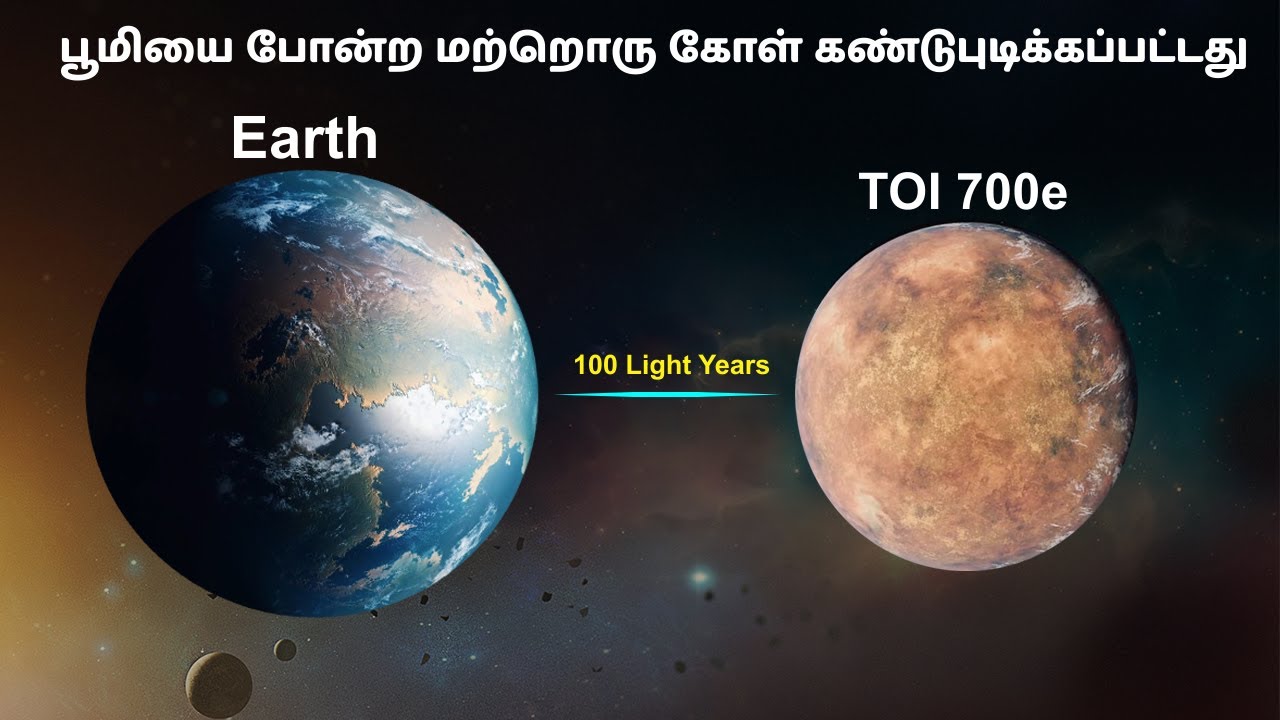
TOI 700 e is the latest planetary discovery in this solar system. In 2020, three other planets were also found orbiting the star TOI 700. Named TOI 700 b, TOI 700 c and TOI 700 d, they too are believed to orbit within the so-called optimistic habitable zone.
TOI 700 is a red dwarf 101.4 light-years away from Earth located in the Dorado constellation that hosts TOI 700 d, the first Earth-sized exoplanet in the habitable zone discovered by the Transiting Exoplanet Survey Satellite.
TOI-700 d is a super Earth exoplanet that orbits an M-type star. Its mass is 1.25 Earths, it takes 37.4 days to complete one orbit of its star, and is 0.1633 AU from its star. Its discovery was announced in 2020.
Regards,
Vaan Veli
#nasa #earth #superearths #space #whatif #science #planets #planets #universe #exoplanets #habitableplanets #earthlikeplanets #superearth2.0 #superearthtamil #superearthplanettamil #exoplanettamil #howmanyexoplanetsarethere #habitablezone #tamil #vaanveli #gk #earth2.0 #betterthanearth #earthtamil #newearth #earth2 #intamil #toi700e #toi-700e #toi700 #toi700esuperearth #toi700eplanet #toi700star #toi700eintamil #toi700esize #toi #vaanveli
Hi everyone,
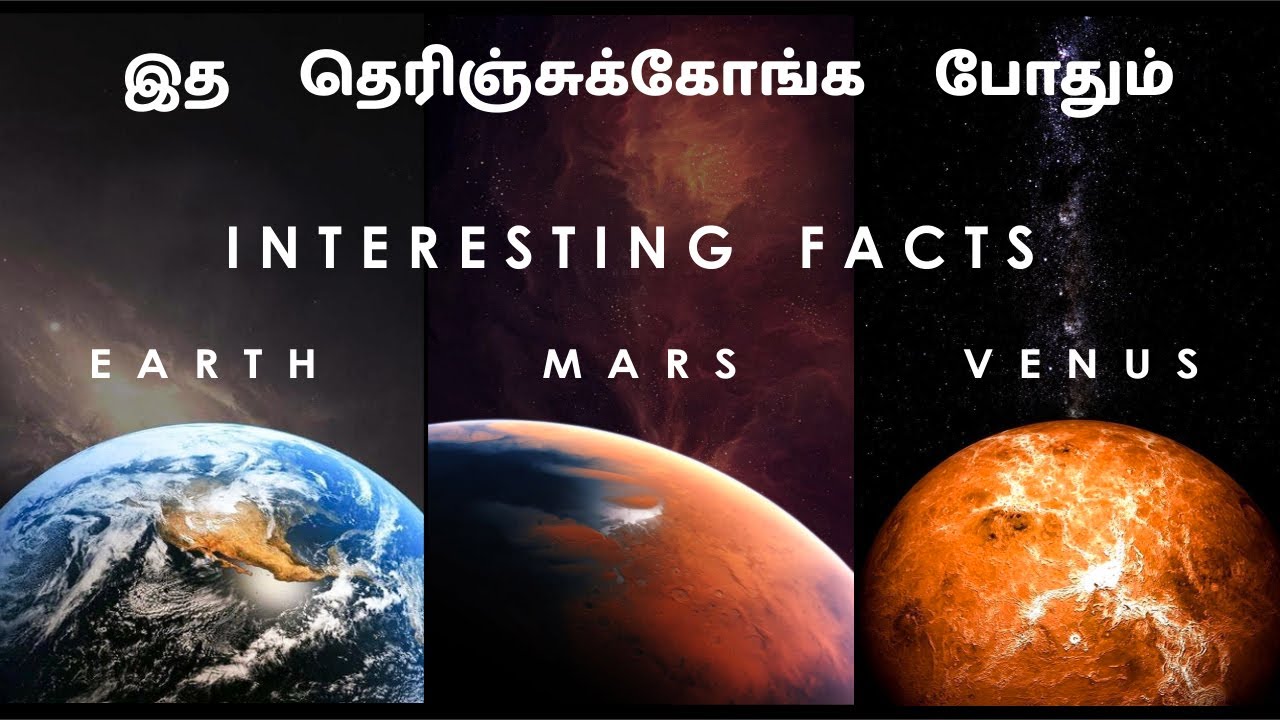
We think we know everything about our home planet, but we couldn’t be more wrong. Scientists have already discovered a lot about the Universe, but they believe there is still much more to learn about our planet. You’ll be amazed when you find out how much you have yet to learn about our home planet, let’s start with 45 unknown earth facts.
Summary:
1. There weren't always several continents
2. Some 300 million years ago, there was just one continent. A massive
supercontinent called Pangaea. And thus, there was just one giant sea,
called Panthalassa.
3. Our solar system is 4.57 billion years old.
4. Researches calculate that the earth is approximately 4.54 billion years old,
that is insanely old.
5. The earth is approximately 93 million miles (150million kilometres) from
the Sun. It makes about 8 minutes and 19 seconds for sunlight to reach our
planet.
6. Earth's gravity isn't uniform
7. Because of imbalance gravity/centrifugal force at the equator coupled with
the speed that the earth is spinning. Our planet is not a perfect sphere. it is
slightly bulging out in the middle.
9. Our poles switch. our planet has settled into a pattern of a pole reversal
about every 2,00,000 to 3,00,000 years.
10.The circumference of the globe is 24,901 miles (40,075 kilometres)
11.The earth isn't just spinning in place, its zipping around the sun at a rate of
67,000miles (107.826 kilometres) per hour.
12. Earth's icy times
13. In the past, sea levels were very different
14.The days are getting longer.
15.At the equator, you would weigh less than if standing at one of the poles.
16.Depending on where you are on the globe, you could be spinning through
the space at just over 1,000 miles per hour.
17.Hudson Bay, Canada, has lower gravity than other regions of the earth.
18.The Pacific Ocean is huge; it covers an area of about 59 million square
miles (155 million square kilometres) and containing more than the half of
the free water on earth.
21.Coral reefs support the most species per unit. Area of any of the planet's
ecosystems, rivalling rain forests.
22.Researchers believe that at one point, we had two moons. our second moon would have been about 750 miles orbited the earth in the past.
23.We always see the same side of the Moon, no matter where we stand on Earth.
24.The moon is not Earth's only companion
25.The lowest point on earth that is ' on land' is the dead sea
26.The driest place on Earth
27.El Aziziya, Libya holds the record for the hottest place on earth. According
to NASA, it hit 136 degrees Fahrenheit (57.8 degrees Celsius) on
September 13, 1922.
28.The lowest temperature ever recorded on earth came from Russia's Vostok station
29.The calm before the storm
30.A single stroke of lightning can heat the air to around 54,000 degrees
31.Our sun has a voracious appetite
32.Only 5% of the universe is visible from Earth.
33.Earth is one of the four terrestrial planets: like Mercury, Venus, and Mars. It is rocky at the surface.
34.In our solar system that are 4 planets known as gas giants: Jupiter, Saturn, Uranus & Neptune.
35. Mercury & Venus are the only 2 planets in our solar system that have no moons.
37.The hottest planet in the solar system is Venus with an average temperature
of 464 degree Celsius
38. The coldest planet in the solar system is Pluto with an average
temperature of -225 degree Celsius.
39.The Sun weighs about 330,000 times more than Earth.
41.Pluto is smaller than the United States
#top10 #facts #amazing #interestingfacts #coolfacts #amazingfacts #interestingfactsabouttheworld #solarsystem #earth #moon #sun #factsaboutspace #factsintamil #factsthatwillshockyou #brightsidevideos #factsaboutearth #factsaboutworld #factsabouttheearth #twomoons #interestingvideos #mysteriousworld #rarefacts #factsyoumustknow #shockingfacts #factsaboutsolarsystem #scientificfacts #brightside #mars #vaanveli #tamil #mysterybrightside #brightsidefacts
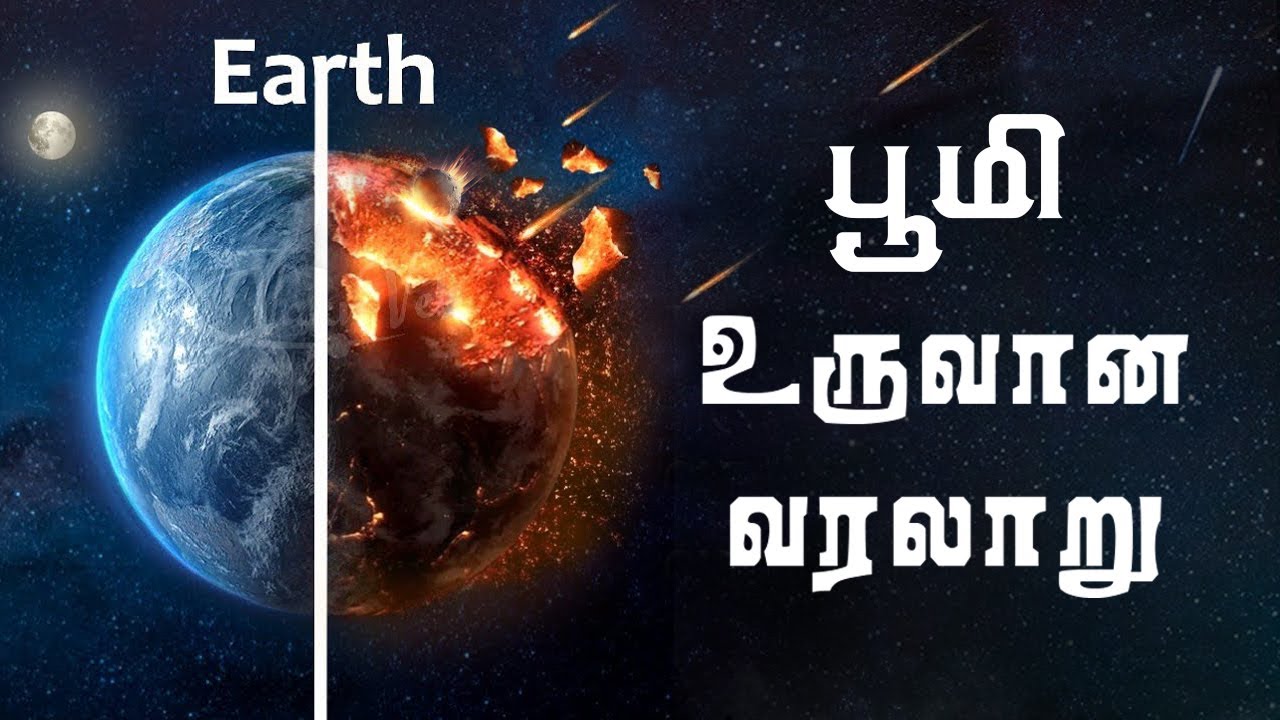
460 கோடி ஆண்டுகளுக்கு முன் நம் பூமி உருவாகி அதன் பின் தற்போதைய நிலைக்கு மாறிய விளக்கம் இந்த காட்சியில் தமிழில் கூறப்பட்டுள்ளது . உங்களுடைய கருத்துக்களை கீழ் தெரிவிக்கலாம் நன்றி.
#பூமிஉருவானவரலாறு #earth #human #history #earth, #universe #humanevolution #cretaceous #dinosaur #ourplanet #historyofearthtamil #evolution #பூமிஉருவானவரலாறு #earthhistory #humanhistory #earth #universe #humanevolution #earthtamil #vaanveli #ulagam #humanevolutionanimation #earthhistoryintamil #earthhistoryanimation #earthdocumentary #cretaceous #dinosaur #moon #science #earthandmoon #earthandsun #extinsion #howtheearthwasmade #climatechange #whatif #dinosaurs #historyoftheworld #naturaldisasters #ourplanet #historyofearthtamil #evolution #evolutionofhuman #humanevolutionexplained #vaanveli #vaan_veli #earthfacts #earthhistory #shorts #whatif
