#earthhistory

Dear Friends,
Vaan Veli 1st year anniversary,
நம் வான்வெளி youtube சேனல் ஆரம்பித்து இன்றுடன் ஒரு வருடம் ஆகின்றது, ஆதரவு தந்த அணைத்து நல்ல உள்ளங்களுக்கும், குடும்பத்தினருக்கும், நண்பர்களுக்கும் மனமார்ந்த நன்றி .
Good day, everyone. Our VaanVeli YouTube channel has been running for a year. I am eternally grateful to each and every one of you. Thanks to all my subscribers, commenters, friends, family members and who are all suppoted me and im really thank you from the bottom of my heart, thank you again.
Please continue to support me.
Regards,
VaanVeli
#earthhistory #earth2 #earth #universe #earthtamil #vaanveli #ulagam #earthhistoryintamil #dinosaur #moon #science #earthandmoon #earthandsun #extinsion #whatif #dinosaurs #ourplanet #vaanveli #vaanveli #vaanveli #vaanveli #vaanveli1styearanniversary #vaanvelianniversaryvideo #vaanvelivideos #vaanvelichannel #vaanvelitamil #universevideos #galaxyvideos #milkywaygalaxytamil #thankingvideoforsubscribers #anniversaryvideoforsubscribers #top10 #tamil #volcano

History of our planet EARTH, 460 கோடி ஆண்டுகளுக்கு முன் நம் பூமி உருவாகி அதன் பின் தற்போதைய நிலைக்கு மாறிய விளக்கம் இந்த காட்சியில் தமிழில் கூறப்பட்டுள்ளது . உங்களுடைய கருத்துக்களை கீழ் தெரிவிக்கலாம் நன்றி.
Earth's formation (4.54 billion years ago): The Earth was formed from the dust and gas that surrounded the newborn Sun. The accretion process involved smaller particles colliding and sticking together to form larger bodies, eventually culminating to the formation of the Earth.
2. Hadean Eon (4.54 to 4 billion years ago): Earth was characterized by extreme heat and numerous asteroid collisions throughout this eon. The first oceans formed, and the atmosphere began to form.
Earth History in Tamil, Earth History, History of earth, How earth formed , History of our universe,
Regards,
Vaan Veli
Santhosh
#பூமிஉருவானவரலாறு #earth #human #history #earth, #universe #humanevolution #cretaceous #dinosaur #ourplanet #historyofearthtamil #evolution #பூமிஉருவானவரலாறு #earthhistory #earth #earthtamil #vaanveli #ulagam #earthhistoryintamil #earthhistoryanimation #earthdocumentary #moon #science #earthandmoon #earthandsun #extinsion #howtheearthwasmade #climatechange #whatif #dinosaurs #historyoftheworld #naturaldisasters #ourplanet #historyofearthtamil #humanevolutionexplained #vaanveli #vaan_veli #earthfacts #earthhistory #shorts

The History of first life on our planet,
The earliest life on Earth is thought to have arisen around 3.5 to 4 billion years ago. The exact timeframe is difficult to pinpoint exactly due to the scarcity of geological and fossil data from that far period. The fossilized remnants of microbes such as bacteria and archaea provide the oldest evidence of life.
These early life forms were single-celled creatures that most likely lived in hydrothermal vents or shallow, warm oceans. The early Earth's atmosphere was significantly different from today's, with high amounts of gases such as methane, ammonia, and water vapor. Life is supposed to have originated when these basic creatures discovered the capacity to gather energy from their surroundings and reproduce.
Earth history, Human history, Earth History in tamil, History of earth, History of our life, Human evoluation
#earthhistory #historyofourearth #humanhistory #humanevolution
Regards,
Vaan Veli
Santhosh
Follows on Facebook : https://www.facebook.com/vaanveli1
Follows on Instagram : https://www.instagram.com/vaan_veli
Disclaimer:
This channel does not offer financial advice. All information on this channel is offered solely for educational and informational reasons. This channel does not guarantee that you will be able to generate money online using the method presented in the video. Your level of success in achieving the outcomes indicated in the video will involve hard work, aptitude, learning and experience. Before investing or joining any such site, this channel strongly suggested you to conduct thorough investigation.
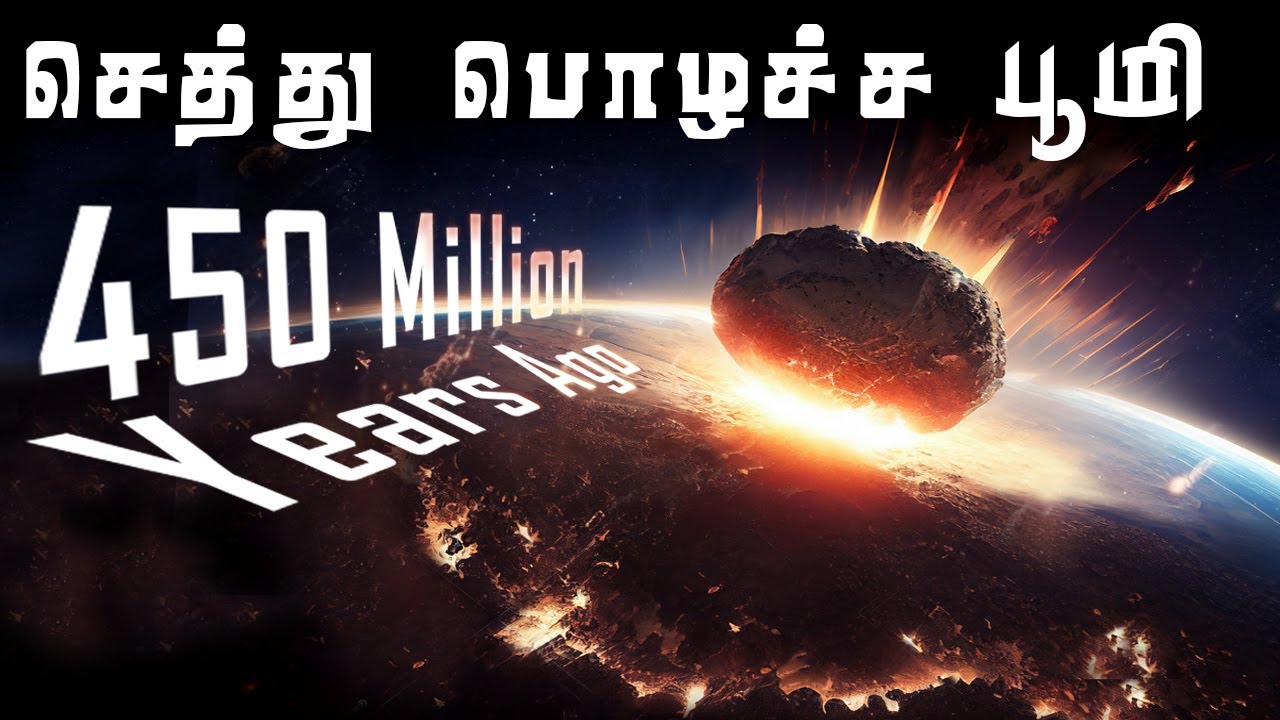
Top Five Extinctions
Ordovician-silurian Extinction: 440 million years ago.
Devonian Extinction: 365 million years ago.
Permian-triassic Extinction: 250 million years ago.
Triassic-jurassic Extinction: 210 million years ago.
Cretaceous-tertiary Extinction: 65 million Years Ago.
Hi,
செத்து பொழச்ச பூமி JUST MISS | Dark Side of the Earth | பூமியின் வரலாறு
நம் பூமி உருவானபோ பல பேரழிவுகளை சந்தித்துள்ளது அதே போல் உயிரினங்கள் எப்படி உருவானது மற்றும் ஏற்பட்ட பேரழிவுகளால் உயிரினங்கள் எப்படி அழிந்தது , அனைத்தையும் நாம் இந்த பதிவில் தெரிந்துகொள்ளலாம்
Approximately 485.4 million to 443.8 million years ago. Here are some key points about the Ordovician period:
Sea Life: The Ordovician is known for the diversification of marine life. It saw the proliferation of various marine organisms, including trilobites, brachiopods, cephalopods, and early fish. Some of the first jawed fish appeared during this period.
Mass Extinction: Toward the end of the Ordovician period, there was a significant mass extinction event known as the Ordovician-Silurian extinction event. It is considered one of the Big Five mass extinctions in Earth's history
Continental Drift: During the Ordovician, the continents were positioned differently than they are today due to the process of plate tectonics.
Devonian extinction:
Timing: The Late Devonian extinction occurred over several million years, spanning the later part of the Devonian period. It's not a single, sudden event like some other mass extinctions.
Affected Organisms: The Devonian extinction primarily affected marine life. It had a particularly significant impact on marine organisms like corals, trilobites, brachiopods, and various types of jawless fish. Some groups, however, such as ammonoids, bony fish, and certain types of sharks, survived the extinction relatively unscathed.
Volcanic Activity: Intense volcanic activity could have released greenhouse gases into the atmosphere, leading to global warming and changes in ocean chemistry.
The Permian-Triassic extinction event, also known as the "Great Dying," is one of the most devastating mass extinctions in Earth's history. It occurred approximately 252 million years ago, marking the boundary between the Permian and Triassic periods. Here are key details about this catastrophic event:
Extent of Extinction: The Permian-Triassic extinction event is considered the most severe mass extinction event in Earth's history. It resulted in the loss of an estimated 90-96% of marine species and around 70% of terrestrial vertebrate species. It affected life on both land and in the oceans.
Volcanic Activity: One leading hypothesis is that extensive volcanic eruptions in an area now known as the Siberian Traps released massive amounts of lava and greenhouse gases. This led to significant global warming, acid rain, and changes in ocean chemistry, contributing to the environmental stress.
The Triassic-Jurassic extinction event is one of the five major mass extinctions in Earth's history, occurring approximately 201 million years ago, at the boundary between the Triassic and Jurassic periods. Here are key details about this extinction event:
Causes: The exact causes of the Triassic-Jurassic extinction are still debated among scientists, but several contributing factors have been proposed:
Volcanic Activity: Intense volcanic activity, particularly the eruption of the Central Atlantic Magmatic Province (CAMP), released large volumes of lava and greenhouse gases into the atmosphere. This led to global warming, ocean acidification, and changes in climate patterns.
Cretaceous-tertiary Extinction:
It occurred approximately 66 million years ago at the boundary between the Cretaceous and Tertiary (now known as the Paleogene) periods. Here are key details about this extinction event:
Extent of Extinction: The K-T extinction event resulted in the extinction of an estimated 75% of Earth's species, including many marine and terrestrial organisms. It is perhaps most famously known for causing the extinction of the non-avian dinosaurs.
Effects on Marine Life: Marine ecosystems experienced significant losses during the K-T extinction. Many marine reptiles, ammonites, and other marine species went extinct. Some groups, such as mammals, crocodiles, and some types of fish, survived the event.
நன்றி
Regards,
Vaan Veli
Santhosh
Follows on Facebook : https://www.facebook.com/vaanveli1
Follows on Instagram : https://www.instagram.com/vaan_veli
#பூமிஉருவானவரலாறு #earthhistory #humanhistory #earth #universe #earthtamil #vaanveli #earthhistoryintamil #earthdocumentary #cretaceous #dinosaur #moon #science #climatechange #naturaldisasters #ourplanet #historyofearthtamil #evolution #evolutionofhuman #humanevolutionexplained #vaanveli #ordovicianextinction #devonianextinction #permiantriassicextinction #triassicextinction #cretaceousextinction #5extinctionsofearth #5extinction #5extinctionsintamil

Hi, பூமியில் நீர் எப்படி உருவானது தெரியுமா ?
Saltwater: Approximately 97.5% of the world's water is in the form of saltwater, found in oceans and seas.
Freshwater: The remaining 2.5% of the world's water is freshwater, which is found in various forms, including:
a. Surface Water: This includes water in lakes, rivers, and other surface water bodies. These sources make up only a small fraction of the total freshwater on Earth.
b. Groundwater: Most of the world's freshwater is stored underground in aquifers. Groundwater is a crucial source of drinking water and is also used for irrigation and industrial purposes.
c. Ice: A significant portion of freshwater is stored in the form of ice in glaciers and polar ice caps.
d. Atmosphere: Water vapor in the atmosphere is also considered part of the Earth's freshwater resources, although it is relatively small in comparison to other forms.
Regards,
Vaan Veli
Santhosh
Follows on Facebook : https://www.facebook.com/vaanveli1
Follows on Instagram : https://www.instagram.com/vaan_veli
#vaanveli #vaan_veli #universe #solarsystem #earth #tamil #water #wateronearth #wateronearthintamil #howmuchwaterinourearth #freshwater #saltwater #howmuchsaltwaterinourearth #howwaterarecreated #howwatercameonearth #howwatercametoearth #waterintamil #71%ofwater #howmanypercentageofwaterintheearth #howmanyprecentageoflandinourearth #landvswatercomparison #earthhistory #waterhistory #starborn #howplanetsareformed #intamil
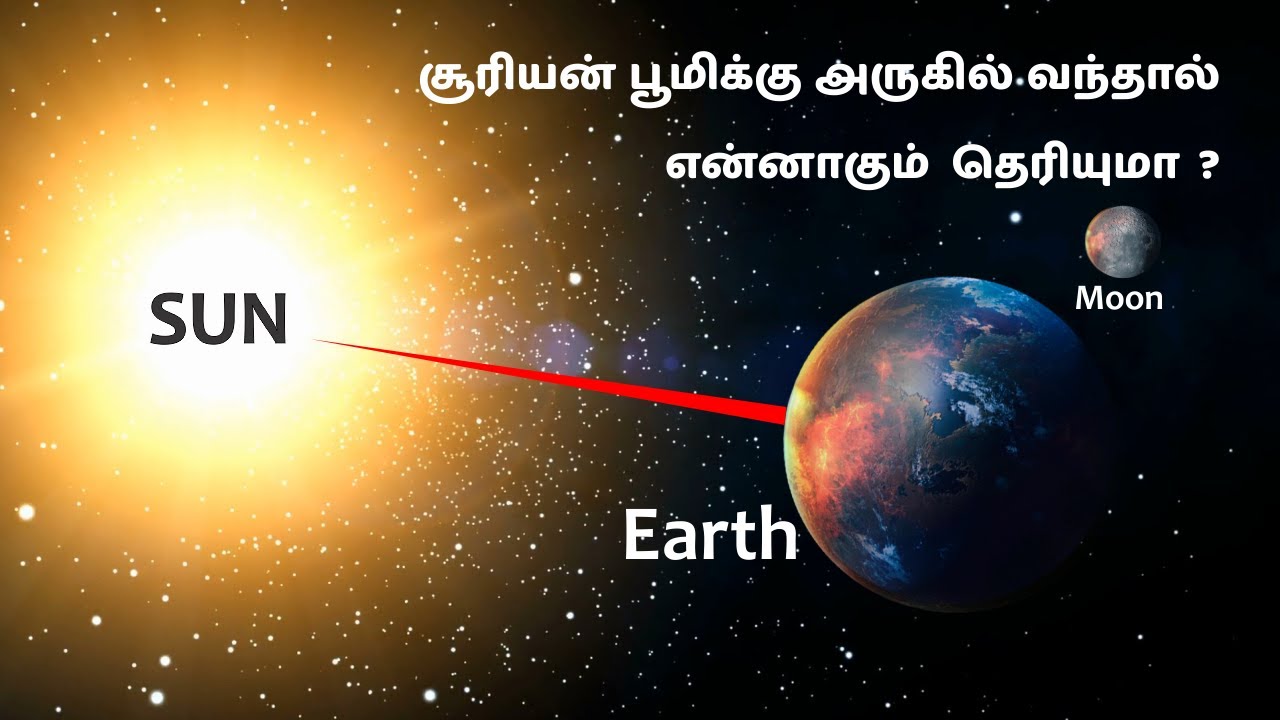
There would be enormous and maybe disastrous effects on our planet and all life on it if the Sun were to move closer to us. However, it is important to make clear that the Sun's distance from Earth is largely steady because of the balance of gravitational forces between the Sun and the planets, including Earth, before we consider the hypothetical scenario. There is almost no likelihood that such an event will occur.
Having said that, let's look at some possible effects of a closer Sun:
Temperature increases: As the Sun approaches Earth, more solar radiation will enter our globe, raising temperatures. This would cause temperatures to significantly rise, resulting in intense heat waves and a surge in the frequency of illnesses and fatalities brought on by the heat. Oceans and the surface of the Earth would warm, affecting habitats and ecosystems.
Rising Sea Levels and Melting Ice Caps: The warmer temperatures would hasten the melting of polar glaciers and ice caps, which would raise the sea level. Flooding would be a possibility in low-lying islands and coastal areas, displacing millions of people and resulting in significant ecological changes.
Global weather patterns would probably shift as a result of a closer Sun since it would probably change atmospheric circulation patterns. While some areas might experience more severe storms, others would endure protracted droughts that have an impact on agriculture and water supplies.
Many plant and animal species have evolved to survive in particular temperature ranges, which has a significant impact on biodiversity. Rapid and large temperature rises have the potential to cause widespread habitat loss and catastrophic extinctions, which would destabilise ecosystems and decrease biodiversity.
Impact on Human civilisation: A closer Sun's effects would be very detrimental to human civilisation. Food shortages, water scarcities, and energy crises would result from the climate and environmental changes, which would also pose a threat to agriculture, water resources, and energy production. To adapt to such extreme changes, significant adaptation efforts would be necessary.
Possible Orbital Changes: The Sun and Earth's gravitational fields are delicately balanced, preserving the planet's stable orbit. A large shift in this equilibrium might potentially modify Earth's orbit, creating new problems and having long-term effects on the climate and habitability of our planet.
Regards,
Vaan Veli
#solarsystem #whatif #sun #solarsystemintamil #whatifsunwasclosertoearth #whatifthesungetsclosertotheearth? #sunfacts #sunfactsintamil #whatifsunenlarge #whatifsunexpand #whatisthesunage #vaanveli #tamil #top10 #science #suntoearthdistance #sundestroyearth #thesun #space #universe #planets #astronomy #spaceexploration #whatifsuncomesclosertoearth #sunfact #thesolarsystem #sunhistory #sunvideo #earthgoingtoend #earthhistory
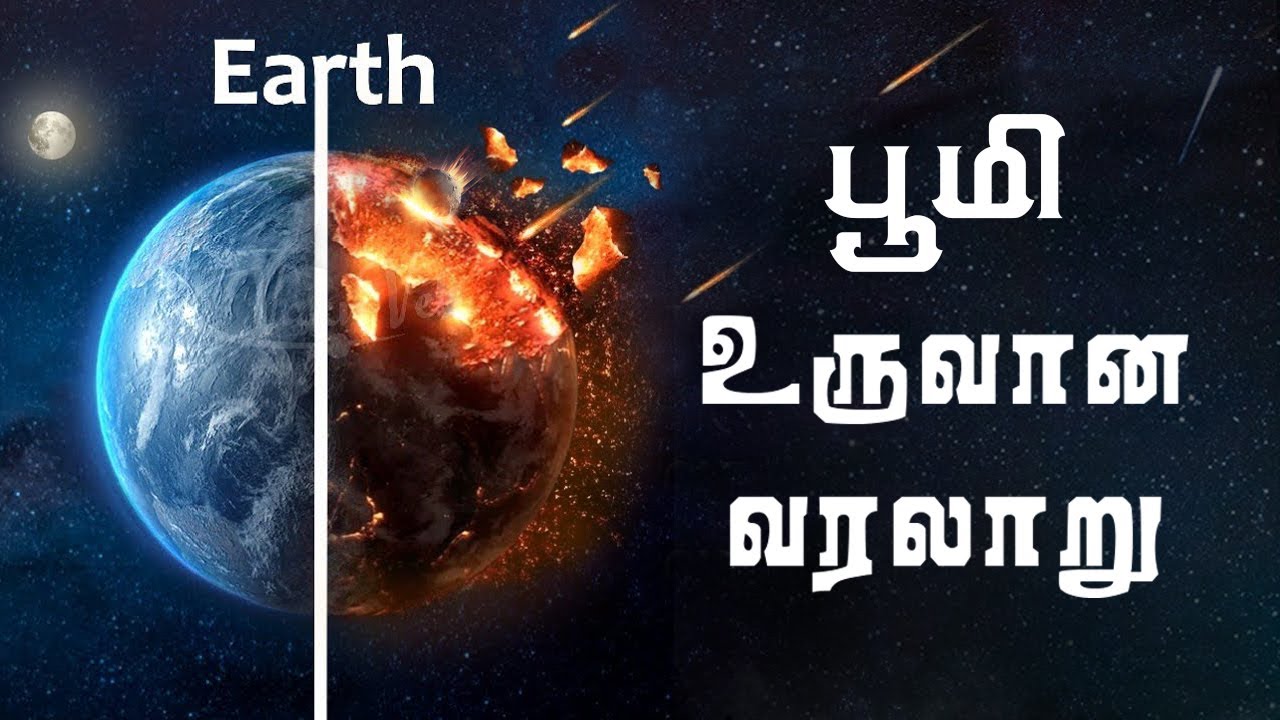
460 கோடி ஆண்டுகளுக்கு முன் நம் பூமி உருவாகி அதன் பின் தற்போதைய நிலைக்கு மாறிய விளக்கம் இந்த காட்சியில் தமிழில் கூறப்பட்டுள்ளது . உங்களுடைய கருத்துக்களை கீழ் தெரிவிக்கலாம் நன்றி.
#பூமிஉருவானவரலாறு #earth #human #history #earth, #universe #humanevolution #cretaceous #dinosaur #ourplanet #historyofearthtamil #evolution #பூமிஉருவானவரலாறு #earthhistory #humanhistory #earth #universe #humanevolution #earthtamil #vaanveli #ulagam #humanevolutionanimation #earthhistoryintamil #earthhistoryanimation #earthdocumentary #cretaceous #dinosaur #moon #science #earthandmoon #earthandsun #extinsion #howtheearthwasmade #climatechange #whatif #dinosaurs #historyoftheworld #naturaldisasters #ourplanet #historyofearthtamil #evolution #evolutionofhuman #humanevolutionexplained #vaanveli #vaan_veli #earthfacts #earthhistory #shorts #whatif
