#earthtamil

Dear Friends,
Vaan Veli 1st year anniversary,
நம் வான்வெளி youtube சேனல் ஆரம்பித்து இன்றுடன் ஒரு வருடம் ஆகின்றது, ஆதரவு தந்த அணைத்து நல்ல உள்ளங்களுக்கும், குடும்பத்தினருக்கும், நண்பர்களுக்கும் மனமார்ந்த நன்றி .
Good day, everyone. Our VaanVeli YouTube channel has been running for a year. I am eternally grateful to each and every one of you. Thanks to all my subscribers, commenters, friends, family members and who are all suppoted me and im really thank you from the bottom of my heart, thank you again.
Please continue to support me.
Regards,
VaanVeli
#earthhistory #earth2 #earth #universe #earthtamil #vaanveli #ulagam #earthhistoryintamil #dinosaur #moon #science #earthandmoon #earthandsun #extinsion #whatif #dinosaurs #ourplanet #vaanveli #vaanveli #vaanveli #vaanveli #vaanveli1styearanniversary #vaanvelianniversaryvideo #vaanvelivideos #vaanvelichannel #vaanvelitamil #universevideos #galaxyvideos #milkywaygalaxytamil #thankingvideoforsubscribers #anniversaryvideoforsubscribers #top10 #tamil #volcano

History of our planet EARTH, 460 கோடி ஆண்டுகளுக்கு முன் நம் பூமி உருவாகி அதன் பின் தற்போதைய நிலைக்கு மாறிய விளக்கம் இந்த காட்சியில் தமிழில் கூறப்பட்டுள்ளது . உங்களுடைய கருத்துக்களை கீழ் தெரிவிக்கலாம் நன்றி.
Earth's formation (4.54 billion years ago): The Earth was formed from the dust and gas that surrounded the newborn Sun. The accretion process involved smaller particles colliding and sticking together to form larger bodies, eventually culminating to the formation of the Earth.
2. Hadean Eon (4.54 to 4 billion years ago): Earth was characterized by extreme heat and numerous asteroid collisions throughout this eon. The first oceans formed, and the atmosphere began to form.
Earth History in Tamil, Earth History, History of earth, How earth formed , History of our universe,
Regards,
Vaan Veli
Santhosh
#பூமிஉருவானவரலாறு #earth #human #history #earth, #universe #humanevolution #cretaceous #dinosaur #ourplanet #historyofearthtamil #evolution #பூமிஉருவானவரலாறு #earthhistory #earth #earthtamil #vaanveli #ulagam #earthhistoryintamil #earthhistoryanimation #earthdocumentary #moon #science #earthandmoon #earthandsun #extinsion #howtheearthwasmade #climatechange #whatif #dinosaurs #historyoftheworld #naturaldisasters #ourplanet #historyofearthtamil #humanevolutionexplained #vaanveli #vaan_veli #earthfacts #earthhistory #shorts
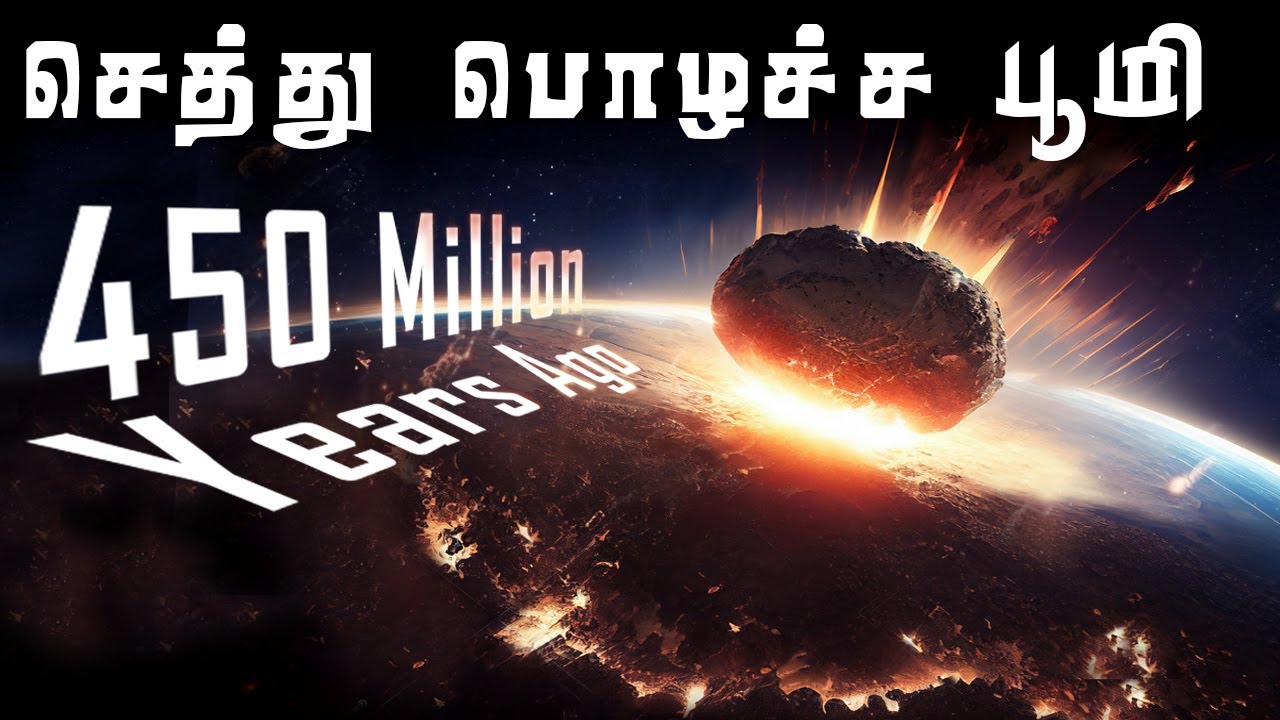
Top Five Extinctions
Ordovician-silurian Extinction: 440 million years ago.
Devonian Extinction: 365 million years ago.
Permian-triassic Extinction: 250 million years ago.
Triassic-jurassic Extinction: 210 million years ago.
Cretaceous-tertiary Extinction: 65 million Years Ago.
Hi,
செத்து பொழச்ச பூமி JUST MISS | Dark Side of the Earth | பூமியின் வரலாறு
நம் பூமி உருவானபோ பல பேரழிவுகளை சந்தித்துள்ளது அதே போல் உயிரினங்கள் எப்படி உருவானது மற்றும் ஏற்பட்ட பேரழிவுகளால் உயிரினங்கள் எப்படி அழிந்தது , அனைத்தையும் நாம் இந்த பதிவில் தெரிந்துகொள்ளலாம்
Approximately 485.4 million to 443.8 million years ago. Here are some key points about the Ordovician period:
Sea Life: The Ordovician is known for the diversification of marine life. It saw the proliferation of various marine organisms, including trilobites, brachiopods, cephalopods, and early fish. Some of the first jawed fish appeared during this period.
Mass Extinction: Toward the end of the Ordovician period, there was a significant mass extinction event known as the Ordovician-Silurian extinction event. It is considered one of the Big Five mass extinctions in Earth's history
Continental Drift: During the Ordovician, the continents were positioned differently than they are today due to the process of plate tectonics.
Devonian extinction:
Timing: The Late Devonian extinction occurred over several million years, spanning the later part of the Devonian period. It's not a single, sudden event like some other mass extinctions.
Affected Organisms: The Devonian extinction primarily affected marine life. It had a particularly significant impact on marine organisms like corals, trilobites, brachiopods, and various types of jawless fish. Some groups, however, such as ammonoids, bony fish, and certain types of sharks, survived the extinction relatively unscathed.
Volcanic Activity: Intense volcanic activity could have released greenhouse gases into the atmosphere, leading to global warming and changes in ocean chemistry.
The Permian-Triassic extinction event, also known as the "Great Dying," is one of the most devastating mass extinctions in Earth's history. It occurred approximately 252 million years ago, marking the boundary between the Permian and Triassic periods. Here are key details about this catastrophic event:
Extent of Extinction: The Permian-Triassic extinction event is considered the most severe mass extinction event in Earth's history. It resulted in the loss of an estimated 90-96% of marine species and around 70% of terrestrial vertebrate species. It affected life on both land and in the oceans.
Volcanic Activity: One leading hypothesis is that extensive volcanic eruptions in an area now known as the Siberian Traps released massive amounts of lava and greenhouse gases. This led to significant global warming, acid rain, and changes in ocean chemistry, contributing to the environmental stress.
The Triassic-Jurassic extinction event is one of the five major mass extinctions in Earth's history, occurring approximately 201 million years ago, at the boundary between the Triassic and Jurassic periods. Here are key details about this extinction event:
Causes: The exact causes of the Triassic-Jurassic extinction are still debated among scientists, but several contributing factors have been proposed:
Volcanic Activity: Intense volcanic activity, particularly the eruption of the Central Atlantic Magmatic Province (CAMP), released large volumes of lava and greenhouse gases into the atmosphere. This led to global warming, ocean acidification, and changes in climate patterns.
Cretaceous-tertiary Extinction:
It occurred approximately 66 million years ago at the boundary between the Cretaceous and Tertiary (now known as the Paleogene) periods. Here are key details about this extinction event:
Extent of Extinction: The K-T extinction event resulted in the extinction of an estimated 75% of Earth's species, including many marine and terrestrial organisms. It is perhaps most famously known for causing the extinction of the non-avian dinosaurs.
Effects on Marine Life: Marine ecosystems experienced significant losses during the K-T extinction. Many marine reptiles, ammonites, and other marine species went extinct. Some groups, such as mammals, crocodiles, and some types of fish, survived the event.
நன்றி
Regards,
Vaan Veli
Santhosh
Follows on Facebook : https://www.facebook.com/vaanveli1
Follows on Instagram : https://www.instagram.com/vaan_veli
#பூமிஉருவானவரலாறு #earthhistory #humanhistory #earth #universe #earthtamil #vaanveli #earthhistoryintamil #earthdocumentary #cretaceous #dinosaur #moon #science #climatechange #naturaldisasters #ourplanet #historyofearthtamil #evolution #evolutionofhuman #humanevolutionexplained #vaanveli #ordovicianextinction #devonianextinction #permiantriassicextinction #triassicextinction #cretaceousextinction #5extinctionsofearth #5extinction #5extinctionsintamil

Hi,
In this video, we're going to talk about Super Earth, a planet that's better than Earth. We'll discuss the advantages of living on Super Earth, and why you should want to live on this planet.
If you're looking for a better planet to live on, then you should check out Super Earth. Super Earth has a lot of advantages over Earth, including a much better environment and a much higher standard of living. In this video, we'll discuss these advantages and why you should want to live on Super Earth!
Regards,
Vaan Veli
Santhosh
Follows on Facebook : https://www.facebook.com/vaanveli1
Follows on Instagram : https://www.instagram.com/vaan_veli
#betterthanourearth
#பூமியைபோன்றகோள்கள்
#பூமி
#betterthanearth
#superearthplanet #superearthnewplanetsfound #nasa #earth #superearth #exoplanet #space #whatif #science #keplerplanet #planet #planets #theuniverse #exoplanets #habitableplanets #earthlikeplanets #earthlikeplanet #exoplanetslikeearth #superearth2.0 #superearthtamil #superearthplanettamil #exoplanettamil #howmanyexoplanetsarethere #aliens #habitablezone #tamil #vaanveli #gk #gktamil #top10superearth #kepler454b #earth2 #betterthanearth #earthtamil #blackhole #moon #solarsystem #volcano #earth2.0
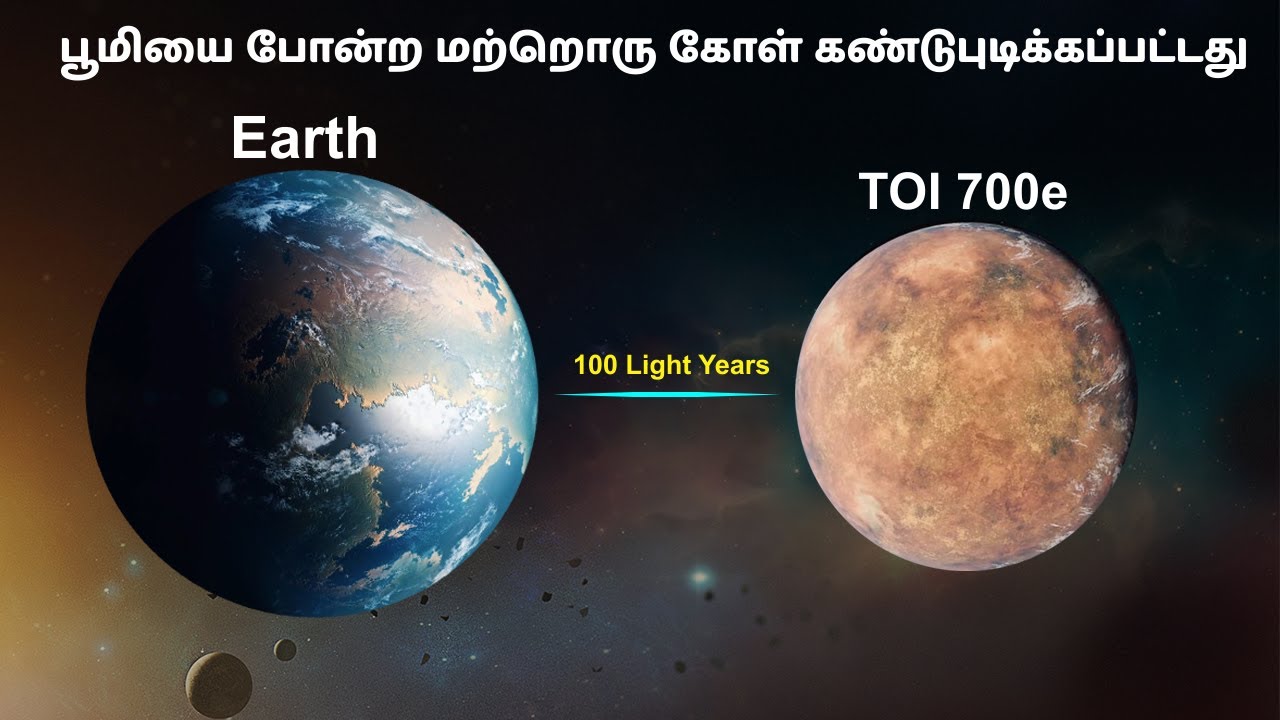
TOI 700 e is the latest planetary discovery in this solar system. In 2020, three other planets were also found orbiting the star TOI 700. Named TOI 700 b, TOI 700 c and TOI 700 d, they too are believed to orbit within the so-called optimistic habitable zone.
TOI 700 is a red dwarf 101.4 light-years away from Earth located in the Dorado constellation that hosts TOI 700 d, the first Earth-sized exoplanet in the habitable zone discovered by the Transiting Exoplanet Survey Satellite.
TOI-700 d is a super Earth exoplanet that orbits an M-type star. Its mass is 1.25 Earths, it takes 37.4 days to complete one orbit of its star, and is 0.1633 AU from its star. Its discovery was announced in 2020.
Regards,
Vaan Veli
#nasa #earth #superearths #space #whatif #science #planets #planets #universe #exoplanets #habitableplanets #earthlikeplanets #superearth2.0 #superearthtamil #superearthplanettamil #exoplanettamil #howmanyexoplanetsarethere #habitablezone #tamil #vaanveli #gk #earth2.0 #betterthanearth #earthtamil #newearth #earth2 #intamil #toi700e #toi-700e #toi700 #toi700esuperearth #toi700eplanet #toi700star #toi700eintamil #toi700esize #toi #vaanveli
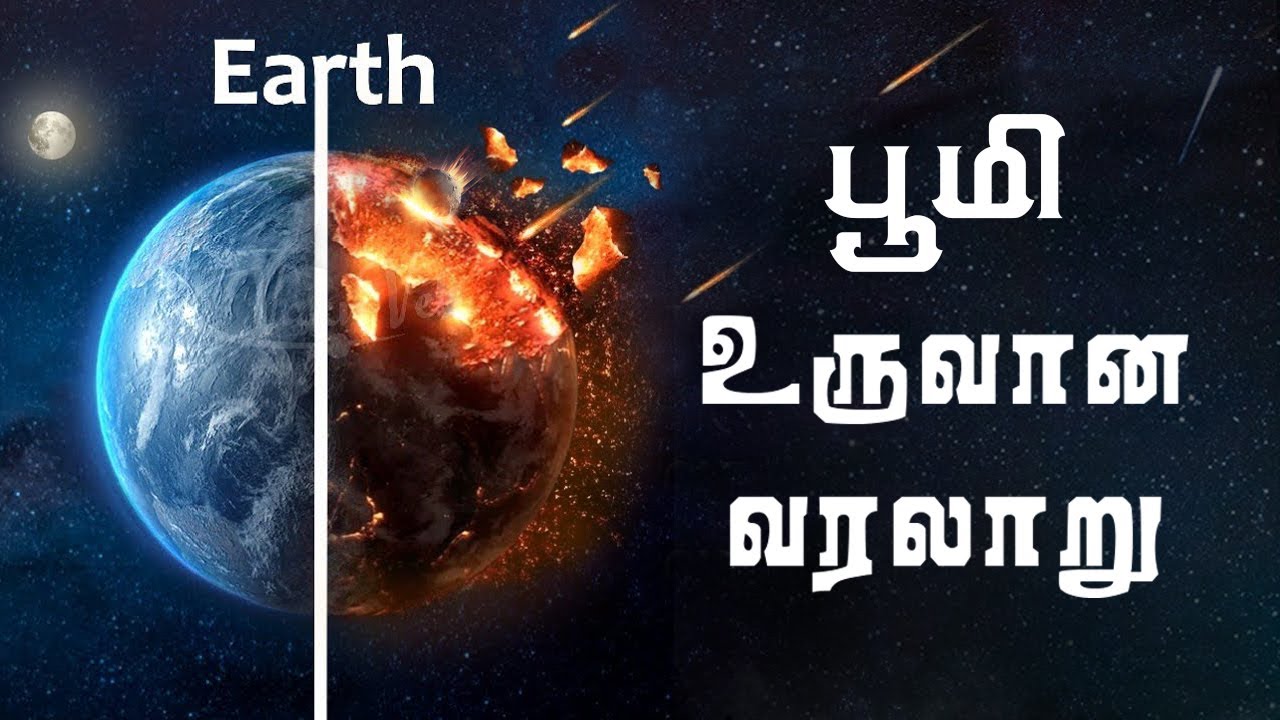
460 கோடி ஆண்டுகளுக்கு முன் நம் பூமி உருவாகி அதன் பின் தற்போதைய நிலைக்கு மாறிய விளக்கம் இந்த காட்சியில் தமிழில் கூறப்பட்டுள்ளது . உங்களுடைய கருத்துக்களை கீழ் தெரிவிக்கலாம் நன்றி.
#பூமிஉருவானவரலாறு #earth #human #history #earth, #universe #humanevolution #cretaceous #dinosaur #ourplanet #historyofearthtamil #evolution #பூமிஉருவானவரலாறு #earthhistory #humanhistory #earth #universe #humanevolution #earthtamil #vaanveli #ulagam #humanevolutionanimation #earthhistoryintamil #earthhistoryanimation #earthdocumentary #cretaceous #dinosaur #moon #science #earthandmoon #earthandsun #extinsion #howtheearthwasmade #climatechange #whatif #dinosaurs #historyoftheworld #naturaldisasters #ourplanet #historyofearthtamil #evolution #evolutionofhuman #humanevolutionexplained #vaanveli #vaan_veli #earthfacts #earthhistory #shorts #whatif
