#astronomy

Vaan Veli
38 Просмотры · 6 месяцы тому назад

இரண்டு சூரியன் கொண்ட ஒரு கிரகம் | Binary Star Planet VHS1256B

VHS 1256 b is located in the constellation Corvus, approximately 40 light-years away. It orbits not one, but two stars that are in close proximity to one another. The planet is roughly four times as far away from its stars as Pluto is from our Sun.

Binary star systems are systems where two stars are in orbit around a common center of mass. These systems can be quite diverse in terms of the types of stars involved, their separation, and other characteristics.

The combination of variations in the brightness of the planet over time and the varied cloud layers in the spectrum suggest to tumultuous weather on VHS 1256 b. "These observations show that the planet's cloud patterns change fairly quickly," Beth Biller of the University of Edinburgh in Scotland remarked. If the researchers took more and longer views of the planet, they would notice that the spectrum shape changes as the locations of the clouds change, indicating that the clouds are swiftly shifting through the planet's atmosphere throughout its 22-hour rotation.

Regards,
Vaan Veli
Santhosh

Follows on Facebook : https://www.facebook.com/vaanveli1
Follows on Instagram : https://www.instagram.com/vaan_veli


#binarystars #binarystarsystem #vhs1256b #vhs1256btamil #binarystarsystemintamil #binaryplanet #universe #thesun #system #earth #sun #solarsystem #star #stars #planets #astronomy #binary #twinstars #binaryandmuitiplestars #starsystem #whatisabinarystar #doublestars #binarystarsystemexplained #howdobinarystarsform #whatarebinarysystem #howdobinarystarsystemswork #multiplestars #doublestar #habitablezone #vaanveli #vaanveli #starintamil #gk #tamil

Vaan Veli
7 Просмотры · 6 месяцы тому назад

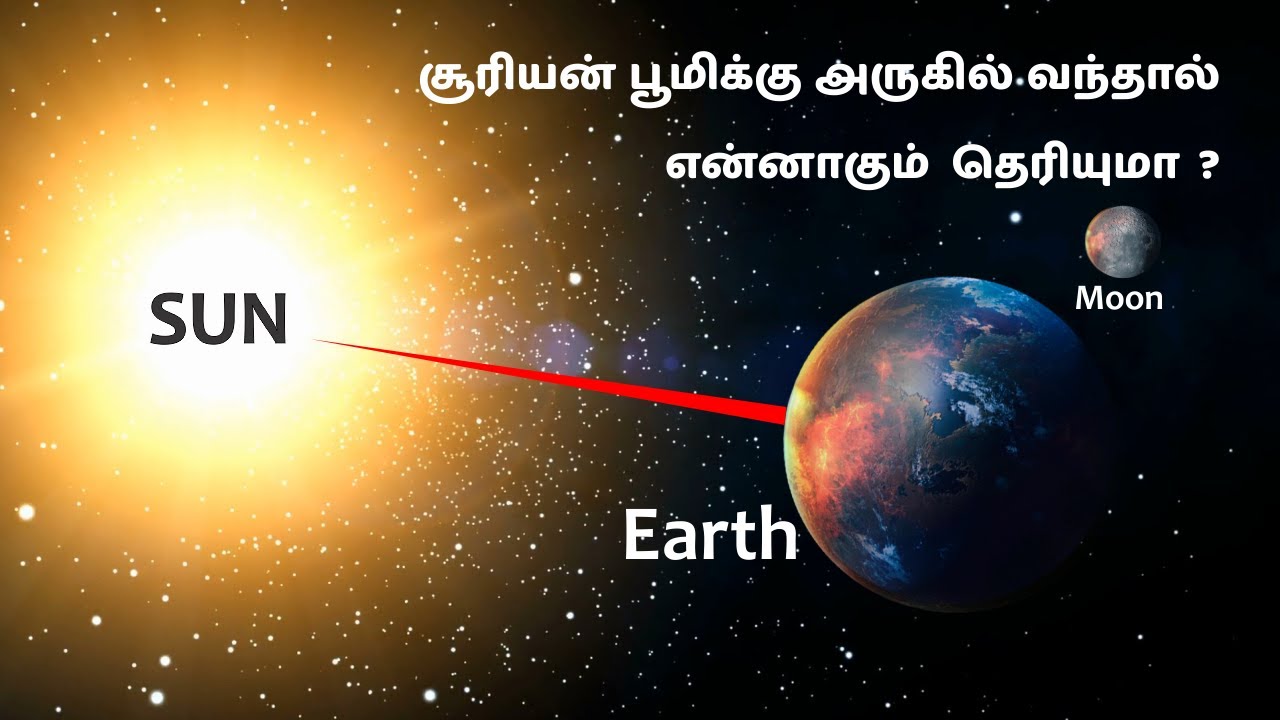
There would be enormous and maybe disastrous effects on our planet and all life on it if the Sun were to move closer to us. However, it is important to make clear that the Sun's distance from Earth is largely steady because of the balance of gravitational forces between the Sun and the planets, including Earth, before we consider the hypothetical scenario. There is almost no likelihood that such an event will occur.

Having said that, let's look at some possible effects of a closer Sun:

Temperature increases: As the Sun approaches Earth, more solar radiation will enter our globe, raising temperatures. This would cause temperatures to significantly rise, resulting in intense heat waves and a surge in the frequency of illnesses and fatalities brought on by the heat. Oceans and the surface of the Earth would warm, affecting habitats and ecosystems.

Rising Sea Levels and Melting Ice Caps: The warmer temperatures would hasten the melting of polar glaciers and ice caps, which would raise the sea level. Flooding would be a possibility in low-lying islands and coastal areas, displacing millions of people and resulting in significant ecological changes.

Global weather patterns would probably shift as a result of a closer Sun since it would probably change atmospheric circulation patterns. While some areas might experience more severe storms, others would endure protracted droughts that have an impact on agriculture and water supplies.

Many plant and animal species have evolved to survive in particular temperature ranges, which has a significant impact on biodiversity. Rapid and large temperature rises have the potential to cause widespread habitat loss and catastrophic extinctions, which would destabilise ecosystems and decrease biodiversity.

Impact on Human civilisation: A closer Sun's effects would be very detrimental to human civilisation. Food shortages, water scarcities, and energy crises would result from the climate and environmental changes, which would also pose a threat to agriculture, water resources, and energy production. To adapt to such extreme changes, significant adaptation efforts would be necessary.

Possible Orbital Changes: The Sun and Earth's gravitational fields are delicately balanced, preserving the planet's stable orbit. A large shift in this equilibrium might potentially modify Earth's orbit, creating new problems and having long-term effects on the climate and habitability of our planet.

Regards,
Vaan Veli


#solarsystem #whatif #sun #solarsystemintamil #whatifsunwasclosertoearth #whatifthesungetsclosertotheearth? #sunfacts #sunfactsintamil #whatifsunenlarge #whatifsunexpand #whatisthesunage #vaanveli #tamil #top10 #science #suntoearthdistance #sundestroyearth #thesun #space #universe #planets #astronomy #spaceexploration #whatifsuncomesclosertoearth #sunfact #thesolarsystem #sunhistory #sunvideo #earthgoingtoend #earthhistory

Vaan Veli
6 Просмотры · 6 месяцы тому назад

🌌 TWA 7b is one of the youngest exoplanets ever discovered, located about 110 light years away from Earth.
🔭 This planet was directly imaged by the James Webb Space Telescope (JWST).
🌍 It is roughly similar in size to Earth, giving scientists a rare chance to study planet formation.
✨ TWA 7b orbits a very young star in the TWA 7 system.
🪐 Because of its youth, the planet still carries traces of how planets are born.
⚡ Astronomers believe TWA 7b is only a few million years old.
🌡️ It is not yet known whether the planet could support life like Earth.
📡 This discovery opens a new window to study exoplanet atmospheres and early evolution.
🚀 TWA 7b shows how future telescopes can reveal alien worlds in detail.
🎥 In this video, we explore the full mystery of TWA 7b in Tamil.

Regards,
Vaan Veli
Santhosh

Follows on Facebook : https://www.facebook.com/vaanveli1
Follows on Instagram : https://www.instagram.com/vaan_veli


twa 7b exoplanet
twa 7b planet tamil
twa 7b explained
alien planets tamil
earth like planets tamil
habitable exoplanets
alien world discoveries
space mystery tamil
science tamil channel
vaan veli space videos


#twa7b
#exoplanet
#alienworld
#earthlikeplanet
#spacevideos
#spacemystery
#tamilspace
#scienceintamil
#vaanveli
#astronomy

Disclaimer:
All information on this channel is offered solely for educational and informational reasons only.

Vaan Veli
5 Просмотры · 6 месяцы тому назад

#sun #solarsystem #planet
The real images of the Solar System's planets have been captured by space probes and telescopes over the years. Each planet has been photographed individually since no single image can capture all of them together. Here are some of the most iconic real images of each planet:

🌞 Sun – Captured by Solar and Heliospheric Observatory (SOHO) and Parker Solar Probe, showing detailed sunspots and solar flares.
🪐 Planets and Their Real Images:
Mercury – Images from MESSENGER spacecraft, showing a cratered surface like the Moon.
Venus – Captured by Magellan and Venus Express, revealing its thick, toxic cloud cover.
Earth – Taken by astronauts aboard the International Space Station (ISS) and satellites like Blue Marble (Apollo 17).
Mars – High-resolution images from Perseverance, Curiosity, and Mars Reconnaissance Orbiter show its red, dusty surface.
Jupiter – Stunning close-ups from Juno spacecraft reveal its massive storms, including the Great Red Spot.
Saturn – Cassini spacecraft provided breathtaking images of its rings and surface.
Uranus – Only Voyager 2 has captured a real image, showing its pale blue color.
Neptune – Also imaged by Voyager 2, revealing deep blue storms and winds.


Regards,
Vaan Veli
Jeyanthi Santhosh

real images of mercury​
Keyword Tool Dominator
real images of venus​
real images of earth​
real images of mars​
real images of jupiter​
real images of saturn​
real images of uranus​
real images of neptune​
real images of the sun​
real images of the solar system​
solar system planets images​
nasa images of planets​
planet earth from space​
Keyword Tool Dominator
mars rover images​
hubble telescope planet images​
saturn's rings images​
jupiter's great red spot images​
venus surface images​
mercury craters images​
neptune's storms images
mercury planet
venus planet
earth from space
mars rover
jupiter planet
saturn rings
uranus planet
neptune planet
the sun
solar system
planets in our solar system
real images of planets
nasa planet images
mercury surface
venus atmosphere
earth time lapse
mars surface
jupiter's great red spot
saturn's moons
uranus tilt
neptune's storms
sun flares
solar system animation
planet sizes comparison
mercury craters
venus surface images
earth rotation
mars exploration
jupiter's moons
saturn's rings close up
uranus facts
neptune's atmosphere
sunspots
solar system for kids
planet orbits
mercury temperature
venus transit
earth from the moon
mars landing
jupiter storms
saturn exploration
uranus discovery
neptune distance from sun
sun corona
solar system planets in order
planetary alignment
mercury orbit
venus phases
earth magnetic field
mars water
jupiter's magnetic field
saturn's largest moon
uranus rings
neptune's winds
sun eclipse
solar system documentary
planet formation
mercury facts
venus volcanoes
earth's atmosphere layers
mars moons
jupiter's composition
saturn's density
uranus color
neptune's moons
sun's age
solar system scale
planetary nebula
mercury exploration
venus missions
earth day and night
mars facts
jupiter's rings
saturn's atmosphere
uranus moons
neptune's discovery
sun's gravity
solar system map
planetary science
mercury distance from sun
venus temperature
earth's core
mars atmosphere
jupiter's size
saturn's tilt
uranus distance from earth
neptune's temperature
sun's composition
solar system exploration
planetary motion
mercury magnetic field
venus wind speeds
earth's orbit around the sun
mars gravity

#sun #solarsystem #sunlight #sunshine #staroftheday #astronomy #space #nasa #astrophotography #solarsystemexploration #mercury #planetmercury #hotsurface #craters #messenger #nasaspacecraft #innersolarsystem #rockyplanet #closesttothesun #spacefacts #venus #morningstar #eveningstar #planetvenus #venusian #venusclouds #hottestplanet #venusatmosphere #venusfacts #venusmission #earth #earthplanet #earthscience #earthfromspace #nature #bluemarble #earthlovers #homeplanet #ourplanet #earthday #mars #redplanet #martian #marsrover #marsmission #nasamars #marsphotography #marscuriosity #spacexploration #marsfacts #jupiter #gasgiant #greatredspot #jupiterstorm #planetjupiter #jupiterfacts #juno #junomission #jupiterclouds #biggestplanet #saturn #ringedplanet #saturnrings #planetaryscience #cassini #saturnfacts #saturnmoon #spacelover #saturnexploration #beautifulplanet #uranus #icegiant #planeturanus #sidewaysplanet #uranusatmosphere #nearfarthestplanet #uranusmoons #coldplanet #uranusrings #spacemystery #neptune #bluestplanet #darkspot #neptunestorm #planetneptune #tritonmoon #neptunefacts #neptuneweather #voyager2 #coldgiant follows on Facebook : https://www.facebook.com/vaanveli1
Follows on Instagram : https://www.instagram.com/vaan_veli

Disclaimer:
This channel does not offer financial advice. All information on this channel is offered solely for educational and informational reasons.

Vaan Veli
4 Просмотры · 6 месяцы тому назад

Hi Everyone,

In this video, we'll explore the life cycle of a neutron star. We'll learn about the power of a neutron star and how it can help us explore the universe!

neutron star life cycle and the power of neutron star
We'll explore the neutron star life cycle and see how the power of a neutron star can influence the evolution of planets and even human beings!
In this video, we'll explore the life cycle of a neutron star. We'll learn about the power of a neutron star and how it can help us explore the universe! We'll see how a neutron star's magnetic field can generate the most powerful bursts of energy in the universe, neutron stars are the smallest and most dense stars in the universe, and they're incredibly strange and mysterious. In this video, we'll explore their life cycle and the power they hold, including their ability to exploded and cause devastating phenomena like supernovae and how this energy can be used to study the origins and evolution of the universe.
we'll explore the life cycle of a neutron star and the incredible power they hold.

Neutron Star Life Cycle | What is Neutron Star? | நியூட்ரான் நட்சத்திரம்


#neutronstar #astronomy #neutronstars #neutronstarintamil #space #neutronstarcollision #nasa #whatif #science #sun #explosion #fusion #universe #blackhole #star #supernova #hydrogen #helium #pulsars #whitedwarf #neutrontamil #redgiantstar #starlifecycyle #neutronstarlifecycle #whatneutronstarmade #howneutronstarbecome #starlifecycleintamil #gk #vaanveli #neutronstartypes #neutronstarweight #neutronstartemperature #tamil #நியூட்ரான்நட்சத்திரம் #starfacts
Vaan Veli
3 Просмотры · 6 месяцы тому назад

#k218b #superearth #earth2 | K2-18b is an exoplanet located about 124 light-years away from Earth in the constellation Leo. It's one of the many exoplanets discovered by the Kepler Space Telescope during its K2 mission.

Key Features:
Type: K2-18b is classified as a "mini-Neptune" or "sub-Neptune," which means it's larger than Earth but smaller than Neptune.
Radius and Mass: The planet has a radius about 2.6 times that of Earth and a mass about 8.6 times greater, indicating that it has a substantial atmosphere.
Host Star: The exoplanet orbits a red dwarf star (K2-18) that is smaller and cooler than our Sun. The star's lower temperature allows K2-18b to orbit closer to it while still being in the habitable zone.
Atmosphere and Potential Habitability:
Atmosphere: One of the most intriguing aspects of K2-18b is its atmosphere. Observations using the Hubble Space Telescope have detected water vapor in its atmosphere, making it one of the few exoplanets where water vapor has been confirmed.
Potential for Life: Despite the presence of water vapor, whether K2-18b can support life is still uncertain. The planet's atmosphere is likely rich in hydrogen, which is not ideal for life as we know it. Moreover, the exact surface conditions are unknown, but it's unlikely to be similar to Earth’s, given the difference in size, mass, and atmospheric composition.
Recent Developments:
In 2023, astronomers made further observations using the James Webb Space Telescope (JWST). They found additional details about the atmosphere of K2-18b, including possible indications of other molecules like methane and carbon dioxide, which could suggest some form of chemical processes happening on the planet, although this doesn't necessarily mean life exists there.

Orbit and Year Length:
K2-18b has an orbital period of about 33 days, meaning a year on K2-18b is only 33 Earth days long.
K2-18b's discovery and the subsequent studies have sparked significant interest in the scientific community, especially regarding the search for habitable worlds beyond our solar system.


#k218b #exoplanet #astronomy #spaceexploration #ExoplanetDiscovery
#astrobiology #jameswebbtelescope #HubbleSpaceTelescope
#minineptune #reddwarfstar #watervapor #alienworlds #HabitableZone
#spacescience #cosmos #superearth #planetaryscience #earthlikeplanet #earth2 #earth2point0 #newearth #secondearth #space #universe #cosmos #galaxies #outerspace #interstellar #cosmic #spacetime #theuniverse #kepler #kepler452b

K2-18b Super Earth, K2-18b Exoplanet Discovery, K2-18b Atmosphere Analysis, K2-18b Water Vapor Detection, K2-18b James Webb Telescope, K2-18b Habitable Zone, Life on K2-18b, K2-18b vs Earth, K2-18b Super Earth Explained, K2-18b Alien World, K2-18b Latest Discoveries, K2-18b and Red Dwarf Star, K2-18b Mini Neptune, Exploring K2-18b, K2-18b Astronomy News, K2-18b Super Earth in Tamil, James Webb Telescope in Tamil, Habitable Zone in Tamil, Life on K2-18b in Tamil, K2-18b vs Earth in Tamil, K2-18b Super Earth Explained in Tamil, Astronomy News in Tamil, #superearthintamil #vaanveli பூமியை போன்ற மற்றொரு கோள்


Regards,
Vaan Veli
Santhosh

Follows on Facebook : https://www.facebook.com/vaanveli1
Follows on Instagram : https://www.instagram.com/vaan_veli

Disclaimer:
This channel does not offer financial advice. All information on this channel is offered solely for educational and informational reasons.

Vaan Veli
2 Просмотры · 6 месяцы тому назад

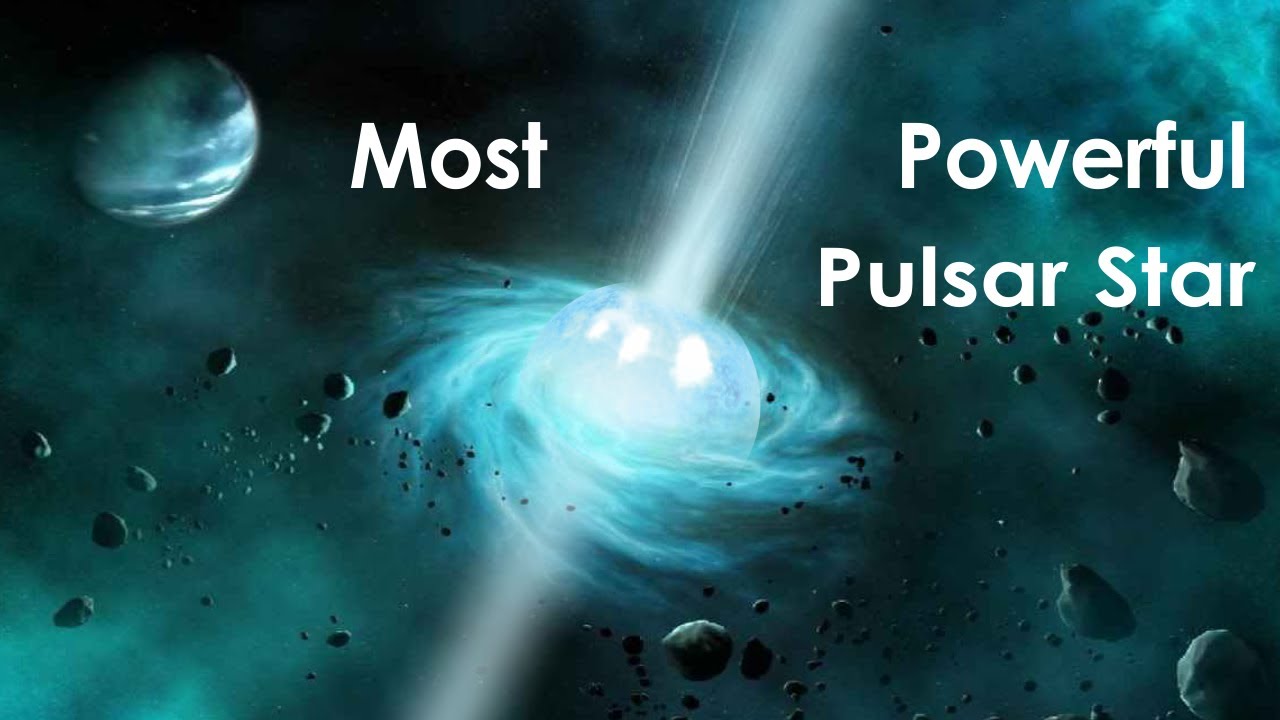
Pulsar நட்சத்திரம் | what is Pulsar star?


In this video, we'll learn what a pulsar is and what makes it so powerful. We'll also learn about the different types of pulsars and how to find them. If you're curious about what makes pulsars so powerful, then this video is for you. We'll learn about the different types of pulsars and why they're so important. We'll also find out about the most powerful pulsar in the universe and why it's so important. After watching this video, you'll have a better understanding of what makes a pulsar so powerful!


Regards,
Vaan Veli


#pulsar #pulsarstars #space #gravity #whatif #universe #blackhole #astronomy #pulse #neutronstars #neutronstars #neutronstarpulsarsound #pulsarstarsounds #youngestneutronstar #pulsarstarnasa #neutronstarformation #pulsarstarsound #whatisapulsar #whatisaneutronstar #pulsartami #pulsarstartamil #vaanveli #tamil #gk #science #whatispulsarstar #puslarstarspeed #howtofindpulsarstar #pulsarstarfacts #factsaboutuniverse #top10 #sciencefactstamil