#largestcreatureintheworld
Vaan Veli
2 Ansichten · 5 Monate vor

Hi,
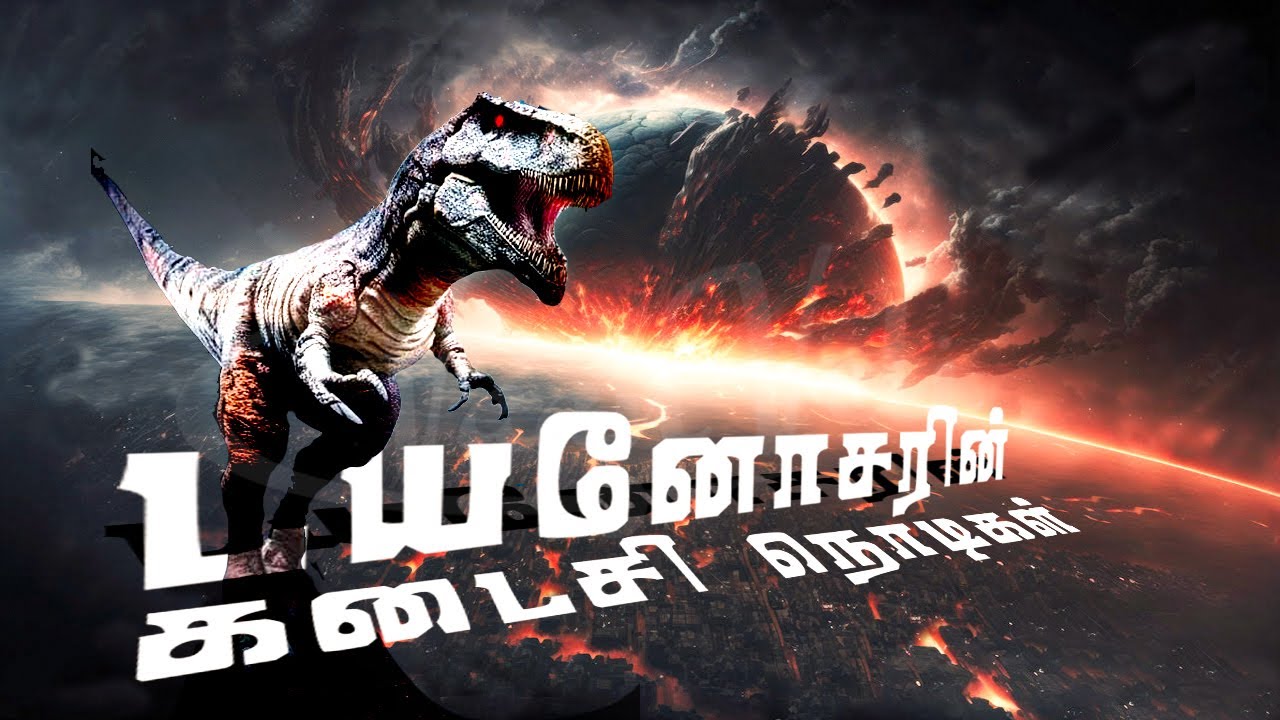
டயனோசர்களின் கடைசி நொடிகள் | Last Moment of Dinosaurs #dinosaur #vaanveli

Impact Event: The most widely accepted theory is that around 66 million years ago, a large asteroid or comet, estimated to be about 6 miles (10 kilometers) in diameter, collided with Earth. This impact event is believed to have occurred in what is now the Yucatán Peninsula in Mexico and created the Chicxulub crater. The energy released in the impact would have caused massive fires, tsunamis, and a "nuclear winter" effect, with debris and soot blocking sunlight for an extended period.

Immediate Consequences: The impact would have caused massive wildfires across the globe, releasing a tremendous amount of soot and gases into the atmosphere. This would have led to a sudden drop in temperatures, making it difficult for many species, including the dinosaurs, to survive.

Climate Change: The impact and subsequent environmental changes caused by the impact led to a drastic cooling of the Earth's climate. This would have disrupted ecosystems, causing a decline in plant life, which, in turn, would have affected herbivorous dinosaurs and the predators that relied on them.

Mass Extinction: The combination of factors, including extreme temperature fluctuations, lack of sunlight, and ecological disruption, likely resulted in a mass extinction event. Many species, including the non-avian dinosaurs, went extinct during this time.

Surviving Species: While the non-avian dinosaurs went extinct, some groups of animals, such as birds, small mammals, and reptiles, managed to survive and eventually evolve into the diverse life forms we see today. Birds are the only living descendants of the dinosaur lineage.


Regards,
Vaan Veli
Santhosh


Follows on Facebook : https://www.facebook.com/vaanveli1
Follows on Instagram : https://www.instagram.com/vaan_veli


#vaanveli #universe #solarsystem #earth #tamil #dinosaur #dinosaurs #dinasourimpact #asteroidimpact #chicxulubcrater #chicxulub #asteroid #dinosaursextinction #dinosaursintamil #dinosaurmovie #dinosaurvideo #dinosaurfootage #realdinosaur #lastmomentofdinosaurs #6thextinction #cretaceous #5massextinctions #largestcreatureintheworld #snake #crocodile #animals #birds #shark #66millionyearsago #6.6croreyearsago #dinosaurlivingperiod #humanevolution #gk

Vaan Veli
1 Ansichten · 5 Monate vor

டயனோசர்களின் தோற்றமும் மறைவும் | Evolution of dinosaurs #dinosaur #vaanveli #extinction

Origins and Early Evolution
Triassic Period (approximately 250-201 million years ago):
Archosaurs: Dinosaurs evolved from a group of reptiles called archosaurs. Early archosaurs appeared in the Triassic period, and from them, the first dinosaurs emerged.
Eoraptor and Herrerasaurus: Among the earliest known dinosaurs are Eoraptor and Herrerasaurus, small bipedal predators from South America, dating back to around 231 million years ago.
Major Dinosaur Clades
Jurassic Period (approximately 201-145 million years ago):

Saurischia: This group includes theropods (bipedal carnivores like Tyrannosaurus rex) and sauropodomorphs (long-necked herbivores like Brachiosaurus).
Ornithischia: This diverse group of herbivorous dinosaurs includes stegosaurs (Stegosaurus), ankylosaurs (Ankylosaurus), and hadrosaurs (duck-billed dinosaurs).
Cretaceous Period (approximately 145-66 million years ago):

Diversification: Dinosaurs reached their peak diversity during the Cretaceous. Major groups like ceratopsians (Triceratops) and theropods, which later gave rise to birds, flourished.
Bird Evolution: Theropod dinosaurs, particularly a group called maniraptorans, evolved into birds. The famous Archaeopteryx is often cited as a transitional fossil between non-avian dinosaurs and birds.
Extinction and Legacy
Cretaceous-Paleogene (K-Pg) Extinction Event (approximately 66 million years ago):
Mass Extinction: A catastrophic event, likely an asteroid impact, led to the extinction of most dinosaur species. However, avian dinosaurs (birds) survived and are their direct descendants.

Climate Change: The impact and subsequent environmental changes caused by the impact led to a drastic cooling of the Earth's climate. This would have disrupted ecosystems, causing a decline in plant life, which, in turn, would have affected herbivorous dinosaurs and the predators that relied on them.

Mass Extinction: The combination of factors, including extreme temperature fluctuations, lack of sunlight, and ecological disruption, likely resulted in a mass extinction event. Many species, including the non-avian dinosaurs, went extinct during this time.

Surviving Species: While the non-avian dinosaurs went extinct, some groups of animals, such as birds, small mammals, and reptiles, managed to survive and eventually evolve into the diverse life forms we see today. Birds are the only living descendants of the dinosaur lineage.

Adaptive Radiation: Dinosaurs adapted to various ecological niches, leading to a wide range of forms and sizes, from tiny, feathered theropods to enormous sauropods.
Feathers and Flight: Many theropods had feathers, initially for insulation or display, which eventually evolved for flight in the ancestors of birds.
Social Behavior: Evidence of social behavior, such as nesting sites and herd movement, suggests complex behaviors among some dinosaur species.


Regards,
Vaan Veli
Santhosh


Follows on Facebook : https://www.facebook.com/vaanveli1
Follows on Instagram : https://www.instagram.com/vaan_veli

#evolutionofdinosaurs #dinosaureolution #volcano
#vaanveli #universe #solarsystem #earth #tamil #dinosaur #dinosaurs #dinasourimpact #asteroidimpact #chicxulubcrater #chicxulub #asteroid #dinosaursextinction #dinosaursintamil #dinosaurmovie #dinosaurvideo #dinosaurfootage #realdinosaur #lastmomentofdinosaurs #6thextinction #cretaceous #5massextinctions #largestcreatureintheworld #snake #crocodile #animals #birds #shark #66millionyearsago #6.6croreyearsago #dinosaurlivingperiod #humanevolution #gk