#chicxulub

Vaan Veli
4 Ansichten · 5 Monate vor

#asteroid #chicxulub #earth
If the biggest asteroid were to strike Earth again, humanity’s survival would be highly uncertain. The asteroid impact 66 million years ago, known as the Chicxulub impact, wiped out nearly 75% of all species on Earth, including the dinosaurs. The energy released by such an impact is incomprehensible, creating massive wildfires, tsunamis, acid rain, and a "nuclear winter" effect, where sunlight is blocked by debris in the atmosphere, leading to extreme climate changes. Survival would depend on global preparedness and the ability to mitigate these consequences.

Chicxulub Crater and the 66 Million-Year-Old Impact
The Chicxulub crater, located on the Yucatán Peninsula in Mexico, is the remnant of a 10- to 15-kilometer-wide asteroid impact. This collision is credited with causing the Cretaceous-Paleogene (K-Pg) extinction event. The impact generated massive shockwaves, global wildfires, and spewed sulfur and dust into the atmosphere, drastically reducing sunlight. Photosynthesis became nearly impossible, causing plants, marine life, and herbivores to perish. This led to a chain reaction affecting almost every species, including dinosaurs, which were unable to survive the drastic environmental changes.

Fallout Shelters and Doomsday Preparations
Fallout Shelters: These are secure, fortified structures built to protect against nuclear or asteroid fallout. They are typically located underground and designed to shield occupants from radiation, toxic dust, or extreme temperatures. Today, fallout shelters are sometimes equipped with food, water, and air filtration systems to sustain life for extended periods.

Doomsday Preparations: These are steps taken to survive an apocalyptic event, such as an asteroid impact, and may include stockpiling supplies, developing survival skills, and building shelters. There are even underground "doomsday bunkers" designed to protect people from global catastrophic risks.

Potential Precautions for Future Asteroid Impacts
Modern technology offers some tools for asteroid impact prevention. Programs like NASA's DART (Double Asteroid Redirection Test) are studying how to deflect potentially dangerous asteroids. Early detection and deflection strategies, such as using spacecraft to nudge an asteroid off its collision course, are vital. Additionally, international cooperation in space monitoring and disaster preparedness planning are crucial for a unified response.

While there’s no guaranteed method to prevent a Chicxulub-like impact, these advancements offer some hope for survival through monitoring, impact deflection, and preparation.

what would happen if an asteroid like chicxulub struck again in tamil
could humanity survive an asteroid impact like 66 million years ago in tamil
could we stop an asteroid like the one that ended the dinosaurs in tamil
if the biggest asteroid struck earth again could we survive in tamil
how prepared are we for a modern-day asteroid catastrophe in tamil
doomsday redux what if another giant asteroid collided with earth in tami
what if history repeats the impact of a modern giant asteroid hit in tamil
how would humanity react to a dinosaur-killer asteroid impact today in tamil
could civilization endure an asteroid strike like 66 million years ago in tamil

asteroid impact on earth in tamil
giant asteroid hitting earth in tamil
asteroid hitting earth 2024 in tamil
what if asteroid hits earth in tamil
earth vs asteroid impact in tamil
asteroid apocalypse scenario in tamil
chicxulub asteroid impact in tamil
asteroid extinction event in tamil
asteroid strike consequences in tamil
what happens if asteroid hits in tamil
asteroid hitting earth simulation in tamil
earth's survival after asteroid in tamil
asteroid impact survival plan in tamil
can we stop an asteroid in tamil
life after asteroid hit in tamil
dinosaur extinction asteroid in tamil
asteroid near miss earth in tamil
nasa asteroid defense mission in tamil
dino-killing asteroid today in tamil
global impact of asteroid in tamil


Regards,
Vaan Veli
Santhosh

Follows on Facebook : https://www.facebook.com/vaanveli1
Follows on Instagram : https://www.instagram.com/vaan_veli


Disclaimer:
This channel does not offer financial advice. All information on this channel is offered solely for educational and informational reasons.

#asteroidhit
#asteroidimpact
#earthvsasteroid
#giantasteroid
#asteroidtamil
#asteroidimpacttamil
#chicxulubimpact
#whatifasteroidhits
#dinoextinction
#asteroidhittingearth
#asteroid2024
#doomsdayscenario
#nuclearwinter
#earthunderthreat
#survivingasteroidimpact
#asteroidfacts
#spacecollisions
#extinctionevent
#massiveimpact
#earthsurvival
#asteroidstrike
#deflectingasteroids
#asteroidexplained
#impactscience
#planetarydefense
#lifeafterimpact
#globalcatastrophe
#dinokiller
#asteroidpreparedness
#planetarythreat

Vaan Veli
4 Ansichten · 5 Monate vor

இந்த வீடியோவில் அணுகுண்டு மற்றும் எரிமலை இரண்டில் எது பெரியது மற்றும், அவைகளின் சக்தியை ஒப்பிட்டு காட்டியுள்ளோம், இந்த தகவல் பயனுள்ளதாக இருக்கும் என்று நினைக்கின்றேன்,

நன்றி
Vaan Veli
வாழ்க தமிழ் .


#volcano
#nuclear
#nuclearvsvolcano
#nuclearvsvolcanocomparison
#yellowstone
#nuclearcomparison
#mattervsdarkmatter
#chicxulub
#tzar
#zarbomba
#largestnuclear

Vaan Veli
3 Ansichten · 5 Monate vor

In this video, I'm going to show you the size and impact information about Asteroids in 3D that have fallen on our planet earth. I'll show you how to compare the size of different asteroids and how deadly they can be when they fall to Earth. This information can help you understanding the potential damage an asteroid could cause if it were to hit Earth.

This video is a great tool for learning about the dangers of asteroid collisions, and helping you to understand the impact that they can have on our planet. I'll also share with you some useful information about how to keep yourself and your family safe from potentially deadly asteroid falls!


நம் பூமியில் விழுந்த விண் கர்களின் அளவும் அதன் தாக்கம் பற்றிய தகவல்களை உங்களுக்கு 3D இல் காட்டியுளேன், வீடியோ பார்த்து மகிழுங்கள். உங்களின் ஆதரவுக்கு மிக்க நன்றி.

Regards,
Vaan Veli


#asteroid #meteor #sizecomparison #comparison #asteroidcomparison #asteroidsizecomparison #asteroidssizecomparison #size #sizecomparisonofasteroids #asteroidsize #cratersizecomparison #meteorsizecomparison #largestasteroidcomparison #3dcomparison #3dsizecomparison #comparisonvideo #chelyabinskmeteor #tunguska #bennu #ryugu #shoemaker #encke #popigaicrater #chicxulub #halleyscomet #1036ganymed #comethalebopp #vaanveli #gk #tamil #cretaceous #earthextinction #top10 #vaanveli #vaan_veli #science #bennuasteroid #asteroidbennu #asteroidsample #bennuasteroidsample #asteroidsamplebennu #nasaasteroidproject

Vaan Veli
2 Ansichten · 5 Monate vor

Hi,
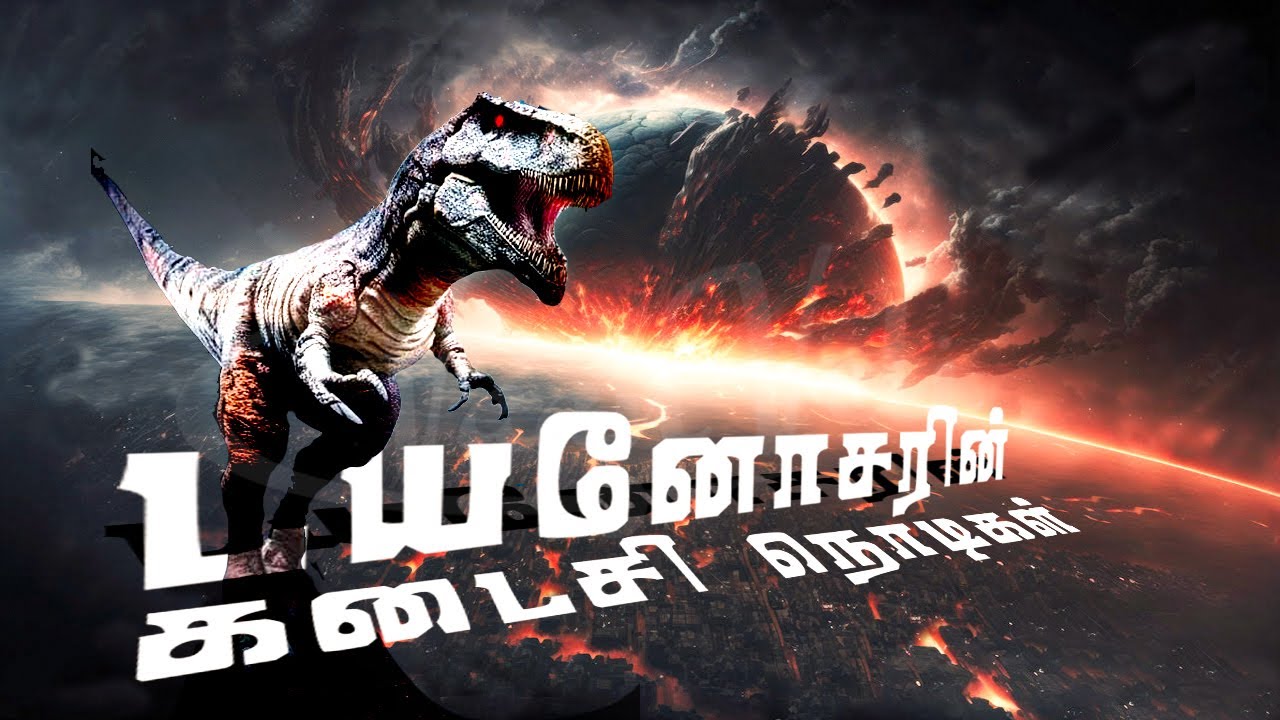
டயனோசர்களின் கடைசி நொடிகள் | Last Moment of Dinosaurs #dinosaur #vaanveli

Impact Event: The most widely accepted theory is that around 66 million years ago, a large asteroid or comet, estimated to be about 6 miles (10 kilometers) in diameter, collided with Earth. This impact event is believed to have occurred in what is now the Yucatán Peninsula in Mexico and created the Chicxulub crater. The energy released in the impact would have caused massive fires, tsunamis, and a "nuclear winter" effect, with debris and soot blocking sunlight for an extended period.

Immediate Consequences: The impact would have caused massive wildfires across the globe, releasing a tremendous amount of soot and gases into the atmosphere. This would have led to a sudden drop in temperatures, making it difficult for many species, including the dinosaurs, to survive.

Climate Change: The impact and subsequent environmental changes caused by the impact led to a drastic cooling of the Earth's climate. This would have disrupted ecosystems, causing a decline in plant life, which, in turn, would have affected herbivorous dinosaurs and the predators that relied on them.

Mass Extinction: The combination of factors, including extreme temperature fluctuations, lack of sunlight, and ecological disruption, likely resulted in a mass extinction event. Many species, including the non-avian dinosaurs, went extinct during this time.

Surviving Species: While the non-avian dinosaurs went extinct, some groups of animals, such as birds, small mammals, and reptiles, managed to survive and eventually evolve into the diverse life forms we see today. Birds are the only living descendants of the dinosaur lineage.


Regards,
Vaan Veli
Santhosh


Follows on Facebook : https://www.facebook.com/vaanveli1
Follows on Instagram : https://www.instagram.com/vaan_veli


#vaanveli #universe #solarsystem #earth #tamil #dinosaur #dinosaurs #dinasourimpact #asteroidimpact #chicxulubcrater #chicxulub #asteroid #dinosaursextinction #dinosaursintamil #dinosaurmovie #dinosaurvideo #dinosaurfootage #realdinosaur #lastmomentofdinosaurs #6thextinction #cretaceous #5massextinctions #largestcreatureintheworld #snake #crocodile #animals #birds #shark #66millionyearsago #6.6croreyearsago #dinosaurlivingperiod #humanevolution #gk

Vaan Veli
1 Ansichten · 5 Monate vor

டயனோசர்களின் தோற்றமும் மறைவும் | Evolution of dinosaurs #dinosaur #vaanveli #extinction

Origins and Early Evolution
Triassic Period (approximately 250-201 million years ago):
Archosaurs: Dinosaurs evolved from a group of reptiles called archosaurs. Early archosaurs appeared in the Triassic period, and from them, the first dinosaurs emerged.
Eoraptor and Herrerasaurus: Among the earliest known dinosaurs are Eoraptor and Herrerasaurus, small bipedal predators from South America, dating back to around 231 million years ago.
Major Dinosaur Clades
Jurassic Period (approximately 201-145 million years ago):

Saurischia: This group includes theropods (bipedal carnivores like Tyrannosaurus rex) and sauropodomorphs (long-necked herbivores like Brachiosaurus).
Ornithischia: This diverse group of herbivorous dinosaurs includes stegosaurs (Stegosaurus), ankylosaurs (Ankylosaurus), and hadrosaurs (duck-billed dinosaurs).
Cretaceous Period (approximately 145-66 million years ago):

Diversification: Dinosaurs reached their peak diversity during the Cretaceous. Major groups like ceratopsians (Triceratops) and theropods, which later gave rise to birds, flourished.
Bird Evolution: Theropod dinosaurs, particularly a group called maniraptorans, evolved into birds. The famous Archaeopteryx is often cited as a transitional fossil between non-avian dinosaurs and birds.
Extinction and Legacy
Cretaceous-Paleogene (K-Pg) Extinction Event (approximately 66 million years ago):
Mass Extinction: A catastrophic event, likely an asteroid impact, led to the extinction of most dinosaur species. However, avian dinosaurs (birds) survived and are their direct descendants.

Climate Change: The impact and subsequent environmental changes caused by the impact led to a drastic cooling of the Earth's climate. This would have disrupted ecosystems, causing a decline in plant life, which, in turn, would have affected herbivorous dinosaurs and the predators that relied on them.

Mass Extinction: The combination of factors, including extreme temperature fluctuations, lack of sunlight, and ecological disruption, likely resulted in a mass extinction event. Many species, including the non-avian dinosaurs, went extinct during this time.

Surviving Species: While the non-avian dinosaurs went extinct, some groups of animals, such as birds, small mammals, and reptiles, managed to survive and eventually evolve into the diverse life forms we see today. Birds are the only living descendants of the dinosaur lineage.

Adaptive Radiation: Dinosaurs adapted to various ecological niches, leading to a wide range of forms and sizes, from tiny, feathered theropods to enormous sauropods.
Feathers and Flight: Many theropods had feathers, initially for insulation or display, which eventually evolved for flight in the ancestors of birds.
Social Behavior: Evidence of social behavior, such as nesting sites and herd movement, suggests complex behaviors among some dinosaur species.


Regards,
Vaan Veli
Santhosh


Follows on Facebook : https://www.facebook.com/vaanveli1
Follows on Instagram : https://www.instagram.com/vaan_veli

#evolutionofdinosaurs #dinosaureolution #volcano
#vaanveli #universe #solarsystem #earth #tamil #dinosaur #dinosaurs #dinasourimpact #asteroidimpact #chicxulubcrater #chicxulub #asteroid #dinosaursextinction #dinosaursintamil #dinosaurmovie #dinosaurvideo #dinosaurfootage #realdinosaur #lastmomentofdinosaurs #6thextinction #cretaceous #5massextinctions #largestcreatureintheworld #snake #crocodile #animals #birds #shark #66millionyearsago #6.6croreyearsago #dinosaurlivingperiod #humanevolution #gk

Vaan Veli
1 Ansichten · 5 Monate vor

Hi All,

The Chicxulub asteroid is a term commonly used to refer to the massive asteroid or comet impact that occurred approximately 66 million years ago. This impact is believed to be the primary cause of the Cretaceous-Paleogene (K-Pg) extinction event, which resulted in the extinction of about 75% of plant and animal species on Earth, including the dinosaurs.

The impact site is located near the town of Chicxulub in Mexico's Yucatan Peninsula. The asteroid or comet that struck Earth was estimated to be about 6 miles (10 kilometers) in diameter. The impact released an enormous amount of energy, equivalent to billions of atomic bombs, causing widespread devastation.

The impact triggered a chain of catastrophic events, including massive earthquakes, tsunamis, and wildfires. It also released an enormous amount of dust, soot, and vaporized rock into the atmosphere, blocking sunlight and causing a global cooling effect. The reduced sunlight led to a significant decrease in photosynthesis, disrupting the food chain and causing the extinction of many plant and animal species.

The Chicxulub impact left a distinct crater, which was discovered in the early 1990s through geological surveys and subsequent drilling. The crater measures approximately 93 miles (150 kilometers) in diameter and is buried beneath layers of sediment.

The study of the Chicxulub impact has provided valuable insights into the dynamics of large asteroid or comet impacts and their potential effects on Earth's ecosystems. It has also contributed to our understanding of the history of life on Earth and the mechanisms of mass extinctions.

The Chicxulub impactor, also known as the Chicxulub asteroid or the K-Pg asteroid, refers to a massive asteroid or comet that is believed to have struck the Earth approximately 66 million years ago. The impact of this asteroid is considered to be a significant event in Earth's history as it is widely associated with the mass extinction event that led to the demise of the dinosaurs and many other species.

Here are some key details about the Chicxulub impactor:

Size and Impact: The Chicxulub impactor is estimated to have been about 6 to 9 miles (10 to 15 kilometers) in diameter. When it struck the Earth, it unleashed an immense amount of energy, equivalent to billions of nuclear bombs.

Location: The impact site is located near the town of Chicxulub in the Yucatan Peninsula of modern-day Mexico. The region is known for a prominent crater, known as the Chicxulub crater, which was discovered in the early 1990s.

Extinction Event: The impact of the Chicxulub asteroid is widely believed to have caused or significantly contributed to the Cretaceous-Paleogene (K-Pg) mass extinction event. This event led to the extinction of approximately 75% of all species on Earth, including non-avian dinosaurs.

Environmental Effects: The impact generated a massive amount of heat, causing widespread wildfires and releasing enormous quantities of dust, ash, and gases into the atmosphere. This resulted in a global climate change event, with a significant drop in temperature and a reduction in sunlight reaching the Earth's surface. These changes severely disrupted ecosystems and led to the extinction of many plant and animal species.

Crater Formation: The impact created a crater that is approximately 93 miles (150 kilometers) in diameter and 12 miles (20 kilometers) in depth. Over time, geological processes and erosion have modified the original structure, but the remnants of the crater are still visible.

Discovery and Confirmation: The presence of a large impact crater in the Yucatan Peninsula was first proposed in the late 1970s. In the early 1990s, scientific drilling in the region provided evidence supporting the hypothesis that the Chicxulub impactor was responsible for the K-Pg mass extinction event.


Regards,
VaanVeli


#asteroid #chicxulubcrater #earth #chicxulub #chicxulubasteroid #chicxulubintamil #chicxulubasteroidintamil #vaanveli #tamil #whatif #asteroidcomparison #asteroidsize #asteroidintamil #craterintamil #dinosaur #dinosaurs #shorts #dinosaurus #dinosaurvideos #dinosaurvideojurassic #dinosaurextinction #chicxulubimpact #impact #thechicxulubimpactor #science #extinction #asteroidimpact #dinosaursintamil #chicxulubimpactsimulation #asteroidhitearth #solarsystem #asteroidbelt #gk #animals #dino