Awakeny represents a modern approach to streetwear, where personal expression, everyday comfort, and contemporary fashion come together. Across the United States, streetwear has grown beyond its roots in skateboarding, hip-hop, and urban communities to become a major influence on everyday clothing. From relaxed hoodies and oversized jackets to carefully coordinated outfits, today's fashion enthusiasts are embracing clothing that reflects their individual identities.
Building a streetwear wardrobe, however, involves more than collecting graphic T-shirts and fashionable sneakers. The real challenge is creating outfits that feel natural, work across different occasions, and remain practical throughout the year. Understanding fit, fabric, layering, color coordination, and personal style can make a noticeable difference.
Whether you are exploring an Awakeny Hoodie, considering an Awakeny Jacket, or simply looking for inspiration to refresh your everyday outfits, a thoughtful approach to styling can help you make more informed fashion choices.
In this guide, we explore the foundations of modern streetwear, practical outfit combinations, seasonal styling strategies, and simple ways to develop a wardrobe that balances individuality with everyday functionality.
Understanding the Evolution of American Streetwear
Streetwear has developed through decades of cultural exchange. Its modern identity reflects influences from skateboarding, music, sportswear, street art, and independent fashion communities.
In the United States, cities such as New York and Los Angeles have played important roles in shaping streetwear culture. Each location has contributed different aesthetics, from graphic-heavy urban outfits to relaxed West Coast combinations.
Several characteristics define contemporary streetwear:
- Comfortable silhouettes: Relaxed and oversized clothing allows freedom of movement.
- Expressive designs: Graphics, logos, typography, and distinctive details communicate personal taste.
- Functional pieces: Hoodies, jackets, cargo pants, and sneakers support everyday activities.
- Cultural influences: Music, art, sports, and local communities continue to inspire new styles.
- Individuality: Personal combinations matter more than following every seasonal trend.
Streetwear is not limited to a particular age group or lifestyle. Students, professionals, creatives, and fashion enthusiasts can all adapt its elements to their own preferences.
The most interesting outfits often combine familiar wardrobe staples with one or two distinctive pieces rather than relying on an entirely trend-driven look.
Why Versatility Matters When Choosing Streetwear
A versatile wardrobe makes daily outfit decisions easier. Instead of buying clothing for only one occasion, consider pieces that can work with several existing items.
For example, a neutral hoodie can complement denim, relaxed trousers, cargo pants, or athletic shorts. Similarly, a simple jacket can provide an additional layer over a T-shirt, sweatshirt, or lightweight knit.
Before purchasing a new item, consider three practical questions:
- Can it work with at least three outfits you already own?
- Is the fabric appropriate for your local climate?
- Does its fit complement your preferred style?
These questions help prevent unnecessary purchases and encourage a more intentional approach to fashion.
Choosing a Practical Color Palette
Color coordination is one of the easiest ways to make streetwear look more polished.
Neutral shades such as black, white, gray, navy, beige, and olive are useful foundations. They work well with many other colors and allow statement pieces to stand out.
For example, black cargo pants paired with a cream sweatshirt create a balanced outfit. Adding white sneakers introduces contrast without making the combination complicated.
If you enjoy brighter colors, introduce them through a jacket, cap, graphic T-shirt, or sneakers. This approach allows experimentation without making every item compete for attention.
How to Style an Awakeny Hoodie for Everyday Wear
The hoodie remains one of the most recognizable streetwear essentials.
Its popularity comes from its adaptability. A hoodie can be worn during casual outings, travel, study sessions, and relaxed weekends. The right styling choices can also make it suitable for more carefully coordinated urban outfits.
When considering an Awakeny Hoodie, pay attention to the silhouette, fabric weight, neckline, cuffs, and overall construction. These details affect both comfort and appearance.
Three Easy Hoodie Outfit Combinations
- Classic urban casual
Combine a neutral hoodie with straight-leg jeans and low-profile sneakers. This familiar combination is easy to wear and works across many casual settings.
- Relaxed contemporary streetwear
Choose an oversized hoodie with loose-fit cargo pants and chunky sneakers. Keep the color palette relatively simple to maintain visual balance.
- Layered everyday outfit
Wear a hoodie beneath a lightweight jacket, paired with relaxed trousers and everyday shoes. This combination adds depth while providing flexibility when temperatures change.
Finding the Right Hoodie Fit
A hoodie should support comfortable movement without looking unintentionally oversized.
Consider the following fit details:
- Shoulder seams and how they sit on your body.
- Sleeve length when your arms are relaxed.
- Torso length in relation to your trousers.
- Hood size and how comfortably it rests.
- Fabric thickness and its suitability for layering.
If you prefer an oversized appearance, balance the proportions with straight-leg or tapered trousers. For a cleaner silhouette, choose a more structured hoodie with a moderate fit.
Styling an Awakeny Jacket for Different Occasions
Jackets bring structure, texture, and practical layering to streetwear. Depending on their design, they can change the appearance of an outfit without requiring an entirely new wardrobe.
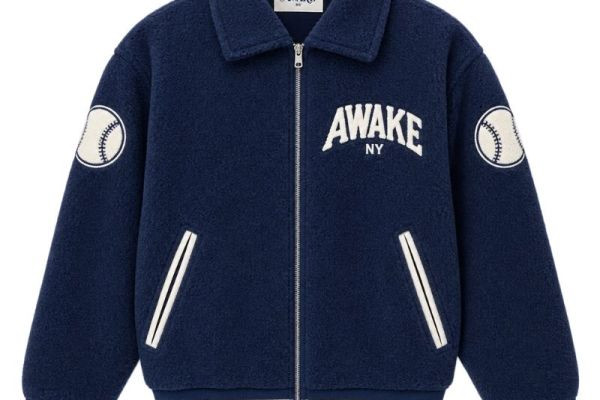
An Awakeny Jacket can be styled around everyday essentials, making it easier to experiment with different silhouettes and combinations.
Casual Jacket Combinations
- Bomber jacket and denim: Pair a bomber jacket with a plain T-shirt, straight jeans, and sneakers for a timeless urban look.
- Lightweight jacket and cargo pants: Combine functional outerwear with cargo trousers for a relaxed, utility-inspired outfit.
- Statement jacket and neutral basics: Let a distinctive jacket become the focal point by keeping the remaining pieces understated.
Choosing the Right Jacket
Consider the weather, intended use, and construction before selecting a jacket.
A lightweight jacket is useful for transitional seasons, while insulated outerwear may be more suitable for colder conditions. Pay attention to the lining, closures, pocket placement, and material composition.
Fit is equally important. A jacket should leave enough room for the layers you intend to wear underneath without restricting movement. Checking garment measurements against a jacket you already own can help you choose the right size when shopping online.
For inspiration, you can explore the Awakeny collection and consider how different pieces might fit into your existing wardrobe.
The Importance of Layering in Modern Streetwear
Layering adds depth and flexibility to an outfit. It is particularly useful in the United States, where temperatures can vary considerably between regions and seasons.
The key is to combine pieces with different functions and textures while keeping proportions comfortable.
A simple three-layer outfit might include:
- Base layer: A breathable cotton T-shirt or lightweight long-sleeve shirt.
- Middle layer: A hoodie or sweatshirt that provides additional warmth.
- Outer layer: A jacket that offers protection from wind or cooler temperatures.
Not every outfit needs all three layers. In mild weather, a T-shirt and overshirt may be sufficient. During colder months, a hoodie beneath a heavier jacket can provide additional insulation.
Balancing Proportions
Proportion helps determine whether an outfit feels coordinated.
If you wear an oversized hoodie, consider straight or slightly tapered pants to balance the volume. Alternatively, wide-leg trousers can work with a shorter jacket to create an intentional contrast.
Experimenting with different lengths and shapes helps you discover combinations that suit your preferences and body proportions.
Avoid adding too many bulky layers at once. Comfortable movement and a natural silhouette should remain priorities.
Building Seasonal Streetwear Outfits Across the US
Climate plays an important role in everyday clothing choices. A wardrobe designed for mild coastal weather may not provide enough warmth for a snowy winter.
Adapting streetwear to the season helps maintain both comfort and personal style.
Spring and Fall
Transitional seasons are ideal for experimenting with lightweight layers.
Consider combinations such as:
- A graphic T-shirt with an open overshirt and relaxed jeans.
- A hoodie with lightweight cargo trousers and sneakers.
- A casual jacket over a neutral sweatshirt.
These combinations allow you to add or remove layers as temperatures change.
Summer
Summer streetwear generally benefits from breathable fabrics and less restrictive silhouettes.
Cotton T-shirts, relaxed shorts, lightweight trousers, and breathable sneakers are practical choices. Lighter colors can also create a fresh visual appearance.
Choose clothing that allows airflow, particularly if you spend significant time outdoors.
Winter
Cold weather calls for thoughtful insulation and protective outerwear.
Combine hoodies with insulated jackets, thicker trousers, and weather-appropriate footwear. Accessories such as beanies, scarves, and gloves can provide additional warmth while contributing to the overall look.
Layering works best when each piece serves a purpose rather than adding unnecessary bulk.
Sneakers and Accessories That Complete an Urban Outfit
Footwear and accessories can influence the overall appearance of streetwear just as much as the clothing itself.
Sneakers remain a familiar choice because they complement many casual silhouettes. However, boots, skate shoes, and minimalist everyday footwear can also work depending on the outfit.
Consider these styling approaches:
- Minimal sneakers: Pair them with straight-leg denim and a simple hoodie for a clean appearance.
- Chunky sneakers: Combine them with loose trousers or cargo pants for a more substantial silhouette.
- Skate-inspired shoes: Wear them with relaxed jeans, graphic tees, and casual outerwear.
- Everyday boots: Use them to create contrast with softer streetwear pieces.
Accessories should complement rather than overwhelm the outfit.
A baseball cap, crossbody bag, beanie, or simple watch can introduce useful details without making the combination feel crowded.
One effective approach is to choose a single statement accessory and keep the remaining elements understated.
Fabric, Fit, and Quality: What to Check Before Buying
A stylish appearance is only one part of a successful clothing purchase. Fabric, construction, and fit affect how frequently a garment can be worn and how well it performs over time.
Understanding Common Streetwear Fabrics
Different materials offer different benefits.
- Cotton: Common in T-shirts and hoodies because of its softness and breathability.
- Cotton-polyester blends: Often used for sweatshirts because they combine different fabric characteristics.
- Nylon: Frequently found in lightweight jackets and wind-resistant outerwear.
- Denim: A durable, familiar fabric used for jeans, jackets, and other casual garments.
- Fleece: Often selected for warm midlayers and cold-weather clothing.
Fabric composition alone does not determine quality. Construction, stitching, fabric weight, finishing, and care requirements also matter.
Checking Garment Details
Before ordering clothing online, review the product information carefully.
Look for:
- Accurate garment measurements.
- Clear fabric composition.
- Close-up product photographs.
- Available sizing information.
- Washing and care instructions.
- Return and exchange policies.
These details can help reduce uncertainty when you cannot physically inspect a garment.
Creating a More Intentional Streetwear Wardrobe
Developing personal style does not require constantly purchasing new clothing. A more intentional wardrobe begins with understanding which pieces you actually wear and why.
Start by identifying your most frequently used items. These might include a favorite hoodie, reliable jeans, comfortable sneakers, or a versatile jacket.
Next, identify gaps in your wardrobe. If most of your clothing consists of dark colors, for example, a neutral or lighter piece could introduce variety without disrupting your existing combinations.
A simple wardrobe-planning method is to divide clothing into three groups:
- Everyday essentials: Frequently worn basics such as T-shirts, jeans, and hoodies.
- Seasonal layers: Jackets, sweatshirts, and outerwear suited to different temperatures.
- Personal statement pieces: Distinctive designs, graphic garments, or accessories that express individual taste.
This structure encourages more useful purchases and makes it easier to coordinate outfits.
It also helps reduce impulse buying. Instead of following every new trend, focus on clothing that matches your lifestyle, fits comfortably, and works with items you already own.
Conclusion
Modern streetwear is about creating a wardrobe that combines comfort, versatility, and personal expression. Rather than following every passing trend, building a practical collection of clothing starts with understanding fit, fabric, color coordination, and the activities that shape everyday life.
An Awakeny Hoodie can become a reliable foundation for casual outfits, while an Awakeny Jacket can introduce structure, additional warmth, and visual variety. Both pieces can be styled in different ways depending on the season, occasion, and individual preferences.
The most effective approach is to experiment with combinations that feel authentic. Start with essential pieces, explore different silhouettes, and gradually introduce colors, textures, and accessories that reflect your personality.
Streetwear continues to evolve through music, art, urban communities, and changing fashion influences. However, the principles of thoughtful styling remain relevant: prioritize comfort, choose clothing that suits your lifestyle, and build outfits that you genuinely enjoy wearing.
Ultimately, a well-planned streetwear wardrobe is not defined by how many items it contains but by how naturally those pieces work together.
Frequently Asked Questions
1. What is Awakeny streetwear?
Awakeny is a streetwear fashion brand name associated with contemporary urban clothing. Its name can be explored in the context of casual fashion, hoodies, jackets, and everyday styling.
2. How can I style an Awakeny Hoodie?
Pair an Awakeny Hoodie with relaxed jeans, cargo pants, or joggers. Complete the outfit with sneakers and simple accessories for a comfortable, coordinated look.
3. What should I wear with an Awakeny Jacket?
An Awakeny Jacket can be combined with a basic T-shirt, hoodie, straight-leg jeans, cargo trousers, or sneakers. Choose the combination according to the jacket's design and the weather.
4. Is oversized clothing still suitable for streetwear?
Oversized clothing remains a recognizable streetwear silhouette. The key is balancing proportions so that garments look intentional and allow comfortable movement.
5. Which colors are easiest to combine in streetwear?
Black, white, gray, beige, navy, and olive are versatile colors that work with many streetwear pieces. They can also provide a neutral foundation for brighter statement items.
6. How do I choose the right hoodie size?
Check the garment's size chart, shoulder width, chest measurements, and length. Compare these details with a hoodie you already own to find a fit that matches your preference.
7. What fabrics are commonly used in streetwear?
Cotton, polyester blends, fleece, denim, and nylon are common streetwear materials. The right option depends on the garment's intended use, desired comfort, climate, and care requirements.
8. How can I build a streetwear wardrobe on a budget?
Start with versatile essentials that work across multiple outfits. Prioritize fit and practical use, compare prices, and add statement pieces gradually instead of buying every new trend.